Thinking About Backyard Chickens? Here's Your Starting Guide
Alex Ward
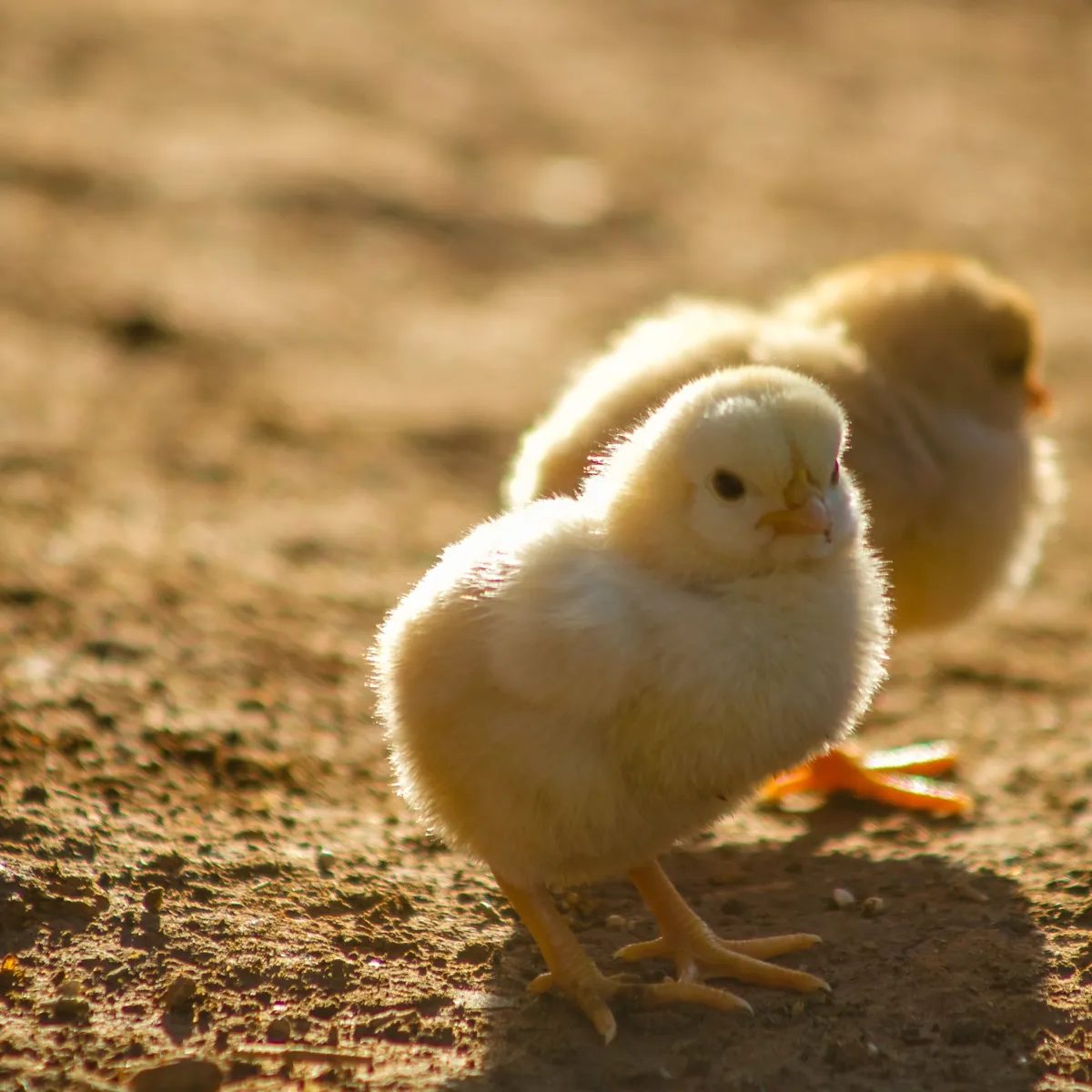
Wondering Whether to Raise Chicks?
If you've been thinking about starting your own backyard flock but feel unsure about the first steps, you're in the right place. Chickens are full of surprises and enjoyable to learn about. The information below covers the basics you'll need to begin.
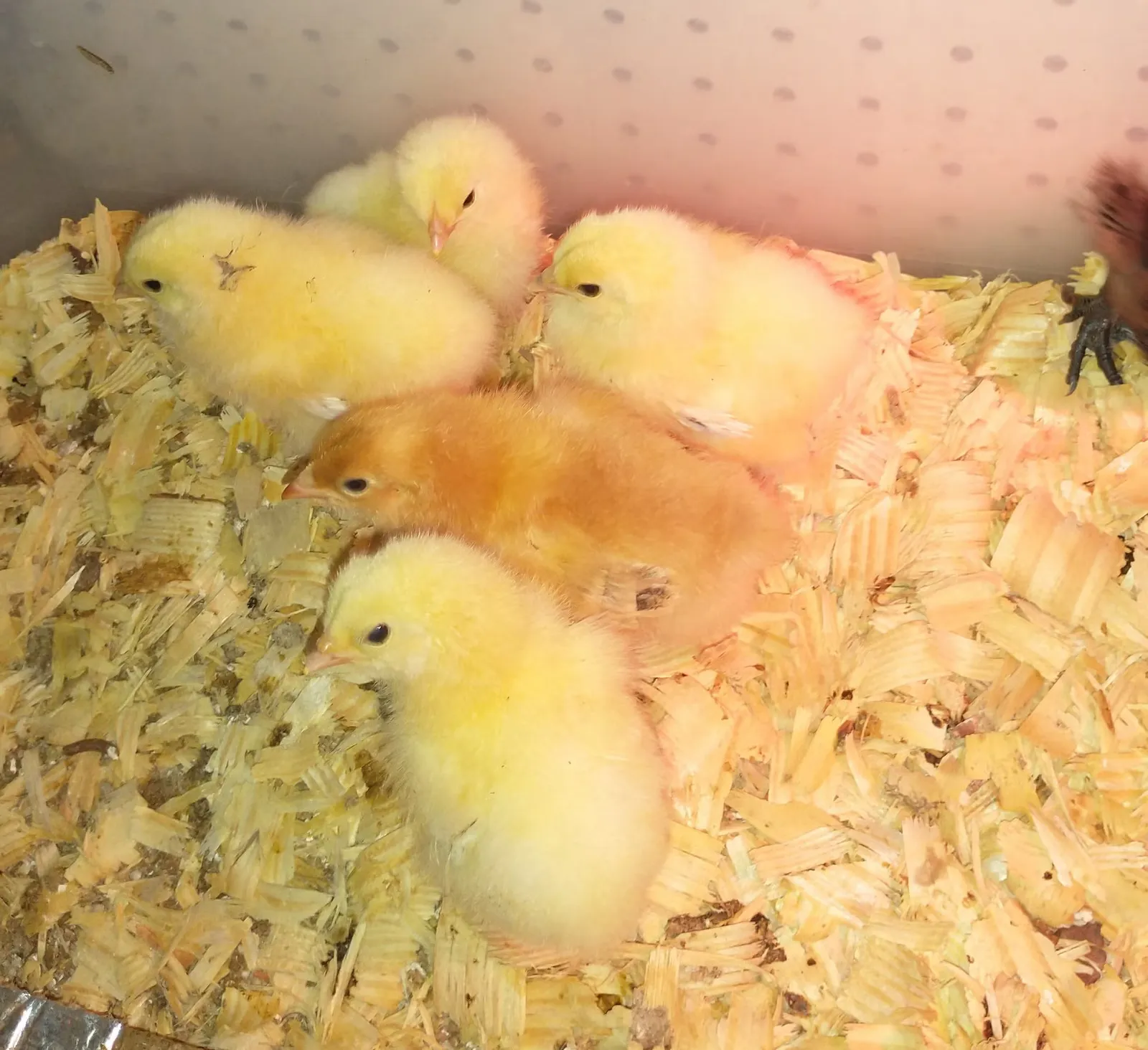
Sweet baby chicks
Essential Supplies for Beginners
Backyard chickens are not as complicated as they might appear. They make fairly low-maintenance pets. If you're beginning with chicks, here are the key items to have on hand.
- A heat lamp or heat plate (chicks need a heat source until they are fully feathered)
- A brooder box (it doesn't need to be elaborate. I've built them from 50-gallon rectangular totes, and they work just fine)
- Chick starter/grower feed and constant access to fresh water (I lean toward medicated feed to help prevent coccidia, but that's a personal choice)
- Wood shavings on the bottom of the brooder box to help control odor (keep in mind that once chicks start scratching and searching for food, these shavings create a lot of dust)
These items will keep a group of chicks content until they have their full feathers and are ready to go outside. A fun idea is to wedge large sticks into the brooder box so the chicks can roost on them as they grow. They'll enjoy it.
You can place the brooder box in a garage, a barn, or even inside your house.
A Caution About Cold
If you keep chicks in an outdoor barn, watch out for chilly nighttime temperatures. Chicks struggle to regulate their own body heat and can easily die if they aren't kept warm enough.
Why Keep Backyard Chickens?
Who doesn't enjoy waking up and cooking fresh eggs for breakfast? One of the delightful aspects of raising chickens is that different breeds produce eggs in different colors. You might see various shades of blue and green, white, tan, dark brown, and occasionally even pink or purple hues!
Chickens also consume a large number of insects and can help reduce pest populations in the summer, making your backyard more enjoyable.
Helpful Hint
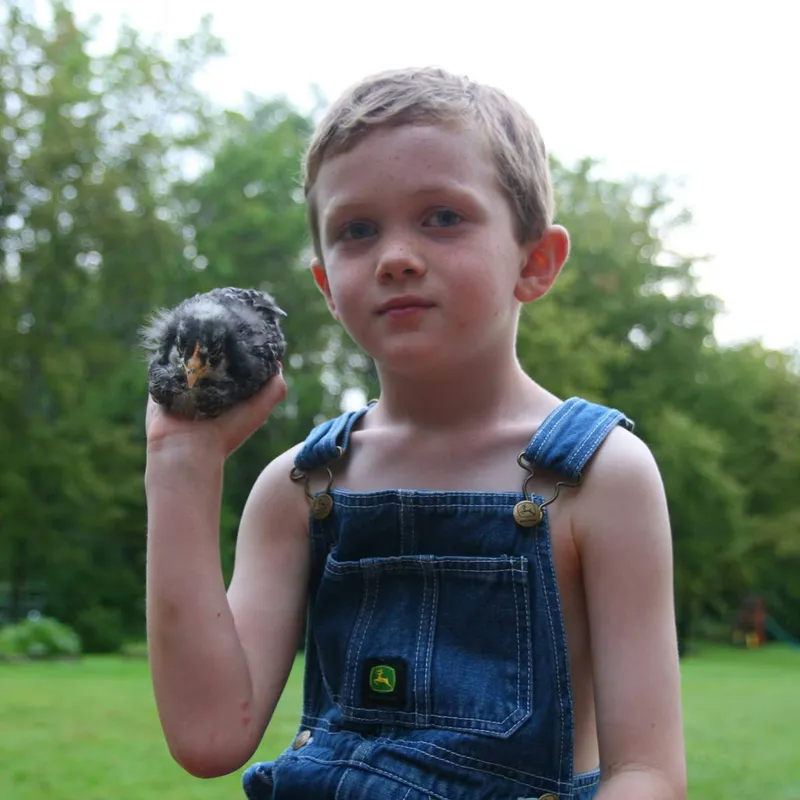
If you want chickens that are friendly toward people, handle the chicks as frequently as you can.
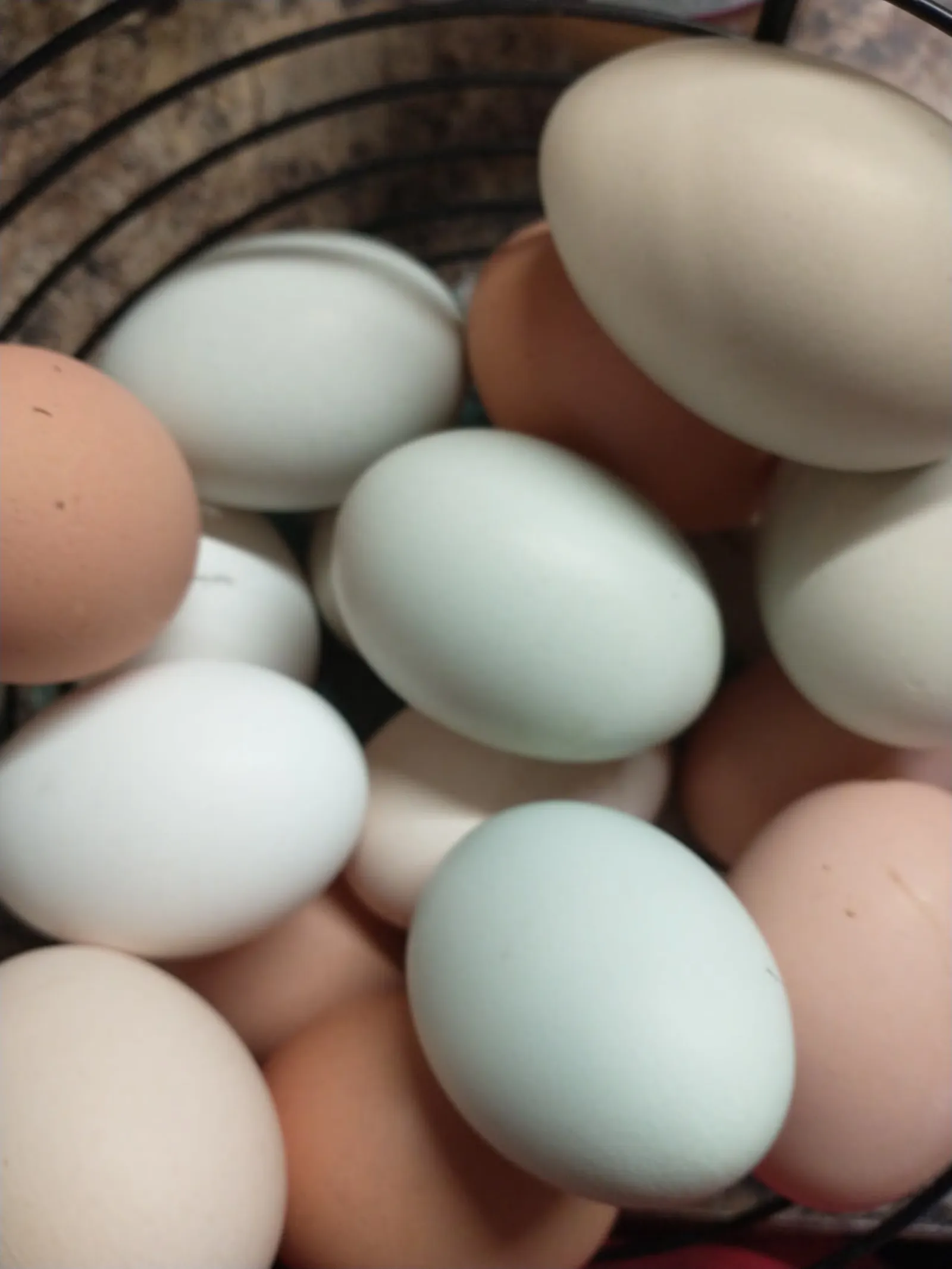
Look at these gorgeous eggs
Caring for Chickens
Chickens are quite easy to look after. As long as their basic needs are met—and they receive some affection—they tend to be happy.
Once they are older, you'll need to deworm them periodically, and there are many chicken illnesses to watch for, but those topics will be covered in other articles.
Coccidia
When you're starting with chicks, the primary concern is coccidia, which causes blood in the droppings. An affected chick will usually seem unusually sleepy and withdrawn. If treated early enough, this condition responds well to medication. You can also use medicated chick feed as a preventive measure.
What About a Coop?
When the birds are large enough to move outside, be sure you have a coop that is fully predator-safe!
Hardware cloth is the strongest option available. Chicken wire is far too flimsy to keep predators out and can be torn easily even by small animals such as raccoons or opossums. Personally, I let most of my chickens free-range during the day, and at night they go into a very secure coop. I believe chickens are much happier and healthier when they can enjoy fresh grass, bugs, and sunshine, but free-ranging carries a significant risk of losing some birds to predators. You'll need to decide what suits your situation best.
A great many predators target chickens. Here are some of the most common:
- hawks
- owls
- fox
- dogs
- opossum
- coyote
If you can, build your own coop. There are many coop kits for sale, but most won't hold up well to weather over time. The wood is relatively thin and breaks easily. You'll get better value for your money by constructing your own.
Make your coop large enough to house more birds than you initially plan to keep. Odds are you'll fall in love with chickens and want more!
This article is accurate and true to the best of the author’s knowledge. It is not meant to substitute for diagnosis, prognosis, treatment, prescription, or formal and individualized advice from a veterinary medical professional. Animals exhibiting signs and symptoms of distress should be seen by a veterinarian immediately.