A First-Timer's Guide to Choosing Among Three Popular Pet Snakes
Harper Kelly
Which Snake Is Right for a New Owner?
Ever since childhood, I have been drawn to snakes. I can remember racing home on roller skates with a garter snake in my hands, pleading with my father to let me keep it. Back then, my family never allowed a pet snake. When I brought reptiles home, we would hold them for a few days and then set them free outdoors.
As an adult, I have cared for a number of snake species. Before bringing any snake home, I gathered the information I am sharing here. Below, I will recommend three species that are well-suited to people who are new to snake keeping. Each section includes details about the species along with some advantages and drawbacks.
Snakes make fantastic pets, but some species are easier to care for than others. These three make great choices for beginners.
Tamara Gore via Unsplash
The Three Species Covered
- Corn Snake
- Royal/Ball Pythons
- Red-Tailed Boas
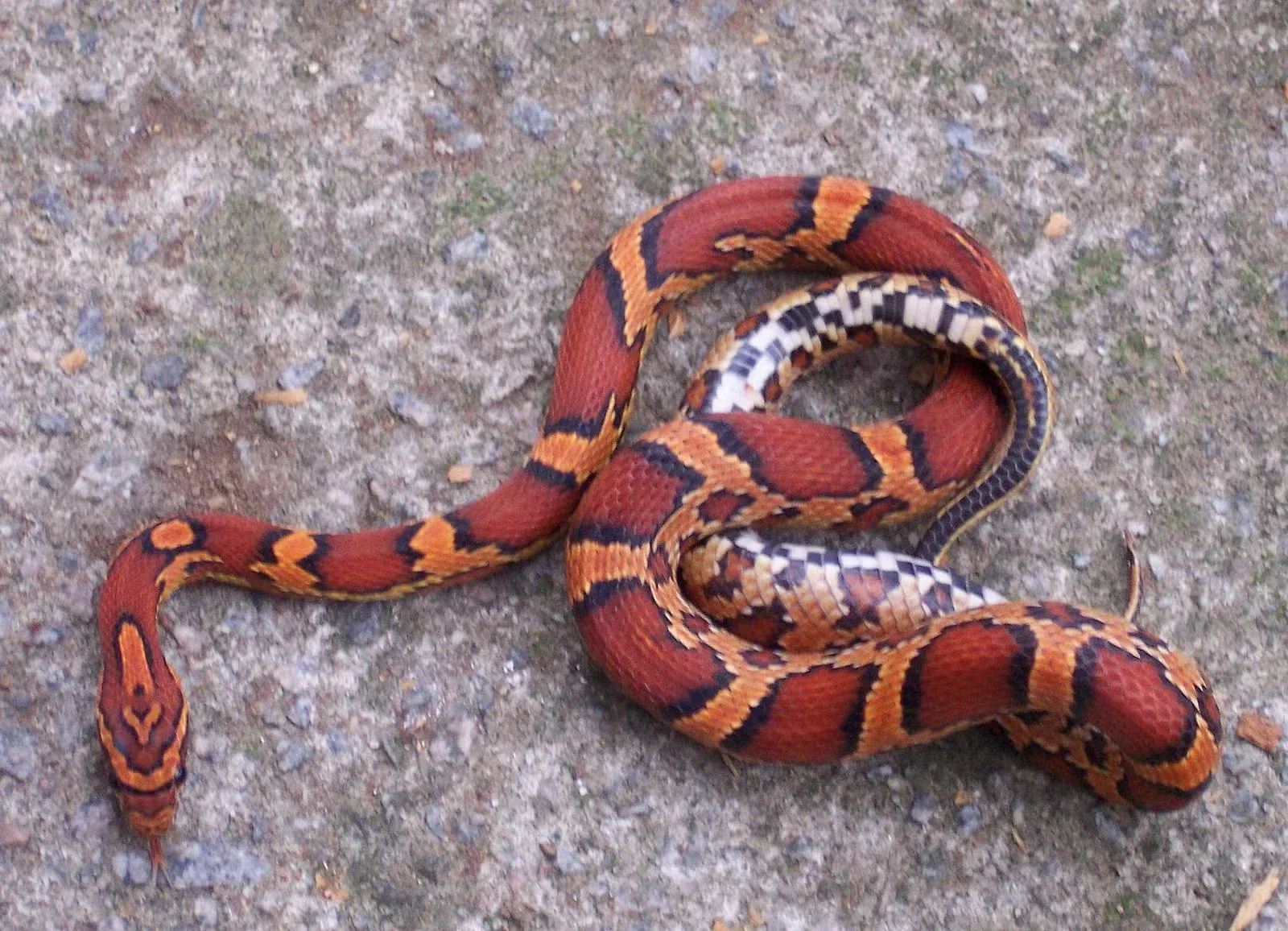
This Okeetee corn snake has striking coloration.
Jthatt~enwiki, CC-BY-SA-4.0 via Wikimedia Commons
1. Corn Snake
Corn snakes are attractive colubrids native to the southeastern part of the United States. Colubrids are constrictors, meaning they are not venomous. Even though they lack venom glands, like most animals they might strike or bite when they are hungry or feel threatened.
According to experts, corn snakes are the top choice for someone getting their first snake. Let's examine the benefits and drawbacks.
Featured Gallery
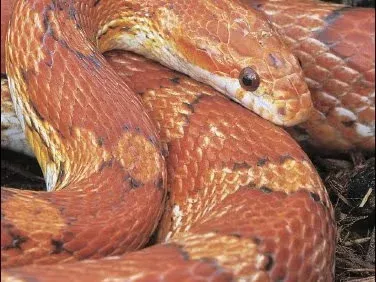
Motley corn snake
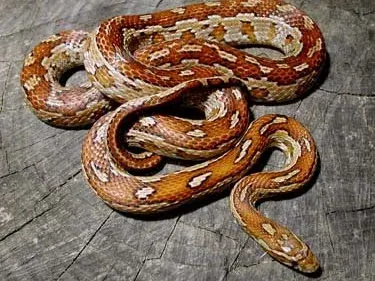
Aztec corn snake
Corn Snake Pros and Cons
| Pros | Cons |
|---|---|
| Available in many color variations |
|
Often mass-marketed at reptile shows
| |
Simple to maintain
|
Some morphs carry inflated prices
| |
Feeding costs are relatively low
|
May eat their cage-mates
| |
Easy to find
| |
Reasons Corn Snakes Are Good Pets
- They tend to be quite gentle and are less prone to biting than some other species.
- They feed well and do not demand complicated care from their owners.
Points to Consider When Selecting a Corn Snake
- At shows they are frequently oversold. I have bought several for under $50 on more than one occasion. When overbred and oversold, these animals can sometimes be of poor quality.
- I have noticed certain morphs priced far too high at shows and in pet shops. If you can, steer clear of paying too much for a distinctive pattern or color.
- Find a trustworthy breeder and remain loyal to them—they will treat you well.
My Personal Experience With Corn Snakes
My first encounter with a corn snake happened when I was a teenager. At the time I was working at a movie theatre, and Jungle Terry's animals were brought in for a movie promotion (George of the Jungle, if I recall correctly). Among the animals he brought was an albino corn snake. I was tearing tickets at the door stand with the snake draped over my shoulders, while another girl had a dove on her shoulder as she greeted guests. It was a memorable experience and started my love for this stunning snake species.
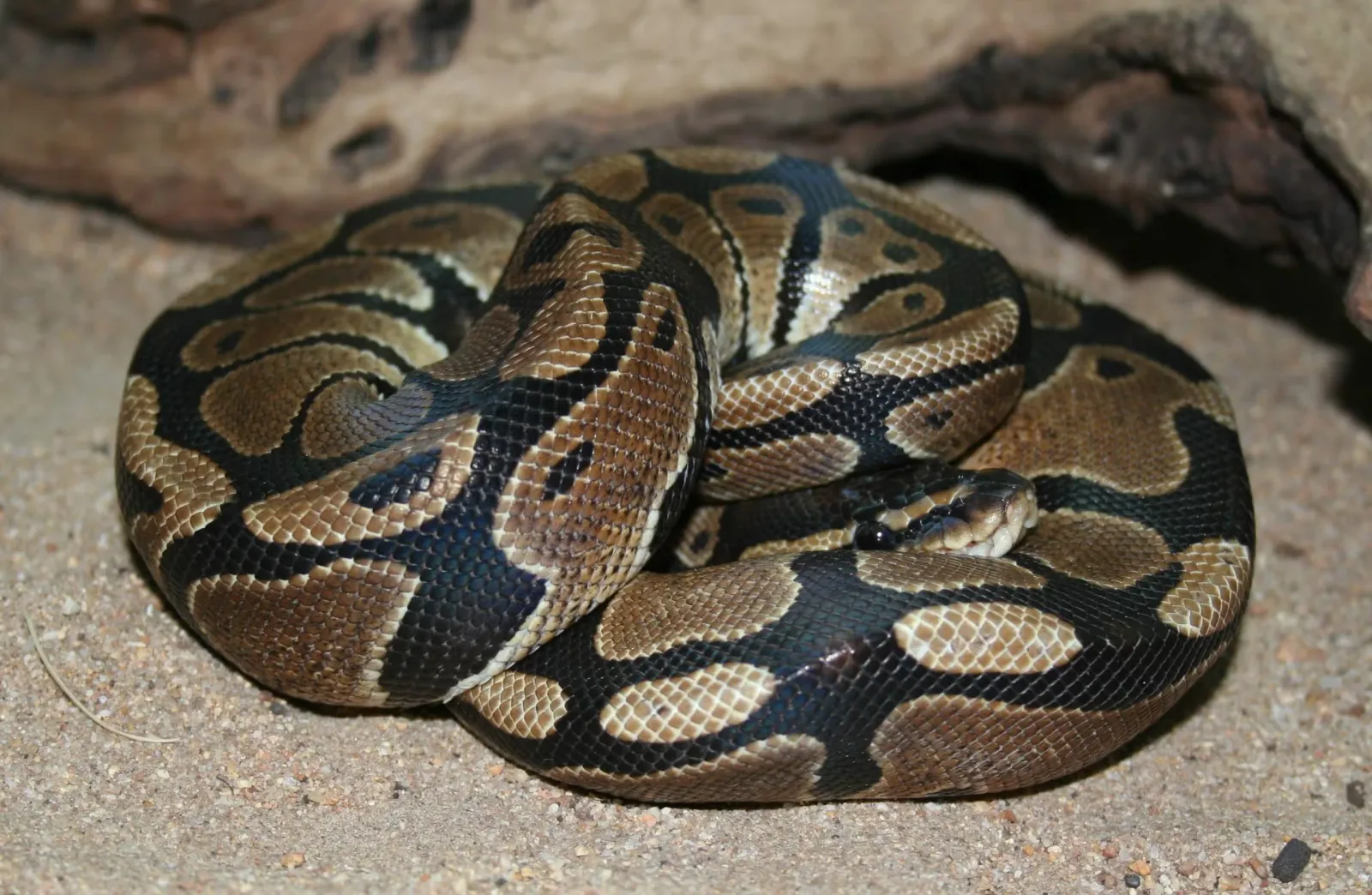
“Normal” ball python
2. Royal/Ball Python
Pythons have always appealed to me, and when I learned about the relatively small ball python, I knew I had to own one. My second snake was a ball python, and sadly, it died almost immediately—it lasted only three days. Our second ball python also died not long after we got it. The honest truth is that this is fairly common with ball pythons.
In our situation, we had been given incorrect care instructions. That was why I first visited the site Reptile Forums—I needed better and more accurate information than what I had been given. Ball pythons can be a challenging species to keep. Even so, and despite my own experience, experts agree that ball pythons are another good starter snake for people keeping snakes for the first time.
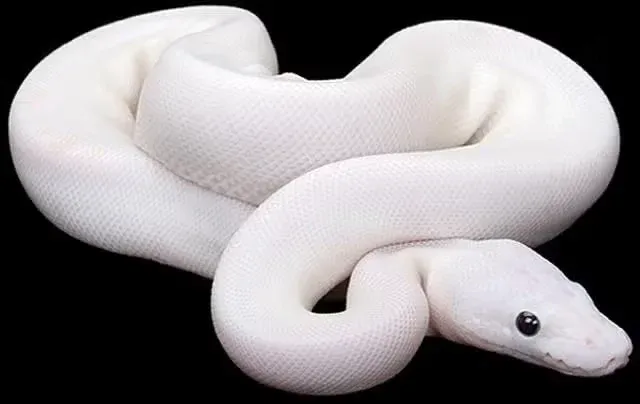
Black-eyed leucistic ball python
Ball Python Pros and Cons
| Pros | Cons |
|---|---|
| Attractive patterns |
|
More likely to be wild-caught
| |
Very gentle
|
Can be fussy eaters; some need live prey
| |
Fairly small (usually under four feet)
|
Not very tolerant of temperature changes
|
Reasons Ball Pythons Are Good Pets
Ball pythons are attractive and come in nearly as many color varieties as corn snakes. However, they are considerably more costly, as you will discover once you start shopping for one.
Points to Consider When Selecting a Ball Python
If you are thinking about buying a ball python, take some time to explore. Read several care sheets and learn the facts about the animal you plan to purchase. Make sure you are getting a captive-bred individual, not merely captive-born. Ball pythons can be difficult to feed and may reject frozen/thawed or even freshly killed food. I once owned a ball python that refused live food as well.
I cannot overstate how important it is to find a reputable breeder, especially with ball pythons. Many snakes sold in pet stores or at shows are wild-caught and distributed cheaply. Expect to pay up to $100 for a ball python. Be sure to ask questions.
My Personal Experience With Ball Pythons
The boids—boa constrictors, pythons, and anacondas—have always fascinated me. My first real experience with a snake was a Burmese python, and for a long time I assumed all snakes were that big.
To me, there is something special about these impressive creatures. People fear them, but they also respect them. Some python species are known to grow especially large, particularly Burmese, rock, and reticulated pythons. I appreciate their weight as much as their appearance.
- A Troubleshooting Guide to Ball Pythons This is a very thorough care guide for ball pythons. It covers issues such as finicky eating and deciding between live and dead food for your snake. Remember to consult multiple sources when researching your snake.
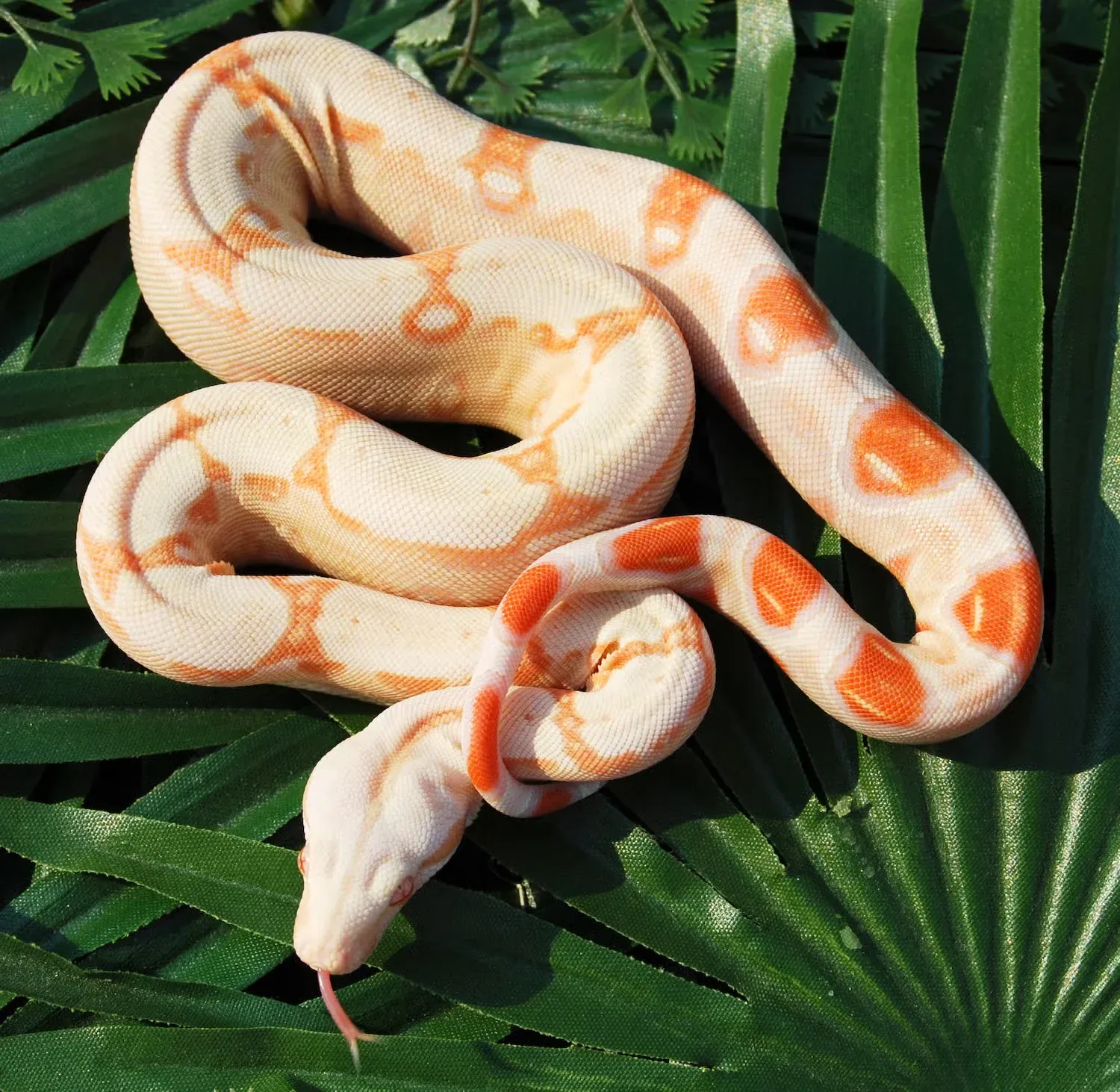
Albino red-tailed boa constrictor
3. Red-Tailed Boas
Here is where I depart from what is normally recommended for a first pet snake. Perhaps I am simply unusual, or perhaps my own experience differed from that of other keepers. Whatever the reason, I want to include red-tailed boas (Boa constrictor imperator, or BCI) in the discussion.
If you want a larger snake (males typically reach about six feet) and you like how these snakes look, there is no reason you should not seek more information about these beautiful animals. You do not need advanced experience to keep a boa constrictor.
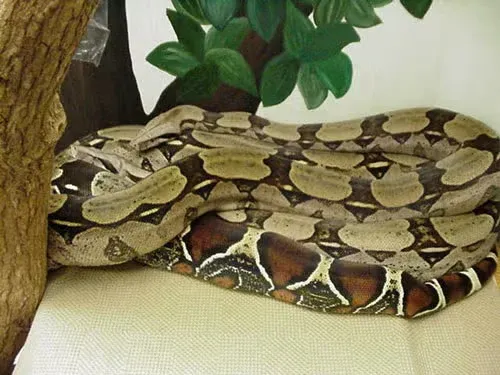
“Normal” red-tailed boa constrictor
Red-Tailed Boa Pros and Cons
| Pros | Cons |
|---|---|
| Simple to maintain |
|
Prone to respiratory infections
| |
Attractive pattern and color
|
Can become aggressive if not handled regularly
| |
Large size (if that is what you want)
|
Enclosure must be upgraded as they grow
| |
Easy to feed
| |
Reasons Red-Tailed Boas Are Good Pets
For a first snake, red-tailed boas are my top pick, especially for those who want a larger pet. They are easy to care for and generally quite gentle.
Points to Consider When Selecting a Red-Tailed Boa
These snakes are easy to find on the market but can be somewhat expensive. The higher price can be a significant barrier, so impulse purchases of this species are uncommon. Red-tailed boa constrictors are beautiful creatures.
My Personal Experience With Red-Tailed Boas
I had kept snakes for a little over a year when I decided to buy my first two red-tailed boas. Both were purchased for $220 at a show, and they were truly beautiful. Boa constrictors are stunning, easy to care for, and generally quite hardy. The only downside is that they are more susceptible to respiratory infections than some other species.
- Red-Tailed Boa Care This is a solid, well-referenced care sheet for red-tailed boas. It includes other sources you can use to learn more about the species and how to care for them successfully.
Are Pet Snakes Tame or Docile?
While searching for videos about snakes, I came across several narrators who called their snakes 'tame.' As I have said in other articles, any snake you choose is a wild animal and cannot be considered tame. It may be 'docile,' but tame is not the right word.
The key to keeping your snake docile as a pet is to handle it regularly. This must be done with gentle patience and persistence, and on a consistent schedule. If you want a docile snake, handle it two or three times a week.
Snake-Handling Safety Note
While you should interact with your snake often, never handle it when it is hungry or about to shed.
Additional Resources
- Dealing with Ball Python Feeding Problems This is another resource for information on feeding ball pythons. I have had so many difficulties getting them to eat normally that I thought this might help those considering a ball python as their first snake.
- Reptile Supplies and Exotic Animals LLLReptile sells supplies as well as animals. You can usually find a representative from this company at local reptile shows, and they have some of the best supplies in the business. Look them up.
- CornSnakes.com Forums Cornsnakes.com is not only a great forum for discussing corn snake husbandry, but also a wonderful place to buy your corn snakes. Check out this site for beautiful color morphs and more information on corns.
- Ball-Pythons.net This is an excellent and fairly large forum for herpetology enthusiasts. The forums include a detailed section for ball python keepers as well as areas for those who keep other reptiles. As always, I recommend getting involved in a community.
This article is accurate and true to the best of the author's knowledge. It is not meant to substitute for diagnosis, prognosis, treatment, prescription, or formal and individualized advice from a veterinary medical professional. Animals exhibiting signs and symptoms of distress should be seen by a veterinarian immediately.
- #Pets
- #Reptiles
- #Amphibians
- #Invertebrates
- #Reptiles, Amphibians & Invertebrates
- #Basic Pet Care & Ownership Tips