Corn Snakes: A Practical Starter Reptile for New Keepers
Dakota Morgan
Starting Out with a Corn Snake
If you’ve been thinking about reptiles as pets and are drawn to animals that are typically calm, handleable, and responsive, a corn snake is worth considering for a first snake. Many beginners feel uncertain about which species to choose, but the corn snake is often recommended for people who are new to the hobby—and it can suit experienced keepers as well. These snakes can fit well into many households.
Why Corn Snakes Are Often Recommended for Beginners
Snakes vary in temperament and care requirements. Some are easily stressed or defensive, while others are more patient with handling and simpler to maintain. A beginner should avoid species that are difficult to care for and should aim to select a healthy animal that can be housed, fed, and looked after over its entire life.
The corn snake is one of the most commonly captive-bred snakes and is also known for being generally docile. It is available in many color patterns (morphs), is relatively easy to keep and handle, and can be found from a wide range of sources.
What to Consider Before You Buy
Before purchasing, keep in mind that corn snakes are widely bred in captivity—though some wild-caught individuals are also sold, a practice that is generally discouraged. They come in many sizes and morphs, and you will encounter numerous sellers. You should know how to identify a healthy corn snake that appeals to you and be prepared to care for it for many years.
Where to Find a Corn Snake
Because there is a large market for corn snakes, they are easy to locate and generally simple to keep. You can buy one from a local pet shop that sells reptiles, a large chain pet store, reptile conventions and expos, private sellers, or online breeders.
Pet Stores
Many people buy their first corn snake from a local pet shop. Whether the shop is a small independent business or a large chain, it will often stock and sell corn snakes. Buying in person lets you hold, handle, and inspect the snake before you decide.
There are also drawbacks. Staff at a pet shop may not know the snake’s sex or genetics, so if you plan to breed later, a pet shop may not be the best source.
Online Purchases
Buying online is convenient and fast. You will likely see a very large selection of colors and morphs, which can feel overwhelming.
Many online sellers are the breeders themselves and can provide detailed information before you buy. You are also likely to find what you want within your budget—corn snakes generally cost no more than about forty US dollars.
The internet also gives new owners access to reptile and corn snake forums, where you can ask questions and learn from experienced keepers and breeders, helping you find a suitable breeder and snake.
Conventions and Expositions
A reptile expo or convention is an enjoyable place to buy a corn snake. These events bring together many vendors from different areas to sell various reptile species and supplies.
At an expo, you can hold the snake and ask questions before buying. A key advantage is that the person you speak with is often the breeder of that animal, so they can tell you its sex, specific morph, and genetics, and answer detailed questions.
If you buy at an expo, get the breeder’s contact information (such as a business card) so you can follow up with questions, get tips, or reach out if the animal becomes ill or dies within the first few days.
Questions to Ask Before Buying
Before buying, ask the seller several questions, whether you are at a pet store, online, or at an expo.
For a Seller in Person
- How long has this snake been in the store?
- How old is this snake?
- Has this snake eaten yet (if it is a baby)?
- Are you aware of any health issues that may affect this snake?
- Does this snake have a history of being hostile or biting?
- What is the temperament of this snake?
- What should I be feeding this snake?
- How often should I be feeding this snake?
- Do you know the gender of this snake?
- Do you know the genetics of this snake?
- Do you have the supplies I need for this snake?
- What kind of supplies do I need for this snake?
- How big of an enclosure should I buy?
- Do you have any health guarantees or warranties?
- How should I transport this animal?
- How long should I wait before handling this animal?
For an Online Vendor
- How long has this web site been in operation?
- Does this web site have a written warranty?
- Did you produce this snake (did the owner of the website personally breed this snake)? If not, who did?
- Has this snake eaten yet?
- How often has this snake been fed and what has it been fed?
- Do you guarantee correct gender?
- What is the gender?
- How do you ship your reptiles?
- What are the specifics needed to know prior to shipping a live reptile?
- When the creature arrives, what should I do?
- How long should I wait before handling this animal?
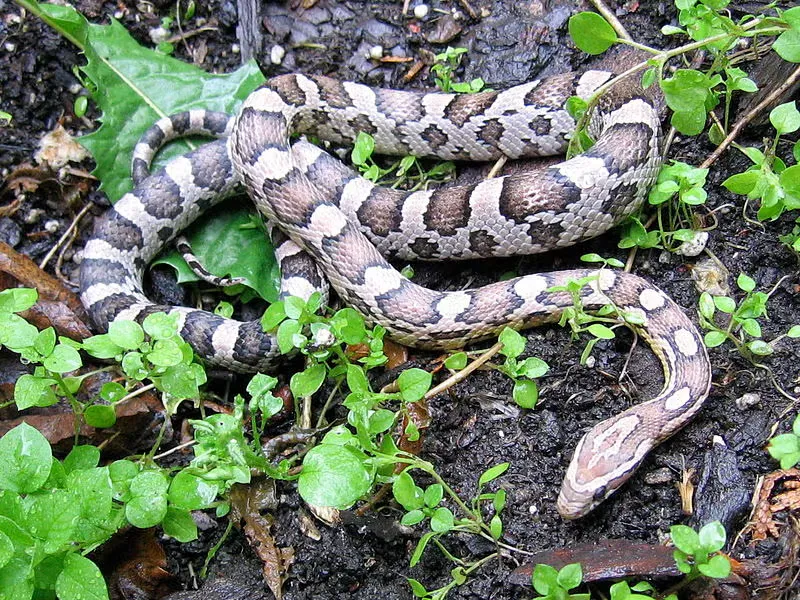
This is a corn snake in its native habitat.
Antsterr via Wikimedia Commons CC by SA-3.0
Native Range of Corn Snakes
Corn snakes naturally occur in grasslands and pine forests along the eastern United States. Their range extends from the Florida Keys north to New Jersey and westward to Arkansas and Louisiana. The core of their range is the southeastern United States.
People often encounter corn snakes in backyards, homes, and pine forests. They are not aggressive and can usually be removed from unwanted places, such as inside a house, without harming the animal. Corn snakes have adapted to living around humans and in various environments, partly due to deforestation and habitat loss. Their tolerance of humans helps explain why they are often considered good pets for beginners and experienced keepers alike.

Corn snake map (natural habitat)
Nk via Wikimedia Commons, CC by SA-3.0
Choosing a Corn Snake
Corn snakes come in many sizes, colors, and morphs, so choose one that appeals to you and anyone else who will see it.
Avoid Wild-Caught Snakes
It is advisable not to buy a wild-caught corn snake. Their temperament can be unpredictable because they have lived in the wild, and it is also best to avoid sellers who offer wild-caught animals. A snake born in the wild should generally remain there. Wild-caught animals are also more vulnerable to parasites, bacteria, and other illnesses.
Featured Gallery
1 / 1
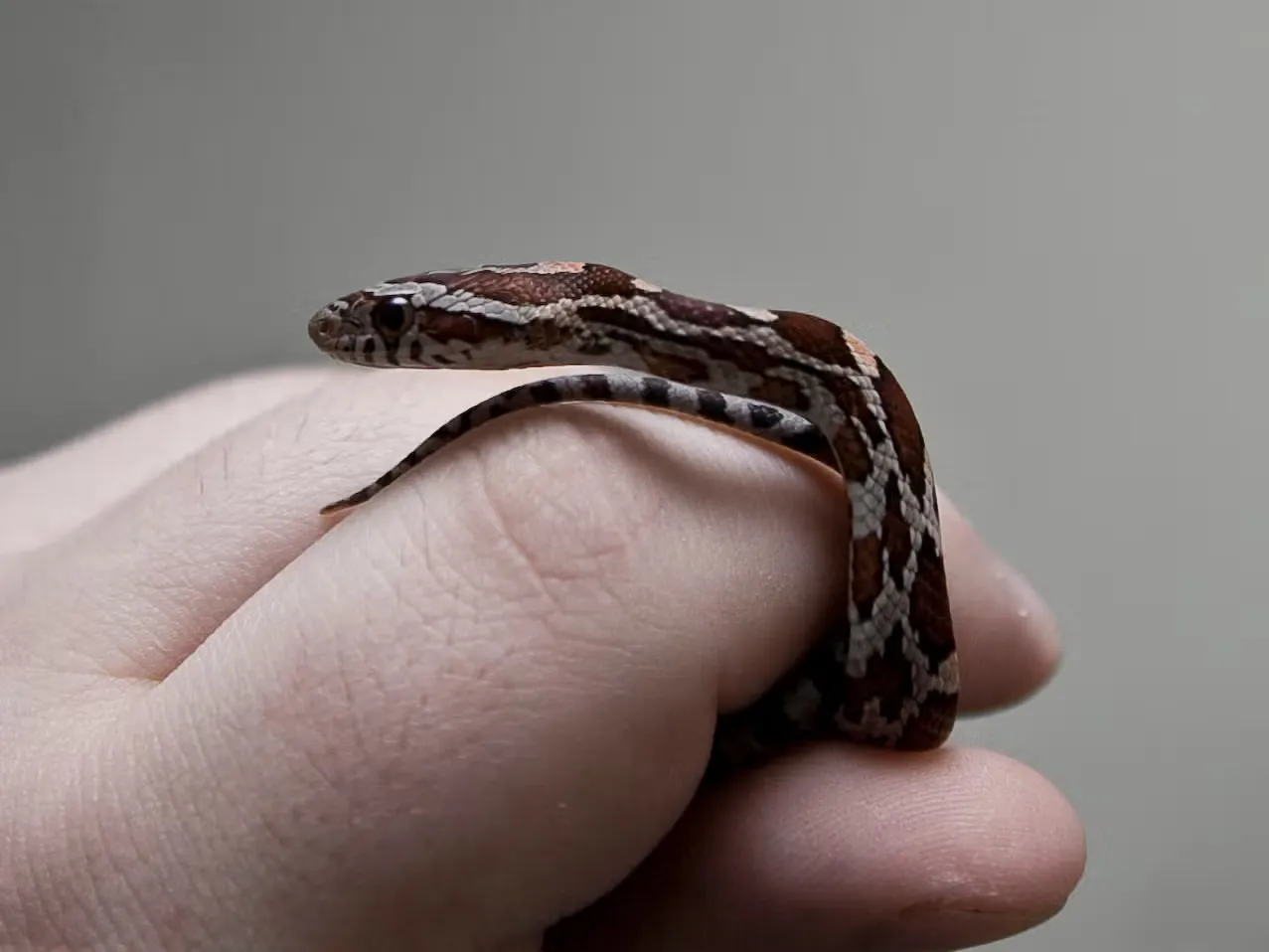
This is a hatchling baby corn snake. John Stone via Wikimedia Commons, CC-BY-3.0.
This is an adult corn snake. Fullmerdvm via Wikimedia Commons, CC by SA-3.0
Sizes of Corn Snakes
The snake’s size matters when buying, because it affects housing, care, prey size, enclosure size, and how well the snake tolerates handling.
Babies
Hatchlings eat small, inexpensive prey such as pink mice. If you buy a baby, you can watch it grow into an adult, observing changes in size and color, shifts in prey size, and shedding.
Babies should not be handled as often because they can be startled easily and handling may cause stress. Before buying a baby, confirm that it has eaten at least once, since some hatchlings have trouble feeding.
Mid-Sized
Corn snakes that are past the hatchling stage but not yet fully grown are a good option for a first snake. They are already established, have usually eaten many times, and are less likely to have problems. They are also more used to handling.
Mid-sized corn snakes remain inexpensive and easy to care for, but they eat larger prey—ask what size prey the snake is eating before buying.
Adults
Adopting or buying an adult corn snake is also possible. Some people no longer want to care for their adult corn snakes, so many are available for adoption. Adults for sale are often retired breeders.
An adult corn snake eats fairly large, more expensive prey but eats less often than a smaller snake. It needs a larger enclosure but is generally more tolerant of handling, even by a young child.
Featured Gallery
1 / 1
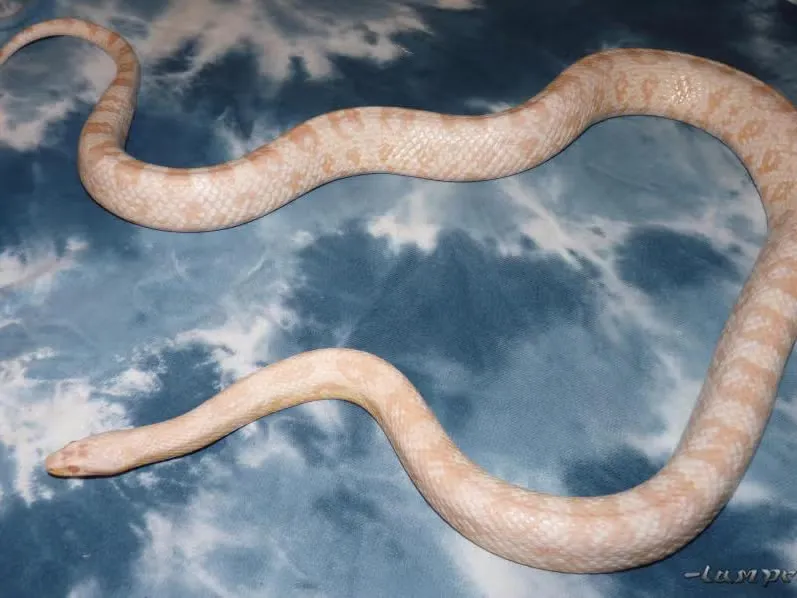
I own this adult snow corn snake.
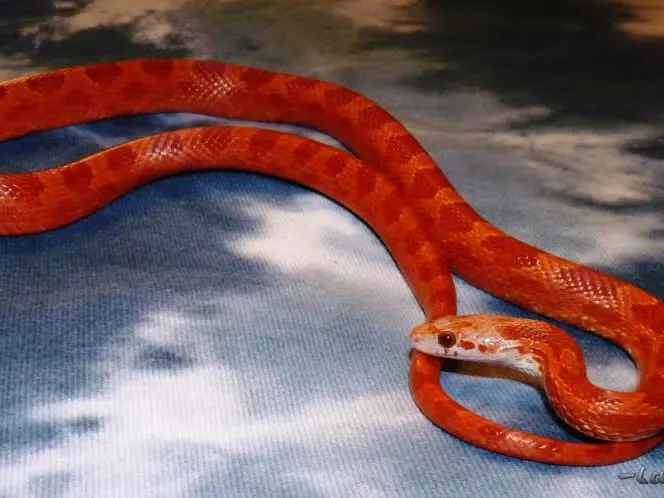
I bought and sold this baby blood red corn snake.
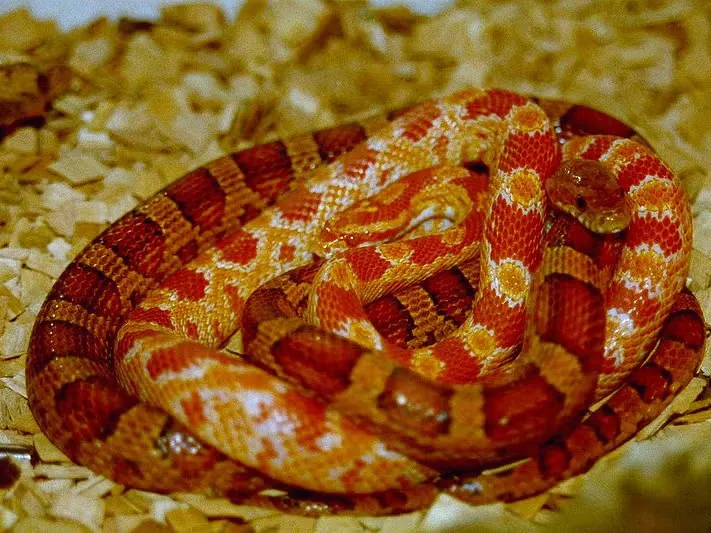
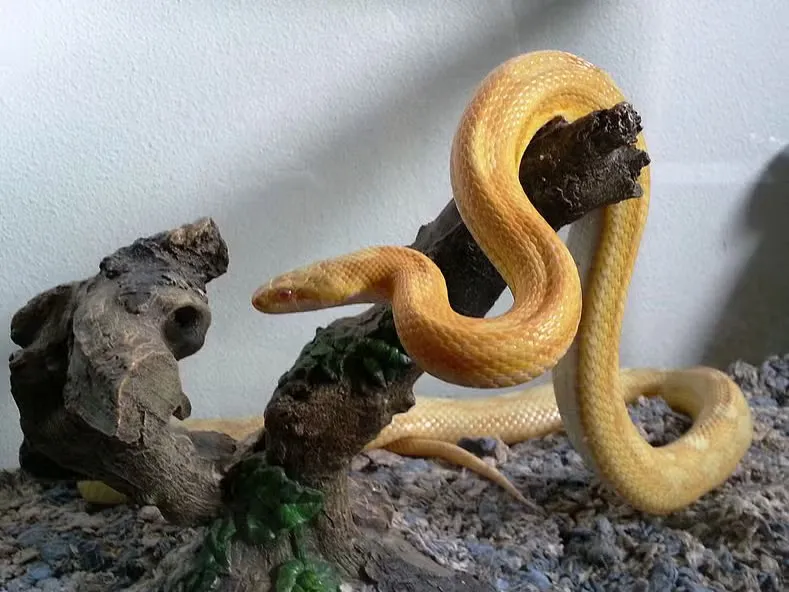
A regular and an albino are pictured here. Piatkowskk via Wikimedia Commons, Public Domain
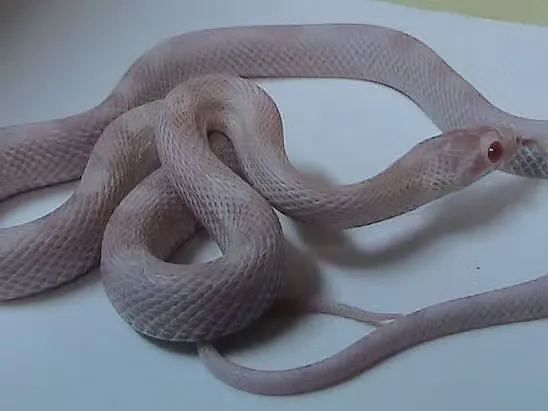
This is a baby opal corn snake. Dawson via Wikimedia Commons CC by SA-2.5
Colors and Morphs
Captive corn snakes come in a wide range of colors and many morphs, a result of years of breeding and commercialization. Shopping for a corn snake can be enjoyable because of the many variations available.
The morph you choose is up to you, but look at all the options so you find one you are happy to care for over the years.
Selecting a Healthy Corn Snake
Once you know where to buy, what size you want, and which morph interests you, you need to know what to look for to ensure the snake is healthy.
There is much to check before buying. Ask to hold and handle the snake so you can examine it closely. Also ask whether the animal has a history of illness or exposure to bacteria or parasites.
Signs of an Unhealthy Snake
Do not buy a corn snake if…
- It has visible parasites, which are often found around the eyes.
- It has runny, discolored, or foul-smelling stools.
- It has a bloated stomach.
- It has never eaten (this may indicate other problems).
- It is too small or too thin.
- It has been exposed to other illnesses.
- The upper and lower jaws are uneven or swollen.
- It has excessive saliva.
- It has nasal discharge.
- It “sneezes.”
- It has shedding problems (incomplete sheds).
- It has any obvious injuries.
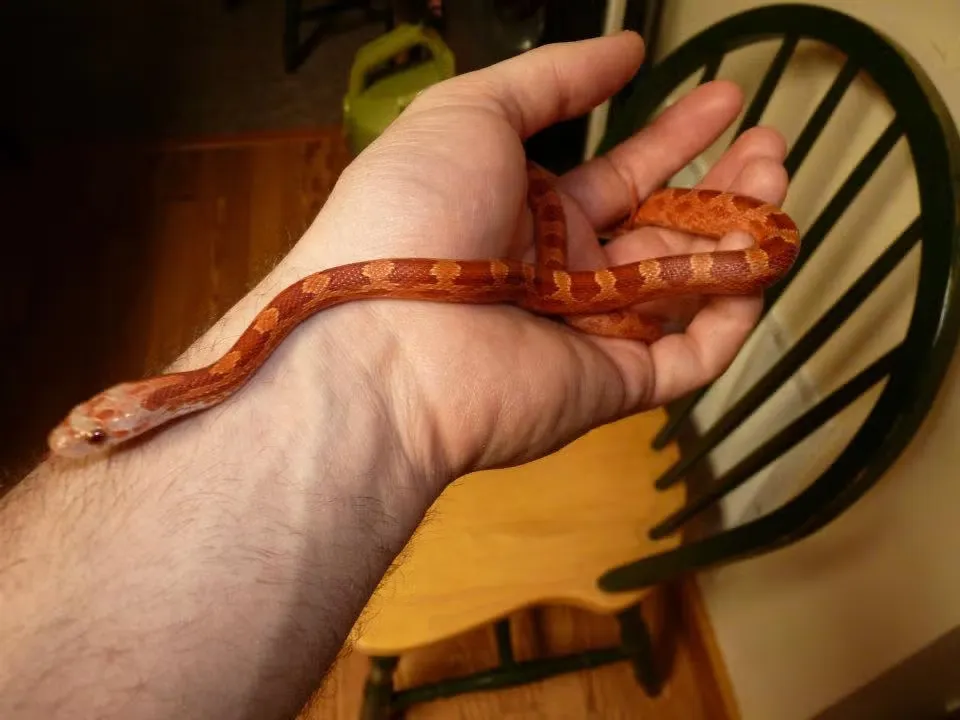
Pantherophis guttatus is very tolerant to handling.
Handling a Corn Snake
Corn snakes are generally very tolerant of handling, and even some babies do not mind regular handling. You should not be fearful or nervous when handling your new corn snake, because these reptiles rarely bite, strike, or cause damage to handlers.
Wash Your Hands Before and After
Wash your hands before and after handling your corn snake. This helps reduce the spread of germs or parasites from the animal to other animals in the household or pet shop. Reptiles can transfer bacteria to humans, and humans can transfer bacteria to reptiles.
Salmonella is one of the most common bacteria transmitted by reptiles, more often in wild-caught animals. Although captive-bred animals are unlikely to carry such bacteria, it is still important to understand the risk.
Handling Best Practices
- Never let the corn snake come into contact with your mouth.
- Wash your hands after handling and before eating.
- Never let a young child handle the corn snake unsupervised.
- To reduce possible pathogens, keep the corn snake’s enclosure clean and free of feces and mildew.
- Never handle your corn snake after it has eaten (wait at least 24 hours to ensure it has fully digested).
Avoiding Bites
Although biting is rare among corn snakes, it can happen. To reduce the chance of being bitten, use tongs when feeding, never handle the snake while intoxicated, do not startle it on purpose, and handle it with care.

This is our daughter with our adult snow corn snake.
My First Corn Snake: Marven
I have an adult corn snake at home. I bought him as a hatchling from Petco when I was nineteen and named him Marven. At first, he was just my pet in a college dorm room for a semester. Now Marven is a full-sized adult corn snake, and I have a two-year-old daughter.
In the four years I have owned him, Marven has never tried to bite anyone. He tolerates handling well and is very tolerant of my daughter handling him. He has never been easily startled, even as a baby, and has always been docile and tame.
A baby corn snake was my first pet, and he remains part of our family and has deepened my interest in keeping reptiles. As a family, we now have eight snakes (three species) and three leopard geckos. We plan to breed reptiles in the future.
A Corn Snake Can Be a Rewarding First Reptile
Corn snakes are tame, docile, cute, intelligent, and likable. You can handle this snake as much as you like and care for it with relative ease. They rarely bite and are generally tolerant of handling and of small children. I recommend a corn snake for a first, second, or third pet snake.
This article is accurate and true to the best of the author’s knowledge. It is not meant to substitute for diagnosis, prognosis, treatment, prescription, or formal and individualized advice from a veterinary medical professional. Animals exhibiting signs and symptoms of distress should be seen by a veterinarian immediately.