Understanding Equine Bucking: Triggers and Solutions
Blake Hall
What Causes Horses to Buck?
Bucking is a specific behavioral issue where a horse firmly plants both front feet and then kicks its hindquarters upward.
In the wild, bucking serves as a defense mechanism to dislodge predators, and in some instances, a horse may buck with the intention of unseating its rider. But this isn't the only reason. Horses can buck for a variety of other reasons, and sometimes they may first lunge forward and then buck.
Rodeo Broncs
Rodeo broncs are specifically trained to buck forcefully as a test of a cowboy's ability to remain mounted. While some rodeos may have questionable practices, most professional ones ensure the well-being of their bucking stock, including both horses and cattle.
The bucking behavior in broncs is partly induced by a flank strap placed around their loins. This strap doesn't inflict pain but does create some discomfort. Typically, broncs have brief careers, and many go on to become riding horses—often, the horses that herd broncs out of the arena were once broncs themselves.
However, most horses aren't trained to buck, and some view it as the most severe misbehavior because of the significant danger of the rider falling and getting injured.
So, what leads a riding horse to buck?
Pain or Discomfort
Just as a bucking strap is meant to cause discomfort, a horse might buck due to pain or unease.
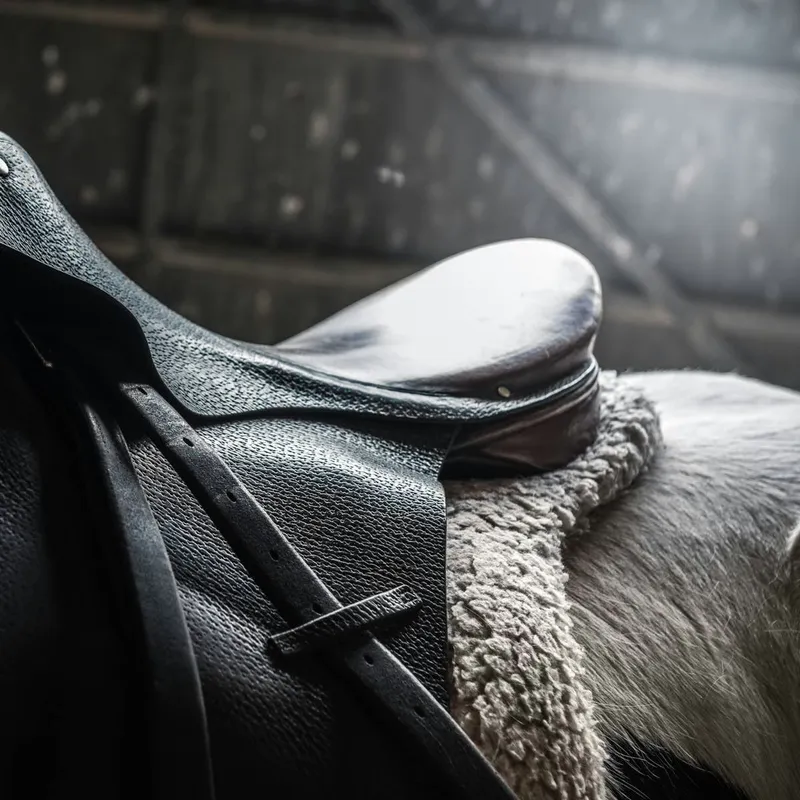
An improperly fitted saddle can trigger bucking. In certain disciplines, a western saddle has a back cinch to keep it from sliding forward. If this back cinch is positioned too far back or is not adjusted correctly (often because it's too loose), it can act like a bucking strap. Many trainers advise against using the back cinch unless it's truly necessary.
A horse that bucks might also be out of alignment and require a chiropractor, or it could be suffering from hind end lameness. I've also seen horses buck due to physical or mental exhaustion.
Excitement
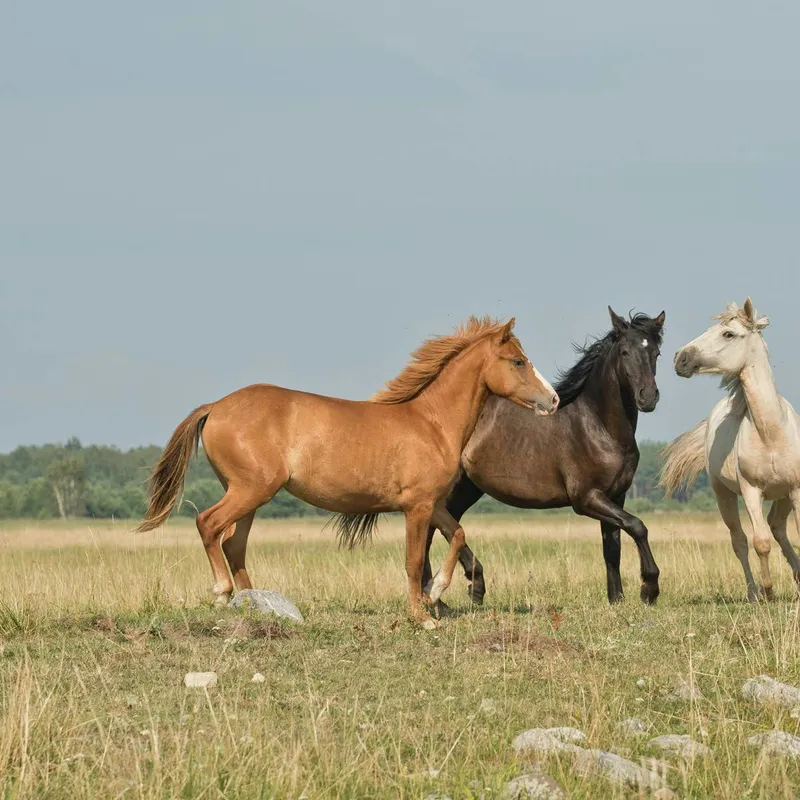
Some horses buck out of sheer excitement or high spirits. When you spot a group of horses galloping across a field and bucking, they're probably just releasing pent-up energy.
Of course, it's problematic when your riding horse gets excited and starts bucking beneath you. Certain horses will give a small buck when transitioning into a canter. The renowned showjumper Ryan's Son was famous for throwing in two or three bucks at the conclusion of a round.
A horse bucking from enthusiasm typically keeps its ears forward, though that might be hard to notice when you're focused on staying in the saddle.
Bucking from excitement usually indicates the horse has excess energy to burn. Lunging for a few minutes before riding can help dissipate that energy. A long trail ride is often beneficial, as is engaging in more complex exercises to redirect the horse's focus away from bucking.
Evasive Bucking
This occurs when a horse bucks to avoid work. In this scenario, the horse is likely trying to intimidate the rider into dismounting. It can frequently be recognized because it comes alongside other undesirable behaviors like balking, dropping a shoulder on turns, or attempting to knock the rider's knee against a tree or wall.
In some instances, this can escalate into a deliberate effort to throw the rider. There's a significant distinction between a horse intentionally trying to unseat you and one that's either in pain or just bucking thoughtlessly because it feels good. A horse that aims to throw you by bucking will spin or twist sideways (observe how broncs do it—they're experts at putting even highly skilled riders in the dirt; it's their job).
If a horse is truly determined to buck you off, it will succeed. Take my word for it. Such horses require retraining by someone with excellent fall techniques, a secure seat, and expertise in managing this behavior. This often means a trainer experienced with sour or dominant horses.
What to Do if Your Horse Bucks
When a horse bucks, it halts forward motion; it's not moving ahead during the buck. So, if your horse tries to buck with you, the best response is to kick it in the ribs and urge it forward. A horse can't execute a high buck and move forward simultaneously.
If you suspect your horse might buck, think about bridging your reins. Take the left rein over the horse's withers into your right hand, then cross the right rein back into your left hand. When the horse bucks, press your hands down on its withers. For one, a horse bucking hard must lower its head, which is tougher when it's pulling against its withers. Secondly, this provides a brace point and makes it much simpler to stay mounted.
If a typically well-mannered horse suddenly begins bucking, inspect the saddle fit and have its back and teeth examined—likely, it's pain-related.
If the horse has been idle for a period, it's probably freshness and enthusiasm—the horse needs more work and mental stimulation. Lateral exercises, if the horse is familiar with them, can be excellent because it's harder for the horse to buck out of a lateral move, and it engages their mind and sharpens focus. Try lunging for a few minutes before riding, and consider leaving the arena for a long trail ride to expend some extra energy. Keep in mind, though, that the horse might be out of condition—don't overdo it.
As I mentioned earlier, a horse that has learned to buck to evade work or that seriously tries to throw its rider needs professional retraining. They must be handled by someone who is fit, healthy, and experienced with this issue.
If the horse does manage to unseat the rider by bucking, it's crucial that someone gets back on the horse. Ideally, it should be the same rider, but I obviously don't suggest remounting if you're hurt. If the horse bucks someone off and is immediately returned to its stall, it might learn that bucking gets it out of work.
I don't recommend riding alone on any horse. It's even more critical not to ride alone on a horse with a history of bucking.
This article is accurate and true to the best of the author's knowledge. It is not meant to substitute for diagnosis, prognosis, treatment, prescription, or formal and individualized advice from a veterinary medical professional. Animals exhibiting signs and symptoms of distress should be seen by a veterinarian immediately.
© 2012 Jennifer R Povey
Sources
- Understanding Equine Bucking: Triggers and Solutions — pethelpful