A Guide to Safe and Healthy Treats for Your Budgie
Toby Howard
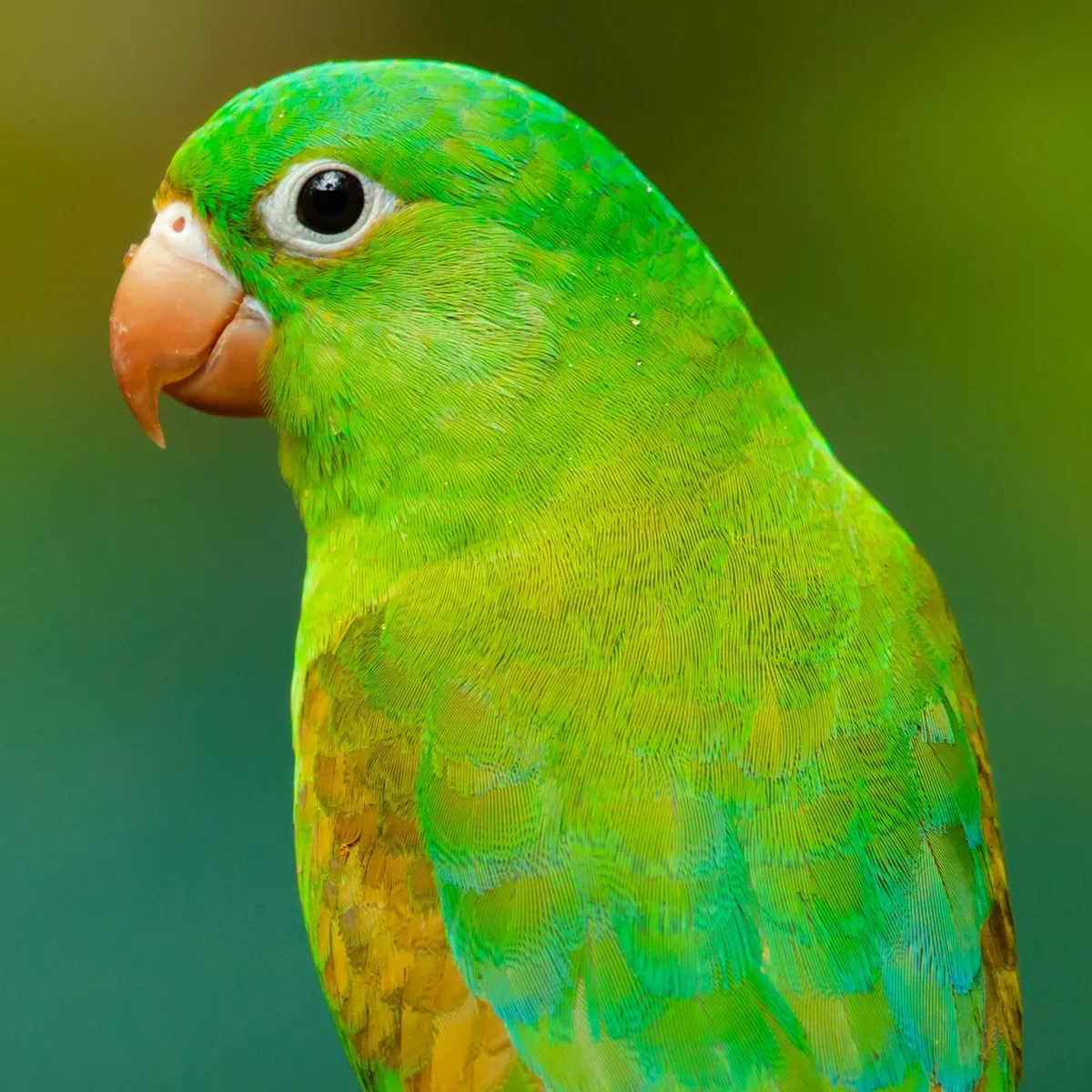
Feeding Your Budgie Beyond Seeds
Parakeets are small tropical parrots, and in captivity they are often fed primarily commercial seed mixes with only an occasional millet spray. But a diverse diet can contribute to their overall well-being and satisfaction. Offering a range of foods is an enjoyable way to discover what your bird likes and dislikes.
Important Safety Reminder
Before introducing any new food to your budgie, always confirm that it is safe for parakeets. If you observe any changes in your parakeet's behavior or physical condition after trying a new food, consult your veterinarian.
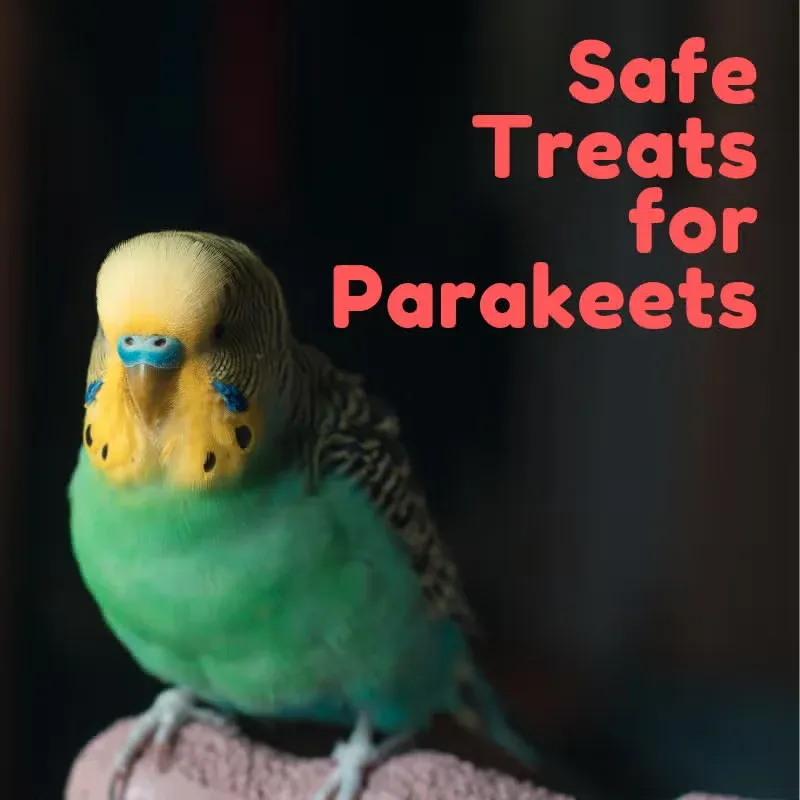
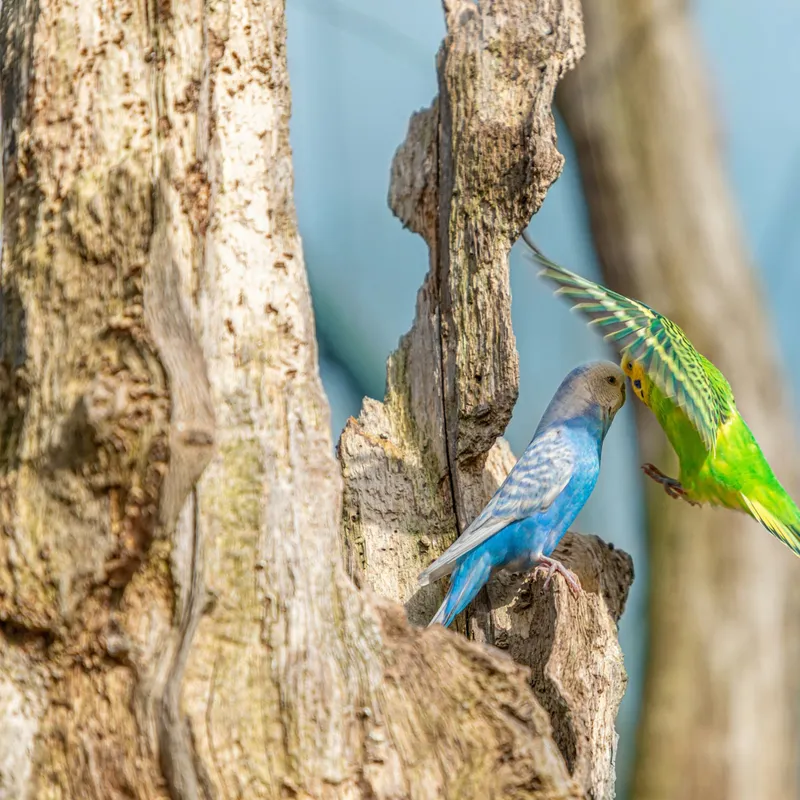
Add some variety to your budgie’s diet with these healthy, safe-to-eat options.
Ben Amaral via Unsplash
By providing healthy treats, you will learn your budgie's preferences and favorite items. Below is a list of foods that are safe to give your parakeet in addition to commercial seed mix. They are organized into four groups:
- Vegetables
- Fruits
- Nuts
- Grains (only occasionally)
Safe Treats by Category
| Veggies | Fruits | Nuts |
|---|---|---|
| Lettuce |
|
Apple
|
Almonds
| |
Broccoli
|
Orange
|
Pistachios
| |
Carrot
|
Banana
|
Peanuts
| |
Corn
|
Pineapple
|
Walnuts
| |
Peas
|
Grape
|
Pecans
| |
Spinach
|
Mango
| | |
Celery
|
Coconut
| |
1. Vegetables
Vegetables can form a crucial part of a parakeet's diet, supplying many nutrients that might be lacking in typical store-bought seed mixes. Safe vegetable options include:
Lettuce | Corn | Celery |
Broccoli | Peas | |
Carrot (preferably shredded) | Spinach |
Small Pieces Are Key
All food given to your parakeet should be diced into tiny, manageable pieces. If not, they may struggle to break it down into portions they can eat.
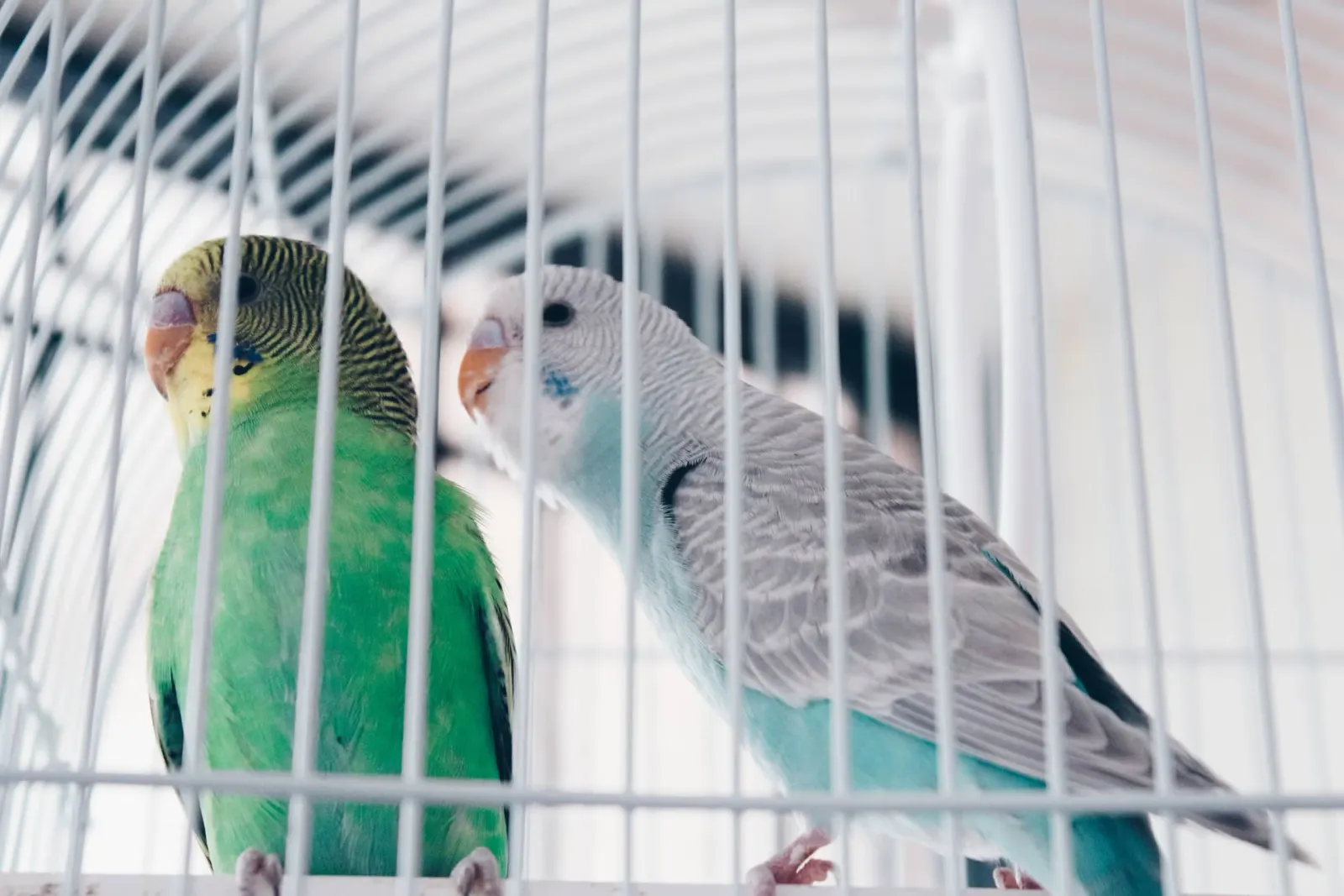
Seeds get old—keep your parakeet’s diet fresh and interesting with nutritious treats.
Honey Yanibel Minaya Cruz via Unsplash
2. Fruits
Parakeets enjoy fruits, but as with humans, they should be given in limited amounts. Fruits contain high levels of natural sugars, which can harm your parakeet's health if overconsumed. Safe fruits include:
Apple | Pineapple | Coconut |
Orange | Grape | |
Banana | Mango |
Fresh Is Best
Only give your bird fresh fruits and vegetables. Dried or packaged versions may have added sugars, spices, preservatives, or other ingredients that could be harmful to your feathered companion.
3. Nuts
Many parakeets enjoy nuts. They are flavorful, high in protein, and packed with nutrients that may be missing from other parts of the diet. Safe nuts for your budgie include:
Almonds | Walnuts |
Pistachios | Pecans |
Peanuts |
Nut Feeding Tips
Always remove shells and chop or mince nuts before offering them to your parakeet. Most nuts are too large for a parakeet to eat whole, and the shells can be hard and risky for them to crack open on their own.
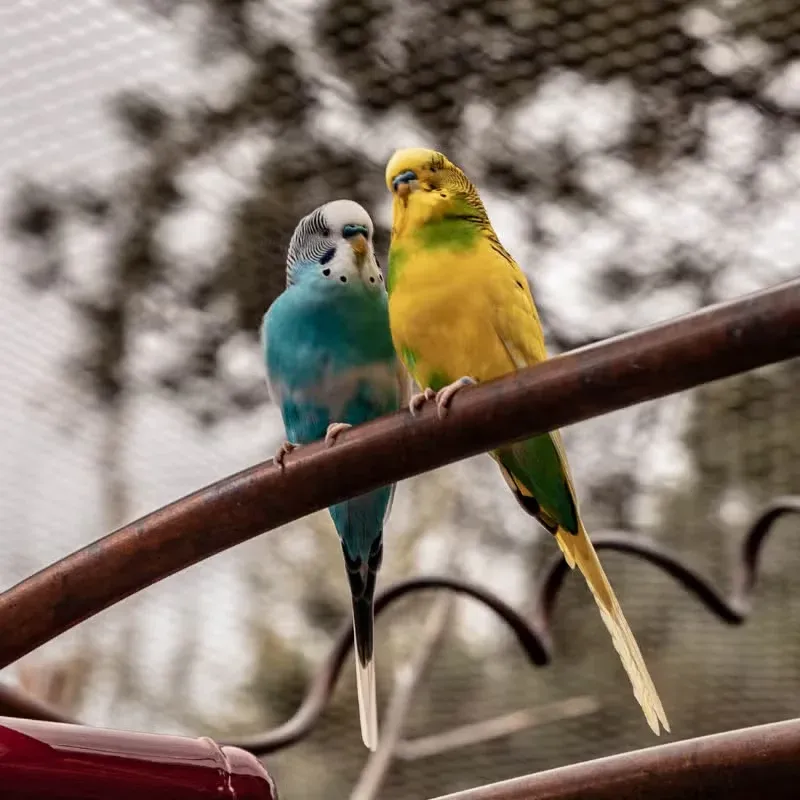
Whenever you give your budgie a new food, watch for signs of distress that could indicate an adverse reaction.
Isaiah Thomas via Unsplash
4. Grains (Occasionally)
Healthy whole-grain breads can be a nice addition to your parakeet's diet if given sparingly. Choose breads without sugar, preservatives, or other harmful additives. Avoid sweet, highly processed breads like Wonder or Franz. Instead, select fresh, natural, whole-grain varieties that contain no salt.
Bread in Small Amounts
Compared to other parakeet-safe treats in this article, breads have fewer nutrients and are more filling. Offer bread only in tiny quantities and very rarely. Bread is a treat and should not replace other parts of a parakeet's diet.
This article is accurate and true to the best of the author's knowledge. It is not meant to substitute for diagnosis, prognosis, treatment, prescription, or formal and individualized advice from a veterinary medical professional. Animals exhibiting signs and symptoms of distress should be seen by a veterinarian immediately.
Sources
- A Guide to Safe and Healthy Treats for Your Budgie — pethelpful