Managing Broken Blood Feathers: Plucking Versus Styptic Powder
Sam Cooper
Understanding Blood Feathers
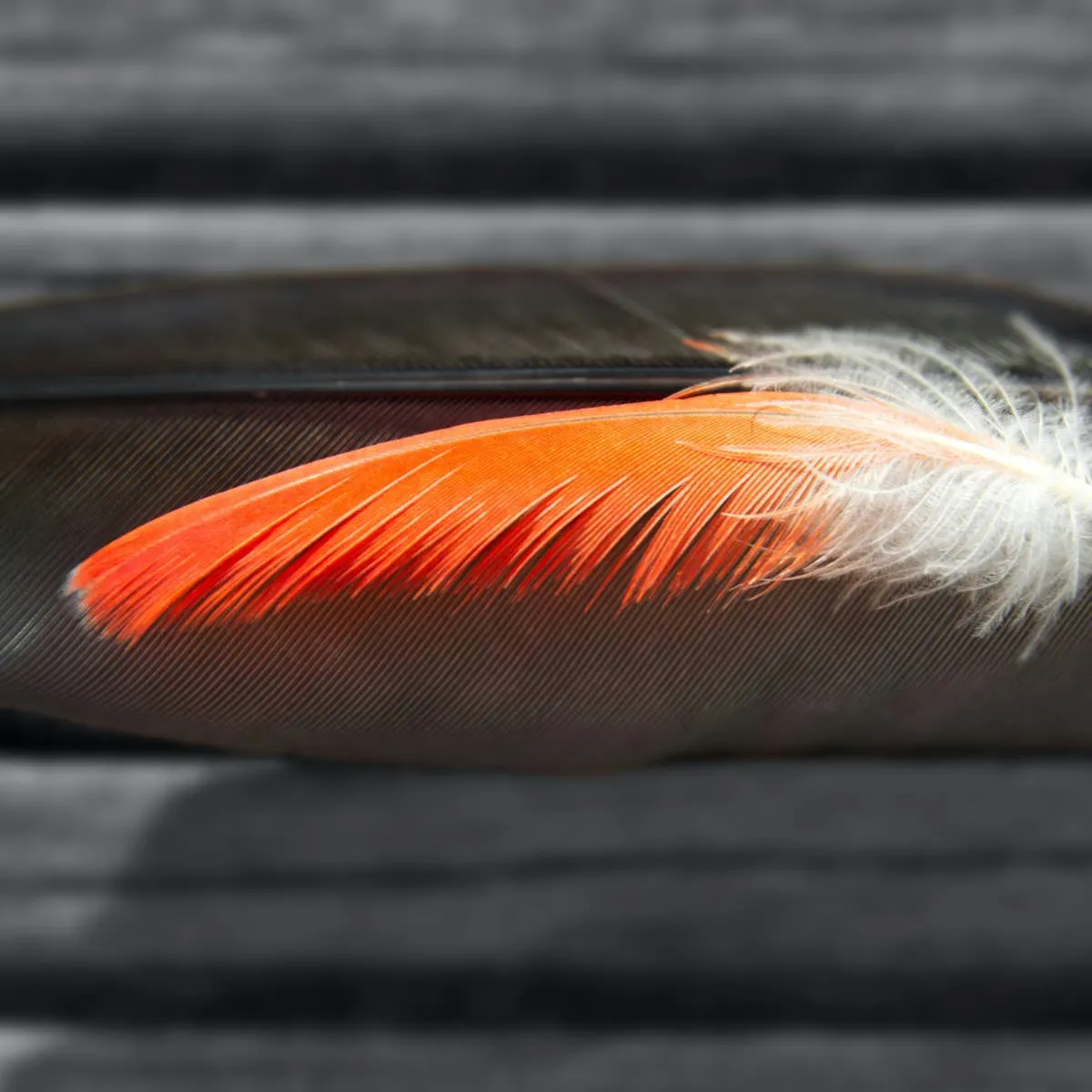
A blood feather, sometimes called a pin feather, is a feather that is still developing. It is characterized by a thick, bulbous base with visible blood supply inside, and it can be quite painful. It is completely normal for birds to have them, particularly when they are molting.
Risks Associated With Blood Feathers
Blood feathers are delicate and prone to breaking. A scare or a collision with an object can cause them to snap. Once broken, they can bleed heavily and, in some cases, lead to death. Stopping the bleeding promptly is critical to prevent the bird from being in danger.
It’s important that you check your bird regularly for blood feathers.
Canva
Precautions
If a broken blood feather is not treated, it can be fatal. Trying to pull a broken blood feather incorrectly can also result in injuries that threaten the bird's life. It is always advisable to consult a veterinarian.
Identifying a Blood Feather
Regular checks of your bird for blood feathers are important. Knowing where they are located makes it simpler to spot a broken one when the surrounding feathers are soaked with blood. Finding the right feather helps you determine where its base is and where the break occurred. The images below, though unpleasant, can assist with identification.
Featured Gallery
1 / 1
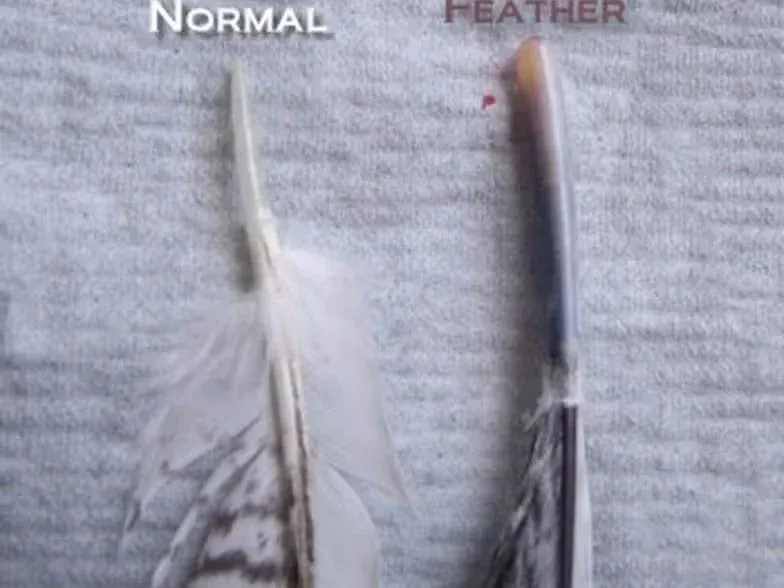
This is an unbroken blood feather plucked from the follicle.
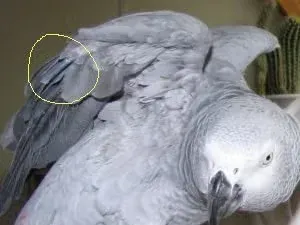
African Grey
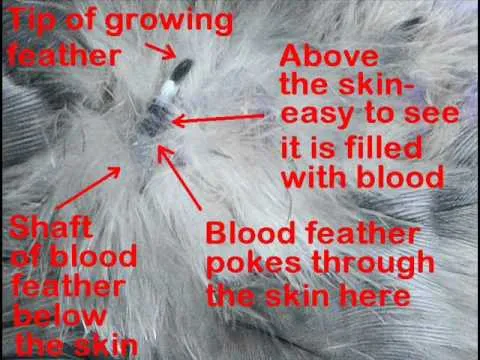
This is a diagram of a blood feather shaft.
Comparing Plucking and Styptic Powder for Bleeding
Styptic powder is a cornstarch-based product (sometimes flour is used instead) designed to stop bleeding in animals. Applying firm pressure to a wound, like a nail bed, causes the blood to clot and the bleeding typically stops. It is not a guaranteed fix, but some people choose it because plucking can be very difficult and doing it wrong might cause additional injury to the bird.
There are two reasons why styptic powder is not my go-to method for stopping bleeding:
- When a bird is hurting and you have it upside down, it will struggle, it will be very distressed, and it is likely in pain from the pressure required to halt the active bleeding.
- The bleeding could restart if the bird knocks into something.
Plucking: More Effective but Challenging for Beginners
Plucking is more difficult, but when performed correctly, it provides a more permanent solution. To pluck the feather successfully, you need to locate it, grasp it at the tip of the shaft, and pull in the direction the feather grows. This should pull the whole feather out of the skin follicle, and the bleeding should cease. If done properly, the feather should remain intact aside from the original break, with a rounded tip where the blood collects.
This article is accurate and true to the best of the author’s knowledge. It is not meant to substitute for diagnosis, prognosis, treatment, prescription, or formal and individualized advice from a veterinary medical professional. Animals exhibiting signs and symptoms of distress should be seen by a veterinarian immediately.