Which Bird Should You Get? A Guide for First-Time Owners
Sam Cooper
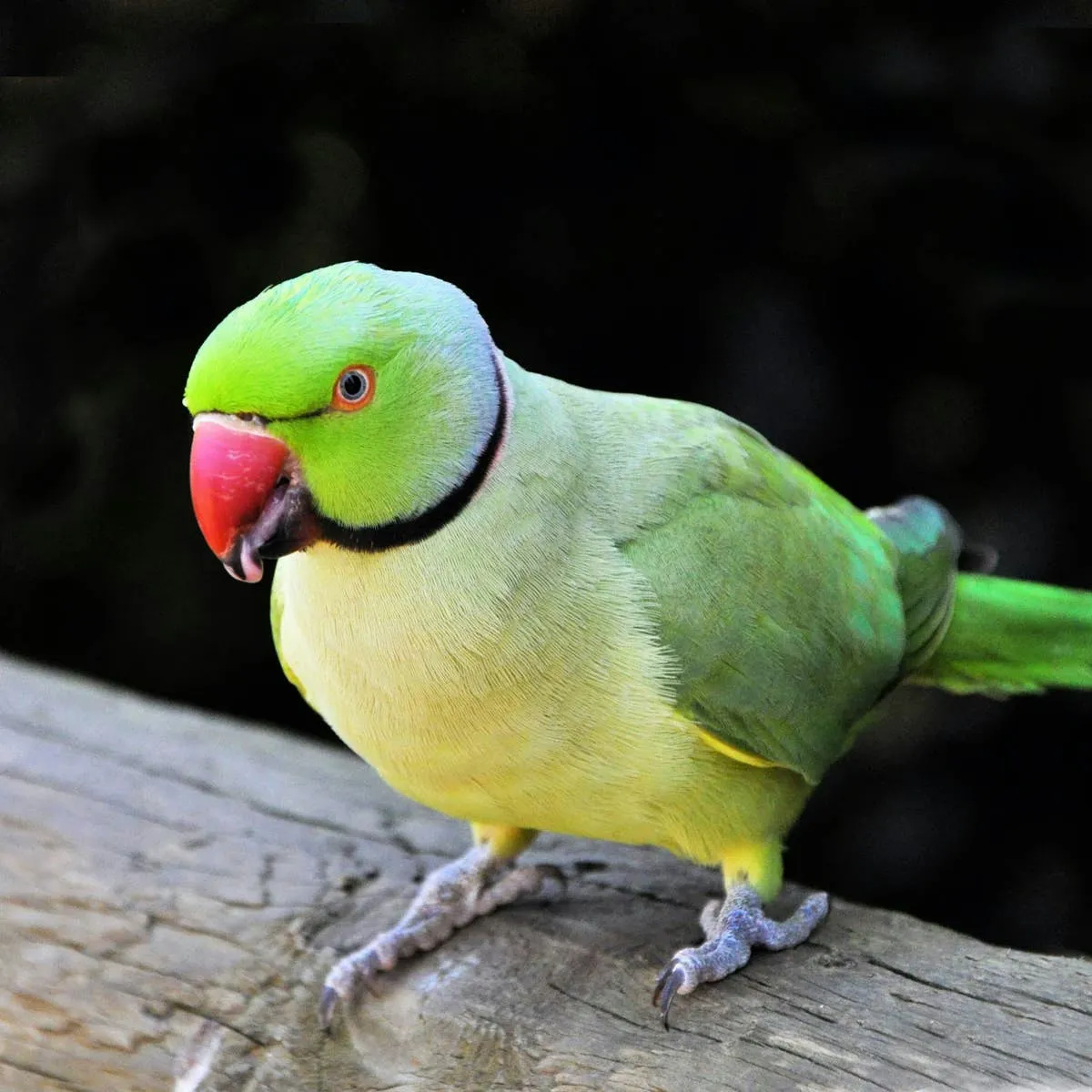
If you're thinking about getting your first bird, three species stand out as good options: parakeets, cockatiels, and lovebirds. These birds are often recommended for people new to bird ownership because they don't require expert-level care, and with proper treatment, they can be affectionate companions for many years. That said, each species has its own distinct traits, so it's worth learning about their differences before making a choice.
Important: This article is not a complete care manual—it's meant to help you decide which bird might suit you. Before bringing one home, make sure you research how to look after it properly.
See also: Bird Ownership Basics
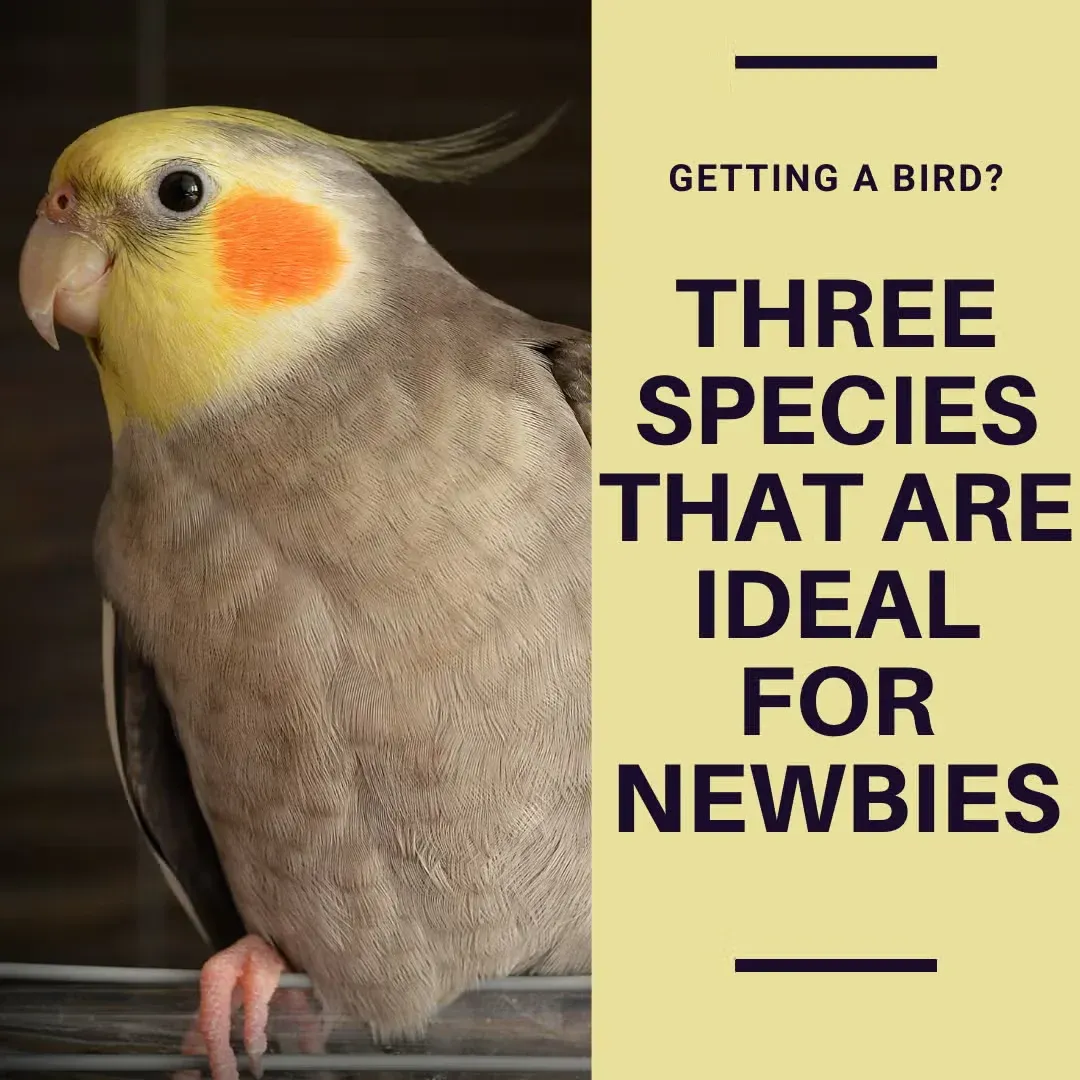
For a budding bird owner, the author recommends three bird species for pets for beginners.
Photo by Sultan on Unsplash
Do Your Homework First
When it comes to choosing a pet, there's no such thing as too much research. Birds are a long-term commitment, and the decision to get one should reflect that. Avoid being the kind of owner who buys an animal and then gives it up for adoption after a few months.
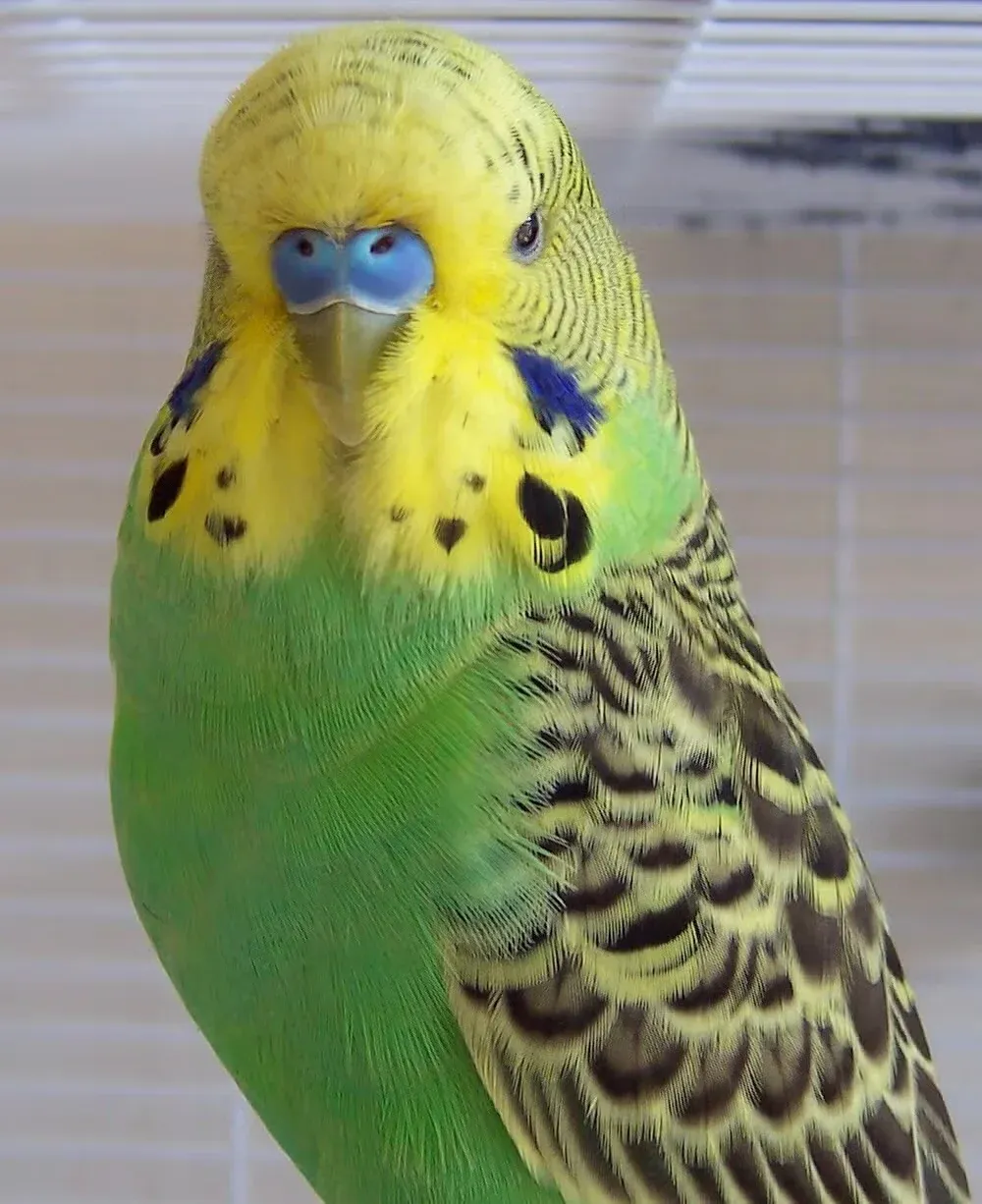
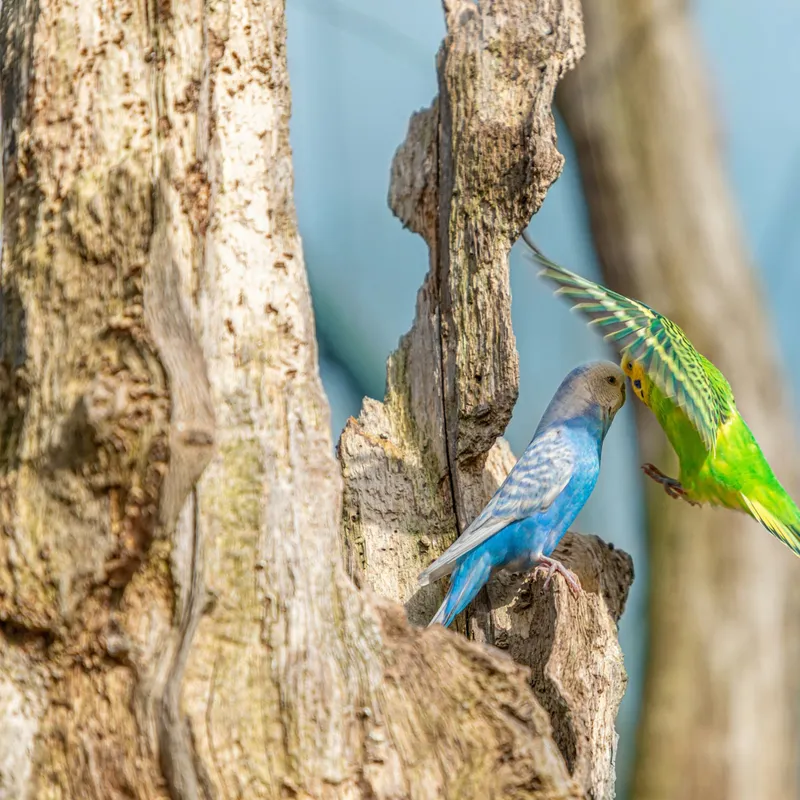
A yellow and green domestic parakeet
Image uploaded by user Althepal to Wikimedia Commons
1. Parakeets
Parakeets are the most frequently suggested bird for first-timers. There are several reasons why many consider them the best choice for beginners:
- They are very easy to care for, even for someone with no prior bird experience.
- With patience and gentle attention, you can build a close bond with your parakeet quickly.
- Parakeets are inexpensive to buy compared to many other birds, making them an accessible option.
- Their diet is straightforward and doesn't cost much.
- Parakeets can learn to mimic human speech, and they're often quite good at it for their size.
Even though parakeets are relatively low-maintenance, they still need daily care and attention—they should never be ignored. Interaction and affection are essential for any bird's well-being. If you can't spend time with your parakeet every day, it's a good idea to get at least two so they can keep each other company.
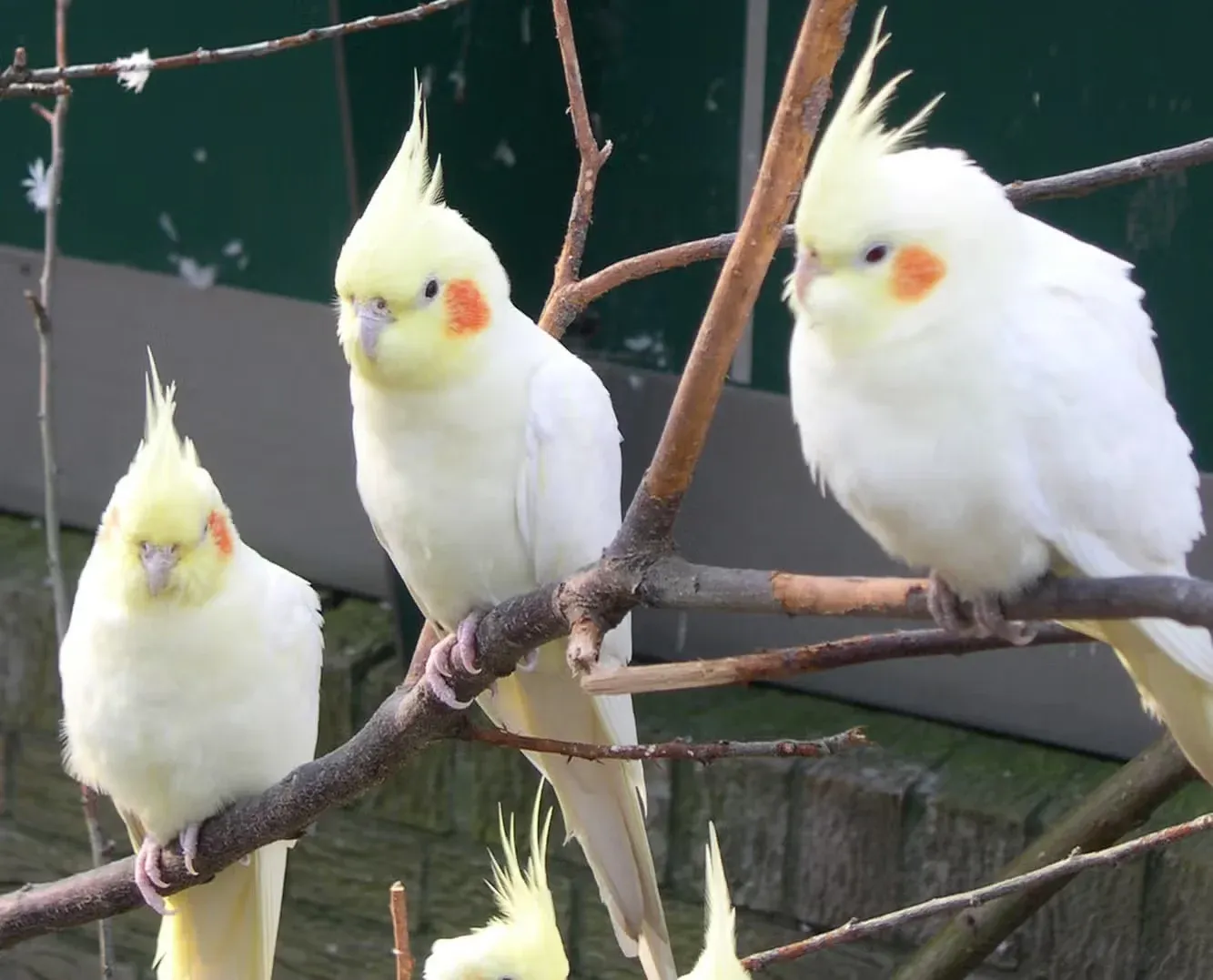
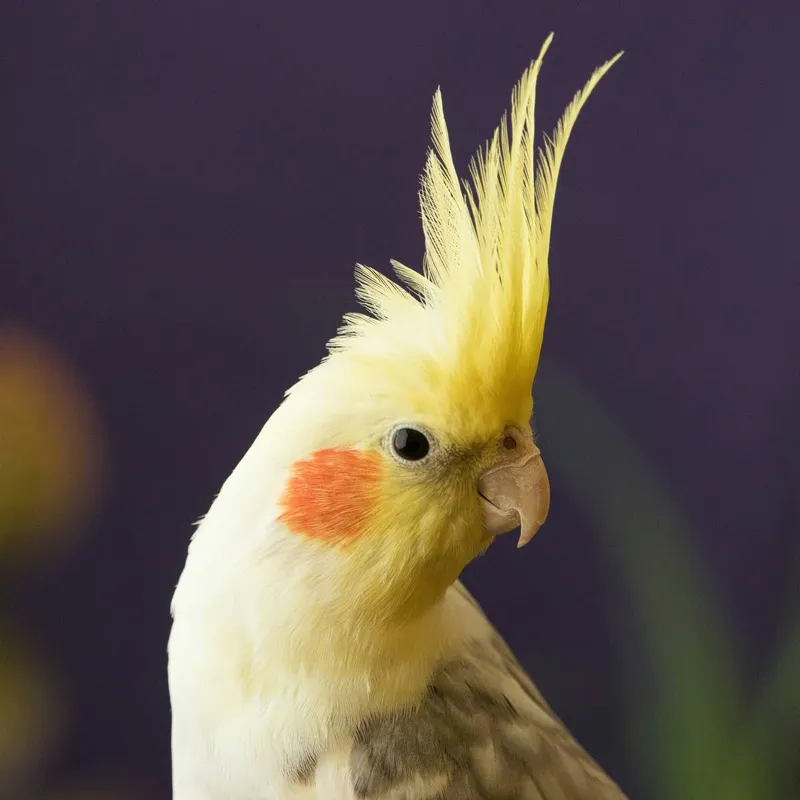
A group of bright yellow cockatiels
Wikimedia Commons
2. Cockatiels
Cockatiels require a bit more care than parakeets. They need a larger cage, and they usually cost more to purchase. Here are some key points to consider if you're thinking about getting a cockatiel:
- Cockatiels can live for over 10 years, so they're a long-term commitment. Only get one if you're prepared for that.
- Their personalities vary widely. You might get a gentle, sweet-natured cockatiel, or you might get one that's nippy and easily agitated.
- Most cockatiels enjoy human company and need as much attention as any other pet.
- Many cockatiels love music and enjoy hearing their owners sing or whistle. Some can even learn to whistle tunes back.
- Cockatiels are generally a bit easier to socialize than parakeets, as long as you're not afraid of the occasional bite.
Like parakeets—or any pet—cockatiels make wonderful companions but require a serious commitment. Always do your own research before buying one.
See also: How to Care for a Wild Baby Bird
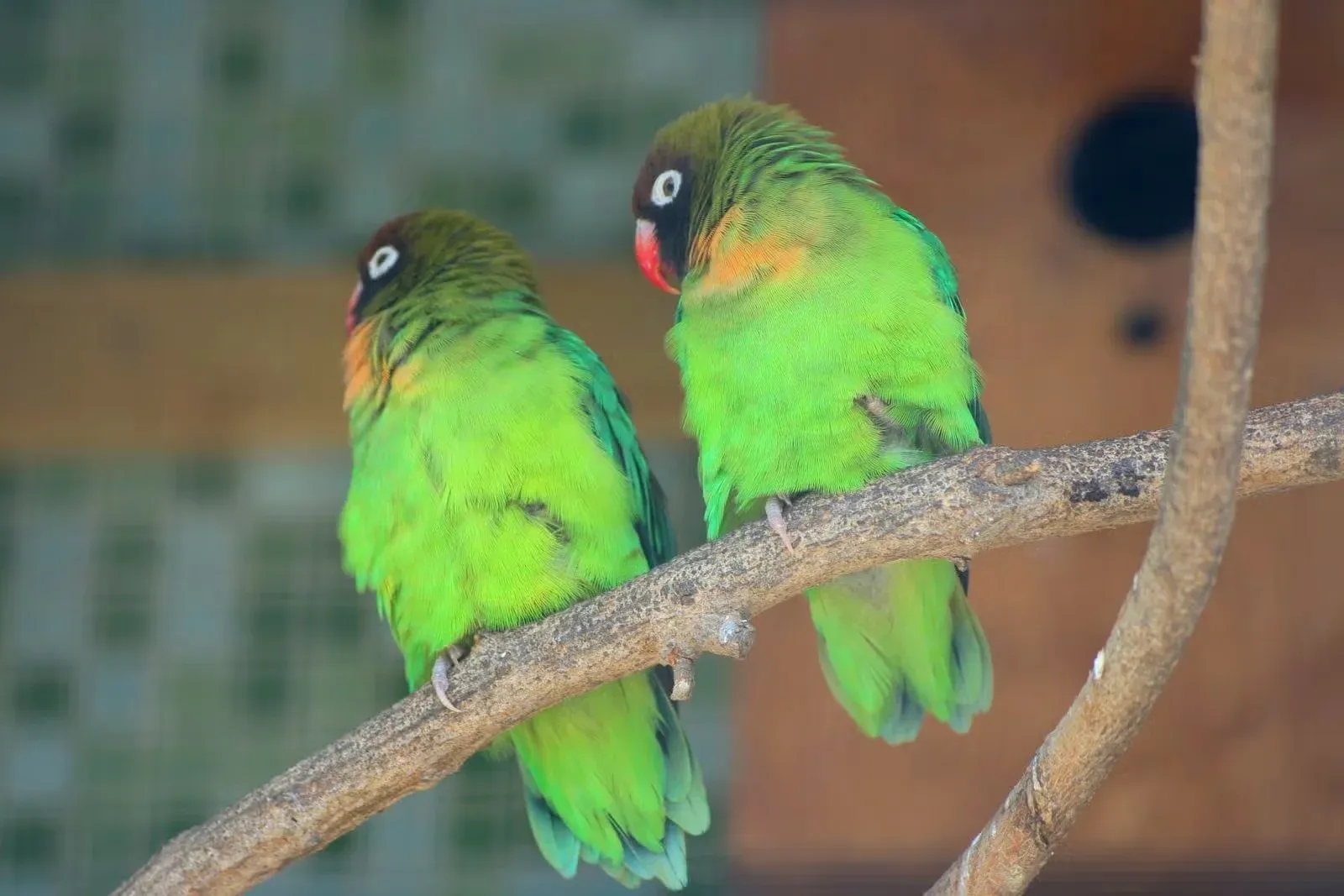
A pair of wild lovebirds
Image By Gediminas (Picasa Web Albums) [CC BY-SA 3.0 (ivecommons.org/licenses/by-sa/3.0)], via Wikimedia Commons
3. Lovebirds
Lovebirds aren't as commonly kept as parakeets or cockatiels, but they can be just as affectionate. The main difference is that they should be kept in male-female pairs because they form very strong bonds, often for life. Here are some other traits that set them apart:
- Lovebirds can be challenging to socialize with people, but that doesn't mean they won't bond with you. When they do, they tend to be extremely affectionate.
- They are very curious and enjoy exploring their surroundings, finding new hiding spots, and investigating new objects.
- Lovebirds are active and need plenty of space to fly, so it's good to let them out of their cage regularly in a safe, hazard-free room.
To repeat: having a mate for your lovebird is very important. Without a partner, lovebirds can become lethargic and depressed, which can lead to serious health problems.