Turning Your Yard Into a Hummingbird Sanctuary: Expert Advice on Earning Their Trust
Harper Kelly
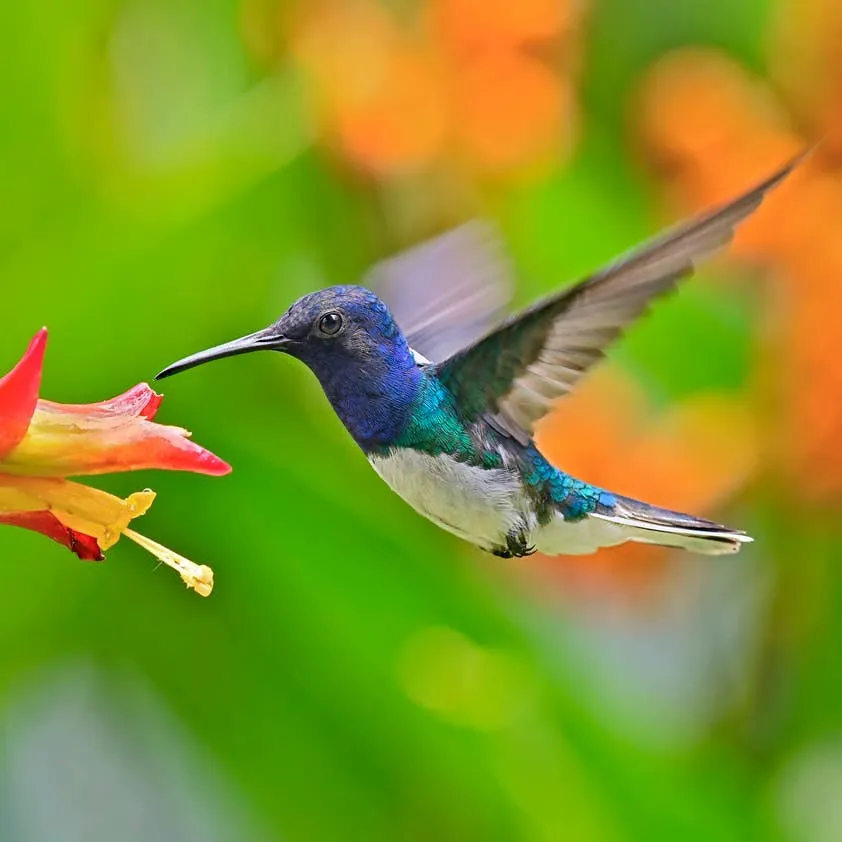
Each year, hummingbirds make their way back to North America, and before long they may appear in your garden or at your window boxes. Their visits are fleeting—often just seconds—as their iridescent wings beat too fast for the eye to follow. If you find yourself captivated by these birds, you might wonder how to encourage them to linger longer or how to bring them to your property in the first place. If that’s your goal, read on to learn how to attract hummingbirds and build a relationship with them.
The good news is that many steps can transform your property into a welcoming refuge for hummingbirds and keep them returning daily. Not only will you enjoy more frequent visits from these charming creatures, but you’ll also provide them with vital food and safety at a time when many hummingbird species are, unfortunately, declining worldwide.
To understand how to gain a hummingbird’s trust and draw these lively birds, we consulted Dr. Crystal Heath, executive director of the non-profit veterinary advocacy organization Our Honor and a devoted hummingbird enthusiast. Below, she shares her insights on these remarkable creatures and her tips for attracting them. Before long, you could have a yard full of hummingbird visitors.
Related: Hummingbird Spring Migration Map: When, Where and How to Catch a Glimpse!
Bringing Hummingbirds to Your Garden
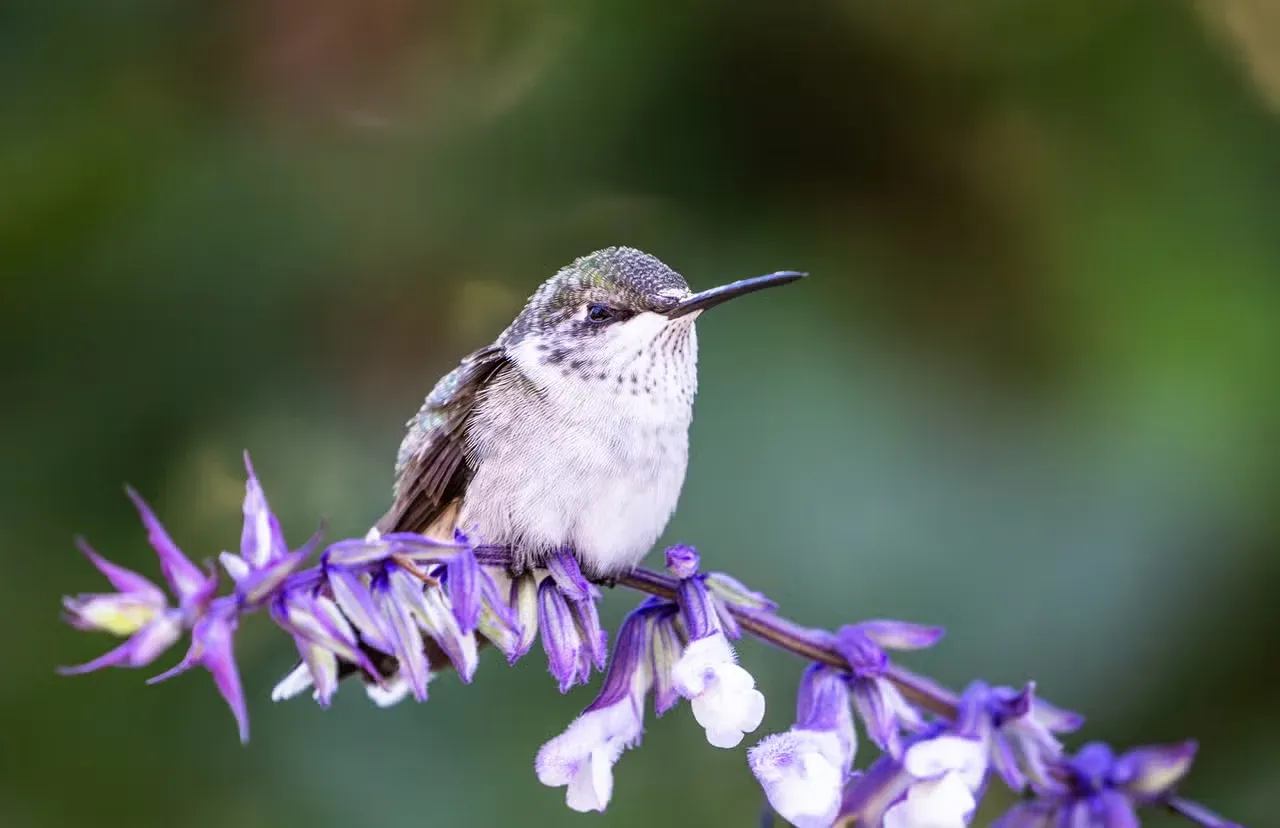
A little hummingbird resting on a purple flower.
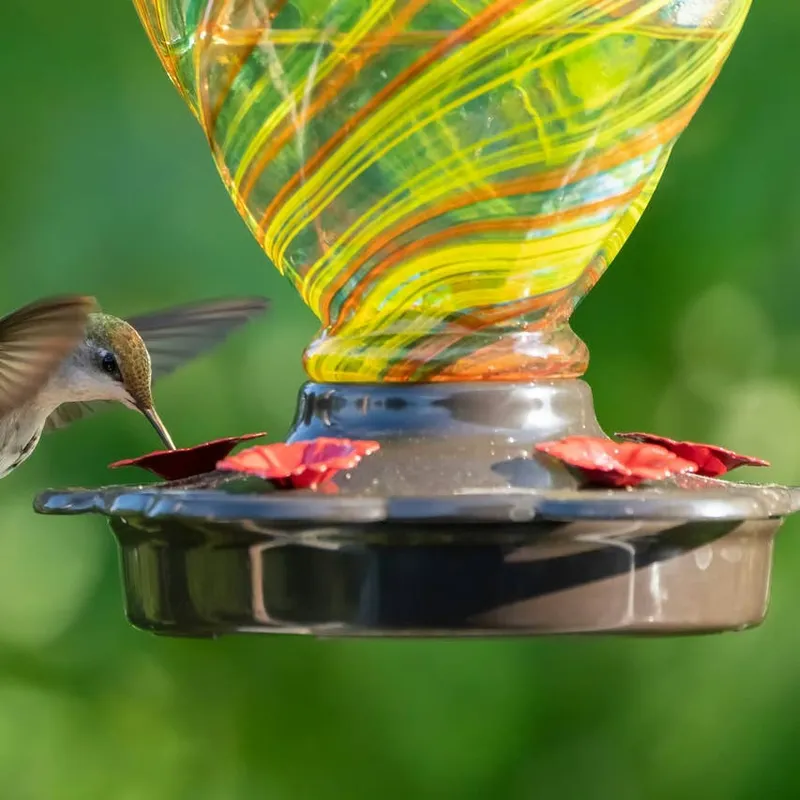
For many animals, the way to their heart is through their stomach, and for hummingbirds, that means nectar. There are two main ways to provide it: setting out specialized hummingbird feeders filled with homemade nectar, or planting nectar-rich flowers that hummingbirds favor—or ideally, doing both.
Key Facts About Hummingbird Feeders
If you’re new to hanging a hummingbird feeder, a few guidelines will help you attract these birds. These cover what to put in the feeder, how to clean and maintain it, and where to position it so your feathered visitors notice it.
Making Hummingbird Food at Home
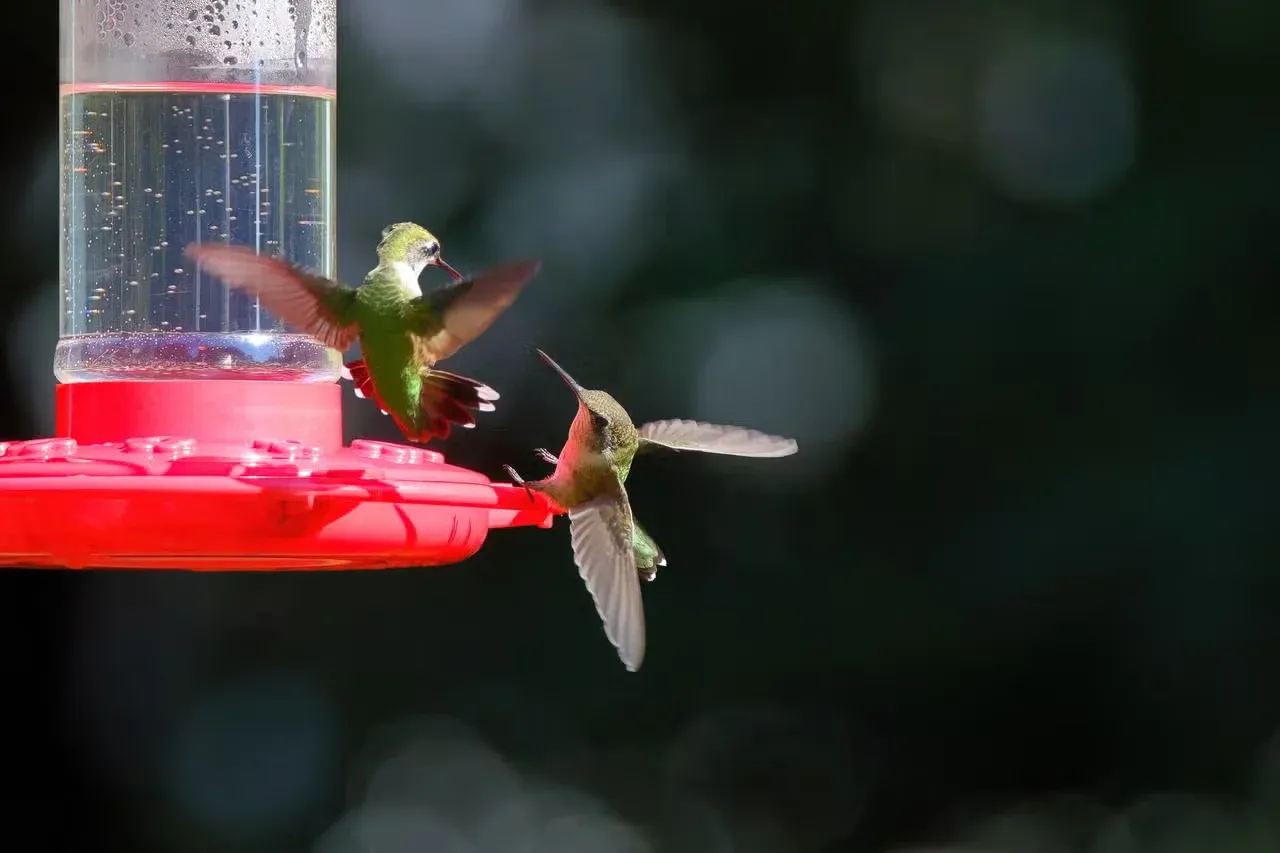
Two hummingbirds meeting at a hummingbird feeder.
Image via Getty Images/Wirestock
Many of us have seen hummingbird feeders stocked with bright red syrup, and if you’ve never fed hummingbirds, you might be tempted to buy a jug of that red liquid. But Dr. Heath says that’s not the right approach. So what should you feed them?
“A lot of people think commercial nectars are better because they have vitamins, but this is not necessarily true,” notes Dr. Heath. “These commercial mixtures have preservatives and sometimes dyes. The red dyed ones are especially bad. Hummingbirds also meet their nutritional requirements from flowers and insects, so the most wholesome food you can provide is plain granulated sugar and water.”
In fact, making healthy nectar without preservatives at home is simple, and once it’s out, it will help draw hummingbirds. “The appropriate mixture is 1 part granulated sugar to 4 parts water (1/4 cup white granulated sugar to 1 cup water),” Dr. Heath reveals. “Do not add any honey, brown sugar, or food coloring. It’s best to heat the mixture until it’s warm to dissolve the sugar, don’t boil it, and then let it cool and fill your feeder. It can be stored in the refrigerator for 1 week.”
Where to Hang a Hummingbird Feeder
Once your nectar is ready, fill the feeder—but where should it go? Dr. Heath suggests placing it at least 10–15 feet from bushes, trees, or other plants, and at least 4–5 feet above ground. This keeps hummingbirds safe from predators like cats and away from potentially territorial birds nesting above. Also, try to keep the feeder at least 5–10 feet from your house, especially windows; if that’s not possible, Dr. Heath advises adding “decals, screens, or UV film” to the glass to prevent collisions.
While you want distance from trees, look for spots with partial shade, as Dr. Heath notes this helps prevent the sugar from fermenting and becoming moldy—unless it’s very cold, in which case full sun might stop the nectar from freezing. Even in ideal conditions, nectar will eventually spoil, so knowing how to clean feeders is crucial.
Cleaning Hummingbird Feeders
“Feeders should be cleaned every 2-3 days in warm weather, or more often during heatwaves, and 4-7 days in cold weather,” advises Dr. Heath. “Always empty out the old nectar. Rinse with hot water, use a bottle brush for the reservoir and a small pipe cleaner for the feeding ports. You should also scrub the underside of the base and threads where mold can hide.”
What should you use to clean them? Dr. Heath strongly cautions against bleach or soap unless absolutely necessary, because hummingbirds are highly sensitive to chemical odors. For routine disinfection, she says the safest method is a mix of 1 part white vinegar to 4 parts hot water, soak for an hour, then scrub and rinse until the vinegar smell is gone. If mold is present and bleaching is unavoidable, you can use a very, very diluted bleach solution.
“Another option, only when mold is present, is to use 1 tsp bleach to 1 qt. water, soak for 10-15 minutes, rinse extremely well, and allow to dry to allow chlorine to off-gas,” Dr. Heath tells us. “Bleach is only safe when thoroughly rinsed.”
Should You Leave Feeders Out in Winter?
These guidelines work for much of the year, but when temperatures drop below freezing, things change. A frozen feeder is useless to hummingbirds, so if you can’t prevent the nectar from freezing, it’s better to take feeders down until it warms up. But are there ways to keep them out in the cold?
“Some people use 1 part sugar to 3 parts water in the winter to prevent freezing, but this should not be used long-term because it can alter the bird’s hydration,” explains Dr. Heath. “You should return to a 4:1 [ratio] once temperatures rise above 28–30°F.”
Another option is heated feeders designed to keep nectar liquid, but this comes with warnings. “There are heated bird feeders that are available, but you should never use lights or lamps, as these can be dangerous and melt the plastic,” says Dr. Heath. “If you can’t keep the nectar from freezing, it’s better to take it down than leave out a frozen one.”
Flowers and Plants That Draw Hummingbirds
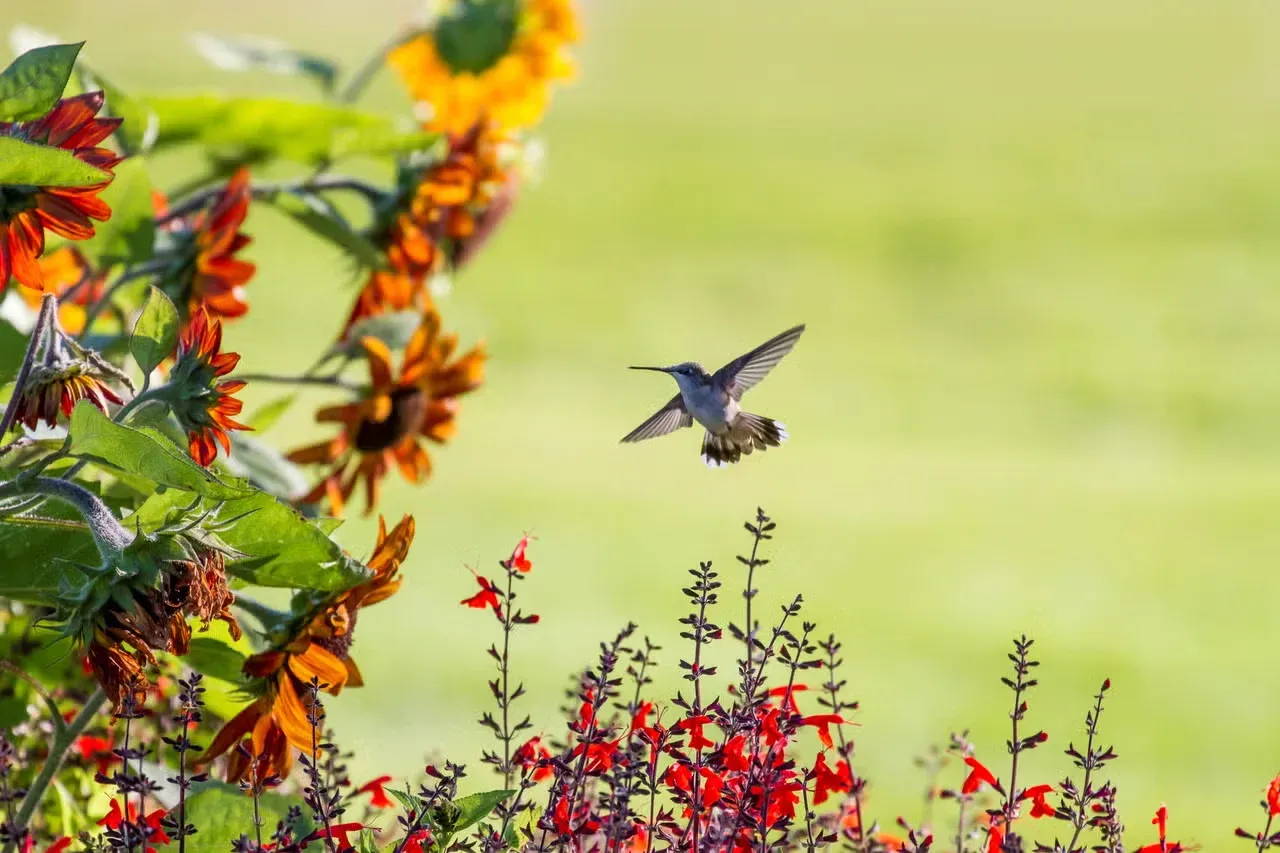
A hummingbird flying towards a floral garden.
Image via Getty Images/Straublund Photography
Another way to bring birds to your yard is by offering a variety of nectar-rich, hummingbird-friendly flowering plants. But with hummingbirds, it’s not just about nectar: the colors and shapes of the flowers you plant can greatly influence your garden’s appeal.
“Hummingbirds are most strongly attracted to flowers in vivid red, orange, and bright pink hues, which stand out clearly to their visual system and are highly visible during fast flight,” Dr. Heath shares. “While hummingbirds will visit a range of colors, including purple and yellow, red flowering plants tend to receive the most frequent visits, especially when clustered together. These birds are especially drawn to tubular or trumpet-shaped flowers that match the length and curvature of their bills and tongues, allowing efficient access to nectar while excluding many insects.”
As always, native plants are best not only for attracting and feeding native wildlife but also for supporting your local ecosystem. If you live in North America, some top native flowers include:
- Bee Balm
- Salvia
- Penstemon
- Trumpet Vine
- Coral Honeysuckle
- Cardinal Flower
“These flowers are particularly effective because they evolved alongside hummingbirds and reliably produce nectar with the sugar concentration hummingbirds prefer,” states Dr. Heath. “Using native plants with overlapping bloom times throughout the year creates a continuous nectar source and consistently attracts hummingbirds while also supporting the insects they rely on for protein.”
Other Ways to Create a Hummingbird-Friendly Garden
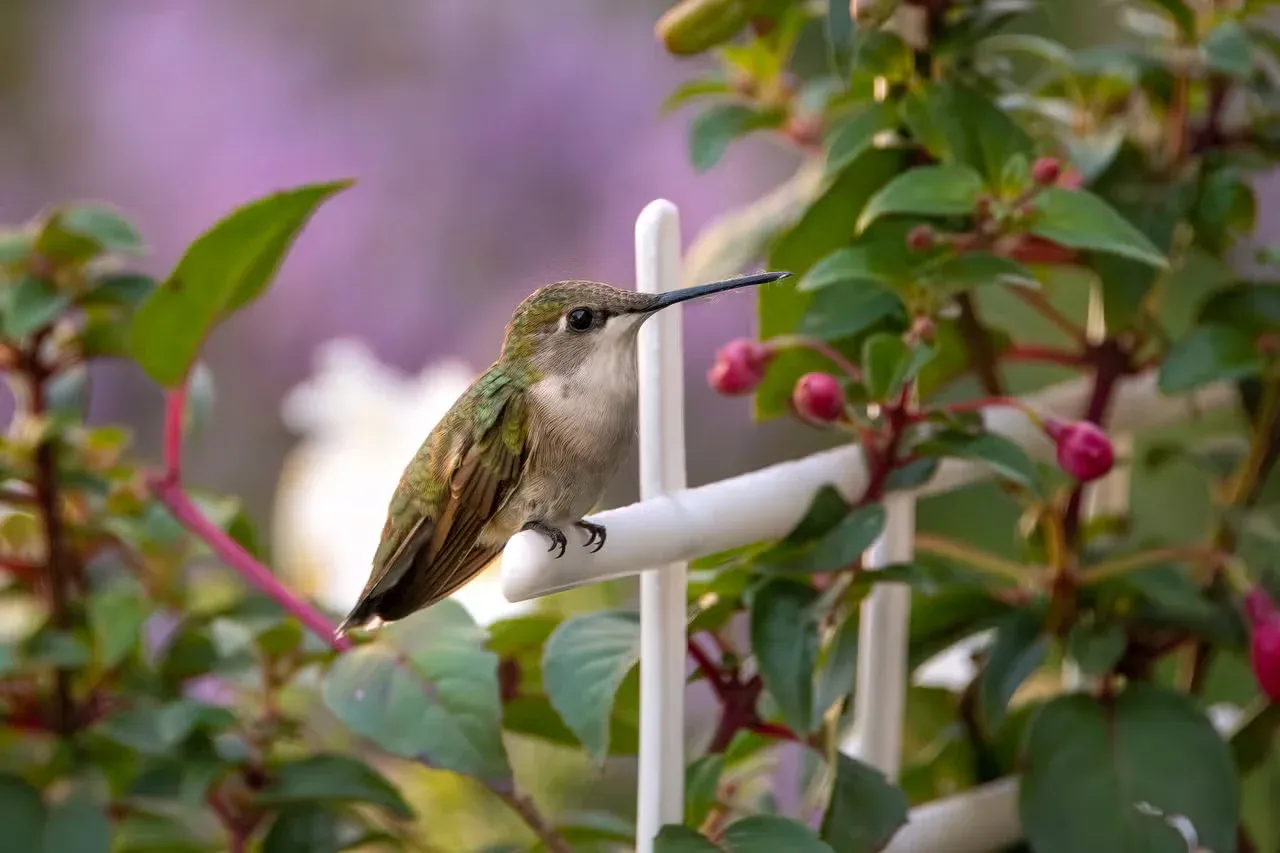
A hummingbird perched on a little white garden fence.
Image via Getty Images/Tammi Mild
While you might choose to use only man-made feeders or skip them entirely in favor of native plants, Dr. Heath’s ideal hummingbird garden combines both—though she stresses the importance of natural food sources.
“A hummingbird-friendly yard is created by prioritizing diverse native flowering plants that provide nectar across multiple seasons, ensuring that food is available from early spring through late summer or fall, depending on the region,” Dr. Heath suggests. “Supplemental feeders can be useful during migration or periods of limited blooms, but they should contain only a white sugar and water solution and be cleaned frequently to prevent harmful microbial growth.”
Of course, making a safe and inviting place for hummingbirds involves more than just providing the right food at the right time. To make your yard the best it can be for hummingbirds year-round, here’s what to do:
Provide Resting Spots
Although we rarely see hummingbirds sitting still for long, these energetic birds need safe places to rest their wings. In addition to the flowering plants mentioned, Dr. Heath recommends planting “a mix of shrubs, perennials, and small trees” where hummingbirds can perch and rest between feeding bouts.
Offer Fresh Water
A bird bath might suit larger birds, but hummingbirds are tiny, and a typical backyard bath may be too deep for them to use safely. Dr. Heath instead suggests hummingbird-safe options like fine misters and shallow moving water features to “[support] bathing and feather care without increasing drowning risk.”
Keep Your Garden Organic
“Avoiding pesticides and herbicides is essential because hummingbirds rely on insects for protein and are extremely sensitive to chemical exposure,” Dr. Heath explains. It can be tough when pests eat your favorite plants, but there are less harmful organic options. The National Audubon Society recommends low-impact organic products like neem oil or pyrethrum to deter bugs, though even these should be used sparingly.
Keep Cats Indoors
While people love cats, cats unfortunately don’t love the local ecosystem, and free-roaming cats have contributed to the decline of many native bird species—including hummingbirds—by billions of birds each year in the United States alone.
“Preventing cat predation is also critical, as free-roaming cats are a leading cause of bird injury and mortality,” Dr. Heath stresses. “Keeping cats indoors, using enclosed outdoor cat patios, and placing feeders and flowering plants away from fences, shrubs, or structures that allow ambush reduces the risk of attacks. These combined practices create a safer environment that supports hummingbird health and survival while also benefiting other native wildlife.”
Should You Try Hand-Feeding Hummingbirds?
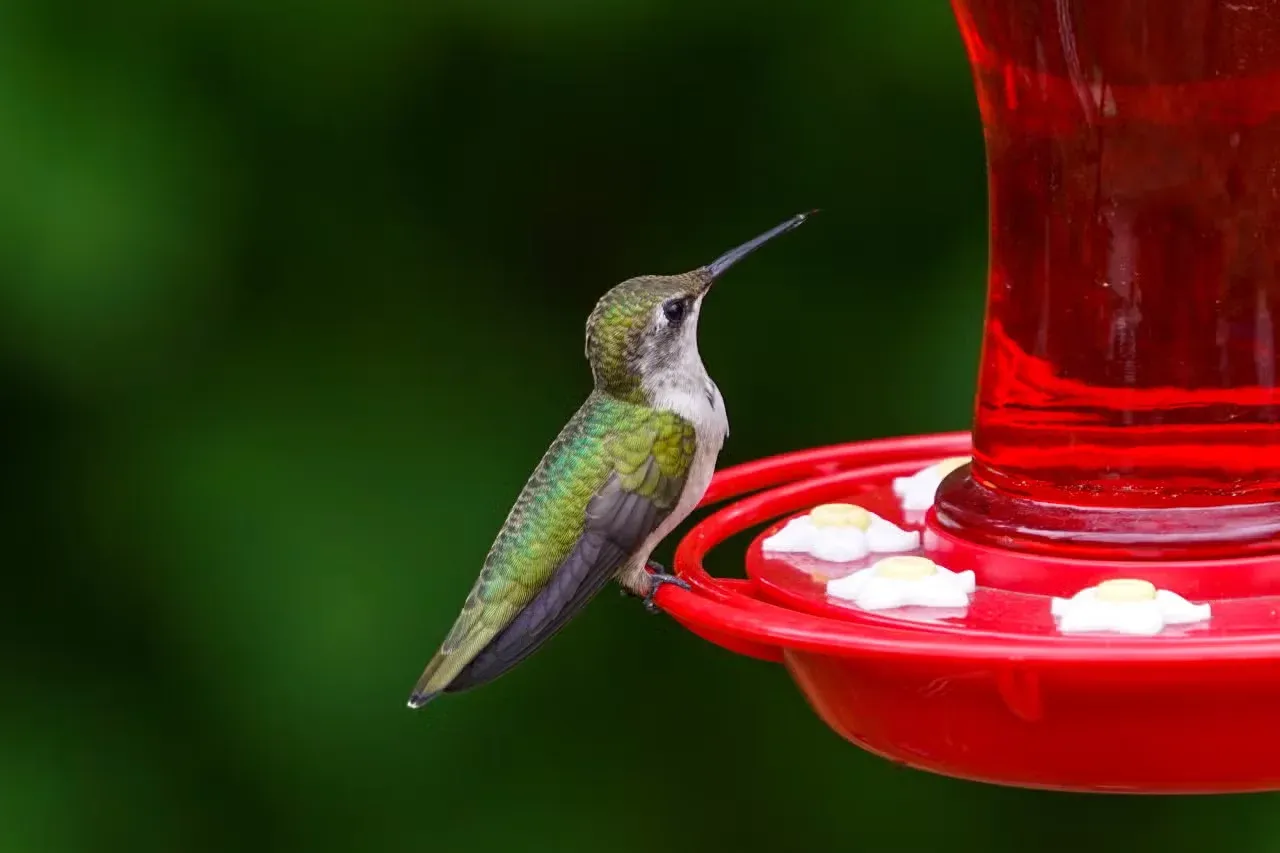
A hummingbird resting on a feeder.
Image via Getty Images/xphotoz
If you succeed in creating a thriving hummingbird garden, you might be tempted to train the birds to eat from your hand, Disney Princess-style. It’s a charming image. But Dr. Heath says it’s not a good idea. In fact, she says that if you truly want to be a friend to hummingbirds, you should give up the idea of hand-feeding them.
“Regular hand-feeding can habituate hummingbirds to people, increasing their risk of injury from human activity and reducing their natural wariness of predators,” says Dr. Heath. “Close contact also increases the likelihood of disease transmission and often leads to improper nectar concentration or poor hygiene, both of which can seriously harm these birds. Hummingbirds have extremely high metabolic demands, and even brief disruptions in normal feeding behavior can lead to rapid energy depletion and stress.”
There are exceptions. Dr. Heath notes that hand-feeding is sometimes a necessary, temporary measure for rehabilitating injured or orphaned hummingbirds. However, she stresses this should only be done under controlled conditions with precise nutrition and minimal handling by licensed wildlife experts—not by someone without specific training.
“Hand feeding hummingbirds is generally not considered safe or appropriate for the public and should be avoided outside licensed wildlife rehabilitation settings,” Dr. Heath emphasized. “For the general public, providing clean feeders, native flowering plants, and safe habitat supports hummingbirds effectively without the risks associated with direct feeding.”
Can a Hummingbird Be a Pet?
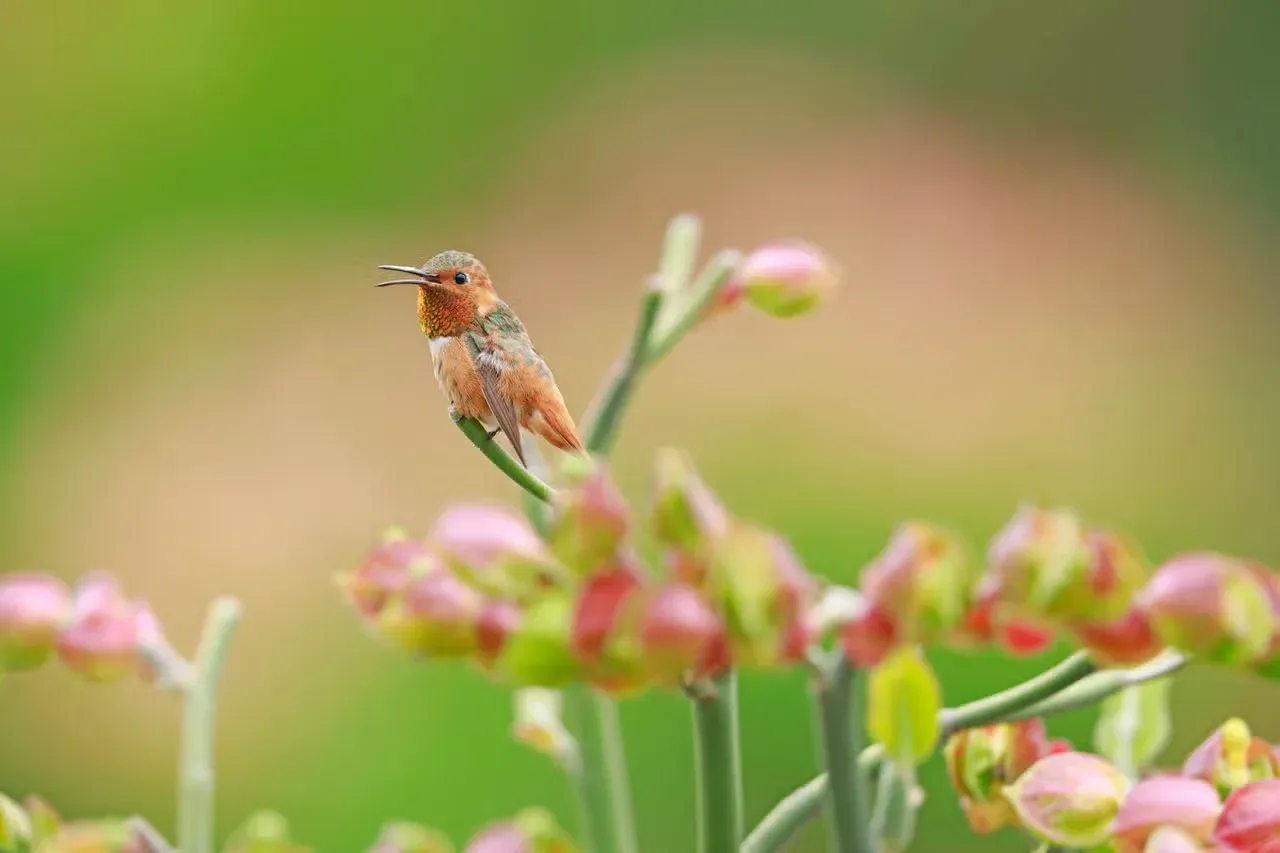
A tiny Allen’s hummingbird perched on a flower.
Image via Getty Images/Nobuo Iwata
By now, it should be clear that if hand-feeding a hummingbird isn’t safe or ethical, keeping one as a pet isn’t either. Since hummingbirds are often illegally traded in wildlife trafficking, it’s important to explain why keeping one as a pet is a bad idea.
“In the United States, all native hummingbird species are protected under federal wildlife law, which makes it illegal to capture, possess, confine, transport, or sell them without specific federal permits issued for scientific research or licensed rehabilitation,” Dr. Heath explains. “Even well-intentioned attempts to keep a hummingbird temporarily can result in fines or criminal penalties.”
But suppose you’re not deterred by the potential consequences of violating the Migratory Bird Treaty Act—which can mean up to six months in jail or fines as high as $15,000. Even then, keeping a pet hummingbird would be ill-advised, to say the least.
“Beyond the legal restrictions, hummingbirds are biologically incompatible with captivity,” Dr. Heath reveals. “They have one of the highest metabolic rates of any animal and must feed frequently throughout the day to avoid starvation. Their bodies are adapted for near constant flight, and confinement quickly leads to muscle loss, extreme stress and physiological failure. Aside from that, hummingbirds also require a highly specialized diet that includes precise nectar composition and live insects for essential nutrients, which is extremely difficult to replicate safely outside professional care. Plus, handling hummingbirds alone can trigger them to go into shock or metabolic collapse, making captivity dangerous, even over short periods.”
To love someone or something is to consider their best interests, and if you truly love hummingbirds, the best thing is to let them be free. After all, if you want to see hummingbirds daily, there’s no need for captivity when you can create the perfect open-air hummingbird haven in your backyard. You’ll be rewarded with many happy hummingbird visits, and the birds will live as nature intended.
Source:
Dr. Crystal Heath, the executive director of the non-profit veterinary advocacy organization Our Honor