Canary Health: A Comprehensive Guide to Recognizing and Managing Illness
Logan Walker
Is Your Canary Unwell?
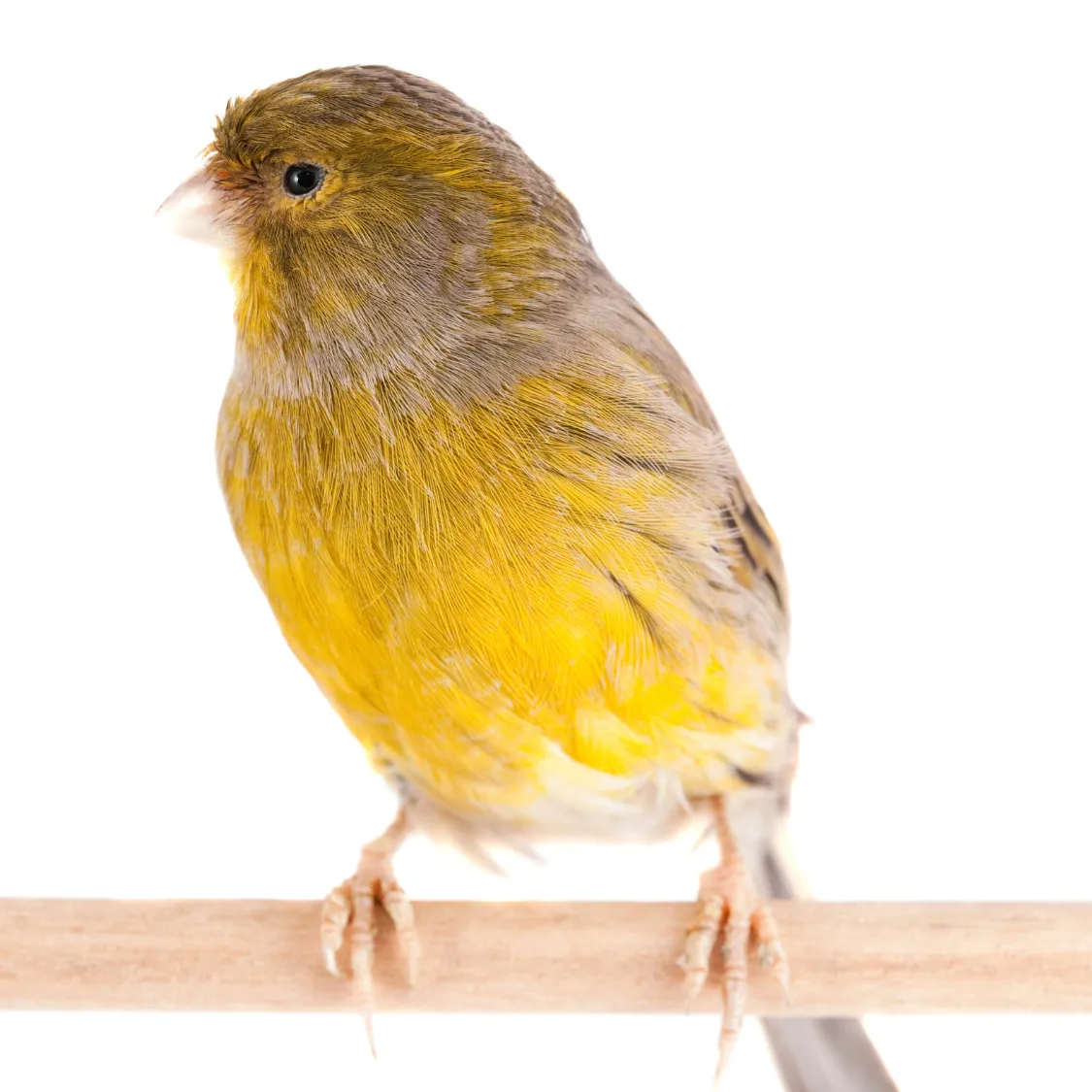
Keeping a canary healthy means being informed about the illnesses that can affect it. Preventative care includes learning about diseases and providing proper nutrition and attention. Yet, even with excellent care, a canary may still become ill.
If you think your canary is sick, it is crucial to seek advice from an avian veterinarian. Their expertise can help you treat your bird and support its recovery. The Association of Avian Veterinarians offers a "Find a Vet Form" as a resource to locate a qualified professional.
Distinguishing a Healthy Canary from a Sick One
Start by learning to tell the difference between a healthy canary and one that is unwell.
What a Healthy Canary Looks Like
- Moves actively and with ease.
- Feathers are smooth, glossy, and lie flat against the body.
- Seeks out food on its own.
- Quickly picks up seeds, shells them, and eats.
- Eyes are bright, and the head is held up straight.
- Sings a clear, sustained song.
- Belly is pink, and the chest is well-muscled.
- Droppings have two colors: white on the bottom, black on top.
Signs of a Sick Canary
- Lacks agility.
- Appears sad or listless.
- Head is drooped, often tucked under the wings.
- Feathers are puffed up, and wings are held loosely.
- Barely moves.
- Refuses food.
- May sleep near the food dish.
- Struggles to eat seeds.
- Belly skin is thin and see-through.
- Droppings are watery and lack the usual two-tone appearance.
Three Main Categories of Canary Diseases
Canary illnesses fall into three groups:
- Contagious
- Parasitic
- Organic
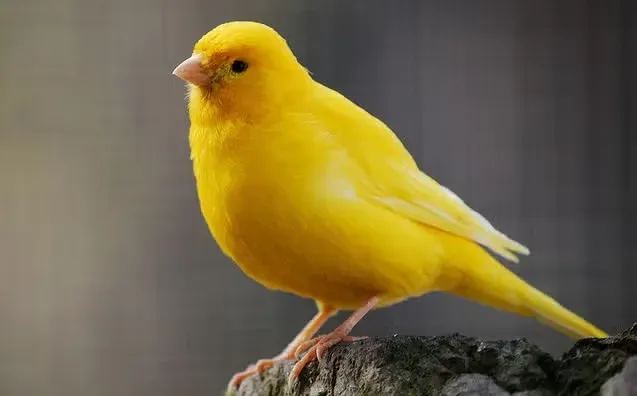
Read up on canary diseases so that you can recognize symptoms in your pet early.
1. Contagious Diseases
Cholera
Cholera is the most dangerous and widespread disease, spread through food, clothing, shoes, and similar items. It is caused by bacteria. Symptoms include loss of appetite, thirst, drooping wings and tail, diarrhea, and very foul-smelling droppings. The disease often runs its course in two to four days, after which the canary dies. If you have multiple birds, upon diagnosis, separate the healthy from the sick. For deceased birds, sprinkle lime over cages, nests, and other items, bury them deep, and disinfect and clean the room thoroughly.
Cholera is not always fatal: if the illness is prolonged, remove perches from the cage and provide hot sand for the canary to lie on. Offer oat porridge and replace water with chamomile tea. Treatment with sulfonamides diluted in water or chloramphenicol may be options. The disease is considered over if the canary survives and remains alive two to three weeks after the first symptoms.
Diphtheria
After infection, the canary becomes tired, moves little, stops eating, and loses weight. The beak is often open, breathing is labored, and swallowing is difficult. Droppings are yellowish and liquid. There are two forms: skin diphtheria (a pox) and internal diphtheria. For skin diphtheria, treat scabs 2–3 times daily with glycerin and pig fat; once softened, apply iodine tincture. Internal diphtheria is harder to treat: use a knife to remove yellow scabs in the mouth, then apply a mixture of iodine and glycerin with cotton wool. If multiple birds are present, separate the healthy from the sick and disinfect the room.
Tuberculosis
Tuberculosis is not very common and usually spreads through droppings. Feathers lose their sheen, the canary loses weight, and joints become swollen. It is fatal but progresses slowly, lasting two to eight months. Euthanizing affected birds is often recommended, though it is emotionally difficult.
Plague
Similar to cholera, signs appear 3–5 days after infection, and death occurs after 2–4 or 6–8 days. The bird is sleepy, breathes heavily, droops its wings, and walks clumsily. Eyes are closed, and it is semi-conscious. Destroying sick birds and disinfecting cages is best. However, vaccination with a dead vaccine may offer a chance of recovery if done carefully. Isolation and proper care can also lead to recovery.
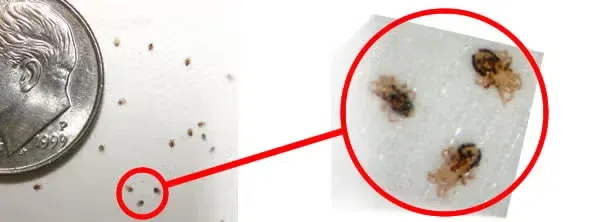
Bird mites.
2. Parasitic Diseases
Canary Lice (Louse, Fleas)
A canary with lice is quiet during the day but becomes active and jumpy at night. If you shine a light into the cage at night, you can see lice moving around. You can also spot them by covering the cage with a white cloth; they will crawl onto it.
Preventing lice is a top priority for canary owners. They are not harmless and are very hard to eliminate once established. When detected, immediately disinfect and dust the bird with plain wood ashes. Move canaries to clean cages, and submerge infested cages in boiling water with a little soda.
Etiol can be used to wipe cages: dissolve a small spoonful in a few liters of water—the solution must not be strong, as it can harm the canary. Let disinfected cages dry for a few days before returning the birds. Replace perches.
3. Organic Diseases
Diarrhea
Diarrhea is caused by excessive vegetables, fruits, and spoiled seeds. The canary shivers, sits on a perch, and may vomit; severe cases can lead to death from spasms and nausea. Treatment: first, separate healthy and sick birds and disinfect cages. Give black coffee instead of water. Offer poppy seeds along with healthy seeds. Avoid vegetables, fruits, and eggs. If this fails, administer aureomycin and terramycin dissolved in water at 0.5–1.0% or mixed with soft food for 1–3 days.
Obesity
Obesity results from unhealthy food. Affected canaries have a yellow fat layer and are unhappy, clumsy, and quiet. Move them to larger cages for more space and feed them millet, French beans, and parsley.
Constipation
Constipation is caused by improper nutrition. Treat with boiled eggs, poppy seeds, and similar foods. Replace water with chamomile tea or carrot juice. If this doesn't help, give a drop of castor oil on a cracker.
Spasms
Spasms can be triggered by fear, temperature changes, rich food, or unsatisfied sexual drive. Typically, the canary becomes upset, shivers, and falls to the ground. However, it could be brain damage or epilepsy, which has no treatment and leads to death within a few days. If it is spasms, treatment is simple: place the canary in a quiet room, feed lighter foods, and give chamomile tea instead of water.
Pneumonia
Pneumonia is caused by cold, drinking cold water, bathing in cold water, drafts, tobacco smoke, furnace smoke, and kitchen vapors. The bird has a fever, shivers occasionally, is in low spirits, and has no appetite. Provide a well-heated, well-lit room with fresh air. Food should be varied and high quality. Clean crusts around breathing holes with cotton wool soaked in chamomile tea and sometimes rub with olive oil. In severe cases, add small amounts of antibiotics and sulfonamide to drinking water.
Brain Damage or Concussion
Canaries are easily frightened and may fly into windows and walls if they escape, sometimes causing injury. A concussion causes feathers to bristle, the beak to turn blue, and death. Nothing can be done in that case.
Festering of the Sebaceous Gland
Canaries often molt abnormally, sometimes due to inflammation or festering of the rump gland. Affected birds lose appetite and appear unhappy. Provide larger cages for more movement, frequent bathing, and a diet rich in vegetables and minerals. It is recommended to express the fester, but it must soften first. To do this, apply warm oil to the area; once softened, gently squeeze. Afterwards, disinfect with alcohol-soaked cotton wool.
Poisoning
Birds can be poisoned by lead, zinc, or copper, usually from metal food and water containers, or by pecking fresh paint, inhaling smoke and carbon monoxide, or exposure to household chemicals. Signs include shivering, spasms, paralysis of wings and legs, loss of appetite, ruffled feathers, and general unhappiness.
Treatment for poisoning: First, change the cage and water containers, and give the bird a drop of milk, egg white, oat porridge, or linseed mucus. Then give 2 drops of castor oil to promote elimination. It is advised to give 2–3 drops of coffee to strengthen the heart. Repeat for a few days until the bird regains strength.
Disruption in Laying Eggs
Healthy, well-fed females should not have trouble laying eggs, but sometimes they lay eggs with soft or unformed shells, which can be fatal if breeding continues. First, strengthen the diet, especially minerals—lime, earth, eggshells, and sand can help. Treatment often yields results. A few drops of cold water in the beak can stimulate the uterine tube. If that fails, inject 2–3 drops of olive oil into the cloaca. Some breeders say pecking apples and bacon can help.
Eye Diseases
Common eye issues include eyelid inflammation, cataract, and inflamed cornea. In any case, identify the cause before treating. Inflammation can be treated by washing the eyes with chamomile tea, then applying an appropriate antibiotic. Keep the bird in a peaceful, quiet place.
Always Consult Your Veterinarian
Overall, canaries can contract many diseases, but these are the most common ones. This list is fairly detailed, though the descriptions are not. It can serve as a first line of defense, but for serious cases, visit an avian vet. Treat your birds well, and like all animals, they will return your love and happiness many times over.
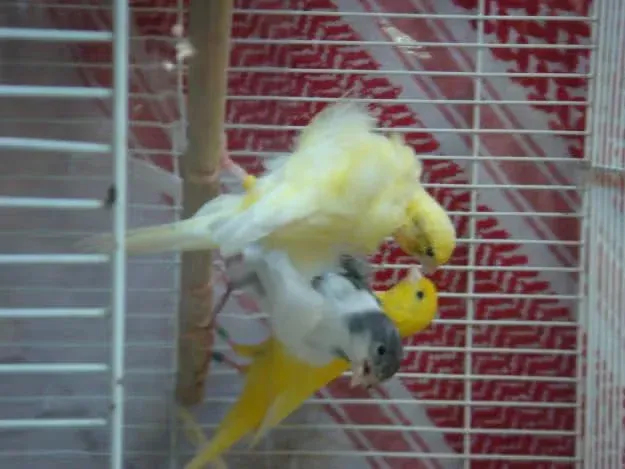
Make sure to take your canaries to an avian vet if you’re concerned about their health.
References and Further Reading
- 3 Ways to Spot Signs of Illness in a Canary | wikiHow If you’re worried that your canary is ill, it is important to act quickly. Canaries are vulnerable to many conditions, including canary pox, air sac mites, and egg binding. Keep an eye on your canary for any changes in behavior.
- Recognizing the Signs of Illness in Pet Birds | VCA Animal Hospitals In the wild, a bird will endeavor to uphold a strong appearance when sick. This is called, survival of the fittest. Therefore, bird owners must learn to recognize the subtle signs a bird presents when unhealthy before it is too late.
- Canaries – Common Diseases | Beauty of Birds When buying new birds – whether it is a canary or any other bird – these are the signs we should be looking for before we spend our hard-earned money.
- Canary Lice – Prevention and Treatment | AnimalWised It is common for canaries to be affected by lice. They are especially susceptible to parasitic infections caused by red lice, a parasite that feeds on the blood of mammals and other vertebrates, attacking weak birds first, starting with chicks.
- Canary Pox Virus (CNPV) | Beauty of Birds The Canary Pox Virus (CNPV) can infect many species of birds, and each species of bird may have its own unique strain of the pox virus. The Canary Pox virus can also enter human cells, but it cannot survive and multiply in human cells.
This article is accurate and true to the best of the author’s knowledge. It is not meant to substitute for diagnosis, prognosis, treatment, prescription, or formal and individualized advice from a veterinary medical professional. Animals exhibiting signs and symptoms of distress should be seen by a veterinarian immediately.