Carpal Pads in Dogs: Why They Matter and How to Care for Them
Taylor Mitchell
Getting to Know Your Dog's Carpal Pads
Have you ever noticed the rough, oval-shaped patch of skin on your dog's front legs, sitting a bit above the dewclaws? That's the carpal pad. Many dog owners aren't aware that these pads even have a name, and even fewer know how useful they can be. Like every other part of a dog's body, carpal pads serve a purpose—they aren't just there for show.
If you're unsure what carpal pads are, what they do, or how to care for them, this article will fill you in. By the end, you'll have a better understanding of your dog and these often-overlooked pads.
What's Covered
- Defining Carpal Pads
- What Carpal Pads Do for Your Dog
- Keeping Carpal Pads Healthy
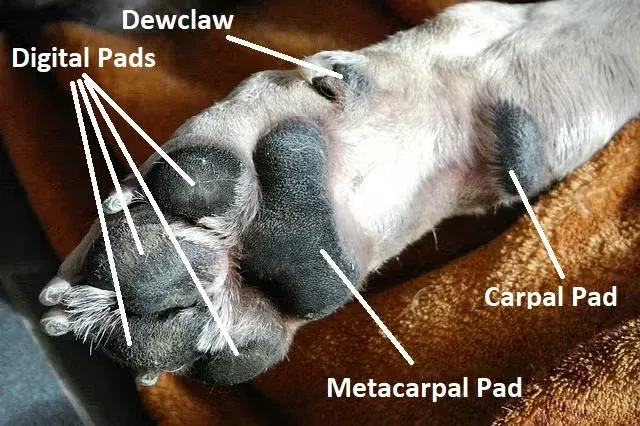
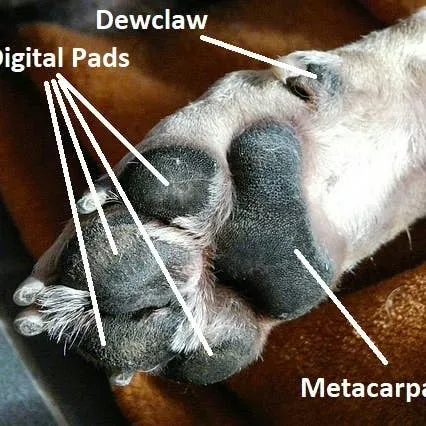
Your dog’s front paw has four digital pads, a metacarpal pad, and a carpal pad.
Defining Carpal Pads
Carpal pads are found on a dog's front legs, just above the front paws. If your dog has dewclaws, the carpal pads sit right above them. While not every dog has carpal pads on their hind legs, the majority do have them on the front legs.
Spotting them is easy once you know where to look. If your dog has a thick coat, long hair, or feathering (like a Springer Spaniel), you might need to Part the fur to find them—but they're there.
Whether or not your dog has dewclaws, here's the deal: carpal pads are present on the front paws, but they may not be on the back legs because their main functions are tied to the front legs. The front legs hit the ground first and guide your dog's movements.
These pads sit where a dog's wrists would be. They're made of the same tough, multi-layered skin as the larger metacarpal pads in the middle of the foot. However, unlike the toe pads, carpal pads don't have an associated claw.
Here's the scoop: carpal pads consist of thick layers of fat and keratinous skin. They're flexible, durable, and cushioned to act as shock absorbers, protecting your dog's legs. They also function as a braking system.
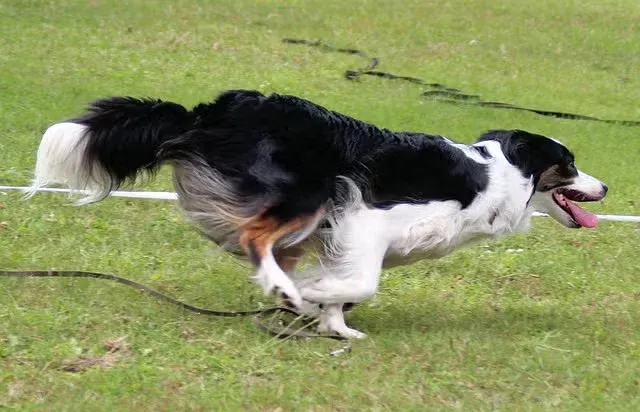
Your dog’s carpal pads in the front legs help assist your dog when he’s turning.
What Carpal Pads Do for Your Dog
During normal walking or running, your dog's carpal pads typically don't touch the ground because they're positioned high on the legs.
But when your dog is sprinting, galloping, or cantering, the carpal pads may briefly make contact with the ground during each stride. This contact happens quickly, but even that fleeting touch is beneficial.
Emergency Brakes
Carpal pads help your dog stop suddenly in emergencies. They also assist with sharp turns at the last moment.
That's why some people refer to them as "stopping pads." They're especially useful for high-speed running and tight turns in working dogs that herd livestock or in canine sports that demand agility. These brakes also come in handy when your dog gets the "zoomies" and races around the yard in tight spaces.
Shock Absorbers
If your dog loves to play, run, jump, chase balls, or tackle agility courses, their carpal pads help with all of it.
When your dog leaps and lands, the front feet hit the ground first, and the impact sends a minor shock through the body. The carpal pads absorb some of that shock when they make contact, depending on the speed and angle of landing.
These pads also help slow your dog down as they come out of a jump, preventing trips or falls on landing. The shock absorption reduces jarring and gives your dog more control when they touch down.
Balance Assistance
Another advantage of carpal pads shows up when your dog walks or runs on slippery, uneven, or unstable surfaces.
The pads provide extra precision and traction, helping your dog maintain motor control and balance while moving.
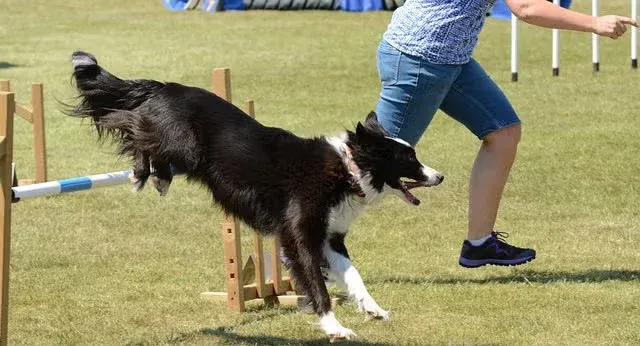
Carpal pads are your dog’s shock absorbers, so be sure to inspect them regularly, especially if your dog appears to be favoring a paw.
Keeping Carpal Pads Healthy
Carpal pad injuries do happen. Dogs that do a lot of fast, agile activities with tight turns and sudden stops are most prone to them. All that intense motion can cause friction burns on the carpal pads, similar to a carpet burn in humans. Ouch!
When running outside or over rough ground, sharp objects, sticks, thorns, and rocks can snag on the carpal pad and cause cuts or tears. After your dog has been romping outside, always check their paws for injuries. Clean and treat them promptly by following these steps.
Treating a Pad Injury
- Examine your dog's carpal pads and paws for any signs of injury, blood, splinters, or broken claws.
- Clean the wound. Wash the paws and carpal pads with clean, lukewarm water. If your dog allows, use tweezers to remove any debris left in the wound.
- Disinfect the area. After washing, apply a diluted betadine solution using a cotton ball soaked in it, swabbing the entire area.
- Stop bleeding. Apply pressure to the pad with a clean, absorbent cloth as soon as possible. Keep the pressure on until bleeding stops.
- Apply an antiseptic. Use an antiseptic cream on the wound. If you don't have one made for dogs, you can use Vetericyn or plain Neosporin. Do this two to three times a day for the next 10–14 days.
- Bandage the area. Place clean gauze on the wound and wrap it with a self-adhesive bandage to protect it and keep your dog from bothering it. Change the bandage daily. Keep it clean and dry. If it gets wet or dirty, change it right away.
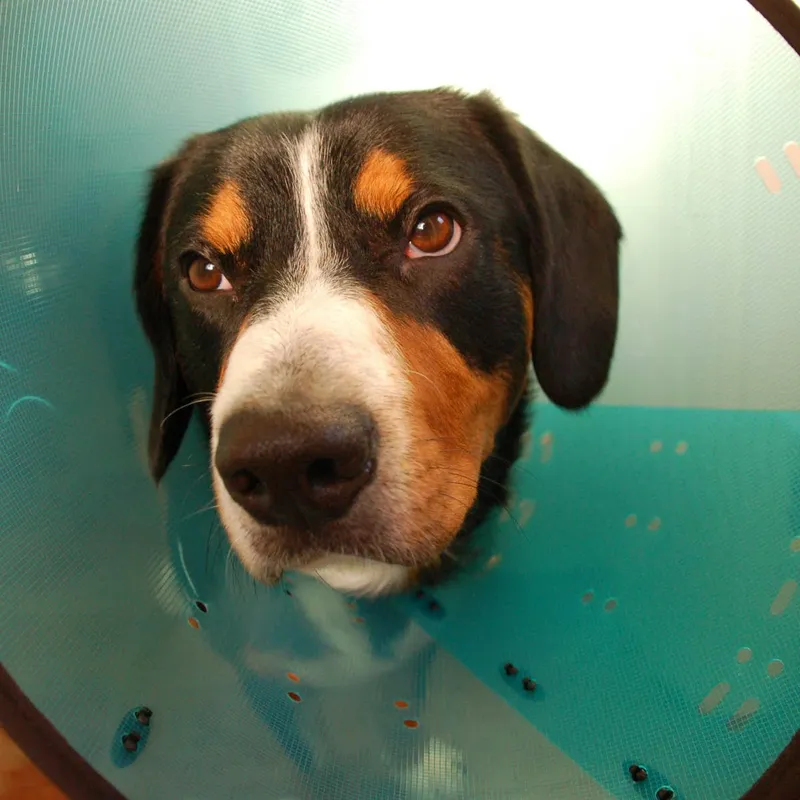
- Prevent licking. Don't let your dog lick the pad, as it can delay healing and lead to infection. Get an Elizabethan collar (cone of shame) from your local pet store to stop licking or gnawing.
- Follow up with your vet to make sure healing is on track. See your vet if you notice signs of infection like bad odor, swelling, or excessive redness. Also, see your vet if the carpal pad is injured and hanging, as this can be very painful and need veterinary treatment.
This article is accurate and true to the best of the author's knowledge. It is not meant to substitute for diagnosis, prognosis, treatment, prescription, or formal and individualized advice from a veterinary medical professional. Animals exhibiting signs and symptoms of distress should be seen by a veterinarian immediately.
© 2020 Adrienne Farricelli CPDT-KA, Dip.CBST