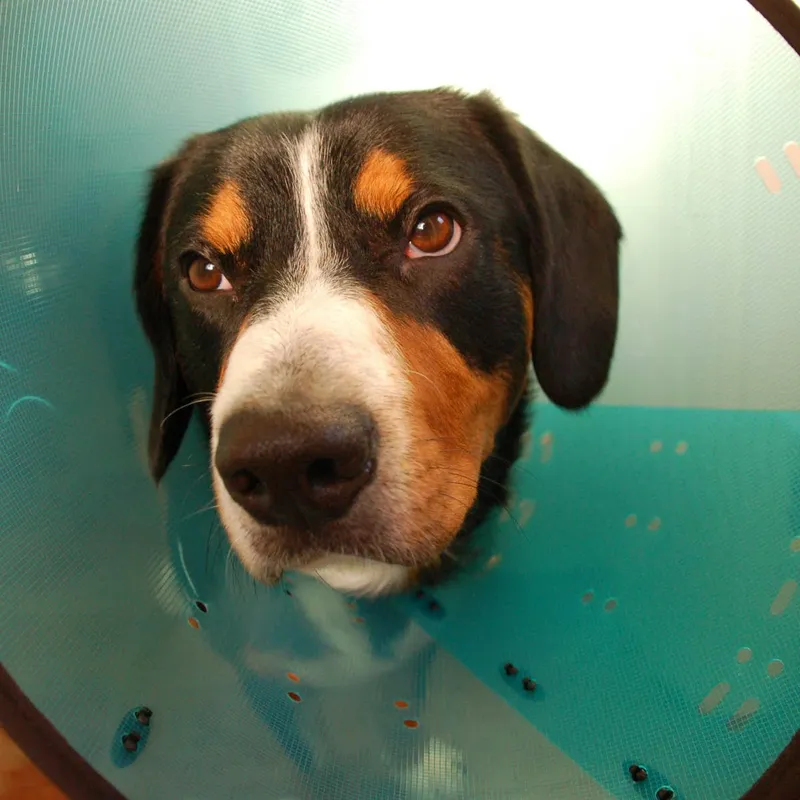
Canine Meningitis: Recognizing the Signs and Seeking Treatment
Taylor Mitchell

Understanding Meningitis in Dogs
When the term meningitis comes up, many people think of it as a standalone illness. In reality, it describes inflammation of the meninges—the protective layers surrounding the brain and spinal cord—and serves as a signal of an underlying problem.
A range of conditions, both infectious and non-infectious, can set off this inflammation. For that reason, while vets work to reduce the swelling, they also need to identify what is driving it so the dog can recover.
Potential triggers include:
- Infections caused by viruses, bacteria, or fungi
- Parasites, for example heartworm and certain roundworm species
- An immune-mediated reaction, in which the dog's own immune system attacks its body—this is considered the most frequently seen form of meningitis in dogs
No matter the trigger, meningitis demands immediate veterinary attention. If left untreated, it is typically fatal; even with treatment, some dogs do not survive.
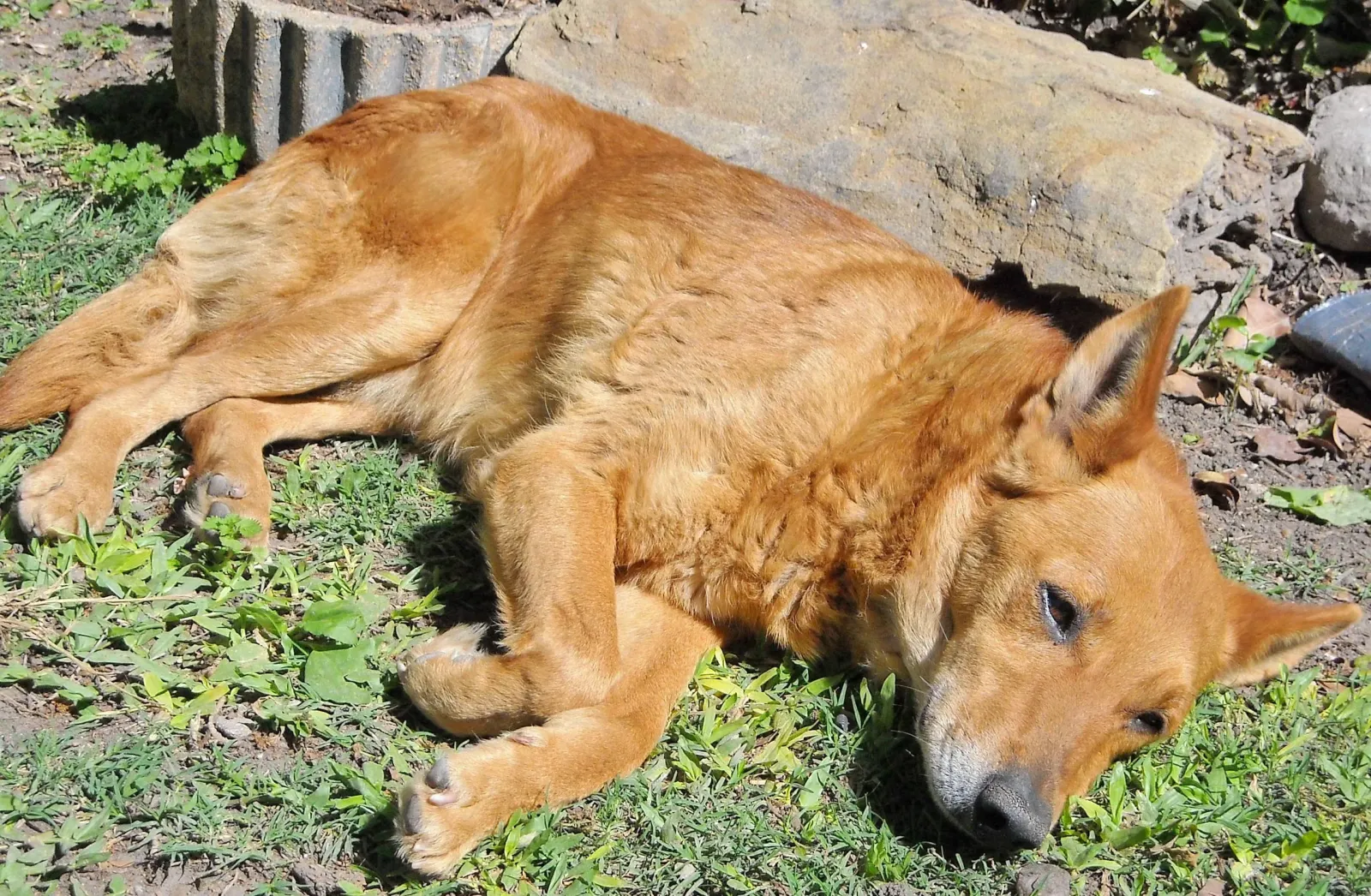
Dogs suffering from meningitis exhibit generalised pain and are lethargic.
Public Domain
Recognizing the Symptoms
Dogs with meningitis become very sick. The three symptoms seen most often are:
- Widespread pain, which can be intense
- Elevated body temperature
- A neck that is stiff or rigid
Affected dogs also tend to be lethargic and may refuse food.
Meningitis itself does not directly produce neurological symptoms, but some of the conditions that cause it can. Dogs might experience seizures, appear depressed, develop paralysis or blindness, or start pacing or circling. Loss of consciousness is also possible.
When you talk to your vet, be sure to mention any unusual behavior you have noticed, as this can help narrow down the diagnosis and identify the underlying cause.

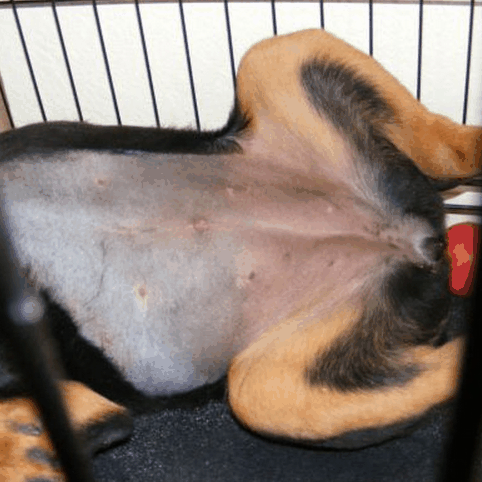
Meningitis can be triggered by parasites and bacteria the dog picks up.
Public Domain
Diagnosis and Treatment Approaches
Because meningitis stems from many different problems, each requiring slightly different management, it is a complex condition. Treatment options may include:
- Corticosteroids
- Intravenous fluids to maintain hydration
- Antibiotics
- Anti-parasitic medications
By the time most dogs reach the vet, they are seriously ill and will be hospitalized and started on medication. Steroids, antibiotics, and fluids may all be administered to stabilize them.
To confirm meningitis and possibly identify its cause, a cerebrospinal fluid (CSF) tap is performed. This involves anesthetizing the dog and inserting a needle into the neck or lower spine to collect a small sample of CSF. The sample is then tested for various factors that help guide treatment.
A vet might also recommend an MRI or CT scan to get a clearer picture of what is happening around the brain.
Knowing what triggered the meningitis helps narrow down treatment choices. If an infection is responsible, a broad-spectrum antibiotic is started initially, and once the CSF sample is analyzed, the vet can switch to antibiotics that specifically target the bacteria involved.
If a parasite is suspected, the dog may receive medications to eliminate it alongside antibiotics.
When the cause appears to be the dog's immune system attacking itself, steroids are prescribed. The dose starts high to bring the meningitis under control and is then gradually reduced. A dog may need to stay on steroids for a year or longer to prevent a relapse.
Viral meningitis is the most difficult form to treat. No medication can cure it, so the vet's role is to support the dog through the illness. Supportive care includes intravenous fluids to keep the dog hydrated, medications to reduce brain swelling, and pain relief.

Dogs can make a full recovery from meningitis and return to normal life.
Public Domain
What Does Recovery Look Like?
The underlying cause of meningitis not only shapes the treatment but also influences how well a dog responds. Dogs whose condition improves with steroids generally have the best outlook, while those with infectious meningitis receive a more cautious prognosis.
Encouragingly, many dogs survive meningitis and continue to live long, healthy lives. They may have physical or neurological aftereffects, which could limit certain activities or cause minor personality changes. Relapse is always a possibility, though the risk decreases over time.
Can Meningitis Be Prevented?
Since meningitis is a symptom of various illnesses rather than a disease itself, complete prevention is not possible.
Infectious meningitis, which is triggered by parasites or certain canine illnesses such as parvovirus, can be partially prevented through vaccination and regular parasite control.
Immune-related meningitis is believed to have a possible genetic basis and cannot be prevented. Fortunately, it is uncommon and usually responds well to steroids.
While preventing all forms of meningitis is impossible, staying alert to changes in your dog and knowing the signs can help catch early indicators. The sooner a dog receives treatment, the better the prognosis.
This article is accurate and true to the best of the author's knowledge. It is not meant to substitute for diagnosis, prognosis, treatment, prescription, or formal and individualized advice from a veterinary medical professional. Animals exhibiting signs and symptoms of distress should be seen by a veterinarian immediately.
© 2021 Sophie Jackson