Understanding Canine Patellar Luxation: A Comprehensive Guide
Taylor Mitchell
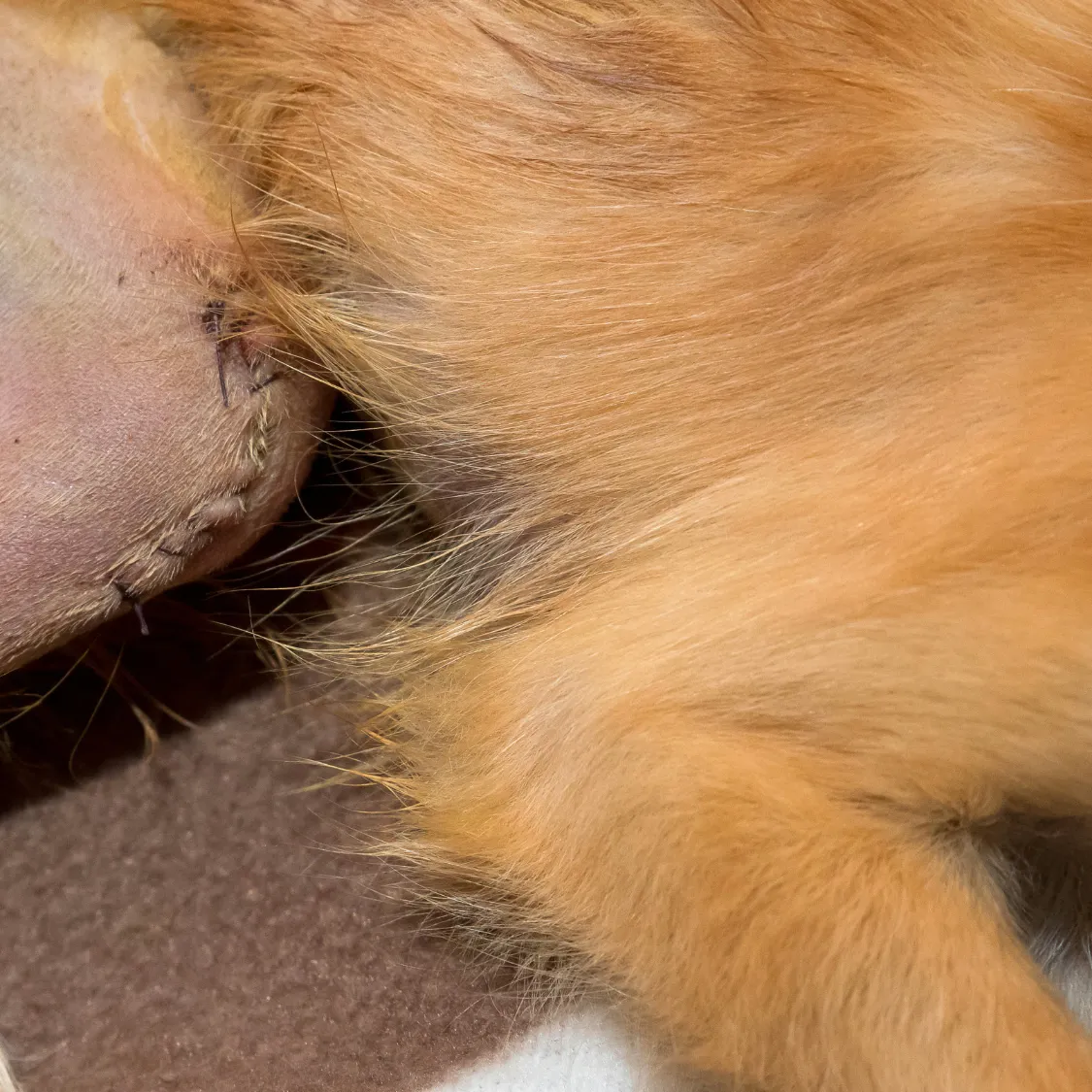
What Is a Luxating Patella?
The patella, commonly known as the kneecap, is a thick, triangular bone that shields the knee joint. In a healthy dog, this bone glides within a groove as the leg flexes and extends. However, in a dog with a luxating patella—sometimes called a 'trick knee'—the kneecap tends to slip within that groove and may even pop out entirely.
How Serious Is It?
Patellar luxation is classified into four grades, with most affected dogs experiencing grade 1 or 2. In severe instances (grade 3 or 4), the kneecap remains permanently displaced, leading to inward-bent legs or preventing the dog from using the affected limb at all.
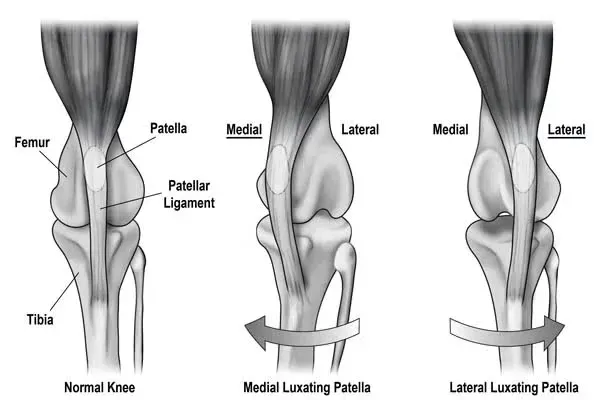
This diagram shows a normal knee compared to two types of patellar luxations.
Public Domain
Patellar Luxation Grades
| Grade | Symptoms | Treatment |
|---|---|---|
| Grade 1 | During a veterinary exam, the kneecap can be manually moved out of its groove but returns to place on its own. | If identified early, physiotherapy and hydrotherapy can strengthen muscles to keep the knee in position. |
| Grade 2 | The kneecap can be manually luxated or may pop out spontaneously when the leg is moved. It does not immediately return to place and requires manual replacement or stretching of the leg to pop back in. | Early intervention with physiotherapy and hydrotherapy can build muscle support. If left untreated, the knee will deteriorate and surgery will eventually be needed. |
| Grade 3 | The kneecap is out of its groove most of the time but can be manually pushed back. Any stretching or bending of the leg causes it to pop out again. | Surgery is required to deepen the groove and realign the tendons that attach to the kneecap. |
| Grade 4 | The kneecap is permanently out of its groove and cannot be replaced manually. The groove is too shallow for the patella to sit in. | Surgery is required to deepen the groove and realign the tendons. |
Complications That Can Arise If Left Untreated
While grades 3 and 4 are uncommon, even low-grade luxations cause constant slipping that strains the joint and can lead to further injury.
Cruciate Ligament Rupture
When the knee is misaligned, the cruciate ligament—which stabilizes the knee and prevents excessive rotation—can rupture. The extra pressure from a slipping kneecap can cause tears or complete ruptures, often necessitating surgery. In athletic dogs, this can end a career.
Arthritis
Another frequent complication is arthritis in the knee due to ongoing wear and tear. Dogs may not show pain initially, but eventually they experience discomfort and may find movement or walking painful.
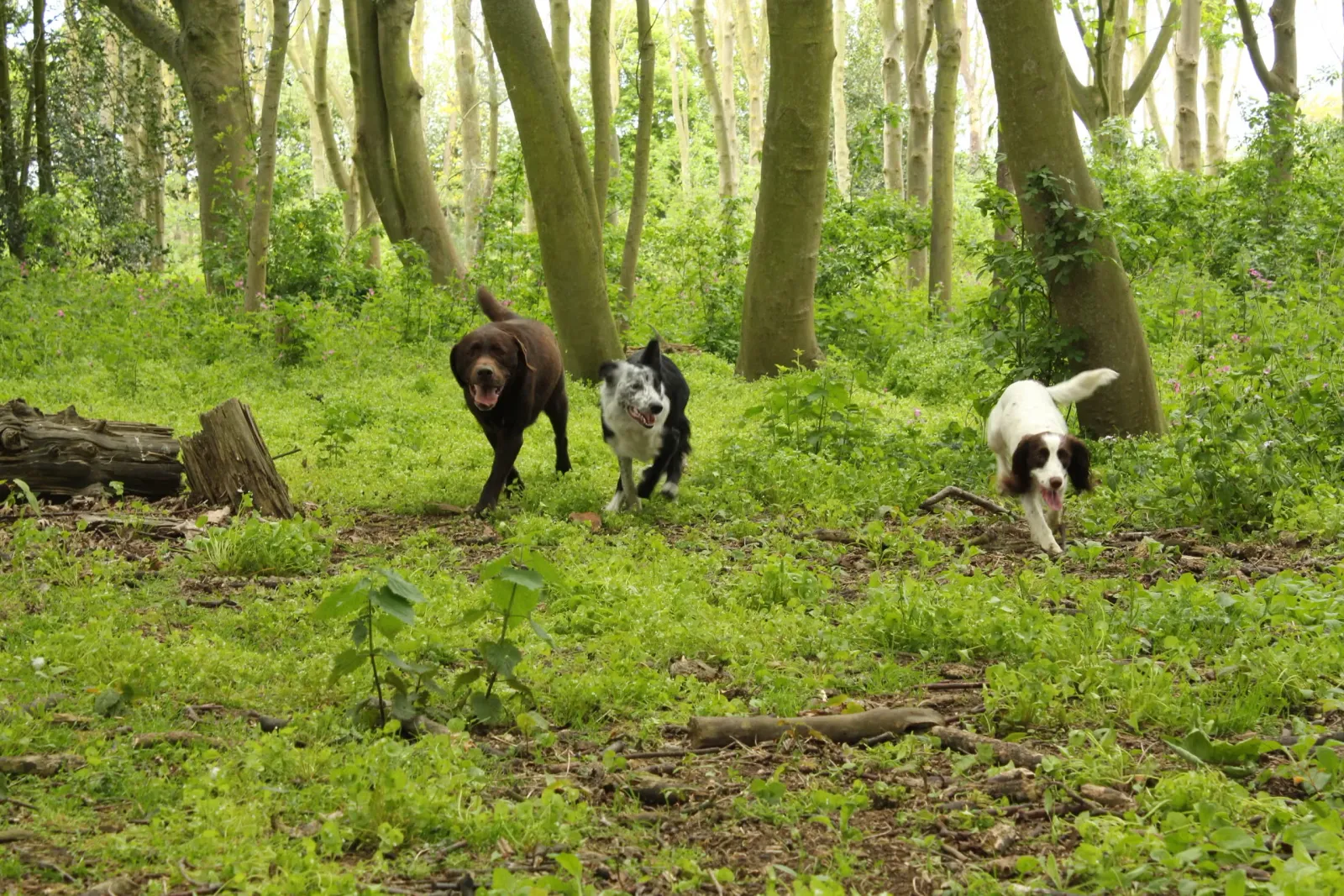
Dogs’ knees undergo a lot of stress on a daily basis as they walk and run around. If the kneecap is prone to slipping, this can lead to injury, pain, and eventually surgery.
Author's Photo
Which Breeds Are Prone to Luxating Patellas?
- Patellar luxation can affect any dog, but it is most commonly seen in smaller breeds.
- Certain breeds are considered predisposed to the condition.
- In larger breeds, it is most often observed in Labradors and may be linked to the high incidence of hip dysplasia in these breeds.
Small Breeds Predisposed to Patellar Luxations
| Toy and Miniature Poodles | Maltese Terriers | Jack Russells |
|---|---|---|
| Yorkshire Terriers | Pomeranians | Pekingese |
| Chihuahuas | Cavaliers | Papillons |
| Boston Terriers | Cocker Spaniels | Small Mixed Breeds |
How Much Pain Does a Luxation Cause?
The level of pain depends on the grade and whether treatment has been received. Dogs are stoic and often hide pain, making it hard to assess their discomfort.
Grade 1
In grade 1, the kneecap slips in the groove but may not fully pop out. This slipping does not initially cause pain because the knee is cushioned by cartilage, which lacks nerve endings. However, each slip scrapes away a tiny bit of cartilage. Over time, the cartilage wears away completely, and the kneecap rubs against the bone. At that point, the problem becomes very painful, and the dog may limp or refuse to put the leg down. Any movement hurts, and surgery plus pain management becomes the only option.
Grade 2
In grade 2, the kneecap pops out spontaneously, causing severe pain until it is replaced. People who have experienced this describe the popping as 'agony'. The first time it pops out, it can be difficult to replace. With each subsequent displacement, the tendons loosen, so the knee pops back quicker but also comes out more easily. Ultimately, every pop damages the joint, leading to further problems.
Grade 3 and 4
In grades 3 and 4, the knee is rarely in its groove. This is often noticeable from birth, causing puppies to struggle with their hind legs. The pain level is hard to determine, but the unnatural knee position puts pressure on leg and spine bones and other joint ligaments. Affected dogs are likely in constant pain but have learned to adapt because the problem has been present since birth.
Any Luxation Left Untreated May Lead to Arthritis
Even with grade 1, if nothing is done to stop the slipping, arthritis will eventually develop. Arthritis cannot be cured and requires long-term pain management. In all grades, there can be pain in the lower back or leg muscles, including a condition similar to sciatica in humans due to abnormal strain on the joints.
How Do I Know If My Dog Has a Luxating Patella?
Grades 3 and 4 are typically obvious from birth, as the dog cannot walk normally on its hind legs. With grade 4, the puppy may struggle to learn to walk at all, and the hind legs bow with paws touching. In grade 3, the dog walks but has an odd gait, sometimes stumbling or appearing unbalanced. The problem worsens rapidly. The dog may struggle to climb stairs or may knuckle over on its back legs during walks.
The signs of grades 1 and 2 are much subtler, and owners may not notice until the dog is older and secondary issues like arthritis have developed. Here are the telltale signs.
Skipping
Usually, the first sign is skipping on a hind leg. A dog may be trotting or running and suddenly miss a step with a back leg. The dog will pick up the leg, hop a few paces without putting it down, then resume using it. This is common in terriers and often mistaken for a breed trait when it is actually a sign of a slipping knee.
Clicking Sounds in the Joint
The slipping knee can cause a clicking sound when the dog straightens and bends its leg. You might hear this when the dog rises from a sit. It sounds similar to a person cracking their knuckles.
Resistance to Having the Leg Manipulated
Dogs with luxations may find it painful to have the leg stretched, which can be noticeable during grooming or pre-agility stretches. The dog may tense the leg, whimper, cry out, or even snap.
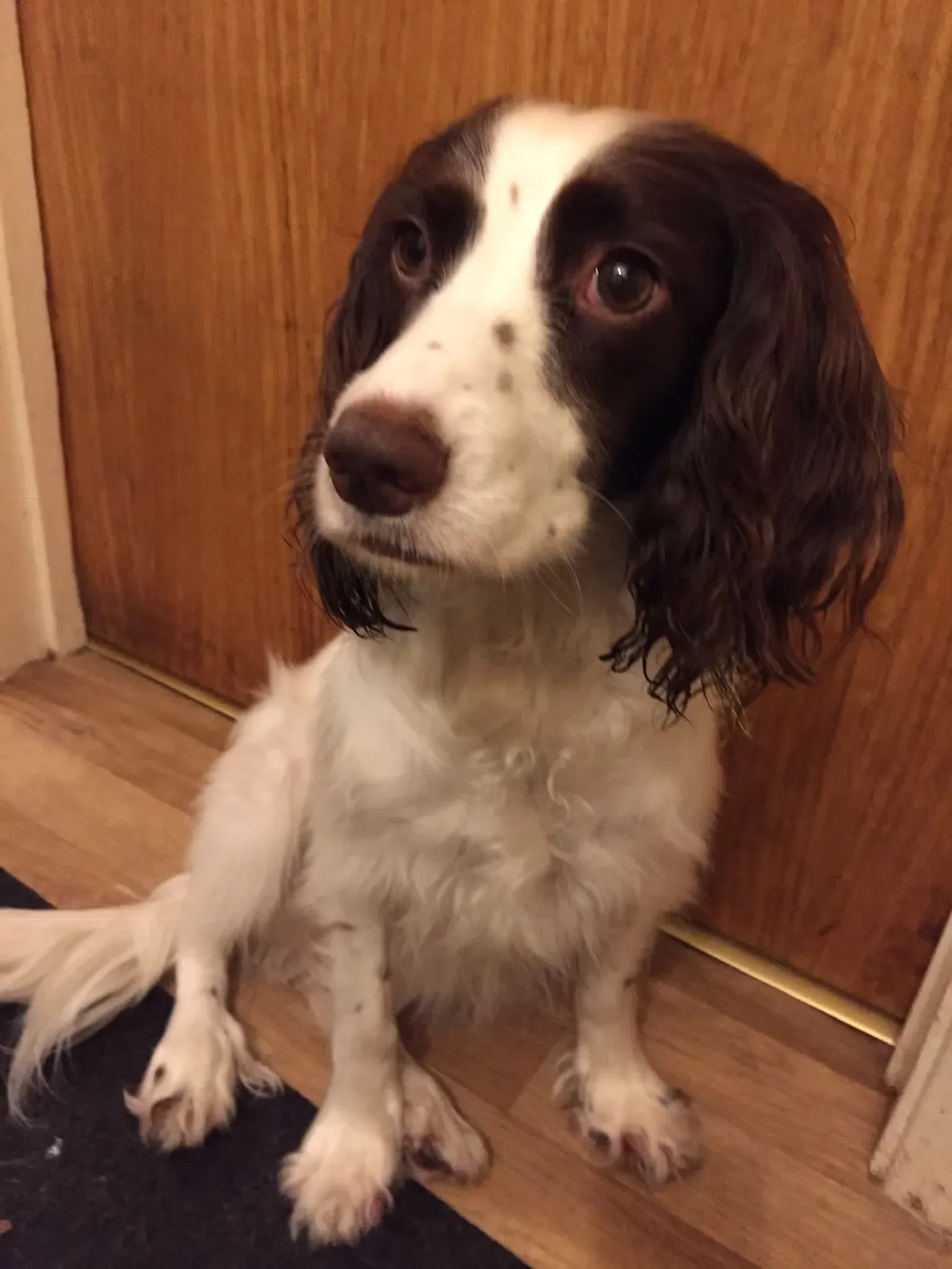
This dog has a luxating patella and demonstrates the classic symptom of a “lazy” or “puppy” sit.
Author's Photo
"Lazy Sits" or "Puppy Sits"
A key sign is if your dog flops into a 'lazy sit' or 'puppy sit'—a loose sit with hind paws rolled under or knees flopping out and back paws touching. A normal sit should be square on the haunches with paws tucked in and knees stacked over them. A lazy sit indicates discomfort. To learn more, check out my article on lazy sits.
Neck and Back Pain
As knee issues progress, the dog compensates by avoiding the affected leg, carrying more weight on the front end or overusing the least affected hind leg. This unbalanced weight distribution causes muscular strains in the lower back, hind legs, neck, shoulders, and pectoral muscles. If the problem persists, the dog may develop 'dead tail' (tail hangs down and cannot be wagged) or sciatica-like pain. All these improve if the luxation is corrected.
Lameness
Many owners seek veterinary care because the dog is chronically lame. The dog may constantly limp and dislike exercise, or hold a leg up. Stiffness and difficulty moving from a sit or down position are also classic signs that the condition has worsened and may indicate arthritis.
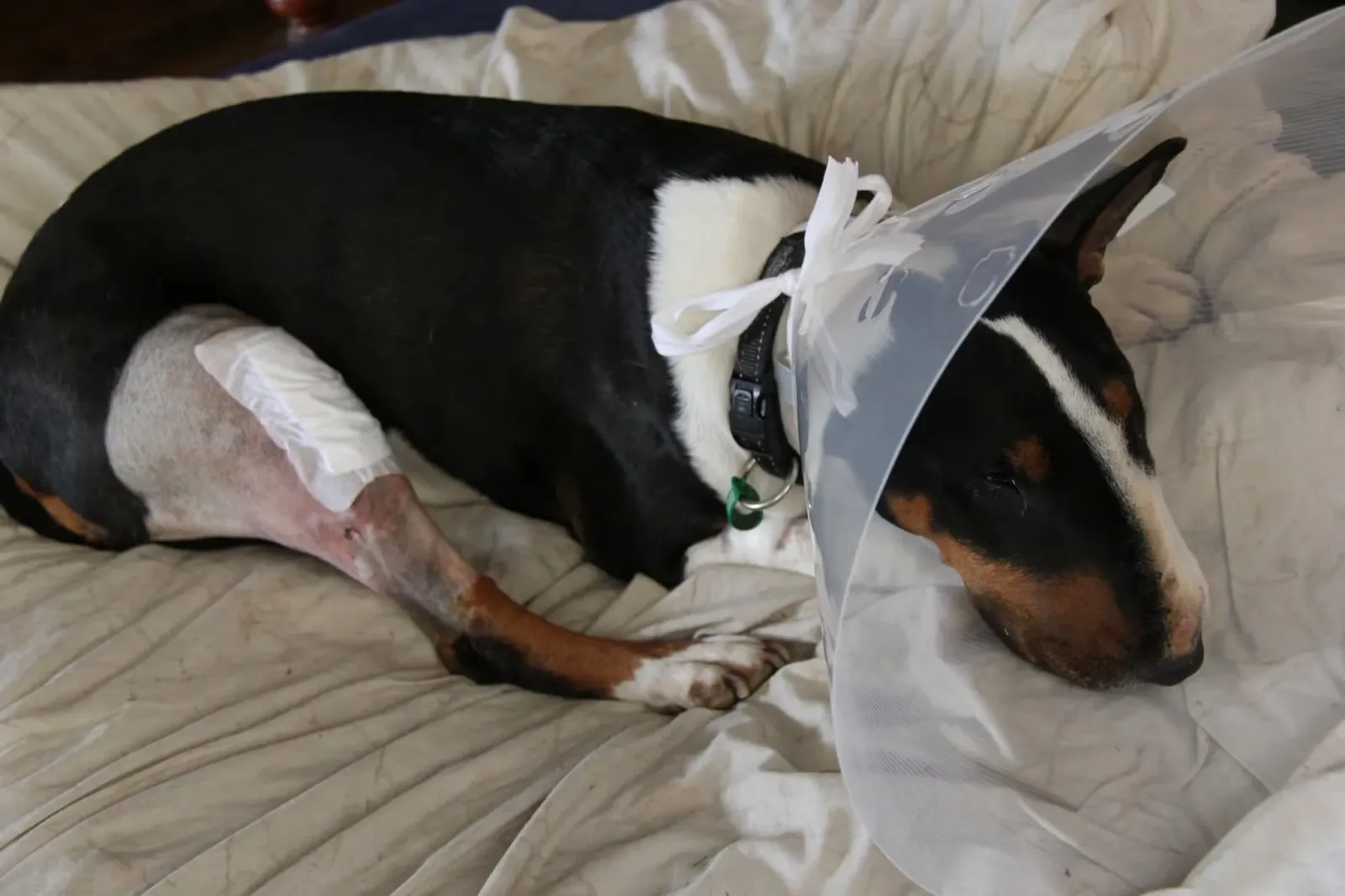
If it’s severe or is not treated early enough, there may be no option but to surgically reinforce the knee.
Anne Beaumont CC BY-SA 2.0 Flickr
How Are They Treated?
When caught early, grades 1 and 2 can be treated without surgery. The goal is to strengthen the muscles around the knee, especially the quadriceps, to hold the knee in place and prevent slipping or popping. Supplements to aid joint repair are also necessary.
Physiotherapy
A range of exercises can improve leg muscles, but they should be done under the guidance of a veterinary physiotherapist to avoid causing more harm and to tailor the exercises to your dog's needs. Your vet can refer you to a recognized physiotherapist. This should be considered for grades 1 and 2 before opting for surgery.
Hydrotherapy
Hydrotherapy, or water therapy, is one of the best ways to help a dog with a luxating patella. This is not the same as letting your dog swim during walks. As with running, a dog may compensate for a sore leg while swimming by not using it. A hydrotherapist ensures your dog uses its body correctly and gets the most benefit from the exercise.
Joint Supplements
Many joint aids on the market help repair damaged knee joints. Choose one with high levels of glucosamine, chondroitin, and MSM. Glucosamine and chondroitin have been scientifically proven to help the body rebuild cartilage, which is vital for a dog whose cartilage is being worn down by a slipping patella. MSM is a natural anti-inflammatory and relieves joint pain.
Turmeric
Turmeric can reduce inflammation and is considered a natural antioxidant. It has been used as a traditional medicine for centuries. For your dog to benefit, it can be fed twice daily as a paste (follow dosing recommendations and use a dog-approved paste). It is also available from pet suppliers.
Surgery
For dogs with grade 3 or 4 luxations, surgery will be necessary at a young age. For grade 1 and 2, surgery only becomes necessary if steps are not taken to treat the condition when it first appears. Surgery typically involves deepening the knee joint groove and realigning the tendons that hold the patella. Hydrotherapy and physiotherapy may follow to improve muscle strength around the knee. Surgery is expensive and leaves the dog extremely prone to arthritis in the future.
Why You Should Intervene Early
Many owners delay physiotherapy or hydrotherapy due to cost, but this ultimately leads to surgery and long-term pain medication for arthritis. Hydrotherapy and physiotherapy can not only improve the condition but are generally more cost-effective than surgery, which can be expensive.
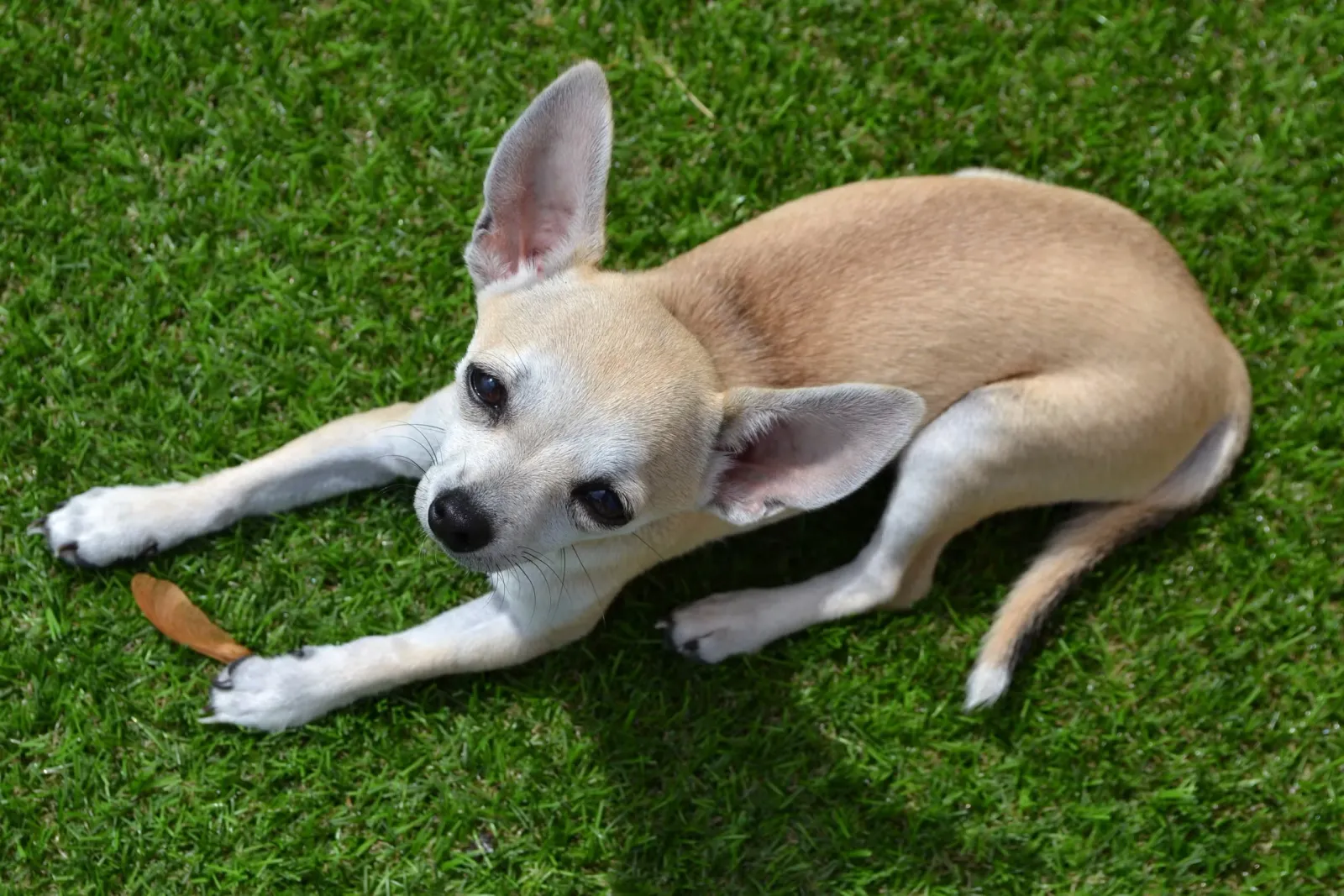
Chihuahuas are one of the top breeds predisposed to patellar luxations. They often present with severe Grades (3 and 4).
Public Domain
Can I Prevent a Luxating Patella?
Many owners want to know how to prevent patellar luxations, but the condition is often genetic (conformity issues) due to a defect in hind limb formation, or injury-related. The only way to prevent it is for breeders to breed dogs with sound knees. This is not a complete guarantee that any puppy will be free of the condition. Genetics is complicated, and the conformity issue can appear in a line of dogs that has never been affected before.
If puppy buyers only bought from breeders who tested their dogs' knees, the problem would be greatly reduced, and the risk of a dog developing it would be far less. This is especially important if you are buying a breed known to be affected or want to compete in canine sports like agility.
Responsible Breeding Will Reduce the Problem
If you plan to breed your dog, have its knees checked first. This is easily done by asking your vet to examine your pet. If the dog shows any signs of a knee issue, you should not breed them.
Tips for Preventing the Condition
If you already have your puppy or a rescue dog with unknown history, the best way to prevent knee problems is to treat them as if they have a grade 1 luxation. Do muscle exercises, such as sit-to-stand, take them swimming, give good joint supplements, and keep them at a healthy weight.
Though patellar luxations can be painful and frustrating, they are not life-threatening. With correct treatment, your dog can live happily and comfortably for many years. Most dogs will not require surgery, and if problems are recognized early, steps can be taken to prevent worsening or arthritis. So, don't despair if your dog is diagnosed—there is much you can do to keep them pain-free and enjoying life.
Sources
- Luxating patella in dogs | PDSA A luxating patella occurs when a dog's kneecap slides out of the groove in the thighbone. Read our vet's advice on symptoms and treatments of luxating patella, and about which dogs it is most common in.
- Patellar luxation | Fitzpatrick Referrals Patellar luxation is when the patella (kneecap) luxates (dislocates) out of the normal groove, and it results in the inability to extend the knee joint properly. This issue is diagnosed on a four-tier grading system.
- Luxating Patella in Dogs | VCA Animal Hospitals From VCA, this is an overview of luxating patella, including the causes, severity, and prognosis, and was reviewed by three veterinarians.
This article is accurate and true to the best of the author's knowledge. It is not meant to substitute for diagnosis, prognosis, treatment, prescription, or formal and individualized advice from a veterinary medical professional. Animals exhibiting signs and symptoms of distress should be seen by a veterinarian immediately.
© 2019 Sophie Jackson