Managing Dog Mange at Home: What Works and What to Avoid
Hayden Carter

Understanding Mange in Dogs
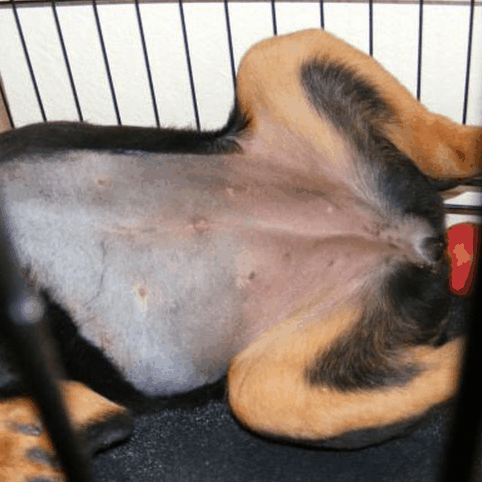
Seeing a dog with mange often evokes concern that the animal has been neglected. The appearance of a dog suffering from mange can be distressing, leading one to question the care it receives. However, mange can affect any dog, regardless of how well they are treated.
Mange is a skin disease caused by parasitic mites, specifically the Demodex mite, which is related to spiders. These mites live under the dog's skin, where they reproduce and complete their life cycle. The presence of these mites causes intense discomfort.
Imagine the sensation of having insects burrowing just beneath your skin. If you've ever had chiggers, the itchiness is comparable but more severe.
Types of Mange: Sarcoptic vs. Demodectic
Sarcoptic mange is highly contagious and typically requires more aggressive treatment than demodectic mange.
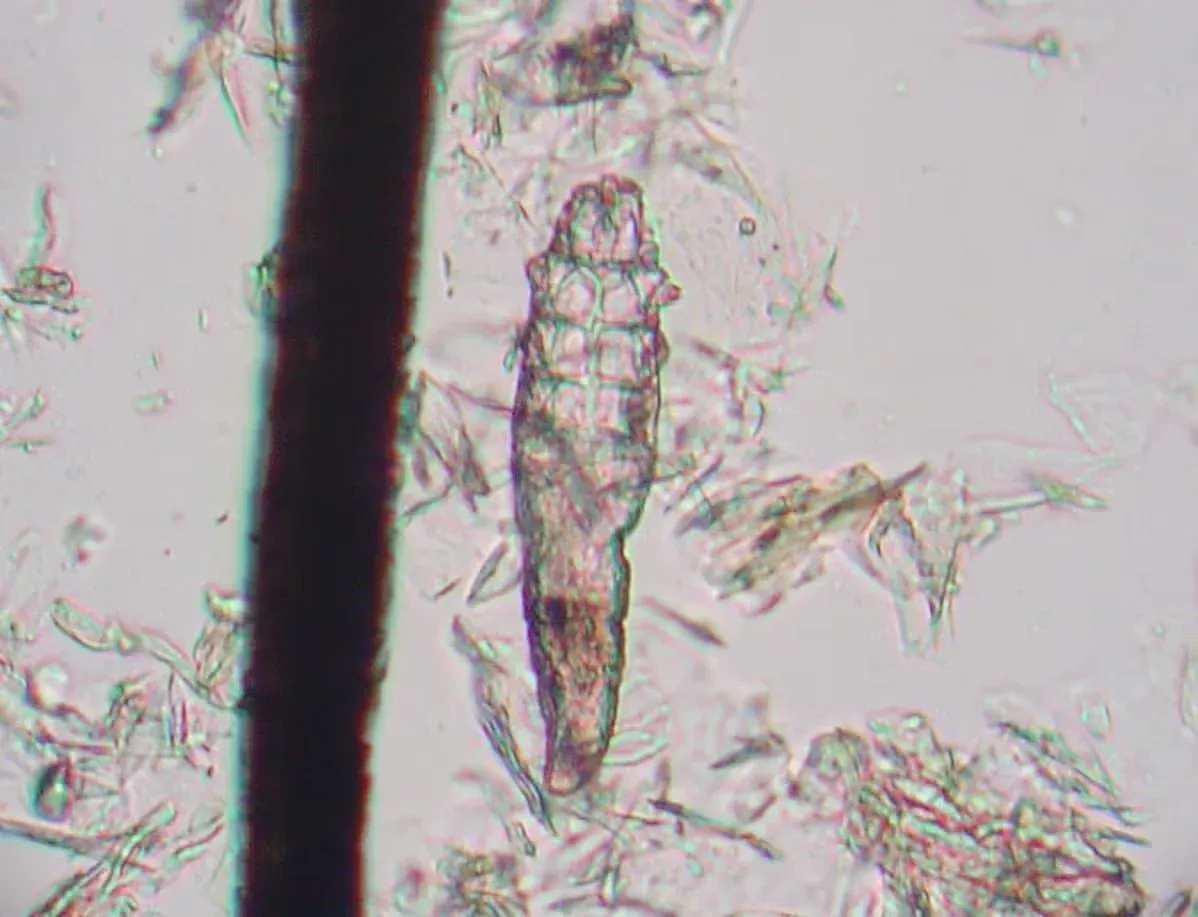
Demodex
Joel Mills, CC BY-SA 3.0, via Wikipedia
Recognizing Mange Symptoms
Early signs of mange often mimic allergies, making diagnosis challenging. Even as the condition progresses, veterinarians may struggle to confirm it because standard skin scrapings frequently fail to detect mites. Consequently, vets often recommend treatment based on clinical signs alone.
Common Symptoms of Mange
- Constant, intense scratching and biting
- Hair loss in patches, especially on the belly, ears, haunches, elbows, or armpits
- Bald spots with red pustules resembling severe acne
- Yellow crusting on bald skin, particularly around the ear edges
If your dog shows these signs, consult a veterinarian. Beyond the discomfort, secondary infections are a significant risk. When mites invade, the immune system responds, but this can weaken the dog. Scratching and biting may introduce bacterial infections, further challenging the dog's defenses. Antibiotics may be prescribed if necessary.
Important Note
The mite life cycle lasts about three weeks. Keeping your pet mite-free for 12 weeks can eliminate the mites and larvae under the skin.
Home Remedies for Dog Mange
Veterinarians might suggest chemical dips, but these can be unpleasant and cause side effects. Alternatively, for mild cases, home methods may be recommended. These remedies target mites on the surface, not those under the skin. Avoid homemade dips with borax or hydrogen peroxide.
Boosting Your Dog's Immune System
Strengthening your dog's immune system is crucial. Adding omega-3 fatty acids to their diet daily can help. Oils rich in omega-3s promote healthy skin oils, reducing itching from dryness. Supplements can be mixed into food or given as treats, supporting the immune system against secondary infections. Proper nutrition is vital during this time.
Using Mineral Oil for Ears and Face
Mites often migrate to ears, and mineral oil can kill surface mites. For sensitive areas like ears and face, applying mineral oil separately may be easier if your vet advises dips. To apply:
- Soak a cotton ball in mineral oil.
- Gently apply to affected areas.
- Massage your dog's ears.
This method is effective but only lasts about eight hours.
Caution
Always consult your veterinarian before using mineral oil on your dog.
Ointments
For smaller dogs, especially with belly mange, ointments like Desitin for diaper rash can be effective. Your vet can prescribe an animal-safe option. The oil in these ointments kills mites.
Collaborate with Your Veterinarian
After reviewing treatment options, determine the best course with your vet. Also, consider reducing stressors in your dog's environment. A happy home supports their health.
This article is accurate and true to the best of the author's knowledge. It is not meant to substitute for diagnosis, prognosis, treatment, prescription, or formal and individualized advice from a veterinary medical professional. Animals exhibiting signs and symptoms of distress should be seen by a veterinarian immediately.