A Vet's Warning: What Pet Owners Should Know Before Accepting New Canine Drugs
Alex Wood
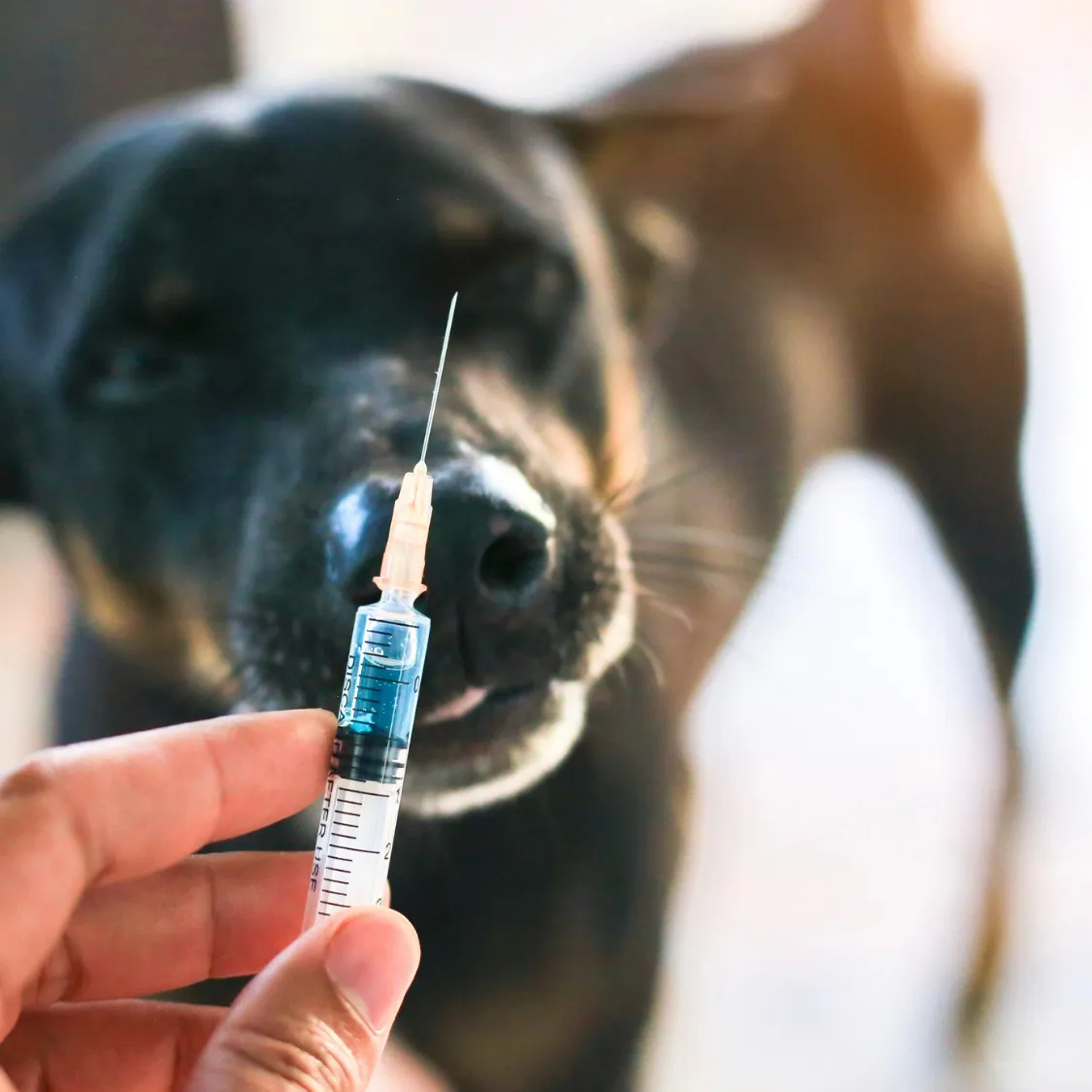
Dog owners have likely come across FDA warnings and news coverage describing serious adverse effects in some dogs given Librela, an arthritis injection whose generic name is bedinvetmab.
Europe saw the first use of this antibody-based medication in 2020, and the FDA granted approval in 2023, with U.S. sales starting in May of that year. Zoetis, an animal-focused business spun off from Pfizer, is the company behind Librela's development and distribution.
Research indicated that certain dogs treated with Librela experienced reduced pain and improved mobility compared to control groups (1). Reported reactions were generally on the mild side, such as appetite loss, injection-site discomfort and skin irritation, along with a small number of urinary tract infection cases.
So where does the controversy come from?
Related: Vet-Approved Home Treatment for Senior Dogs With Arthritis
Concerns Surrounding Librela
Approval relied on a modest European study plus data from 135 dogs injected in the United States. That figure is accurate — the drug reached the market after just 135 dogs had received the injection (2). In the time since, more than 21 million doses have been administered.
According to the manufacturer, adverse reactions occur in only 0.2% of dogs. If that figure held true, then the number of dogs showing the symptoms reported after the FDA's approval trial would amount to just one quarter of a single dog.
The actual rate of adverse reactions is probably higher than what the company states. Underreporting of adverse drug reactions is common practice in human medicine (2), and the problem is likely even more widespread in veterinary medicine.
With over 40,000 adverse reactions now documented, it has become clear that Librela may also trigger urinary and kidney issues, seizures, and in some cases death.
Could This Happen Again?
Some veterinary organizations have issued warnings about the adverse reactions, though many have done so with a conciliatory tone — pointing out that Zoetis is a major donor to their groups and recommending the drug continue to be used according to the manufacturer's guidance.
When another multinational pharmaceutical giant brings a new product to market for dogs — whether it's an injection for diabetic pets now positioned as a weight-control drug, or a new vaccine that might provoke more severe reactions than the disease it targets — approval from the FDA can come after testing on just a few hundred healthy dogs. The FDA's Center for Veterinary Medicine (CVM) greenlights more than 40 new drugs annually, according to the agency.
Veterinary-focused websites tend to back any FDA-approved new drug. Pharmaceutical sales representatives make clinic visits, handing out coffee mugs, notepads, and other items branded with the new medication's name.
Related: What Can I Do if My Dog Dies From a Drug Reaction?
Protecting Your Dog From New Medication Risks
Rather than offering kickbacks, drug companies promote their new products by giving gifts to clinics. These branded items serve to keep the medication's name in the veterinarian's mind.
No practicing veterinarian can know the true side-effect profile of a new medication. When a vet proposes it, many clients agree because it seems to offer a potential solution to their dog's condition.
The decision rests with you: ask how recently the drug was developed, and determine whether you're comfortable using it. If your dog is ill and no other way exists to preserve his quality of life, I recognize that desperation can drive the choice. Yet some conditions simply have no cure, and the fact that a company created a new drug and tested it on a limited number of dogs does not make it a safe option.
Up Next:
Sources
- Pye C, Bruniges N, Peffers M, Comerford E. Advances in the pharmaceutical treatment options for canine osteoarthritis. J Small Anim Pract. 2022 Oct;63(10):721-738. i.nlm.nih.gov/pmc/articles/PMC9790257/
- Corral MJ, Moyaert H, Fernandes T, Escalada M, Kira S Tena J, Walters RR, Stegemann MR. A prospective, randomized, blinded, placebo-controlled multisite clinical study of bedinvetmab, a canine monoclonal antibody targeting nerve growth factor, in dogs with osteoarthritis. Vet Anaesth Analg. 2021 Nov;48(6):943-955. doi: 10.1016/j.vaa.2021.08.001. Epub 2021 Aug 22. PMID: 34565678. i.nlm.nih.gov/34565678/
- Kommu S, Carter C, Whitfield P. Adverse Drug Reactions. [Updated 2024 Jan 10]. In: StatPearls [Internet]. Treasure Island (FL): StatPearls Publishing; 2025 Jan-. Available from: i.nlm.nih.gov/books/NBK599521/