Recognizing and Managing Canine Hypothyroidism
Alex Wood
Understanding Canine Hypothyroidism
Among hormonal disorders affecting dogs, hypothyroidism is the most frequently seen. It typically appears in large breeds during their young to middle years—Doberman Pinschers, Golden Retrievers, and Red Setters are examples. The clinical picture varies widely and is often subtle, which makes confirming the condition challenging since numerous factors can influence thyroid hormone levels.
Nevertheless, the disorder responds well to treatment. Just as with humans who have an underactive thyroid, dogs usually experience a marked improvement in their daily life once therapy begins. For a dog diagnosed with this condition, treatment will be required for the rest of its life.
It can be tempting to attribute a dog's excess weight or obesity solely to hypothyroidism. However, care must be taken to avoid diagnosing the condition too readily and giving thyroid hormones to animals that do not truly need them.
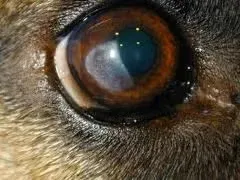
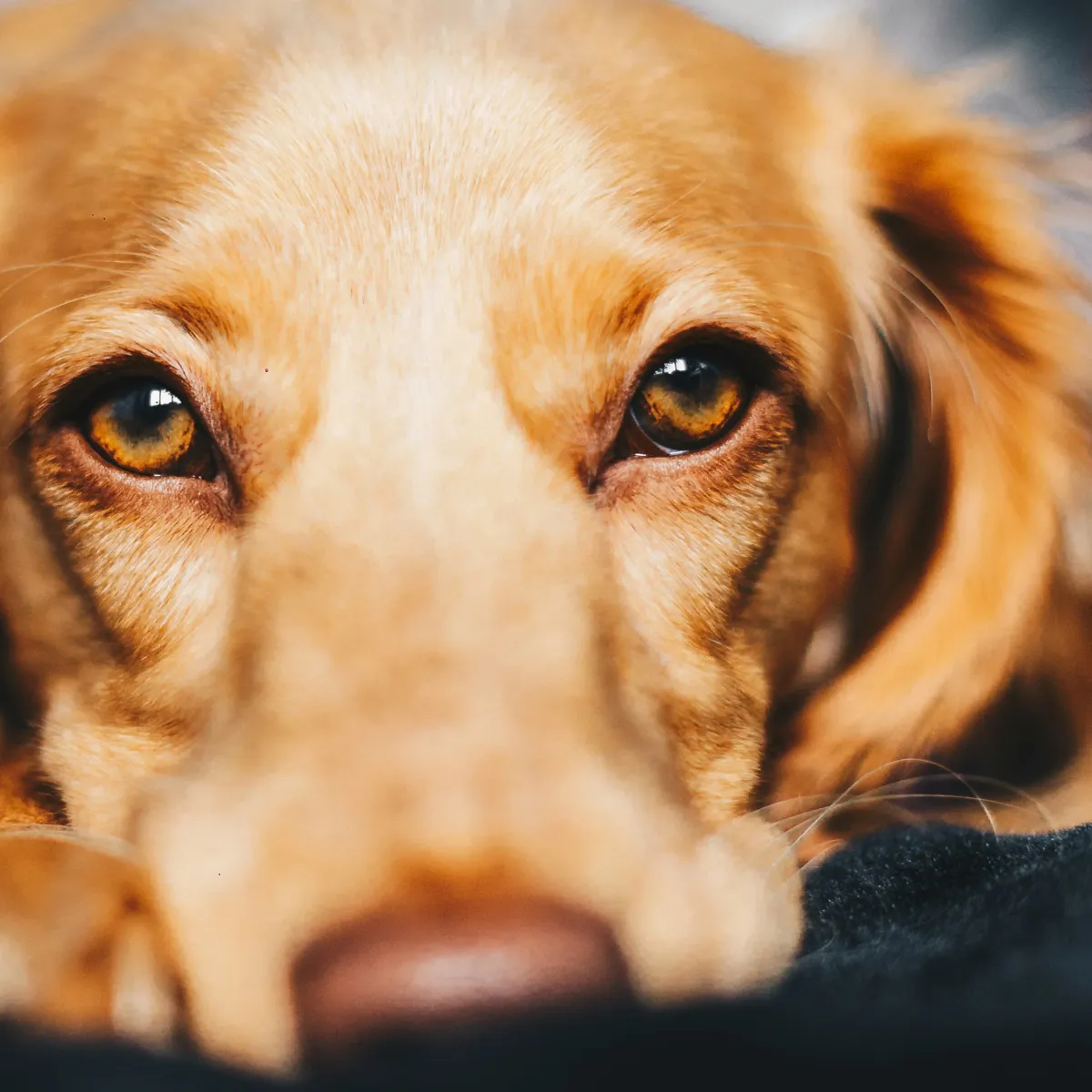
Corneal lipidosis—a sign that points to hypothyroidism in dogs
How the Thyroid Normally Works
The thyroid gland is a butterfly-shaped structure positioned over the windpipe in the neck. Dietary iodine enters the bloodstream, becomes concentrated within the thyroid, and is used there to produce the hormones T3 and T4. These hormones are then held in the gland until required.
Control of thyroid hormone release involves the hypothalamus and the pituitary gland. When levels of circulating T3 and T4 fall, the hypothalamus secretes TRH (thyrotropin-releasing hormone). This in turn prompts the pituitary gland to release TSH (thyroid-stimulating hormone). TSH then signals the thyroid gland to discharge T3 and T4 into the bloodstream.
Should any component of this hypothalamic-pituitary-thyroid axis malfunction, the symptoms of hypothyroidism can appear.
What Causes the Condition
In 90% of cases, hypothyroidism arises from an autoimmune process comparable to the one behind Addison's disease. The dog's immune system attacks its own thyroid, damaging the follicular cells responsible for producing thyroid hormone. This process is called autoimmune thyroiditis.
About 10% of cases result from the thyroid failing to develop initially in young animals, a condition known as cretinism. This congenital hypothyroidism appears more often in Giant Schnauzers and Fox Terriers.
Clinical Signs of an Underactive Thyroid
As noted earlier, the symptoms of this disorder vary. The most frequently observed ones include:
- Low energy and decreased stamina
- Weight gain despite no increase in food consumption
- Poor tolerance of cold
- Slower heart rate
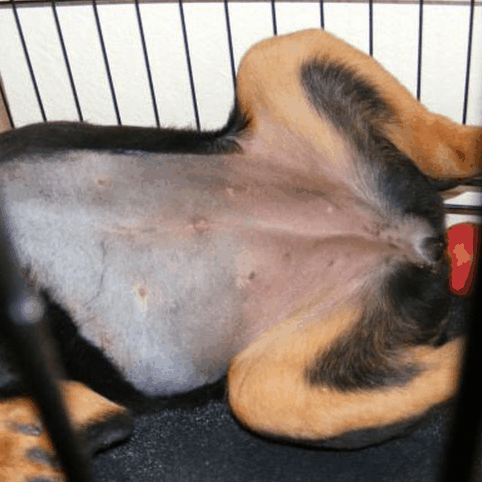
- Symmetric hair loss, particularly over the flanks
- Skin alterations: thickened and pigmented skin that feels cold and damp, repeated skin infections, blackheads, and greasy texture
- Infertility in females
- Corneal lipidosis (a pale deposit in the eyes)
- Less often, neurological problems such as dragging the feet or facial/laryngeal paralysis
Some observations suggest that dogs with hypothyroidism may display aggression before other signs develop. This is thought to possibly stem from pain linked to the autoimmune attack on the gland. Any such behavioral changes tend to be temporary rather than lasting.
Making a Diagnosis
Hypothyroidism is both a very common endocrine (hormone) disease and one that is over-diagnosed in dogs. It is essential that the animal shows clinical signs and also has a positive laboratory result. If lab findings were interpreted alone, many dogs with normal thyroid function could incorrectly be started on thyroid supplements. Several thyroid function tests exist, but all share the drawback of producing a considerable number of false-positive results. In this condition, the history you give and your veterinarian's expertise together guide the correct treatment choices.
A major reason for the high rate of false positives is that thyroid function can be suppressed by numerous factors. For instance, many commonly prescribed medications may lower thyroid levels for as long as two months. Similarly, stress and illness elsewhere in the body will reduce thyroid function until those other problems are resolved.
Diagnosis involves routine blood and urine tests in addition to a thyroid function test. The specific test typically selected is the T4:TSH ratio, which essentially assesses whether the thyroid is producing as much hormone as the pituitary gland is instructing it to. If this test does not provide a clear answer, additional testing may be required.
Treatment Approaches
Therapy is uncomplicated and generally inexpensive, using thyroid hormone supplements such as L-thyroxine. Within a couple of weeks of starting treatment, your dog's energy should improve dramatically. If it does not, the original diagnosis must be reconsidered.
Changes to the skin and coat, along with obesity, may take much longer to improve—up to several months. Your veterinarian will advise follow-up blood tests to confirm that the hormone dose is appropriate. With treatment, the prognosis for your dog is excellent.
This article is accurate and true to the best of the author's knowledge. It is not meant to substitute for diagnosis, prognosis, treatment, prescription, or formal and individualized advice from a veterinary medical professional. Animals exhibiting signs and symptoms of distress should be seen by a veterinarian immediately.
© 2012 eirevet
Sources
- Recognizing and Managing Canine Hypothyroidism — pethelpful