Trilostane in Veterinary Medicine: A Guide for Pet Owners
Alex Wood

Understanding Trilostane
Trilostane, marketed under the brand name Vetoryl and also available as a liquid, is an FDA-approved drug that blocks the action of an enzyme called 3beta-hydroxysteroid dehydrogenase. This enzyme is essential for the production of cortisol and other steroids. (1) Cortisol is the hormone released during stress in both pets and people. Trilostane helps manage the harmful effects of excess cortisol and other steroids.
What Conditions Does Trilostane Treat in Dogs and Cats?
For more than two decades, trilostane has been used to treat dogs with Cushing's disease (hyperadrenocorticism, or HAC), including both pituitary-dependent (PDH) and adrenal-dependent (ADH) forms. Among dogs receiving this medication, roughly 75% show improvement in clinical signs such as increased urination, muscle weakness, and excessive panting. Some dogs stop showing signs altogether. (2)
In cats diagnosed with Cushing's, about 60% also have diabetes that is difficult to manage with standard therapies. When these cats are treated with trilostane, their diabetes often becomes better regulated as well. (3)
Life Expectancy for Dogs and Cats on Trilostane
Dogs treated with trilostane typically live around 2.5 years (900 days). In contrast, dogs with HAC that go untreated survive only about 1.5 years (292–564 days). (4) Cats have a similar lifespan on treatment. (3)
Beyond longer life, treated dogs often enjoy a better quality of life once their adrenal symptoms are controlled. In cats, other conditions like diabetes may also improve with trilostane therapy.
Additional Veterinary Uses for Trilostane
Alopecia X is a hair loss condition of unknown cause seen in Pomeranians and other breeds. Some dogs improve after neutering, others respond to melatonin, but a subset only responds to trilostane. (5)
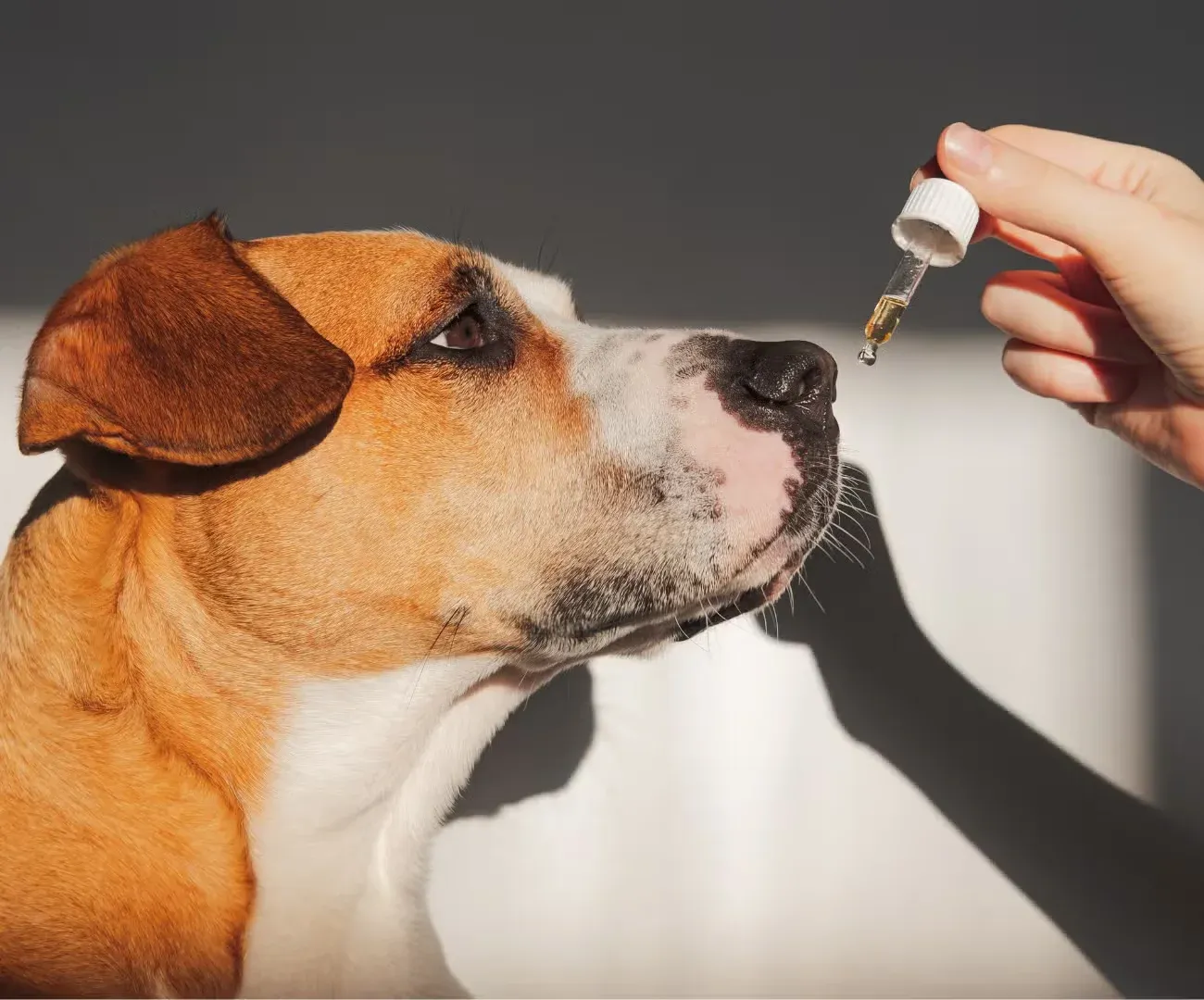
While liquid medication may be easier to administer to your pet, you may still want to consider capsules in certain situations.
Canva
How Trilostane Is Administered
Initially, trilostane was only available as capsules in a limited range of strengths, so dogs were dosed by weight category rather than individual needs. Since then, Dechra (the maker of Vetoryl) has introduced capsules in a variety of sizes, allowing for lower and more precise dosing.
Certain pharmacies also offer a liquid suspension, which makes accurate dosing easier for small dogs and cats and simplifies treatment for pets that resist pills. The liquid comes in multiple flavors—beef, chicken, and bacon for dogs; tuna and salmon for cats—to improve acceptance.
Both capsules and liquid are given by mouth once or twice daily, usually with food. To keep drug levels steady, administer at the same time each day.
Each form has its own advantages, and the best choice depends on your pet.
Advantages and Disadvantages of Trilostane Capsules
| Pros | Cons |
|---|---|
| Recommended treatment method. |
|
Difficult to dose small dogs and cats.
| |
Clear amount of medication given per dose.
| |
Advantages and Disadvantages of Liquid Trilostane
| Pros | Cons |
|---|---|
| More accurate dosing for small dogs and cats. |
|
Must be prepared by a compounding pharmacy.
| |
Easy to use for pets that will not take pills.
|
Medication may not be spread evenly throughout the liquid, so doses may be harder to pinpoint.
| |
Several flavors available (e.g., tuna or salmon).
| |
Prescription Requirements for Trilostane
Trilostane is available only by prescription. A veterinarian will prescribe it only after Cushing's has been confirmed through testing. Once you have a prescription, you can order trilostane online.
Missed Dose Instructions
If you miss a dose, skip it and give the next dose at the usual time. Never double up, as this can overdose your dog. Several smartphone apps can remind you to give medication every twelve hours.
If you will be away and will miss multiple doses, arrange for someone else to administer the medication.
Consequences of Stopping Trilostane
Do not discontinue trilostane without first consulting the veterinarian managing your dog's care.
Stopping the drug will likely cause a return to the hyperadrenocorticoid state, and the negative effects can reappear. In some cases, the medication may be less effective when restarted. (This has only been documented in Alopecia X.)
If you suspect your dog is having adverse effects from the medication, call your veterinarian to discuss before stopping trilostane. Your vet may advise stopping the drug until your dog can be hospitalized for blood tests.
Onset of Action for Trilostane
Because cortisol and other hormones are produced continuously, the enzyme-blocking action of trilostane begins as soon as it is absorbed. Peak levels of trilostane occur 1.7 to 3.8 hours after administration. (6) It usually takes at least a day before any symptoms improve.
The time required to resolve all clinical signs of Cushing's varies. Many dogs with the disease develop high blood pressure, which may not resolve even after a year of treatment. (7) Skin problems associated with Cushing's in dogs also take several months to improve. (8)
Trilostane's effect wears off in less than 12 hours, which is why current guidelines recommend a lower dose given twice daily. Clinical signs do improve with once-daily dosing, but they resolve faster with twice-daily dosing.
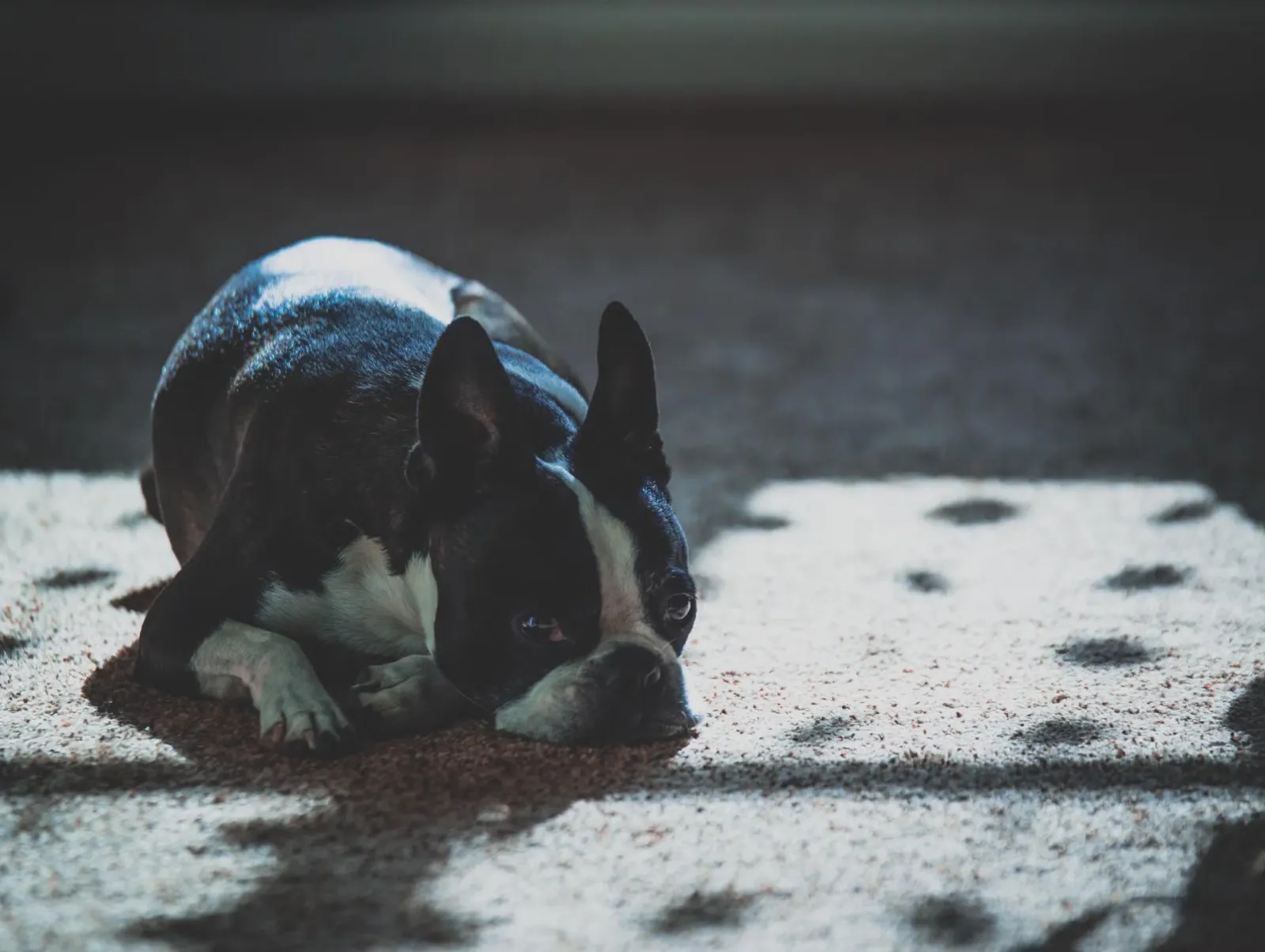
If your dog develops diarrhea, vomiting, or collapses after taking trilostane, a veterinarian should be contacted immediately.
Photo by Casey Horner on Unsplash
Possible Side Effects
Does trilostane make dogs sick? Dogs with pituitary or adrenal tumors are already ill, and in most cases the medication helps them improve. However, some dogs may experience side effects such as vomiting, diarrhea, lethargy, and loss of appetite. (1) Some dogs need a reduced dosage, while others may need to stop the medication. Contact your veterinarian if you notice any side effects.
About 15% of dogs can develop hypoadrenocorticism (Addison's disease) after 2 years of trilostane treatment. (9)
Most side effects resolve after stopping the drug, but in rare cases, dogs may suffer permanent adrenal gland damage and die. If your dog develops diarrhea, vomiting, or collapses, contact a veterinarian immediately.
Risk Factors and Special Precautions
Regular monitoring of cortisol levels is important because some dogs develop low hormone levels with long-term use. (10) There are no reports of allergies or hypersensitivities to the drug, but watch your pet after dosing. Swelling around the eyes, raspy breathing, hives, or red skin could indicate an allergic reaction and is an emergency.
Reported deaths are not from allergies but occur after long-term use. Longevity studies indicate that the benefits of treatment outweigh the risks, as untreated dogs face a greater risk of death and lower quality of life.
Can Trilostane Cause Liver Damage?
Trilostane is relatively safe, but its use requires careful monitoring in patients with existing liver or kidney disease. (1) It is metabolized in the liver and excreted in urine, so both organs are important for its removal. However, trilostane does not cause liver damage.
Known Drug Interactions
If your dog is being treated for Cushing's, it is essential to inform your veterinarian about all other medications, including supplements, herbal remedies, and traditional Chinese medicines.
Any drug that suppresses steroid production, such as ketoconazole, can worsen your dog's condition. Drugs known to interact with trilostane include:
- ketoconazole
- mitotane
- potassium supplements
- potassium-sparing diuretics
- aminoglutethimide
- ACE inhibitors
Trilostane Overdose in Dogs
Several factors can lead to death in dogs taking trilostane. Overdose can occur if too much is given, or if the dose is too high for a dog with pre-existing liver or kidney disease to handle.
Unfortunately, reactions can happen even at low doses. To prevent overdose, follow your veterinarian's dosing instructions and bring your dog in for regular cortisol monitoring. The dose can be adjusted if the medication is too effective.

Trilostane may cause a rash if it comes into contact with your skin. Always wash your hands after administering this medication.
Canva
Accidental Exposure to Trilostane
If you touch trilostane while treating your dog, immediately wash the area with plenty of running water and soap. (11) Some people are sensitive to the medication and may develop a rash. If you notice any abnormalities, seek care at an emergency hospital. Avoid skin contact by never breaking open capsules; if using liquid, use only the dropper.
Always wash your hands after giving this medication, just in case of unnoticed contact.
Because the drug blocks steroid production, pregnant and nursing women should avoid handling it.
Cost of Trilostane
This medication is expensive, like other medical therapies for Cushing's disease, but far less costly than surgery or radiation. Even a small dog may require about $15 per week in Vetoryl capsules ($780 per year), and medium or large dogs will need more. The liquid formula is slightly more expensive because it must be compounded for each pet.
In addition to medication costs, numerous veterinary visits for cortisol testing will be necessary.
Storing Trilostane
Vetoryl capsules should be kept in their original packaging to protect from light. The package can be stored at room temperature.
Liquid trilostane should be kept at room temperature (about 25°C, or 68–77˚F), but always check the label for the manufacturer's instructions.
Both forms should be kept out of reach of children.
Alternatives to Trilostane
Although trilostane is considered the safest medical option for treating hyperadrenocorticism in dogs, there are medical and surgical alternatives:
- Mitotane: Mitotane is a drug related to DDT that destroys the part of the adrenal gland responsible for Cushing's disease. Historically, it was the first treatment to help dogs fight clinical signs, but it also led to more cases of Addison's disease, which can be fatal. Dogs treated with mitotane generally live about as long as those on trilostane if their adrenal glands do not fail. (12)
- Ketoconazole: Ketoconazole, usually an antifungal, is another option for dogs that have problems with trilostane. Survival time is similar, and although fewer dogs achieve resolution of clinical signs, it works well enough for some pets. (13) It is also much more affordable. The dosage required to control Cushing's in cats is so high that it would cause liver failure.
- Adrenalectomy: Instead of destroying part of the adrenal glands (as with mitotane), this surgery removes the entire gland. Dogs need lifelong supplementation with corticosteroids and mineralocorticoids to prevent an Addison's crisis.
- Hypophysectomy: This relatively expensive brain surgery involves removing the tumor on the pituitary gland. If the entire pituitary must be removed, the dog will require several hormone supplements for life.
- Radiation Therapy: This treatment is available only at certain veterinary colleges or specialty practices that treat cancer. One study found that dogs receiving radiation for pituitary tumors lived only about 4 months, though one dog lived for 3 years. (14)
- Herbal Therapy (ginseng, melatonin, lignan): None of these alternatives address the root cause. They may help reduce cortisone, but no studies are available on whether they work or not.
Sources
- Lemetayer J, Blois S. Update on the use of trilostane in dogs. Can Vet J. 2018 Apr;59(4):397-407. i.nlm.nih.gov/pmc/articles/PMC5855282/
- Ruckstuhl NS, Nett CS, Reusch CE. Results of clinical examinations, laboratory tests, and ultrasonography in dogs with pituitary-dependent hyperadrenocorticism treated with trilostane. Am J Vet Res. 2002 Apr;63(4):506-12. i.nlm.nih.gov/11939311/
- Mellett Keith AM, Bruyette D, Stanley S. Trilostane therapy for treatment of spontaneous hyperadrenocorticism in cats: 15 cases (2004-2012). J Vet Intern Med 2013;27(6):1471-1477. i.nlm.nih.gov/24011349/
- Nagata N, Kojima K, Yuki M. Comparison of Survival Times for Dogs with Pituitary-Dependent Hyperadrenocorticism in a Primary-Care Hospital: Treated with Trilostane versus Untreated. J Vet Intern Med. 2017 Jan;31(1):22-28. i.nlm.nih.gov/27906457/
- Cerundolo R, Lloyd DH, Persechino A, Evans H, Cauvin A. Treatment of canine Alopecia X with trilostane. Vet Dermatol. 2004 Oct;15(5):285-93. i.nlm.nih.gov/15500480/
- Vetoryl (trilostane) 2015 drug insert, Dechra Veterinary Products, Pointe-Claire, Quebec.
- Smets PM, Lefebvre HP, Meij BP, Croubels S, Meyer E, Van de Maele I, Daminet S. Long-term follow-up of renal function in dogs after treatment for ACTH-dependent hyperadrenocorticism. J Vet Intern Med. 2012 May-Jun;26(3):565-74. i.nlm.nih.gov/22463105/
- Augusto M, Burden A, Neiger R, Ramsey I. A comparison of once and twice daily administration of trilostane to dogs with hyperadrenocorticism. Tierarztl Prax Ausg K Kleintiere Heimtiere. 2012;40(6):415-24. i.nlm.nih.gov/23242222/
- Braddock JA, Church DB, Robertson ID, Watson AD. Trilostane treatment in dogs with pituitary-dependent hyperadrenocorticism. Aust Vet J. 2003 Oct;81(10):600-7. i.nlm.nih.gov/15080470/
- King JB, Morton JM. Incidence and risk factors for hypoadrenocorticism in dogs treated with trilostane. Vet J. 2017 Dec;230:24-29. i.nlm.nih.gov/29208212/
- Safety Data Sheet for Vetoryl® (Capsules 5mg, 10mg, 30mg, 60mg and 120mg), Issue Date: 09/2017. s.com/Files/Files/ProductDownloads/us/Vetoryl-SDS-2017.pdf
- Barker EN, Campbell S, Tebb AJ, Neiger R, Herrtage ME, Reid SW, Ramsey IK. A comparison of the survival times of dogs treated with mitotane or trilostane for pituitary-dependent hyperadrenocorticism. J Vet Intern Med. 2005 Nov-Dec;19(6):810-5. i.nlm.nih.gov/16355673/
- Lien YH, Huang HP. Use of ketoconazole to treat dogs with pituitary-dependent hyperadrenocorticism: 48 cases (1994-2007). J Am Vet Med Assoc. 2008 Dec 15;233(12):1896-901. i.nlm.nih.gov/19072605/
- de Fornel P, Delisle F, Devauchelle P, Rosenberg D. Effects of radiotherapy on pituitary corticotroph macrotumors in dogs: a retrospective study of 12 cases. Can Vet J. 2007 May;48(5):481-6. i.nlm.nih.gov/pmc/articles/PMC1852601/
© 2022 Mark dos Anjos, DVM