Detecting and Handling Suspected Bone Fractures in Dogs
Parker Lee
Recognizing Fracture Indicators in Dogs
Dogs engage in vigorous play, and during roughhousing it is common to see one dog pull another down and grip a leg. For owners of breeds with slender limbs—such as Miniature Pinschers or Italian Greyhounds—any tumble can be alarming. A dog limping after a play session is not necessarily a cause for panic, but certain situations warrant closer attention. The following table outlines frequent signs of a broken bone and the fracture category they tend to indicate.
| Symptom | Type of Break |
|---|---|
| Swelling of the joint or toes |
|
Closed fracture
| |
Limping
|
Usually not broken, but can be a closed fracture
| |
Inability to bear weight
|
Closed or open fracture
| |
Leg hangs free, unnaturally
|
Open or closed fracture
| |
Pain
|
Open or closed fracture
| |
Wound and exposed bone
|
Open fracture
| |
Bone sticking out through the skin
|
Open fracture
|
Responding When Your Dog Is Hurt
If your dog is limping without an open wound or visible bone protrusion, you might attempt the basic examination shown in the video above, and consider pain relief if professional veterinary care is genuinely outside your financial reach. However, your dog could be dealing with unseen internal damage or may be experiencing shock. Additionally, dogs frequently conceal discomfort, so the pain he feels may be greater than you realize.
If you have a credit card or any other method to pay the vet, please go ahead and get your dog checked out.
It is possible your dog does not have a fracture at all. That would not make the vet visit pointless—it would be good news. A veterinarian may prescribe pain medication and recommend rest. With an open wound, though, waiting is not an option. Such wounds can become contaminated rapidly, and once bone tissue is infected, healing becomes very challenging. Delaying care could result in permanent lameness or even necessitate amputation of the limb.
The necessary course of action is to get your dog into the car and to the veterinarian. Be aware that a dog experiencing pain may bite regardless of his usual temperament.
1. Apply a Muzzle
Most dogs will already be lying down, but if yours is still on his feet, gently encourage him to lie down. (Do not force the issue. If he resists lying down, it may be because the position causes significant pain.) A roll of gauze kept in the house works well as a makeshift muzzle. Simply slide it over your dog's snout and wrap it a few times. Avoid making it too tight, and once his mouth is closed, secure the gauze behind his ears.
(Watch the video for details on how to do this correctly. I suggest you practice now when your dog is healthy.)
If gauze is not available, use a leash as a muzzle. You may feel uneasy about muzzling your dog, but in addition to preventing bites, the gentle pressure on his snout can sometimes have a calming effect.
2. Apply a Temporary Splint Before Moving Your Dog
Before attempting to move him, your next priority is to prevent the bone from shifting and causing further damage. If you can identify where the fracture is located, you can immobilize it using a rolled-up magazine and some duct tape—but do not attempt to realign the bone before applying the temporary splint.
Wrap the magazine around the leg and place the tape on the outside of the magazine, not directly on your dog's leg. If he cries out in pain during splinting, leave him as he is and place him on the board you intend to use for transport.
For an open fracture, place a gauze pad from your first aid kit over the wound to keep it as clean as possible. If you have not assembled a first aid kit, at minimum cover the wound with a paper towel.
3. Transport Your Dog to the Veterinarian
A small dog can be lifted and carried. Place one hand beneath the belly and use the other to support the chest, then draw him close to you.
For a large dog, or if you suspect a small dog may have a broken back, lift him onto a board. Look around your home right now. What items do you have that could serve to move your dog?
Move him to the car and place him in the back seat. You should already have a regular veterinarian, but even if you do not, nearly every clinic will be willing to assist you.
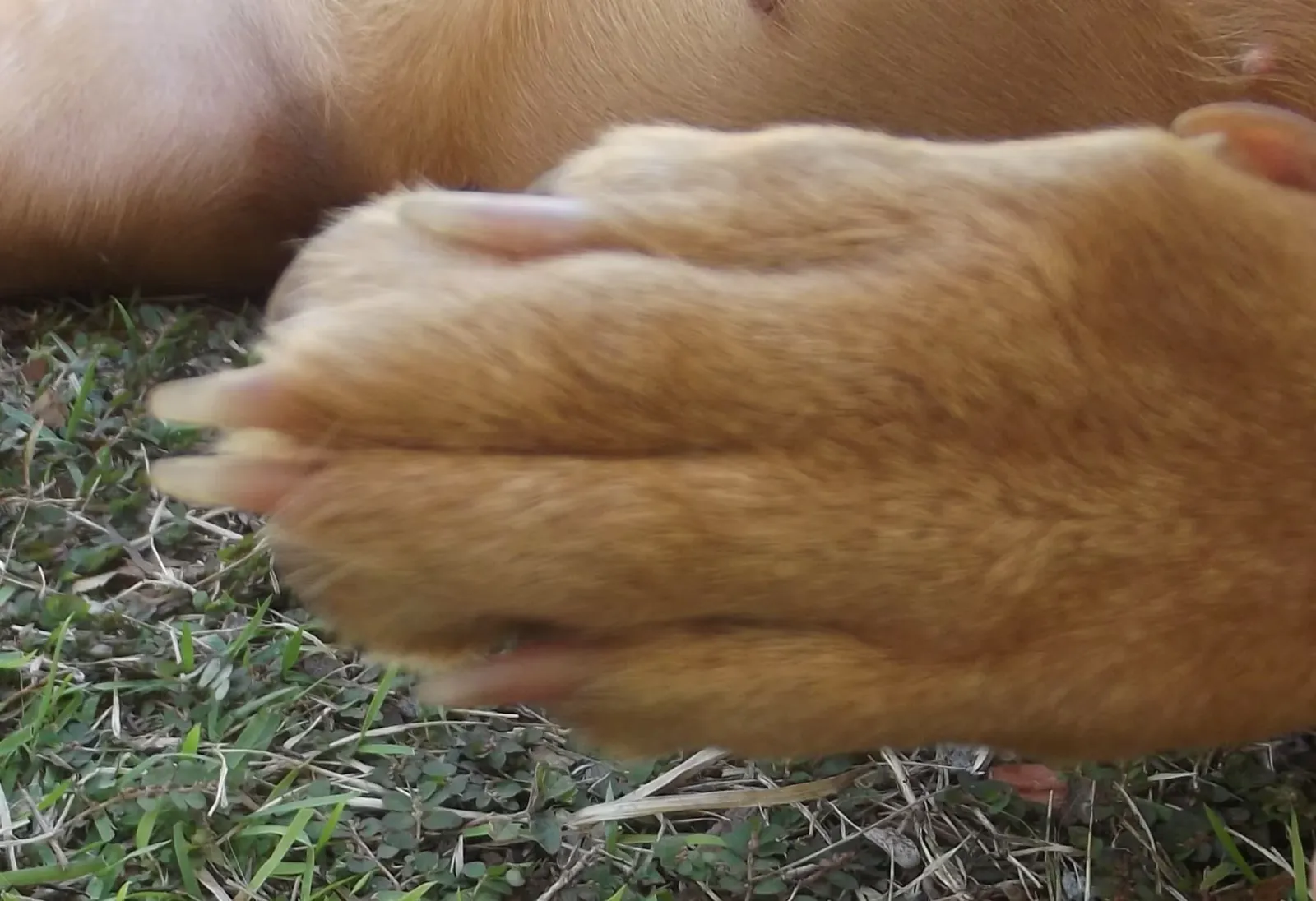
If the toes are next to each other and there is no swelling in your dog’s foot, it is probably not broken.
DrMark1961
Ensure Your Dog Receives Proper Care
A fractured bone may heal with only a cast and rest, but without a veterinary examination, you cannot be certain of that outcome. Keep in mind that your dog relies on you the way a child would—he depends on you to make the right decisions. Be responsible.
Questions?
If you have any questions about this article or other health issues with your pet you can contact me through my Ask a Vet column on Pethelpful.com.
Emergency Muzzles
The video below shows the best method of applying an emergency muzzle. It does take some practice, however, so now is the time to try it, not when your dog is injured and needs your help.
The muzzle in the next video below is only for emergency situations; it does not allow your dog to pant normally, like with a “cage-type” commercial muzzle. If you really need it, though, it is quick and may help. Watch this now so you will be prepared if you ever need it.
Questions & Answers
Question: My Rottweiller was running and I thought he broke his back leg when he fell. I took him to the vet and he told me he will need surgery on his knee. What should I do?
Answer: Your dog most likely damaged his cranial cruciate ligament (ACL). There are several alternatives to surgery, and surgery is not always the answer to your dog’s problems. Take the time to learn about the procedure and the alternatives before putting your dog through a major operation. You can learn more by reading s.com/dogs/dog-cruciate-ligament-re…
© 2014 Mark dos Anjos, DVM