Woodland Walks and Dog Health: Understanding Seasonal Canine Illness
Rowan Williams

Seasonal Canine Illness: A Mysterious Ailment
In 2009, a puzzling sickness emerged among dogs walked in the woodlands of the Sandringham Estate in the UK. Although the estate is privately owned by the royal family, the public has access to its forests, and many dog owners frequent the area. That autumn, multiple dogs fell ill without any clear reason, and some did not survive. As winter arrived, the cases dwindled, and through spring and summer, no new incidents were reported. But in autumn 2010, the illness struck again. The pattern suggested a new disease had appeared in the UK, and because it seemed tied to a specific season, it was named Seasonal Canine Illness (SCI).
Initially confined to the Sandringham area, similar cases soon cropped up across the country over the following years, indicating that the unknown cause was spreading. In 2010, the Animal Health Trust (AHT), a charity focused on improving animal health through research, launched an investigation into SCI. To date, that research continues, and no definitive cause or explanation for why only some dogs are affected has been found.
This lack of certainty has made SCI a frightening prospect for dog owners—how can you protect your pet from something you don't understand? Thankfully, there are established facts about SCI that can help us safeguard our dogs, even without knowing exactly what triggers it.
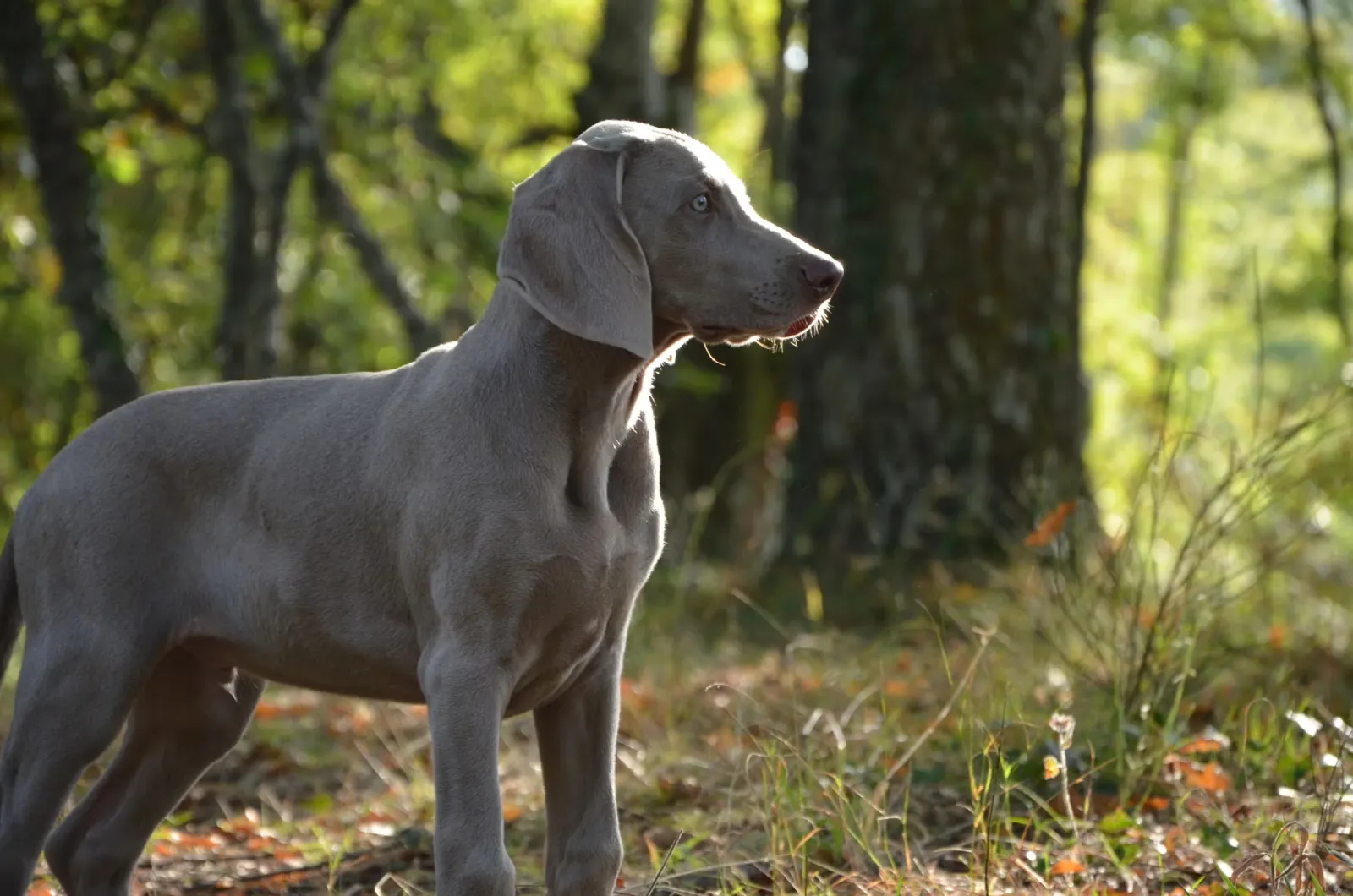
Cases of SCI have been linked to dogs being walked in woodland
Public Domain
Identifying SCI: Symptoms and Diagnosis
The signs of SCI can easily be confused with other common illnesses. Dogs typically develop vomiting and diarrhea, which might look like a simple stomach upset. What sets SCI apart is the profound lethargy and severe abdominal pain. Some dogs become extremely nauseous, run a fever, or experience muscle tremors. An affected dog may appear almost collapsed, weak, and reluctant to move, often hunched over from belly pain.
Without treatment, dehydration can set in, and in severe cases, the disease can be fatal. However, with prompt veterinary care—usually involving intravenous fluids, anti-nausea medication, and sometimes antibiotics—most dogs pull through. According to First Aid for Pets, which offers veterinary-approved first aid courses, the majority of dogs that contract SCI and receive treatment recover within 7–10 days. As of 2012, only 2% of affected dogs died, a marked improvement from the 20% mortality rate seen in 2009/2010. This drop is thought to be due to increased awareness among vets and owners.
A crucial clue for diagnosis is timing: SCI symptoms appear within 24–72 hours after a dog has been walked in woodland. If your dog shows these signs and has been in a wooded area within the past three days, there's a strong chance it's SCI, and immediate veterinary attention is needed.
Another key point: SCI only occurs at certain times of year, typically between August and November. This seasonal pattern, combined with the fact that it seems to be contracted in specific locations (woodlands), points to an environmental trigger. Something in the woods during autumn causes the illness, but what that something is remains a mystery.
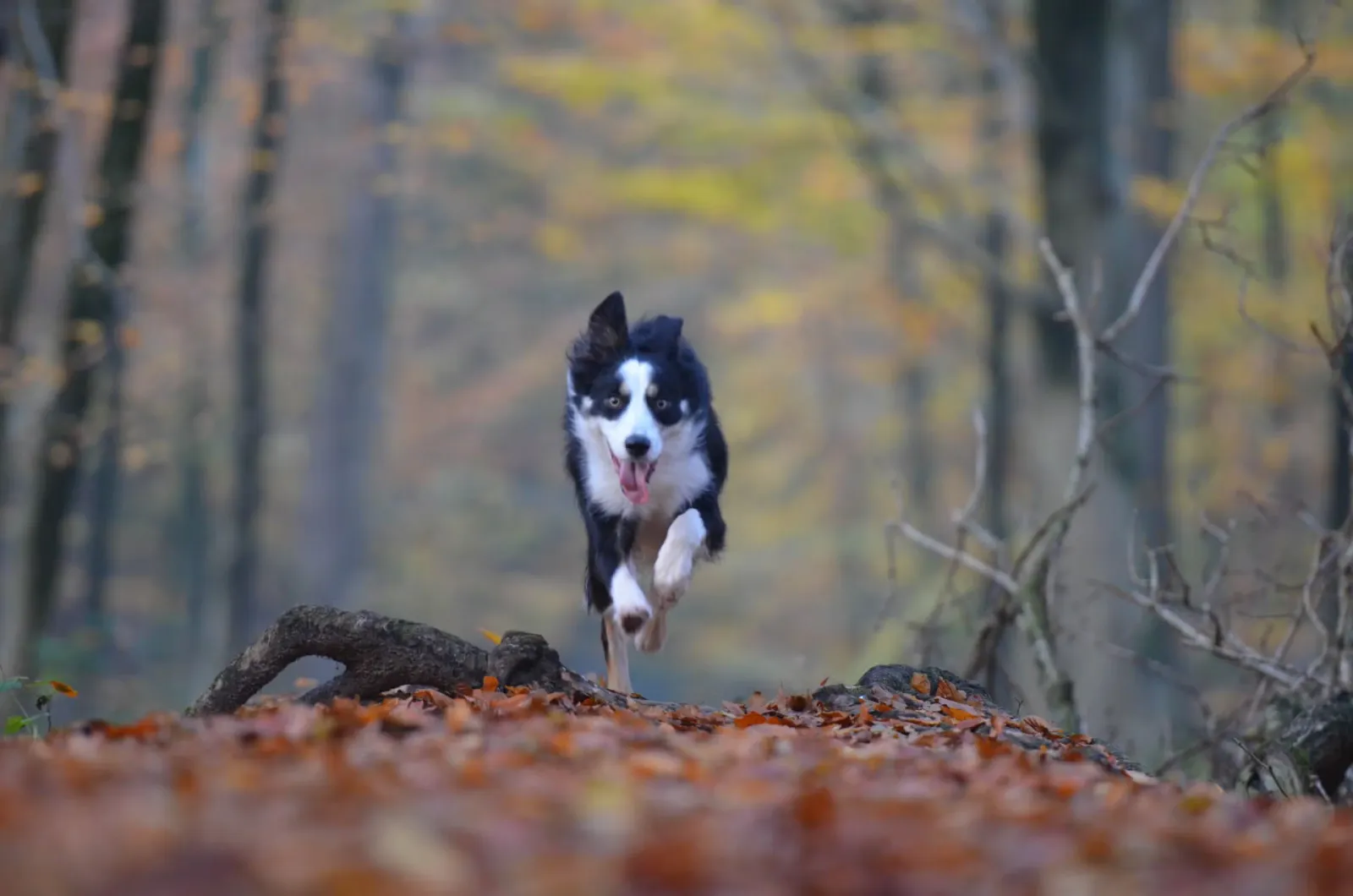
SCI occurs during the late summer and autumn
Public Domain
How Likely Is Your Dog to Get SCI?
While SCI is serious, it's also rare. The Blue Cross notes that reported cases have declined since the disease was first recognised in 2010, and with better understanding, fatalities have dropped significantly. Dogs of any age, gender, size, or breed can be affected, and no particular group (such as puppies) appears to be at higher risk. In the same woodland, many dogs may walk, yet only one or two become ill. Whether affected dogs have some predisposition or unaffected dogs have natural immunity is another unanswered question.
Many owners choose to avoid woodland walks between August and November. However, the Animal Health Trust says: “We would never want to say to people ‘do not go to the woods’ because the percentage of dogs that get ill is small.” During the peak SCI season, many working dogs are in woodlands, including on the Sandringham estate, as the shooting season begins. Cases among these dogs are limited, leading to speculation that regular exposure might build resistance, though evidence is unclear.
Key takeaways:
- SCI is rare.
- Avoiding woodlands from August to November greatly reduces the risk.
- Even if a dog contracts SCI, most survive with treatment.
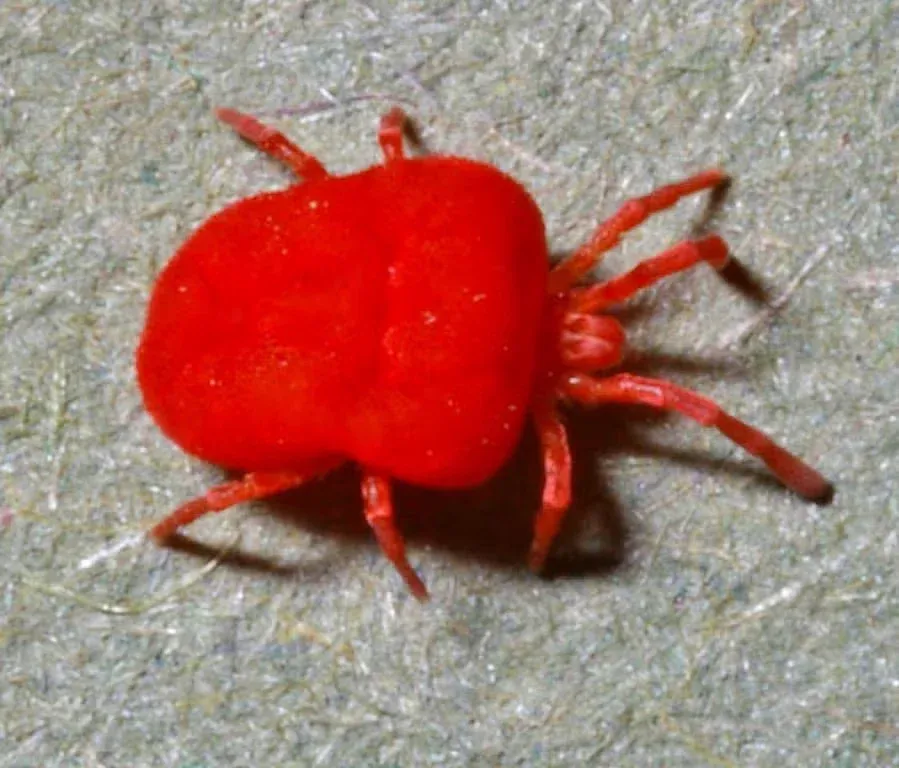
Harvest Mites, also known as Chiggers, have been blamed for SCI.
Wikimedia Commons (Alan R Walker)
Ongoing Research and Prevention Efforts
As awareness of SCI grows, owners want to know what's being done to stop it and what research is underway. When the AHT began investigating in 2010, theories included fungal spores or blue-green algae as possible causes. These were eventually dismissed, and in 2013, the AHT started a pilot study looking at harvest mites as a potential culprit. Several dogs with SCI were found to carry harvest mites, and since these mites are active at the same time of year as SCI cases, a link seemed plausible.
Harvest mites are tiny, red parasites that feed on skin cells of animals, including humans. They have four life stages—egg, larva, nymph, and adult—but only the larval stage feeds on animals. They thrive in woodlands but can also be found in gardens, parks, and grassy areas. When a mite attaches to a dog, it eats away skin cells, causing intense irritation and itching. In late summer and autumn, many dogs suffer from harvest mite bites.
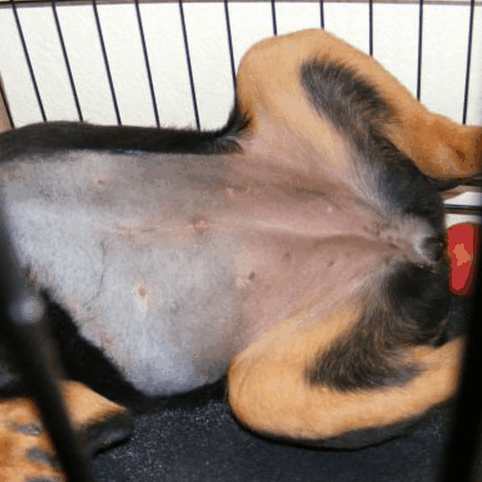
Severe infestations can cover a dog's skin, especially on the chest, armpits, belly, and around the genitals. The mites themselves look like tiny red or orange dots, but often the damage—red, angry welts—is more noticeable than the parasites. In the UK, harvest mites were not thought to carry diseases until the SCI outbreaks. However, in East Asia, a related mite species transmits Scrub Typhus, a disease affecting humans and pets with symptoms like fever, headache, muscle pain, cough, and gastrointestinal issues—strikingly similar to SCI in dogs. Could UK harvest mites have become carriers of a similar disease that only affects dogs?
Research is ongoing to confirm whether harvest mites are truly to blame. In the meantime, one suggested preventive measure is using a fipronil-based parasite treatment. Castle Vets of Reading offers this advice:
“There is no official licenced preventative treatment for harvest mites in the UK but Fipronil spray treats some other mites effectively and is thought to have an effect on the harvest mite. Fipronil spray is a prescription medication that is available from most veterinary practices (alternatively you can ask your vet for a prescription so that you may buy it elsewhere).”
Until the full causes of SCI are understood, the best approach is vigilance: avoid woodland walks if possible between August and November, and always consult a vet if your dog becomes unwell.
This article is accurate and true to the best of the author’s knowledge. It is not meant to substitute for diagnosis, prognosis, treatment, prescription, or formal and individualized advice from a veterinary medical professional. Animals exhibiting signs and symptoms of distress should be seen by a veterinarian immediately.
© 2019 Sophie Jackson