Chicken Feet and Beef Tracheas: Natural Glucosamine for Dogs
Charlie Ross
Considering Natural Glucosamine for Your Dog
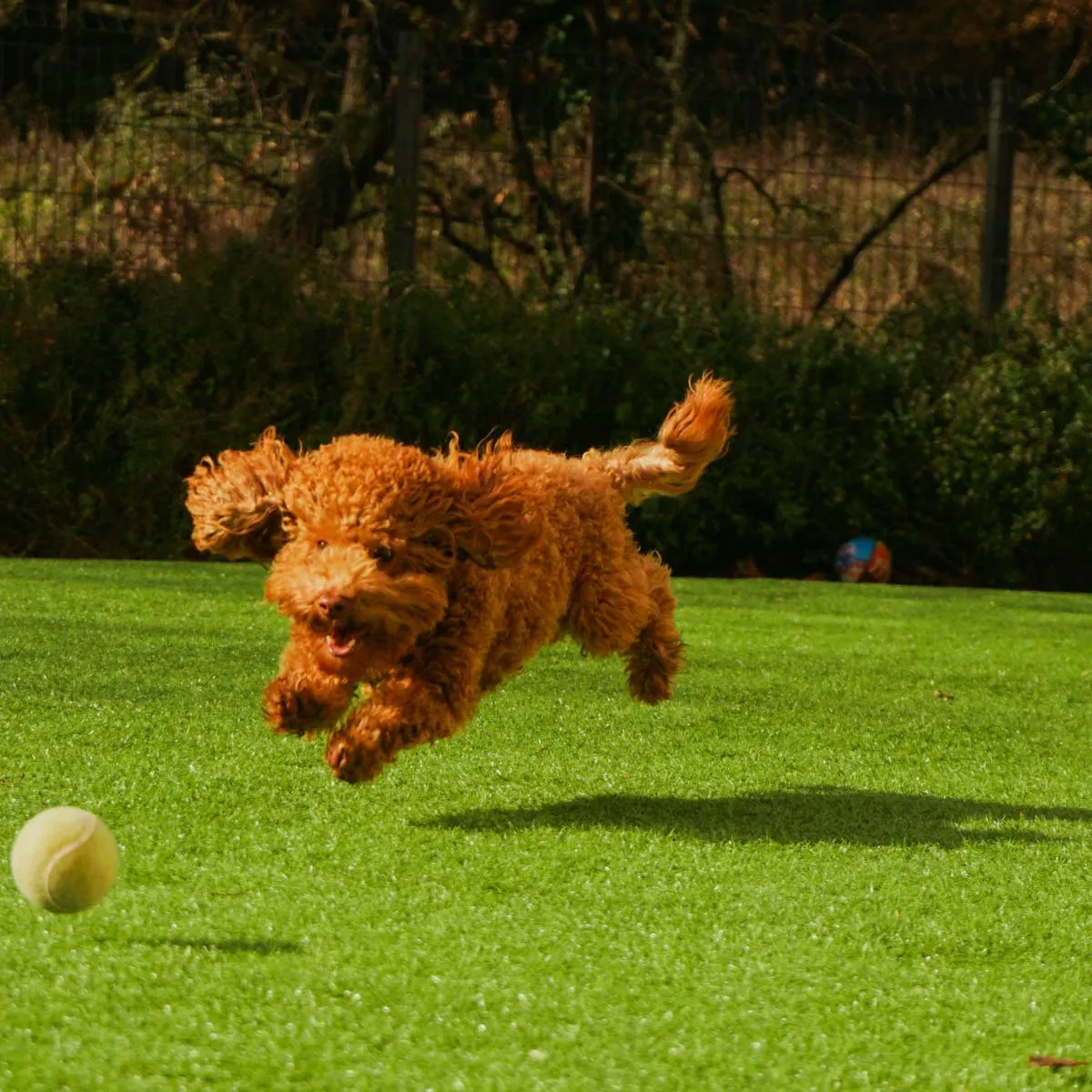
If you share your life with a large dog or a breed known to be susceptible to arthritis, you may want to explore ways to ward off joint problems as your companion ages. My own dog finds endless joy in chasing and leaping after a coconut leaf, sometimes for hours on end. Watching her have fun is wonderful, but I do find myself worrying about what all that jumping does to her joints.
What can be done? I am not going to ask her to stop jumping and enjoying herself. Instead, I can make sure she gets glucosamine and chondroitin—two nutrients that may help slow the progression of arthritis. These substances are considered so beneficial that they are sold as nutraceuticals, meaning nutrients that function like pharmacological agents.
Whether glucosamine and chondroitin actually prevent arthritis or simply protect joints after arthritis has begun is not entirely clear from scientific evidence. Still, there are no reports indicating that they help, either.
Regardless, I want to take action now, while my dog is still healthy, perhaps catching the problem before any clinical signs appear. If she later develops symptoms and the issue becomes more apparent, I will do even more.
Active dogs, especially those who love jumping games, may be at higher risk for joint issues down the line.
Photo by Amy Humphries on Unsplash
Glucosamine and Canine Arthritis
Veterinarians generally agree that adding glucosamine to an arthritic dog's diet can be beneficial. Some will offer a capsule, some may recommend a prescription dog food, and others might point you toward products at large pet stores or even glucosamine supplements labeled for humans.
Does Dog Food with Glucosamine Actually Work?
The sad truth is that most commercial dog foods—even those claiming high glucosamine levels—fall short and will not deliver an adequate dose. For a medium-sized dog (around 20kg) needing roughly 1000mg of glucosamine daily, the typical dog foods on the market would require anywhere from 8 to 20 cups a day to be effective. Since your dog likely eats only about 3 or 4 cups to stay healthy, dog food is not a practical solution.
Natural Sources of Glucosamine
Given that none of the dog foods, including "prescription" diets, contain enough glucosamine for an arthritic dog, should you buy pills from your vet or drugstore, or should you turn to a natural source?
I, for one, am skeptical of the companies producing those pills. They are not pharmaceutical companies and are not closely regulated. My dog gets her glucosamine from shellfish, lobster (well, once!), shrimp, crabs, chicken feet, and beef tracheas—all-natural sources!
Natural sources likely provide far more of this nutraceutical than a pill. Some glucosamine-rich foods also supply vitamins and omega-3 fatty acids. Others, like beef trachea, are almost pure cartilage and contain about 5% glucosamine, so a single 30-gram piece would have roughly 1400 mg—more than the recommended minimum dose to protect a medium-sized arthritic dog.
Featured Gallery
1 / 2

_Eating chicken feet does require teeth.
DrMark1961_

_Chicken feet taste good too, or so I am told.
DrMark1961_

_Dogs of all sizes enjoy chicken feet.
DrMark1961_
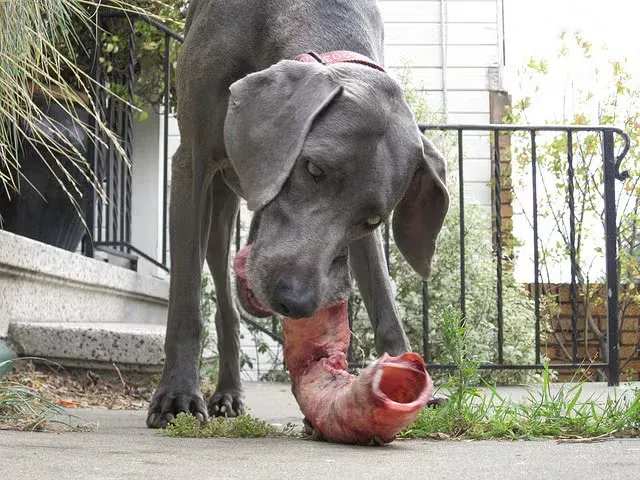
_Dogs enjoy trachea since it is almost pure cartilage.
cc-by ickr.com superfantastic 4024614653_

_Trachea is often sold with esophagus and other structures, so although the glucosamine levels will be lower, the dog will not mind.
DrMark1961_
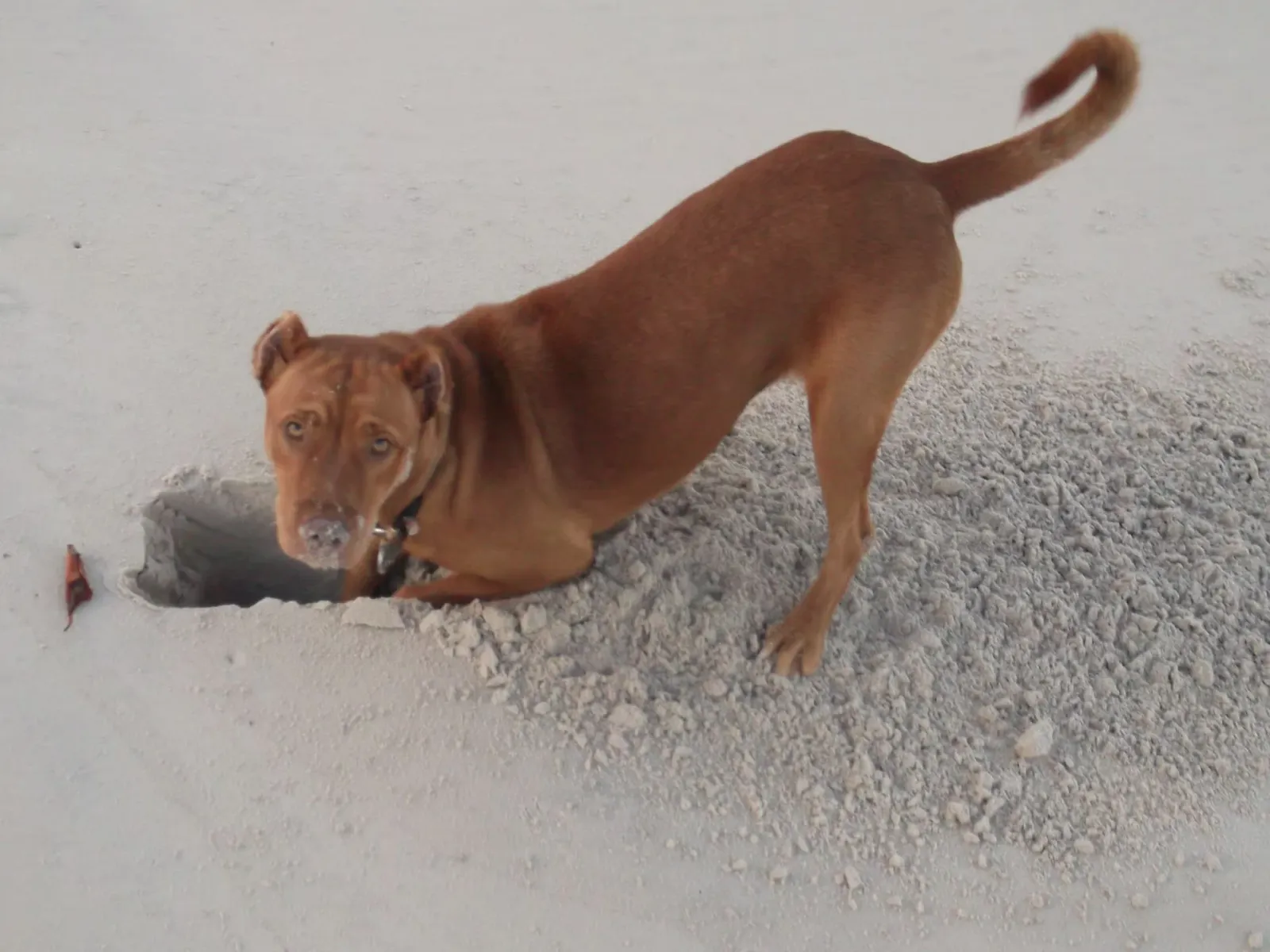
_Crab and other shellfish are high in glucosamine but are not always available or easy for a dog to catch.
DrMark1961_

_Catching crab does provide some glucosamine, plus it is great for the coat.
DrMark1961_
What Source of Natural Glucosamine Is Best?
I cannot say which source is best in your area, but chicken feet are inexpensive everywhere and should be a viable alternative for those buying expensive glucosamine supplements from a vet, pet store, or drugstore.
Glucosamine and Chicken Feet
One chicken foot weighs about 30 grams.
Each foot is about 30% cartilage.
Cartilage is about 5% glucosamine.
Thus: 30 grams x 30% x 5% = 0.45, or 450mg per chicken foot.
(This is an estimate. None of the companies that sell chicken feet will make this estimate, since they can get away with the vague statement "chicken feet have a lot of glucosamine.")
How Much Glucosamine Does a Dog Need?
Currently, I give my dog two chicken feet a day, or about 900mg of glucosamine. If she develops arthritis later in life, I will increase this to four feet. Four feet a day will be much higher than the clinical minimum dose that is currently recommended. (The only problem with giving too much glucosamine occurs when giving it in an artificial form. As a natural food, it does not hurt the dog.)
Some cultures are so convinced of the effectiveness of chicken feet that they provide it as a regular meal for geriatric persons with arthritis.
Your arthritic dog deserves that natural source.
This article is accurate and true to the best of the author's knowledge. It is not meant to substitute for diagnosis, prognosis, treatment, prescription, or formal and individualized advice from a veterinary medical professional. Animals exhibiting signs and symptoms of distress should be seen by a veterinarian immediately.
Questions & Answers
Question: Do the chicken feet need to be cooked, boiled or can a dog eat them raw?
Answer: My dogs enjoy them raw. I do not think that the cooking will destroy the glucosamine, but it is not necessary, nor is it helpful to your dog in any way.
Question: Is it ok to give a dog chicken feet with the toenails still on? Could that puncture something as they swallow it?
Answer: Toes nails are just keratin and digest just fine. They will not damage your dogs GI tract when passing down.
I do not remove them before feeding my dogs.
Question: Where can you buy chicken feet?
Answer: Talk to a local butcher that sells chicken. They can usually order them from the company that is supplying them with chicken. They may not want to order for you unless you are buying 10 kilos at a time though.
Question: Is the puppy in the picture eating a chicken leg or chicken feet?
Answer: The puppy in the photo is eating a chicken foot. It is the lower part of the leg, not the meaty part that is covered with feathers in a live bird. Yes, the bottom part with claws that the chicken walks on. It is not meaty and contains mostly cartilage covered in skin. It is a great source of glucosamine.
Question: Should we source organic chicken feet for the best quality?
Answer: Yes. I am not able to where I live, but for the best health of your dog, organic chicken feet is an excellent choice.
© 2014 Mark dos Anjos, DVM