Holistic Approaches to Managing Canine Allergic Skin Disease
Charlie Ross

Understanding Allergies and Skin Problems in Dogs
Many dogs brought to veterinary clinics are dealing with allergies, showing signs such as itchy skin, swollen ears, puffy paws, hair loss, and occasionally diarrhea. Conventional treatments—steroids, antihistamines, and antibiotics—often fall short. Steroids come with side effects, antihistamines fail to help many dogs, and antibiotics are not always necessary or effective.
In holistic veterinary practice, allergies are viewed not as the disease itself but as a sign of a deeper issue. Itchy skin and allergic reactions stem from poor-quality food, over-vaccination, and ongoing exposure to environmental toxins. While various herbal therapies—both internal and external—are discussed, they are not cures; only addressing the dog's underlying health will lead to improvement.
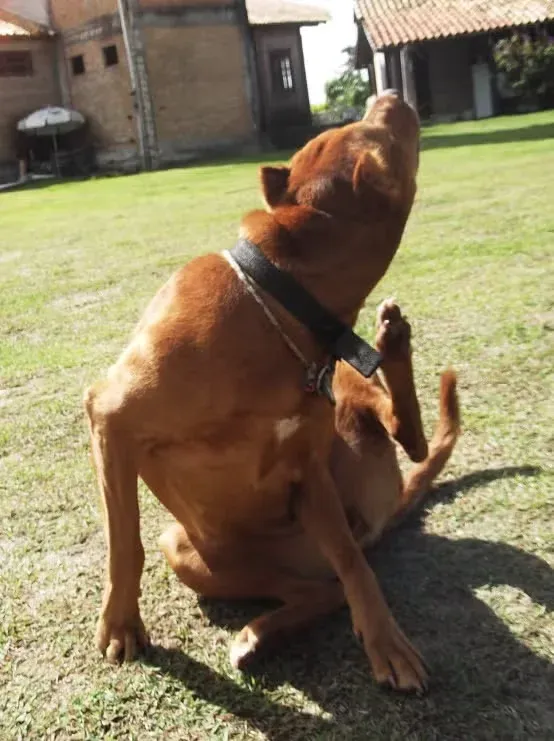
Lots of things cause itching, and lots of things help.
Natural Methods to Address Dog Skin Allergies
- Eliminate any flea infestation using chemical-free methods.
- Rinse your dog with apple cider vinegar to help relieve itching. As noted in another article, this must be organic apple cider vinegar.
- Administer a teaspoon of raw honey daily. (This is a rough dose for a medium-sized dog; a larger dog may need slightly more.) The honey must be local and raw—supermarket honey won't work. (Check a local health food store or a farmer's market.) Local honey contains local pollens and might help desensitize your dog to allergy season.
- Consider an herbal remedy. These are a few that may help, but others exist as well.
- Echinacea: This herb supports immune system function.
- Licorice root: Some sources suggest licorice root acts similarly to a corticosteroid, offering relief without the immune system damage associated with steroids.
- Nettle: This herb may have antibiotic properties.
Important Caution
Reliable dosing information for herbal remedies in dogs is lacking, so consult your veterinarian when using any natural treatment.

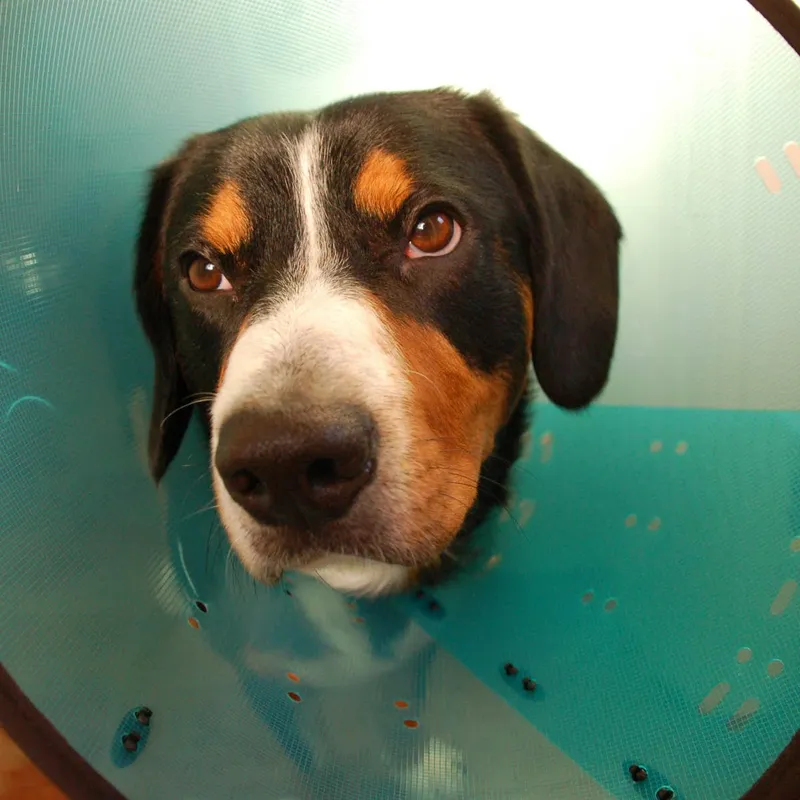
Allergic dogs sometimes need to wear collars so that their skin has some relief from chewing.
cc-by morepork 212856266
Additional Natural Strategies for Allergic Dogs
Dietary Improvements
Enhance the diet and incorporate omega fatty acids. If the cause of your dog's allergies is unclear, try removing potential allergens from her food, such as wheat and corn. Switch to a natural diet and eliminate grains and other carbohydrates that may be problematic. Leftovers and natural raw foods are healthier than the fillers used in commercial dog foods and are less likely to trigger allergies.
Reducing Indoor Allergens
For dogs that spend most of their time indoors, minimize environmental allergens by vacuuming daily (to cut down on dust mites and their debris) and using an air filter. If your dog frequently chews her feet, consider washing her paws after walks to reduce the allergens she brings inside.
Oatmeal Shampoo Baths
Bathing your dog with oatmeal shampoo can also be beneficial. If she is allergic to environmental substances, bathing may help keep her skin free of allergens. If her skin is inflamed, certain products can ease her discomfort. You can purchase a product or make your own by steeping oat straw in water.

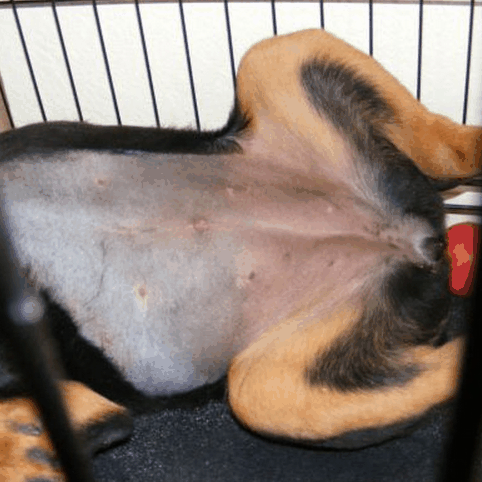
Dogs with allergies will lose hair.
cc-by desertdemocrat 2063557786
Final Thoughts
Holistic veterinarians aim to strengthen the immune system when treating allergies. Most herbal immune-supporting treatments are safe but can be costly. Finding a veterinarian open to alternative treatments for your dog is worthwhile. If none of these approaches bring relief, a holistic vet may offer other options.
Keep in mind how uncomfortable your dog is, and seek relief promptly.
This article is accurate and true to the best of the author's knowledge. It is not meant to substitute for diagnosis, prognosis, treatment, prescription, or formal and individualized advice from a veterinary medical professional. Animals exhibiting signs and symptoms of distress should be seen by a veterinarian immediately.
Questions & Answers
Question: My thirteen-year-old beagle won’t stop licking his tummy. I’ve tried the cone, spray, and leave it command, but as soon as we’re not looking, he licks the same spot. What should I do?
Answer: Lick granulomas are a psychological problem that occurs with allergies, but are much more common on the front legs and feet. I would take your Beagle to his regular vet to examine the spot since at his age it can be pre-cancerous. If it is not, he may need to be on long-term antibiotic therapy. You can also try rubbing the spot with coconut oil three or four times a day. (If he licks it off it is not going to hurt.) Vitamin E might also have positive effects; so you can rub a capsule on the spot once daily. (Again, licking it off is not a problem. A lot of the creams and other meds prescribed for a lick wound should not be licked off.)