Life With a Dog After Urethrostomy: What to Expect Down the Road
Logan Rivera
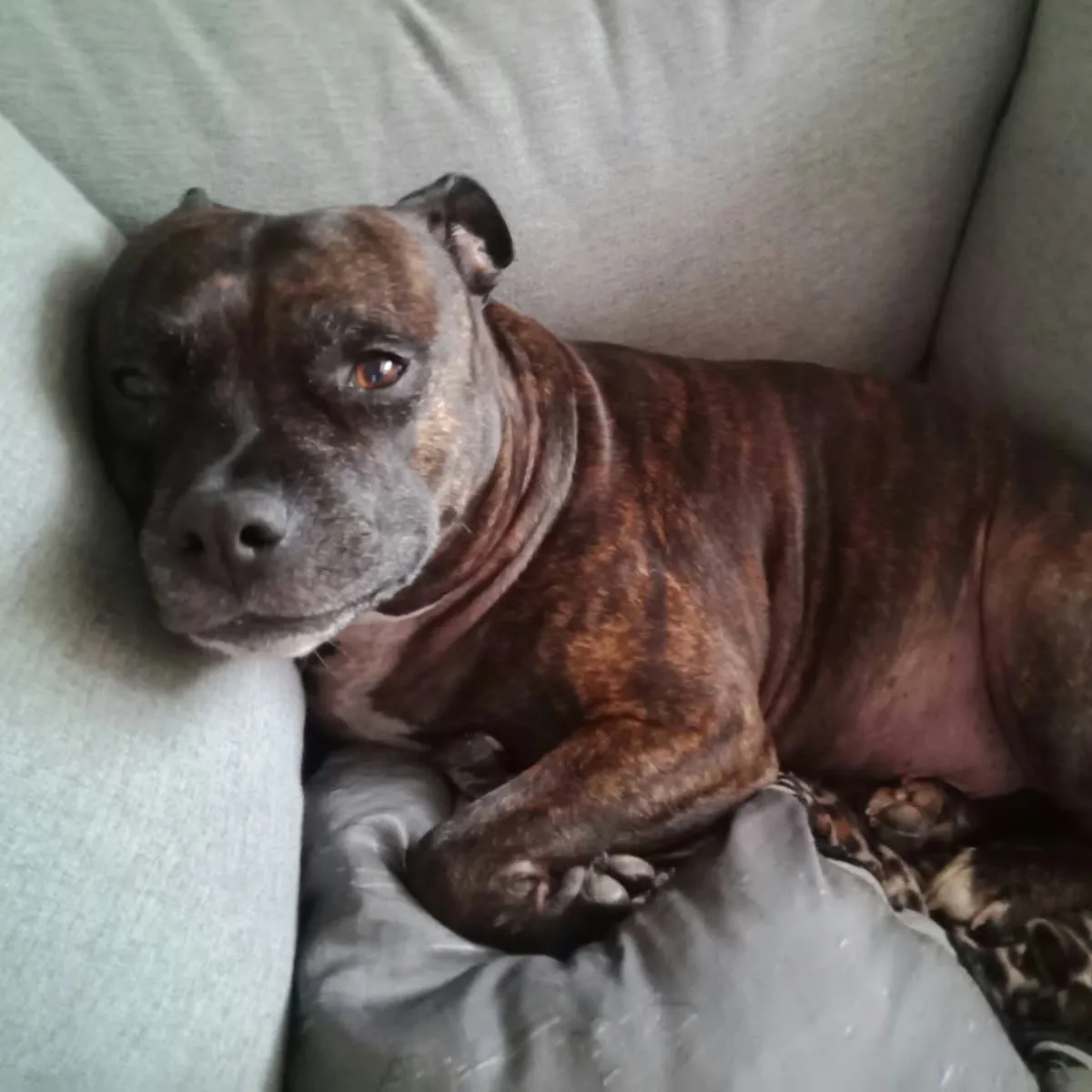
Canine Urethrostomy: The Road Ahead
A urethrostomy in dogs is a major, irreversible surgical intervention. When a dog undergoes this operation, it is often because the procedure was necessary to preserve the animal's life. The recovery period can be emotionally taxing for the owner and the pet alike, but keeping a positive outlook is helpful.
Try to appreciate the new lease on life that the surgery has provided. In my own case, my Staffordshire Bull Terrier is about five years past the operation and has not experienced any complications tied to it. With sufficient affection and attention, day-to-day life following this surgery can be just as fulfilling as it was beforehand.
What the Post-Operative Period Looks Like
Following the urethrostomy, a dog is often hospitalized. That said, this is not a universal rule, and it was not what happened for us. My dog came home only a few hours after the procedure, and the first several weeks were extremely difficult. Owners should anticipate that this period will be emotionally challenging for both themselves and their animals.
Expect Some Bleeding
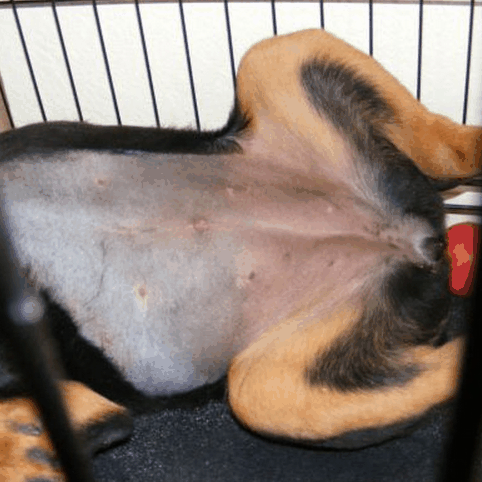
Substantial bleeding from the surgical area is to be expected, even though it can be frightening to witness. How much bleeding occurs and how quickly healing progresses differs from one dog to another, shaped by factors such as breed, temperament, age, and overall health. My American Staffordshire did not have an easy recovery. As a young, high-energy dog, keeping him quiet was extremely hard to achieve. Even so, that is the single most important thing to do—restrict your dog's activity and keep him as calm as you can.
Wound Hygiene Matters
Cleanliness, especially around the surgical site, is essential. Whenever possible, keep your dog inside, and clean the area carefully multiple times each day following urination and defecation. During the recovery period—and afterward too—I found baby wipes to be especially helpful. After a urethrostomy, dogs seldom urinate in a single, steady stream. Instead, the urine tends to spray in different directions, frequently landing on the dog's legs and feet, which can irritate the skin. Having wipes on hand helps prevent secondary skin problems from developing.
Complications That Can Arise During Recovery
Complete healing after a urethrostomy generally takes about six weeks. That timeline can be extended, of course, if issues such as sutures coming apart or infection affecting the wound occur. Below, we look at some of the problems that are commonly seen.
Maintaining a Clean Surgical Area
Stitches may come open, and the surgical site can be injured in various ways. For many owners, keeping the dog still enough to allow healing is a real challenge. A dog may be excitable and energetic, unwilling to remain stationary. The wound may itch, prompting the dog to scratch at it or drag itself along the ground. If any trauma occurs, go back to the veterinarian who performed the surgery right away. They will examine the extent of the damage and determine the appropriate course of action.
Warding Off Infection
To help prevent infection during recovery, your veterinarian may prescribe antibiotics. Infections are not common, but they are not impossible either. Watch for signs such as redness, swelling, or discharge at the surgical site. If these appear, return to the operating vet, who will evaluate the infection and prescribe antibiotics. In more serious infections, or if foreign material is present, the vet may decide to reopen the site and clean it out.
Whatever concern arises after surgery, the guidance is the same: stay in frequent contact with your veterinarian. Do not wait to call them and bring up anything that worries you.
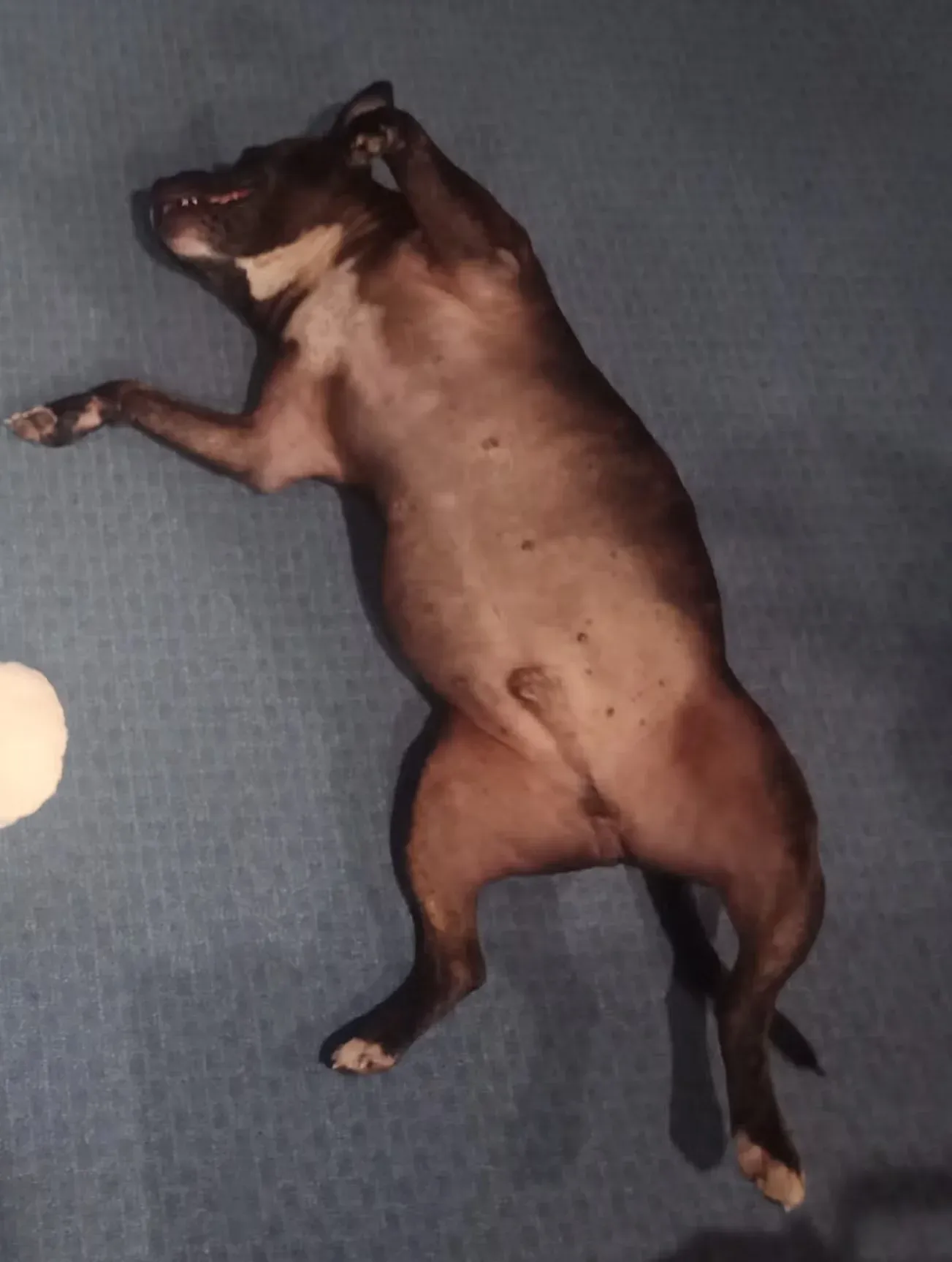
After recovery
Settling back into normal life once healing is complete can be its own adjustment process for both you and your dog. This section looks at what returning to routine involves, combining familiar habits with new challenges and new care practices.
Males Make Up Most Cases
The majority of dogs needing this procedure are male, which means they have likely been neutered as a result of the surgery, if they were not already. Because of hormonal shifts in addition to the anatomical changes, your dog may show behavioral changes that are typical of male dogs after being desexed.
Relearning How to Potty
Male dogs also lose the ability to urinate the way they used to. Shifting from a steady stream and leg lifting to spraying and needing to squat is a significant change for them. Over time, most dogs will figure out how to squat rather than lift a leg on their own. Some never will. For those owners especially, keeping the dog clean becomes essential. To this day, I still use baby wipes on my dog after every time he goes outside.
Grooming Considerations
Hair that grows around or into the new urethral opening must be kept trimmed, though not shaved down to the skin. Long hair can interfere with proper hygiene. On the other hand, shaving hair very close to the skin can lead to ingrown hairs. I was quite lucky: my Staffordshire has naturally short hair, so no extra grooming was required. Even so, I have to watch that his loose hair does not find its way into the urethral opening. Check the area regularly for any stray hair or other foreign material, such as grass or dirt.
Your pet should be able to play and walk just as before the surgery. Exercise remains as important as ever to their well-being, so do not hold back from taking them out. Keep an eye out, however, for 'grinding' behavior or excessive scratching on grass and carpets, which could irritate the new urethral opening.
As with any surgery, pets should keep receiving veterinary care and attend post-operative check-ups. This procedure may make future bladder stones less likely for your dog, but it can also leave your dog more prone to urinary tract and bladder infections. For that reason, routinely collecting and analyzing a urine sample is worth doing for the reassurance it provides.
Further Guidance on Caring for Your Dog After a Urethrostomy
For additional details about the procedure and how to support your pet through the early recovery phase, please see my article: “How to Care for Your Dog After a Urethrostomy.”
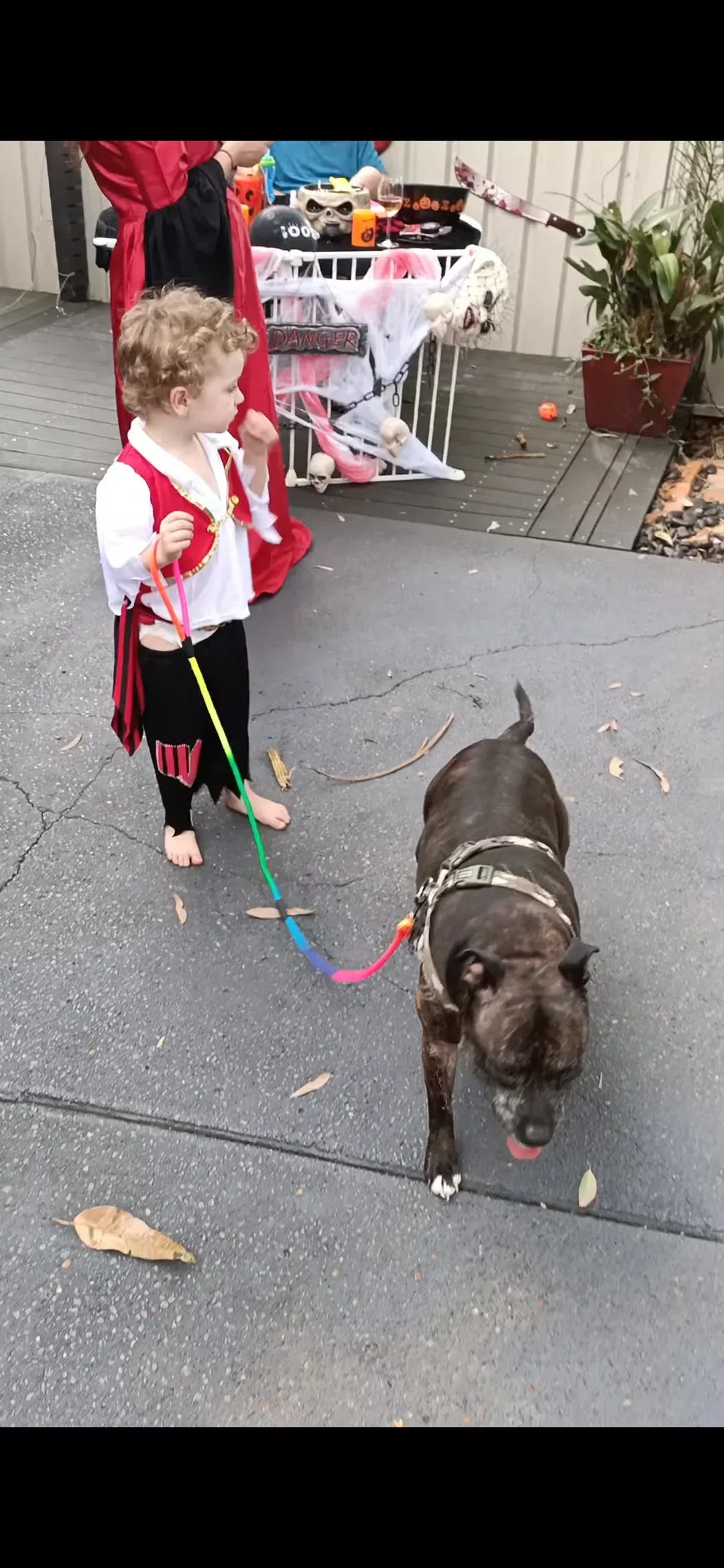
Knox entertaining the children on Halloween
This article is accurate and true to the best of the author's knowledge. It is not meant to substitute for diagnosis, prognosis, treatment, prescription, or formal and individualized advice from a veterinary medical professional. Animals exhibiting signs and symptoms of distress should be seen by a veterinarian immediately.
© 2019 Stephanie Purser