Canine Leptospirosis: What Every Dog Owner Should Know
Logan Rivera
Understanding Leptospirosis
Leptospirosis is a bacterial infection that can impact dogs, various animals, and people. In dogs, the signs can range from none at all to life-threatening illness. The culprit is a bacterium called Leptospira, which exists globally except in polar regions and extreme environments like the Sahara Desert.
Dogs typically contract leptospirosis through contact with urine from infected animals. This often happens in stagnant water—puddles, ponds, bogs, or waterlogged soil. If urine contaminates the water, Leptospira can enter a dog’s body when it drinks or wades through. The bacteria can penetrate mucous membranes and also enter through skin wounds.
The information in this article is given for general interest. Anyone with questions or concerns about leptospirosis with respect to their pet should consult a veterinarian.
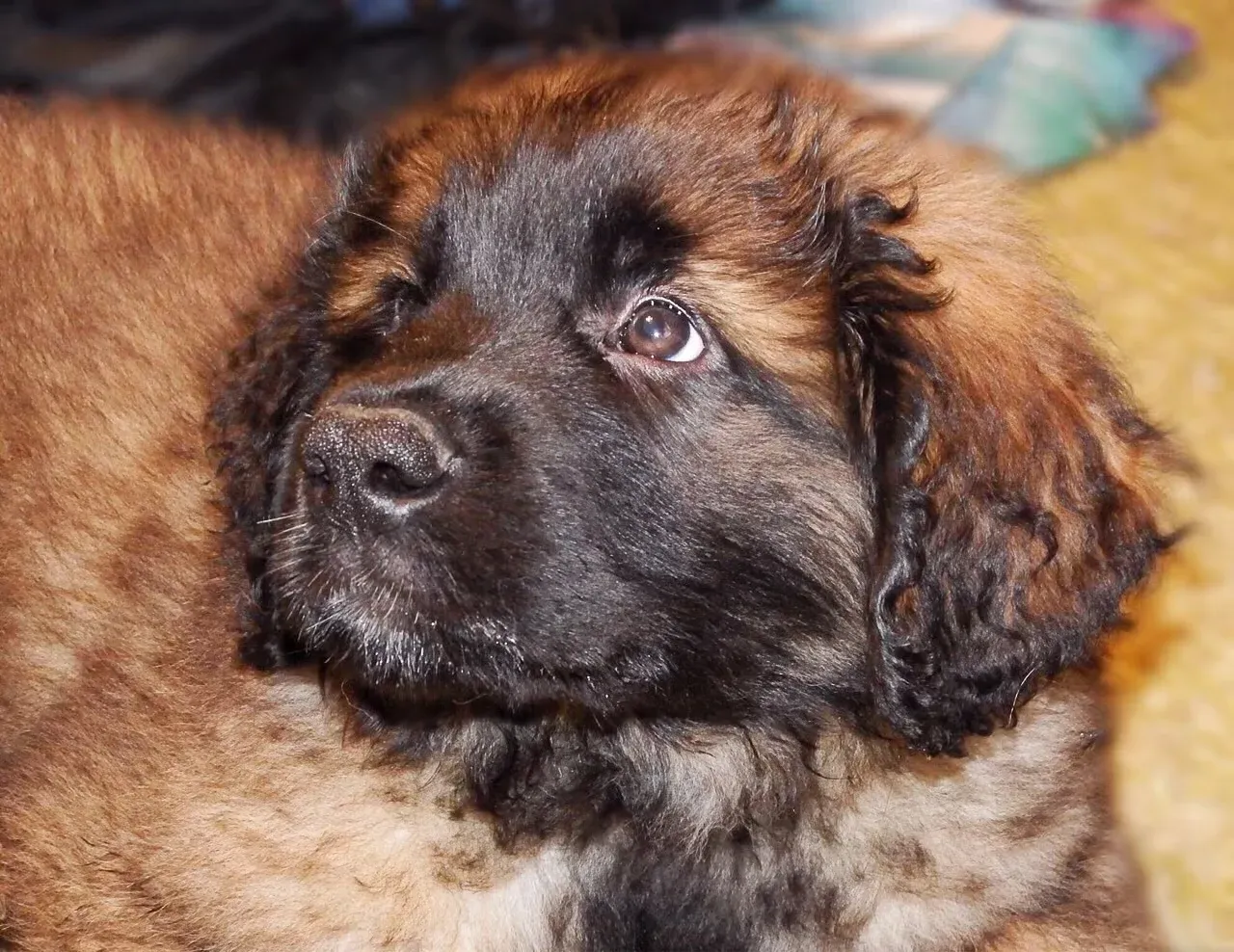
Puppies may be more seriously affected by leptospirosis than adults because they have immature immune systems.
Linda Crampton
The Leptospira Bacterium
The genus Leptospira is taxonomically complex and continually evolving as new research emerges. It contains multiple species that appear identical under a microscope. The disease-causing members are often collectively referred to as Leptospira interrogans.
The infective agent is a single-celled organism with a long, spiral shape. It belongs to the spirochaetes, a group of corkscrew-shaped bacteria. One or both ends are hooked, resembling a question mark—hence the species name. It moves rapidly, rotating and flexing as it travels. Despite the problems it can cause, it is a fascinating organism.
Leptospira interrogans encompasses numerous serovars, each with distinct surface molecules (antigens). Vaccines aim to protect dogs from the most common disease-causing serovars, and they can be quite effective. However, they do not cover every serovar, so if local serovars change, a different vaccine may be required.
A mucous membrane lines the passages and cavities in the body and has important functions. Unfortunately, Leptospira is able to move through the membrane.
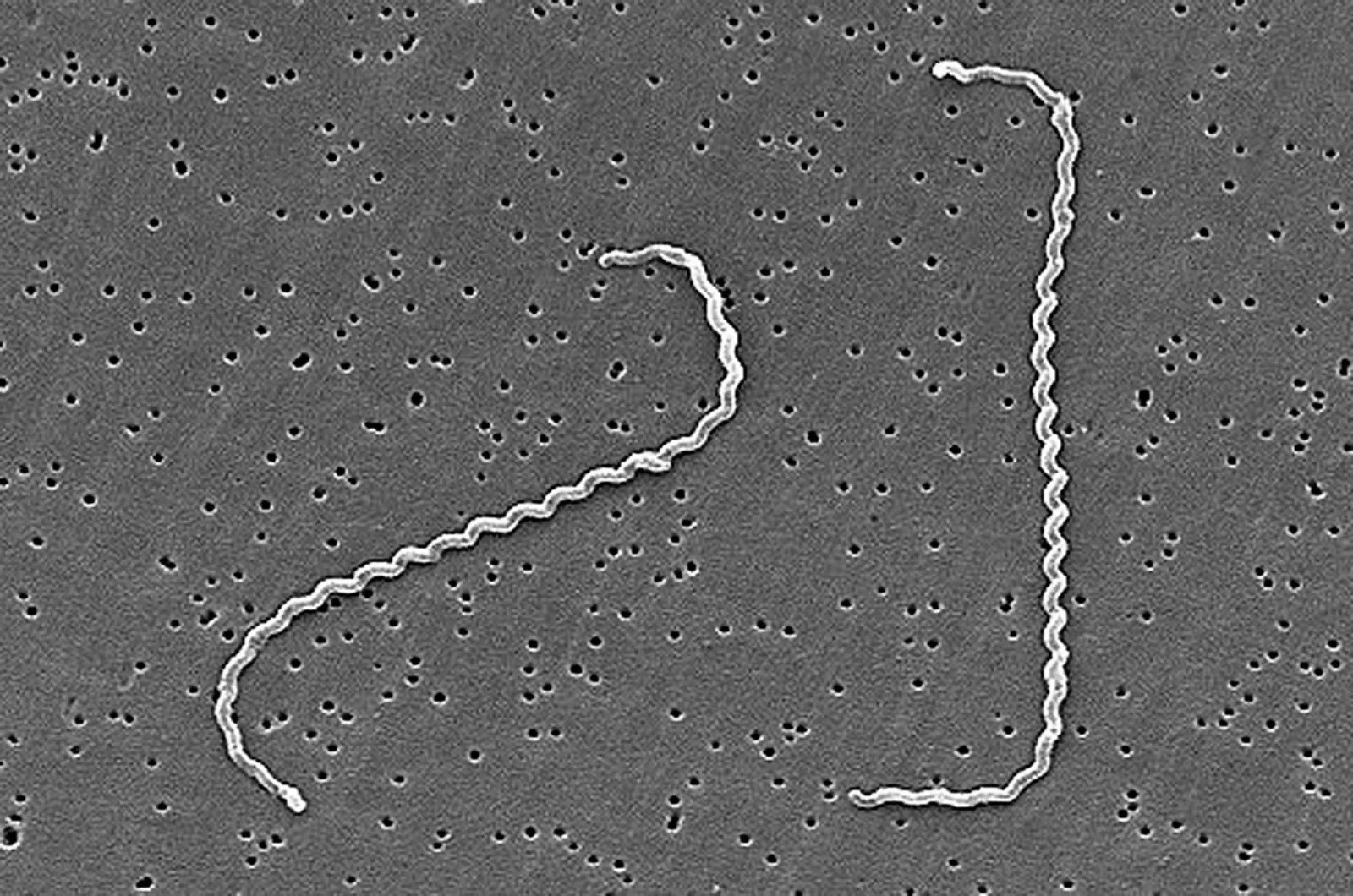
This is Leptospira interrogans as viewed under a scanning electron microscope; the bacteria have been trapped on a filter.
Janice Haney Carr at the CDC, via Wikimedia Commons, public domain license
How Canine Leptospirosis Occurs
Leptospira interrogans can infect a wide range of mammals, including humans, some domesticated animals, and many wild species. Not all infected animals become ill; some carry the bacteria without showing symptoms. Rodents are considered the most common source of transmission.
Still water is the most likely reservoir for Leptospira. Muddy areas, puddles, drainage ditches, ponds, and shallow lakes pose a potential risk. Infected wild or domestic animals may urinate into the water, or urine may drain in from surrounding land. In cities, garbage soaked with rat urine can spread the bacteria. Even a damp garden patch or soil can harbor the bacteria if an infected animal urinates there. Dog-to-dog transmission is also possible.
The bacterium enters a dog’s body when water containing infected urine contacts mucous membranes in the mouth, nose, eyes, or anus. Contaminated soil and food can also be sources. Additionally, bacteria can enter through skin wounds, even minor abrasions.
These microbes can survive for extended periods in fresh water surfaces. Once inside a dog, they enter the bloodstream and spread throughout the body. Their primary targets are the kidneys and liver, but other organs can be affected. The bacteria can cause kidney failure and acute liver disease.
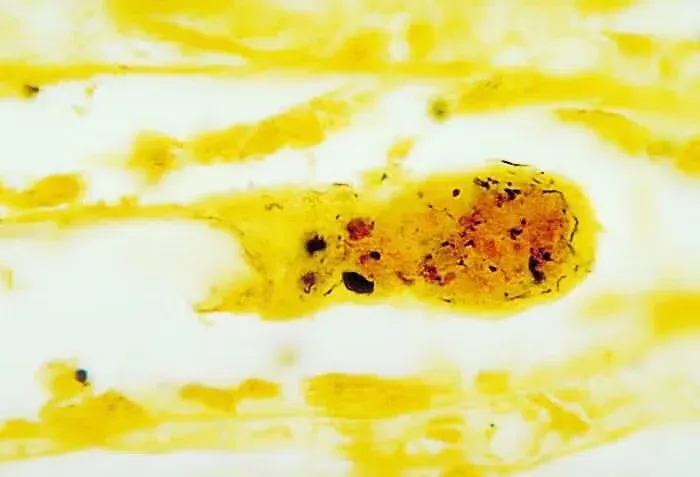
This is Leptospira bacteria (the black, thread-like structures in the central area) in a stained sample of kidney tissue.
CDC/Dr. Martin Hicklin, via Wikimedia Commons, public domain license
From Subclinical to Severe: The Range of Infection
Some dogs with leptospirosis show no signs at all—a subclinical infection. Others develop chronic illness. Some have mild symptoms that resolve without treatment, while others experience severe problems needing urgent veterinary care. When symptoms appear, they typically do so after an incubation period of about four to twelve days.
The symptoms listed below can also be caused by other diseases. Pet owners should monitor their dog’s physical condition and behavior. Consult a veterinarian if the dog has severe symptoms, multiple symptoms, or mild symptoms that persist.
Possible Symptoms of a Leptospira Infection
Potential problems in dogs sickened by Leptospira are listed below. An individual dog is unlikely to have all of these symptoms. Furthermore, any symptom that does appear may point to a different condition. A veterinarian’s diagnosis is necessary.
If a dog has leptospirosis, the type and severity of problems likely depend on the infecting serovar, the dog’s immune response, and its previous health status.
Symptoms can include:
- fever
- loss of appetite
- vomiting
- diarrhea
- dehydration
- excessive thirst
- increased urination
- muscle tenderness
- joint pain
- reluctance to move (due to muscle, joint, or kidney pain)
- depression and lethargy
- shivering
In some cases, additional signs may appear, such as:
- blood in urine, stool, saliva, or vomit
- nosebleeds
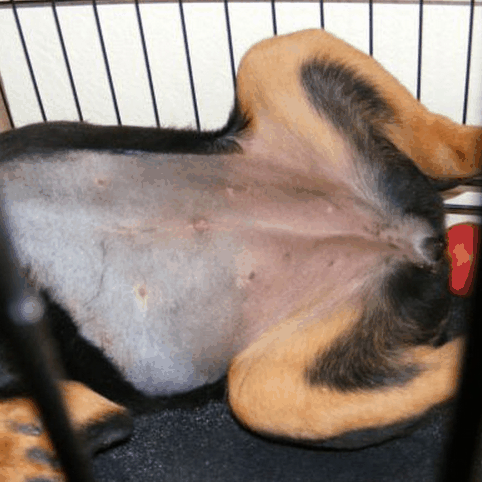
- tiny red spots on gums or skin
- yellowing of the whites of the eyes and skin (jaundice)
- fluid accumulation in the legs, abdomen, or chest
- difficulty breathing

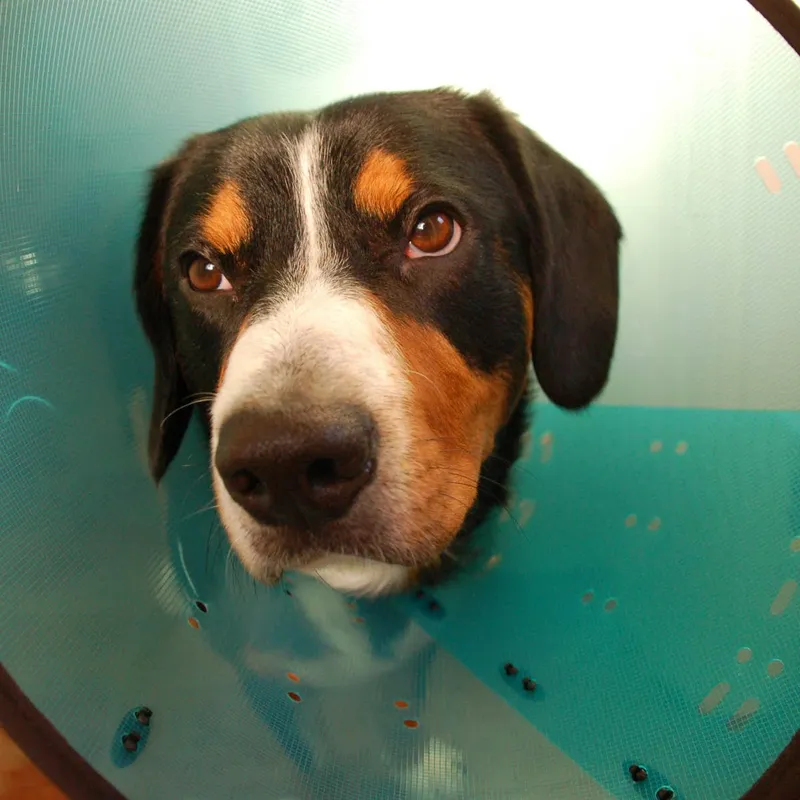
Leptospirosis treatment should be started as soon as possible in order to return an animal to health and happiness.
Linda Crampton
Common Treatment Approaches
Diagnosis of leptospirosis is usually confirmed through various blood tests, and sometimes a urine test. Treatment often involves antibiotics and, if needed, intravenous or subcutaneous fluids. Intravenous fluids are given into a vein; subcutaneous fluids are injected under the skin. Other medications, such as anti-vomiting drugs, may also be prescribed.
Early treatment is crucial for a favorable outcome. Antibiotics are often effective, and many dogs recover. However, serious kidney or liver damage makes successful treatment more difficult. Sadly, fatalities can occur even with medical care. The disease should always be taken seriously.
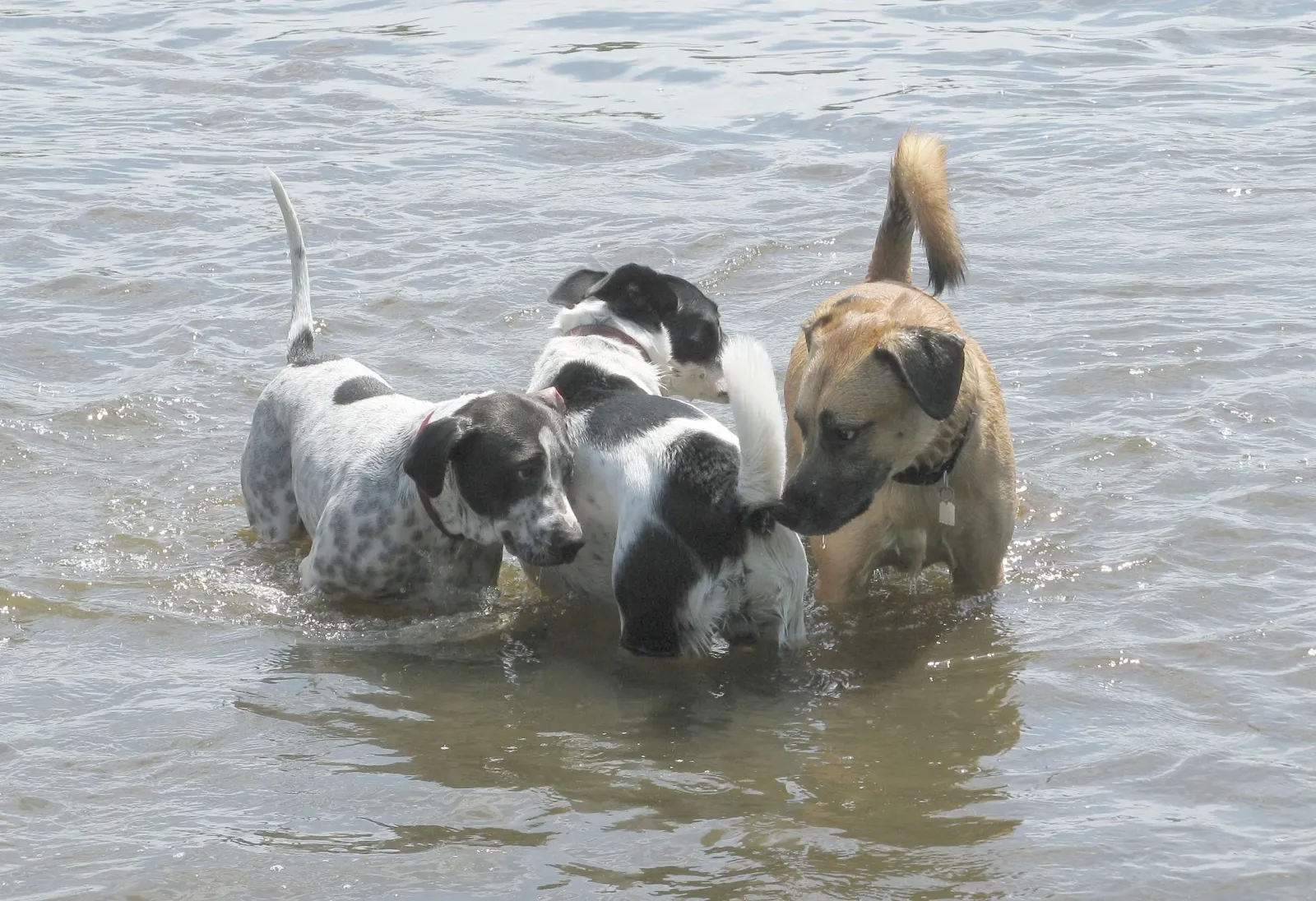
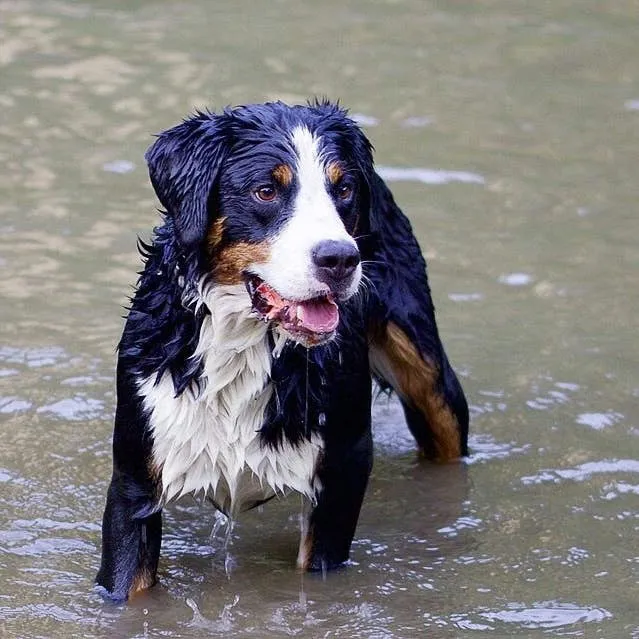
Shallow lakes may sometimes infect dogs with Leptospira.
Linda Crampton
In North America, leptospirosis is most common in summer and fall. These are the times of year when it is especially important to be vigilant with respect to dog safety.
Preventing Leptospirosis in Dogs
Leptospira thrives in moist environments and is most abundant during warmer months. Preventive measures can lower the risk of infection.
- Prevent dogs from drinking stagnant water, such as in puddles and ponds. Also keep them from entering these areas.
- Keep dogs out of drainage ditches.
- Heed notices about bacterial contamination at lakes; do not let dogs enter. If one bacterium can survive and multiply there, others might too.
- Remove items from gardens that attract wild animals, such as fallen fruit and garbage.
- Remove or secure woodpiles and thin dense shrubbery that may harbor rats and mice.
- Improve drainage in persistently damp garden areas.
- Do not leave water sitting in children’s wading pools for long periods.
- Support your dog’s immune system with good nutrition and adequate exercise.
- Discuss vaccination with your veterinarian as a preventive measure.

Some dogs love to retrieve balls or other items, but it’s important that the items aren’t thrown into stagnant water.
Linda Crampton
Vaccines and Vaccination
In many regions, the leptospirosis vaccine is not considered a “core” vaccine—one routinely given to all dogs. However, veterinarians often recommend it for dogs in high-risk situations. These include dogs living on farms or in rural areas, those taken hunting or camping, those swimming in lakes or exposed to ponds and drainage ditches, and those in areas with frequent wildlife. Some vets even suggest vaccinating city dogs due to potential infection from urban wildlife.
Early versions of the vaccine caused many adverse reactions, but newer versions have fewer side effects. Annual vaccination, or even more frequent, is needed for continuous protection.
Vaccination can be a controversial topic. Anyone considering it for their dog should consult their vet. It’s helpful to know which Leptospira serovars are common locally, what protection the vaccine offers, and potential side effects.
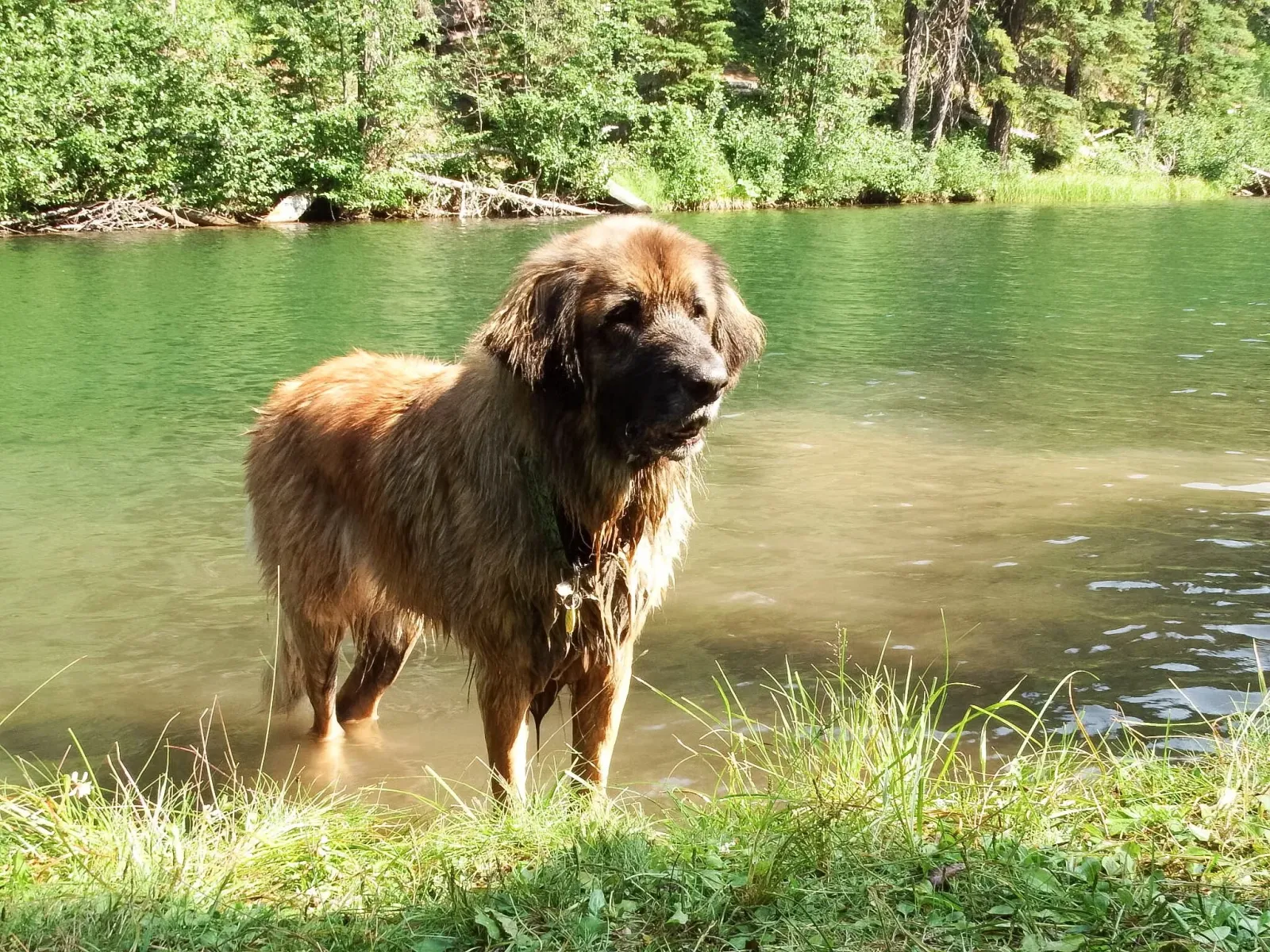
Think about how safe a body of water is before you let your dog enter it.
Linda Crampton
The incidence of canine leptospirosis is increasing. An outbreak began in Arizona in February 2016 and has apparently lasted for a long time. In August 2021, veterinarians reported a much larger number of cases than normal in Los Angeles County. If you do an Internet search for “leptospirosis increasing”, you will probably find some interesting results from around the world.
A Zoonotic Disease
Preventing and treating leptospirosis in dogs matters not only for the dog’s health but also for human safety. Leptospirosis is a zoonotic disease—one that can be transmitted from animals to humans.
In North America, humans can contract leptospirosis from dogs or other animals. This is more likely for people with frequent exposure to infected animals than for typical pet owners. High-risk groups include veterinarians, farmers, and sewage workers.
The risk of a pet owner catching the infection from their dog is low, but not zero. The risk is serious enough that precautions should be taken in certain situations when caring for a dog. The CDC article mentioned in the “References” section below includes the following information.
Normal daily activities with your pet will not put you at high risk for leptospirosis infection. Types of contacts that are considered to be high risk include:
– Direct or indirect contact with urine, blood, and tissues of your pet during its infection.
– Assisting in the delivery of newborns from an infected animal.
— CDC (Centers for Disease Control and Prevention)
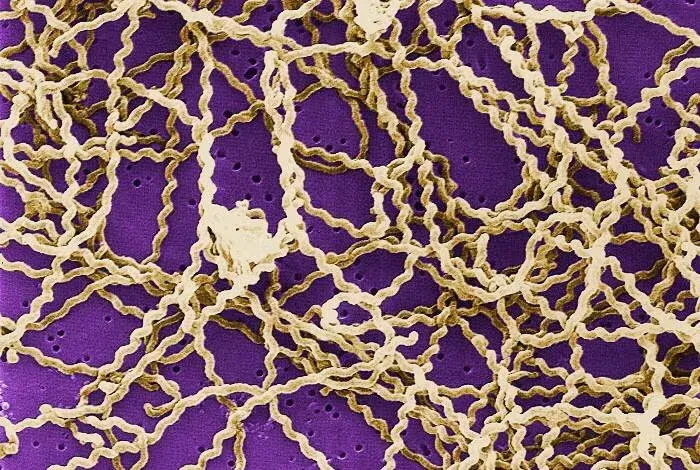
Leptospira bacteria that have collected on a polycarbonate filter (colourized photo)
CDC/Rob Weyant, via Wikimedia Commons, public domain license
Human Leptospirosis
In North America, human leptospirosis is a relatively minor problem for the general population, though not for an individual who develops it. The estimated annual death rate from leptospirosis ranges from extremely low in colder latitudes to low in warmer latitudes.
Unfortunately, this low death rate does not apply to people in tropical regions. Researchers believe that in some tropical countries, leptospirosis is often misdiagnosed as other diseases and is actually becoming a serious issue. In these areas, the disease is most common in urban settings with poor sanitation and increases after heavy rainfall and flooding.
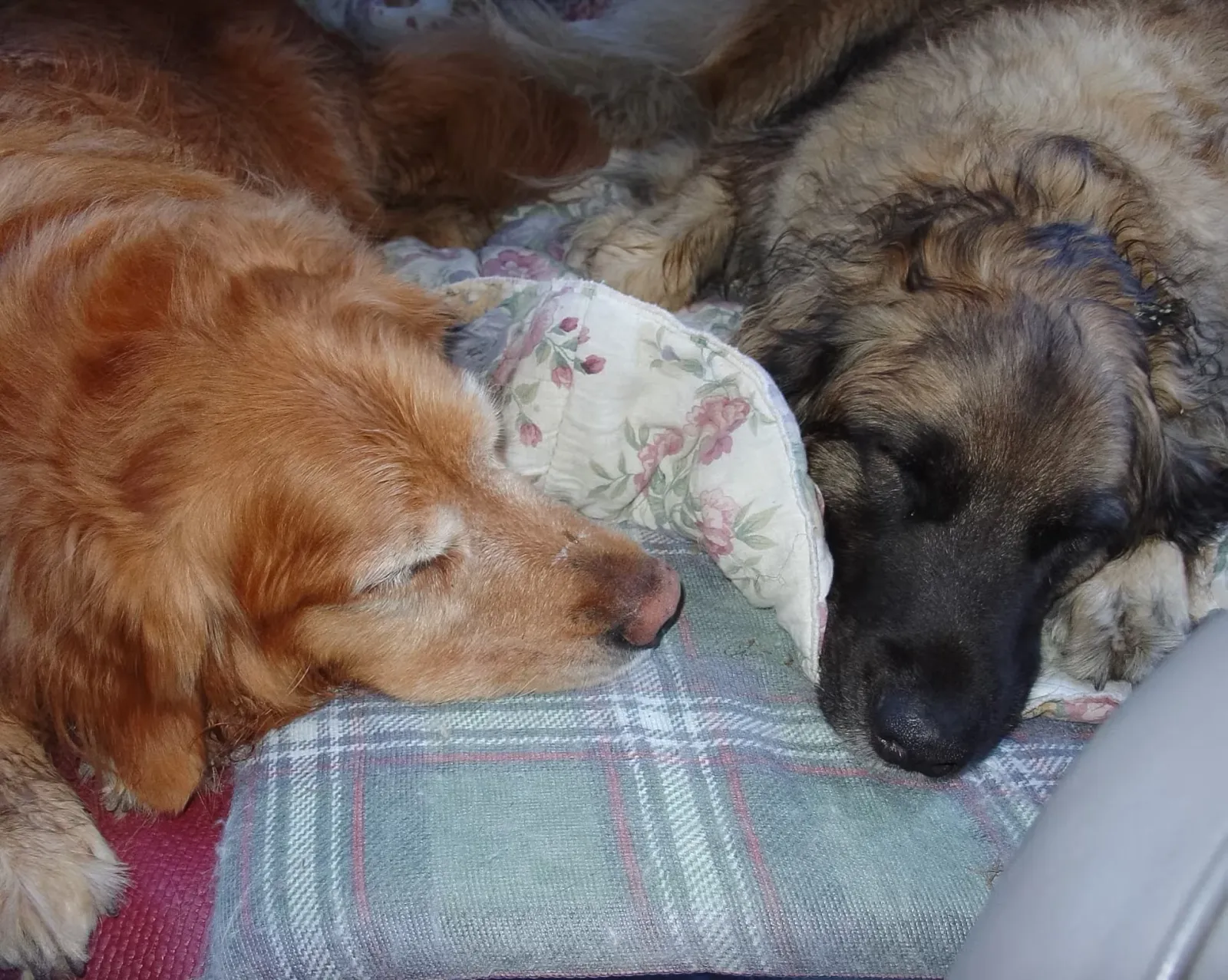
All of my dogs have enjoyed entering water, so I’ve always had to be careful about where I let them swim. Here they are sleeping after a day of swimming and hiking.
Linda Crampton
How Can I Prevent My Dog From Transmitting Leptospirosis to Humans?
While treating your dog for leptospirosis, you can take steps to reduce the chance that you, your family, or others will catch the disease. These practices are good at any time. Dogs may show no signs of infection yet shed bacteria in their urine for months after initial infection.
- Wear gloves when working in areas that may be contaminated with animal urine.
- Clean up your dog’s urine with an antibacterial solution, such as a disinfectant or a bleach-and-water mix. Follow dilution instructions carefully and ensure the product is pet-safe.
- Do not let your dog urinate in or near still or slow-moving water.
- Prevent your dog from investigating or urinating in vegetable gardens.
- Keep your pet out of children’s play areas, including playgrounds, sandboxes, and wading pools.
- Wash your hands frequently.
With proper precautions and treatment, people can be protected from Leptospira infection and a sick pet can often recover and enjoy life again.
References
- Leptospirosis in Dogs from the Merck Veterinary Manual
- Infomation about leptospirosis from the AVMA (American Veterinary Medical Association)
- Canine Leptospirosis in Arizona from the Maricopa County government website
- The disease in Los Angeles County from NBC (National Broadcasting Company)
- Leptospirosis in Humans from the CDC (Centers for Disease Control and Prevention)
This article is accurate and true to the best of the author’s knowledge. It is not meant to substitute for diagnosis, prognosis, treatment, prescription, or formal and individualized advice from a veterinary medical professional. Animals exhibiting signs and symptoms of distress should be seen by a veterinarian immediately.
Questions & Answers
Question: Once a dog is treated for leptospirosis, how long are they still contagious?
Answer: This is a question that you should ask your dog’s veterinarian. I have read that the length of time varies considerably. A vet will likely want to examine a pet recovering from the disease periodically and may well want to monitor the dog for a while after he or she has recovered. During the monitoring period, the vet will probably check to see whether the dog is still shedding bacteria. Until a vet confirms that no more bacteria are being shed, safety precautions should be followed in relation to preventing the spread of the bacteria from the infected dog to another dog or a person.
© 2013 Linda Crampton