Recognizing Kennel Cough and Keeping Your Dog Comfortable
Logan Rivera
Understanding Kennel Cough (Bordetella bronchiseptica)
Kennel cough, also known as Bordetella, is an upper respiratory disease in dogs. It can be triggered by either a virus or a bacterium. The parainfluenza virus and the bacterium Bordetella bronchiseptica are both believed to cause kennel cough in dogs, and in some cases, a combination of the two is the underlying cause.
How Contagious Is Kennel Cough?
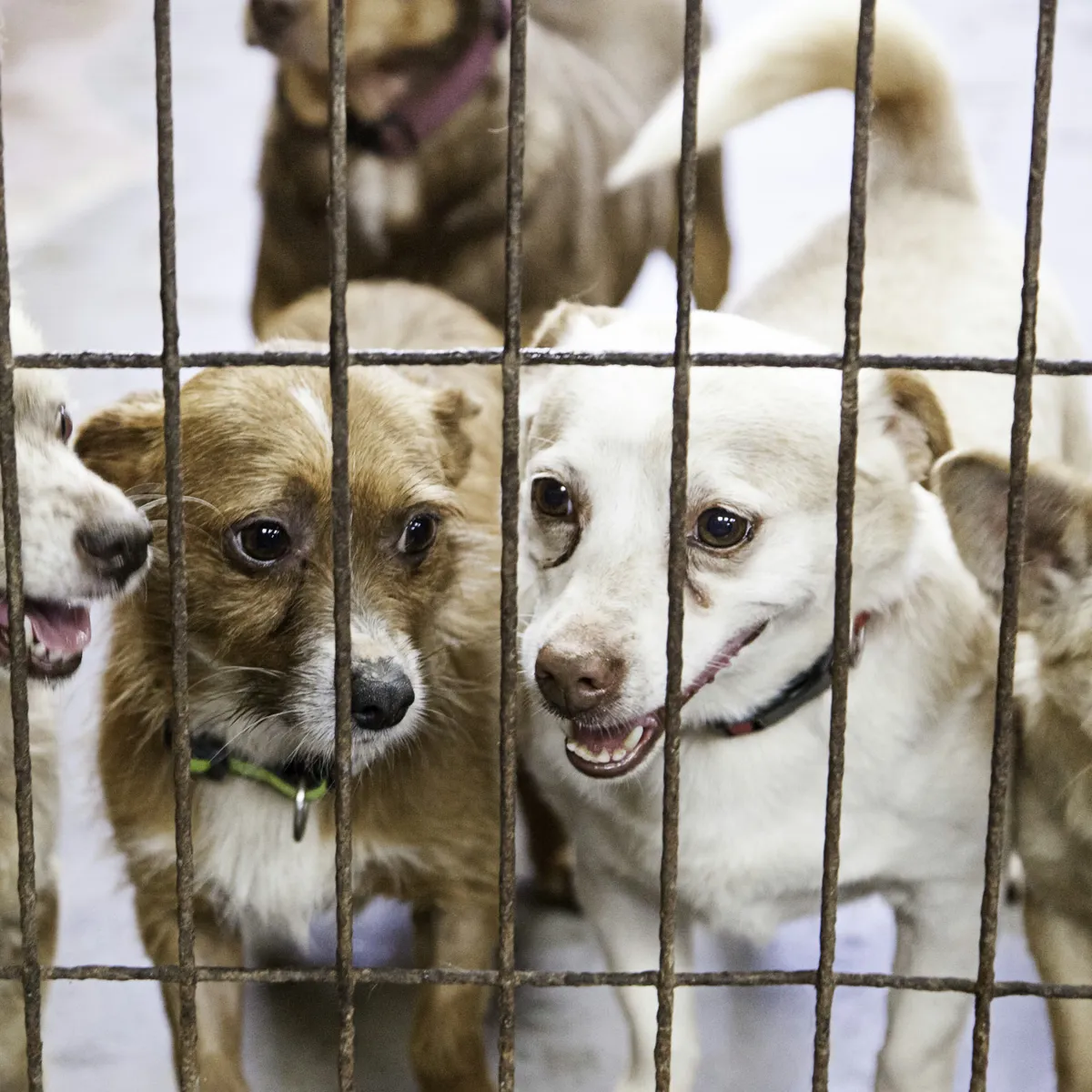
Kennel cough spreads easily through the air, making it highly contagious. It is especially common in kennels where dogs are housed in close quarters, sometimes with poor ventilation. Even if your dog has been vaccinated against other viruses, they can still catch kennel cough if they come into contact with infected dogs.
Signs of Kennel Cough
- Dry cough
- Vomiting or retching
- Fever
- Nasal discharge
The symptoms of kennel cough are fairly easy to identify and often resemble those of a common cold in people. They tend to be more severe in older dogs or young puppies because their immune systems are either weakened or not fully mature. Signs usually show up a few days after exposure and can persist for two to three weeks.
The good news is that kennel cough in dogs is usually very treatable.
Important Caution
Never give your dog cough medicine intended for humans, as this can lead to a serious medical emergency. If you think your dog needs medication, consult a veterinarian.
1. Dry Cough
The hallmark of this illness is a dry, hacking cough. Your dog might make honking noises or sound as if something is stuck in their throat. The cough typically worsens after physical activity or exertion. It occurs due to inflammation in the trachea and larynx, which develops when the lining of the respiratory tract is compromised. This allows bacteria or a virus to attack your dog's system.
If your dog's cough is severe, a veterinarian can prescribe a cough suppressant to manage the symptom. At home, try to remove environmental irritants such as cigarette smoke and household cleaners. Keep your dog in a well-ventilated room that is neither too hot nor too cold.
2. Vomiting or Retching
Dogs with kennel cough may also throw up food or white phlegm. When your pet is ill, it's crucial that they stay hydrated and eat properly. If they struggle to keep food down, offer bland dog food to help settle their stomach and aid digestion.
Some dog experts suggest withholding food or fasting to help pets recover from nausea. While this can be effective for minor stomach issues, check with your vet first to see if it's appropriate for your dog.
3. Fever
Fever is usually only seen in severe cases of kennel cough and is a clear indicator of infection. Dogs normally have a higher body temperature than humans, but a reading above 103°F means they have a fever. You might also notice other signs like shivering or lethargy. To confirm a fever, you can take your pet's temperature rectally using a thermometer designed for dogs.
Here are a few home remedies to help lower your pet's fever.
- Use a damp washcloth to moisten your dog's fur with fresh water. Once their temperature falls below 103°F, remove the washcloth.
- Drinking plenty of water can help reduce fever, but a sick dog may not be thirsty. Try offering ice cubes or water from a medicine dropper if your dog won't drink from a bowl.
4. Nasal Discharge
Like humans, dogs often get runny noses when they have a cold. Nasal discharge or eye discharge is common in dogs with kennel cough.
To help with a runny nose at home, place your dog in a room with a humidifier or turn on the shower and let steam fill the bathroom. A small vaporizer can also add moisture to the air, which helps clear your dog's nasal passages. However, be sure to put the humidifier where the dog cannot reach it.
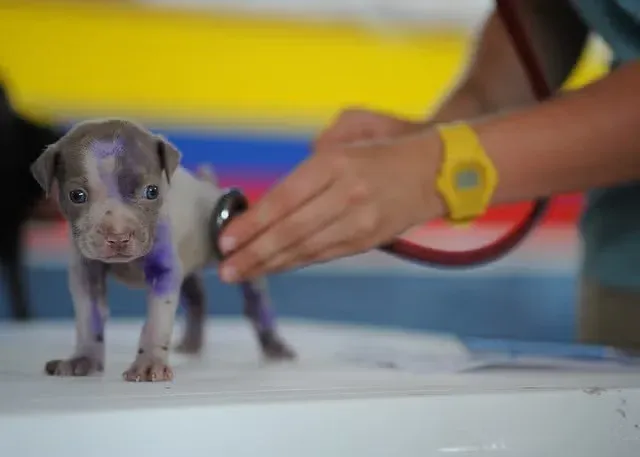
A vet provides efficient and professional care for dogs with kennel cough.
Pixabay
When to Seek Veterinary Care
It's important to recognize that extreme symptoms, such as high fever or prolonged lethargy, can further weaken your dog's immune system and increase the risk of other health complications.
There are several situations where a pet with kennel cough needs urgent medical attention. For instance, a dog with a fever over 106°F should be seen by a vet immediately. Dogs that become lethargic should also receive professional care, as this may indicate a more serious problem.
When caring for your dog, always err on the side of caution. While many kennel cough symptoms can be managed at home, it's best to see a vet if symptoms last more than a few days. You also need to be especially careful with older dogs and puppies because of their weaker immune systems.
Veterinarians use diagnostic tools like blood tests or X-rays to pinpoint the cause of your dog's illness. For kennel cough, they can also prescribe medications such as anti-inflammatory drugs, antibiotics, and bronchodilators to help boost your pet's immune system and fight off infection.
Preventing Kennel Cough
To prevent kennel cough, many vets administer a vaccine that protects your dog against future episodes. While the vaccine is not always 100% effective, many kennels now require proof of kennel cough vaccination before admitting dogs.
Sources and Further Reading
- What is Kennel Cough?
- Kennel Cough or Tracheobronchitis in Dogs
This article is accurate and true to the best of the author's knowledge. It is not meant to substitute for diagnosis, prognosis, treatment, prescription, or formal and individualized advice from a veterinary medical professional. Animals exhibiting signs and symptoms of distress should be seen by a veterinarian immediately.