A Dog's Spleen Tumour: When the Diagnosis Isn't Cancer
Hayden Carter
Understanding Hemangiosarcoma
In dogs, hemangiosarcoma is a relatively frequent cancer, and it appears more often in large breeds such as German Shepherds, Golden Retrievers, and Labradors. This malignant growth typically forms on the spleen, though it can also develop on or beneath the skin.
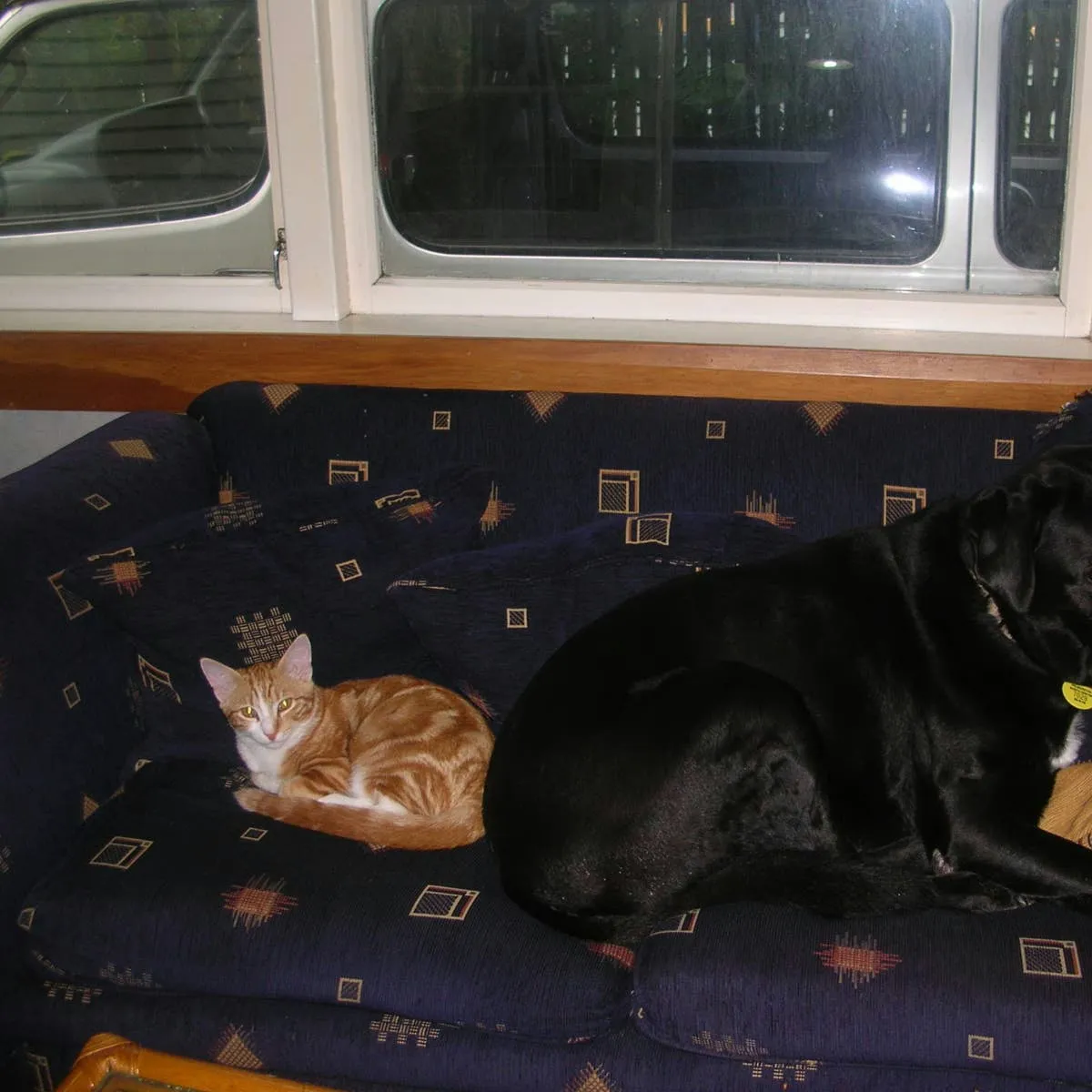
Our own black Labrador cross first raised concerns when he began eating grass at every chance, apparently trying to make himself throw up. He would retch, but usually only the grass came up.
Because he had a reputation for eating anything, we figured he had swallowed something that couldn't pass through his digestive tract and needed to come back up. When he was younger, he had swallowed a large “grandfather” marble. The vet couldn't feel it, so we thought he hadn't actually swallowed it—until two months later, when he vomited up the missing marble along with a huge amount of grass.
This time, the vet chose to X-ray our dog's abdomen to look for foreign objects. To our shock, a large tumour was discovered on his spleen. These tumours are usually cancerous and eventually bleed as they grow within blood vessels. Hemangiosarcoma is an aggressive cancer that spreads rapidly to other areas, including the lungs, liver, and brain. Without treatment, the tumour will rupture, causing internal bleeding.
The vet explained our dog's situation and the possible outcomes depending on the final biopsy. Unfortunately, with this type of cancer, the only way to know if the tumour is malignant is to remove it. Trying to biopsy before surgery often leads to excessive bleeding, which can result in the animal's death.
Our dog was typically overweight, as Labradors love food. Several things began to bother us. If this cancer often causes bleed-outs or internal bleeding, and our dog had an extremely large growth, why hadn't we seen any sign of it?
Internal bleeding can make a dog suddenly collapse and appear very ill. The cancer progresses quickly, with more symptoms appearing. Additional X-rays to check whether the cancer had spread to the lungs or liver came back negative. Given the size of the tumour and the likelihood of metastasis, this seemed like a positive result. We spent the next few days weighing the options, trying to decide whether to operate.
The information we had suggested that if we operated, the likely survival time would be only about two months. If we chose not to operate, a probable bleed-out would lead to imminent death. It was a difficult decision when you have no idea what your dog actually has.
Many owners opt to euthanize their dogs to prevent further suffering. Choosing to remove the tumour only to have the dog die less than two months later leaves much to be desired. First, the cost of surgery followed by a quick death makes owners choose euthanasia. They feel it is likely kinder to their beloved dog in the long run.
We considered all the possible outcomes with all the information we could gather from the internet. After going back and forth, we decided the odds were in our dog's favour, since he had never shown signs of internal bleeding, and given the tumour's size, that should have been happening. We thought our chances were reasonable.
The other factor we considered was that our dog never seemed unwell, apart from eating excessive grass. He was still excitable and had his usual insatiable appetite. We had noticed he found it hard to get comfortable when travelling in the car. What finally persuaded me to get him checked was a slight bulge at the bottom of his ribs on one side.
After consulting with the teaching veterinary hospital at our local university, we obtained a surgical fee almost half the original quote, so we decided to proceed with the surgery to remove the tumour.
To our delight, the post-surgery biopsy showed the tumour was completely benign. Had it been malignant, we would have had to decide whether to put him through chemotherapy, which increases survival time considerably and, of course, costs more. From our research, we had read of many cases where dogs with malignant tumours were still alive two years later, which is quite good considering the prognosis we were given. There is always hope. Some people choose to change their dog's diet to a more natural one after surgery to try to extend their life. Humans often take this approach themselves when facing ill health, and I think it is a valid option.
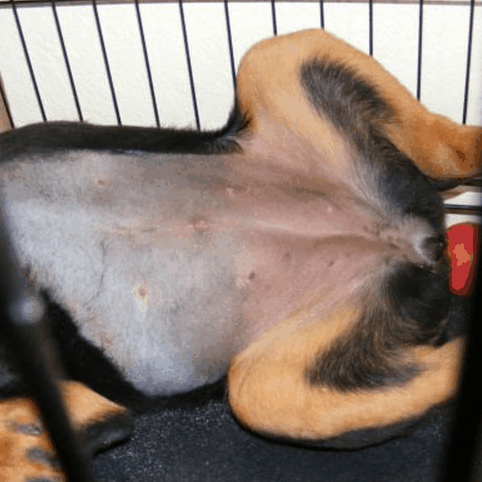
The spleen had to be removed; however, our vet told us he could live quite happily without one. The tumour was the size of a soccer ball and weighed two and a half kilograms. No wonder the poor fellow couldn't get comfortable in the car. He was obviously trying to accommodate a large growth. He looked quite trim after surgery, especially with his stretchy net bandage tube on to protect the wound.
It has been almost one year since the surgery. Although I think he has probably regained the two and a half kilos, we are so happy to still have him with us, as he is our friend.
By the way, he is 10 years old now.
This article is accurate and true to the best of the author's knowledge. It is not meant to substitute for diagnosis, prognosis, treatment, prescription, or formal and individualized advice from a veterinary medical professional. Animals exhibiting signs and symptoms of distress should be seen by a veterinarian immediately.