Dog Stitch Discharge: Identifying Normal vs. Problematic Oozing
Kai Lee
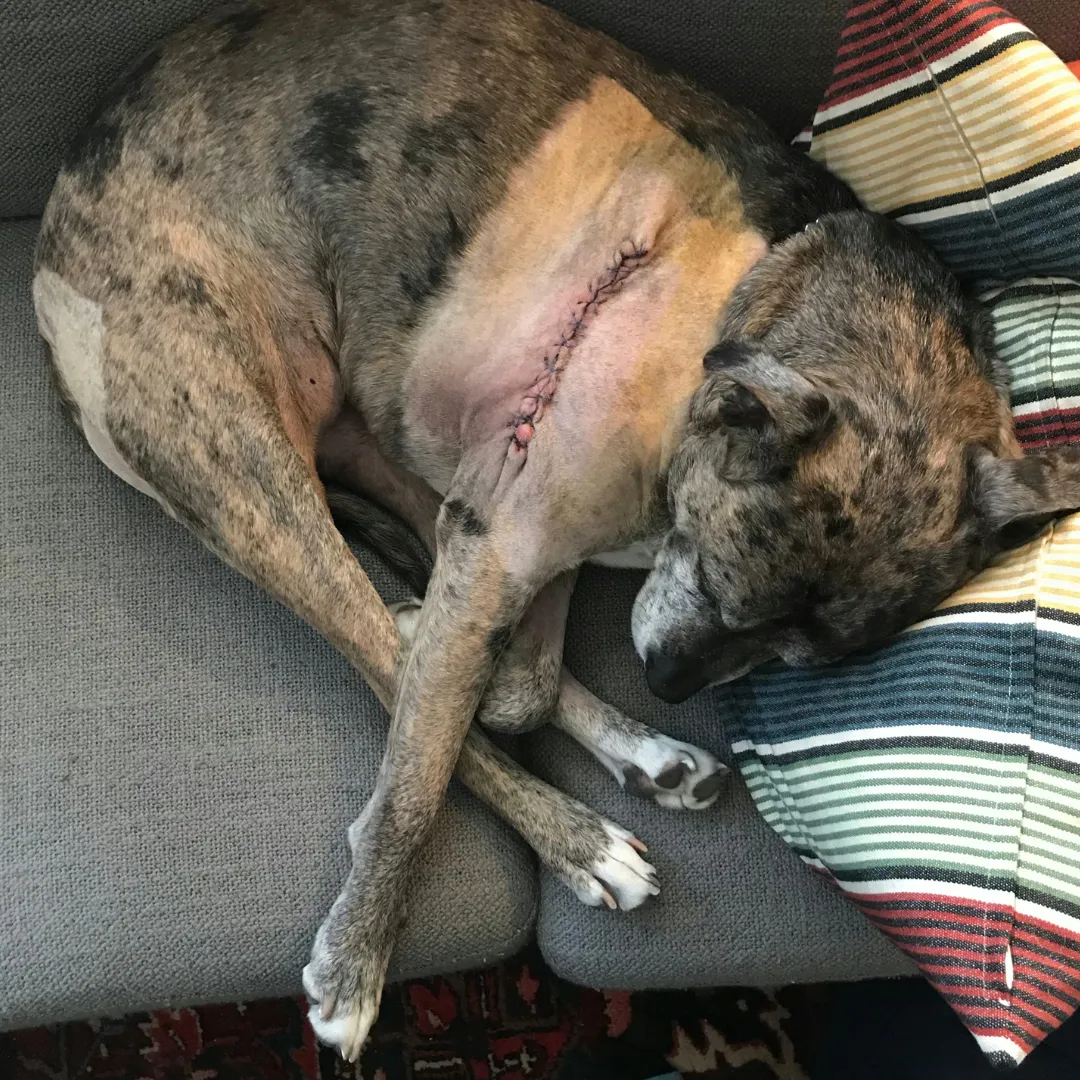
My Dog's Stitches Are Leaking—What Now?
Discovering that your dog's surgical incision is oozing or weeping can be alarming. The recovery period after an operation brings numerous responsibilities and concerns for pet owners.
One key aspect is monitoring the stitches: owners must recognize what typical healing looks like to identify potential complications. This can be tricky, and veterinarians often have limited time to explain everything when pets go home.
In this article, Dr. Ivana Crnec, a veterinarian who graduated from the University St. Kliment Ohridski's Faculty of Veterinary Medicine in Bitola, Republic of Macedonia, covers:
- The various types of stitches used in dogs
- Five indicators that stitches are healing properly
- Seven warning signs of problematic leaking stitches
- Four kinds of discharge from dog stitches
- When it's time to contact the vet
- Tips for caring for a dog's surgical incision
Types of Stitches Used in Dogs
Sutures, often called stitches, are the materials surgeons use to bring the edges of a wound together. They come in different varieties and can be grouped by several characteristics.
Absorbability
When classified by whether they dissolve, sutures fall into two categories:
- Absorbable: These stitches break down naturally through tissue enzymes and don't require removal. The body can essentially "digest" them.
- Non-absorbable: These cannot be broken down by the body's enzymes. They must be removed later or, in some cases, left in permanently.
Material Structure
Based on how the material is constructed, sutures are either:
- Monofilament: Made of a single strand, these glide through tissues easily. They are less secure but also have a lower infection risk.
- Braided: Composed of multiple braided threads, these create stronger, more secure knots. However, they cause more tissue trauma during passage and carry a higher infection risk.
Material Origin
Finally, sutures can be classified by where the material comes from:
- Natural: Derived from natural sources like collagen and silk.
- Synthetic: Manufactured from materials such as nylon and plastic.
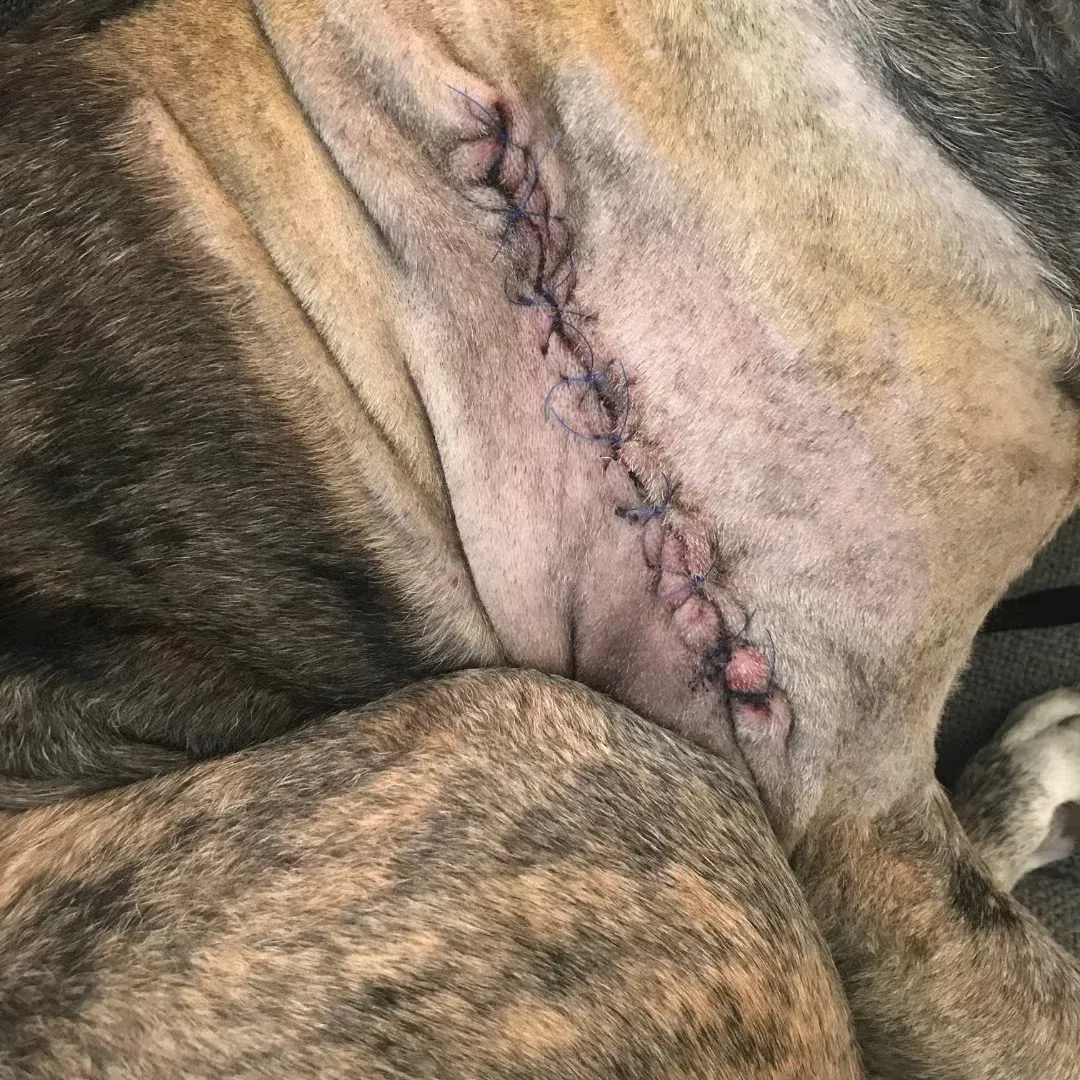
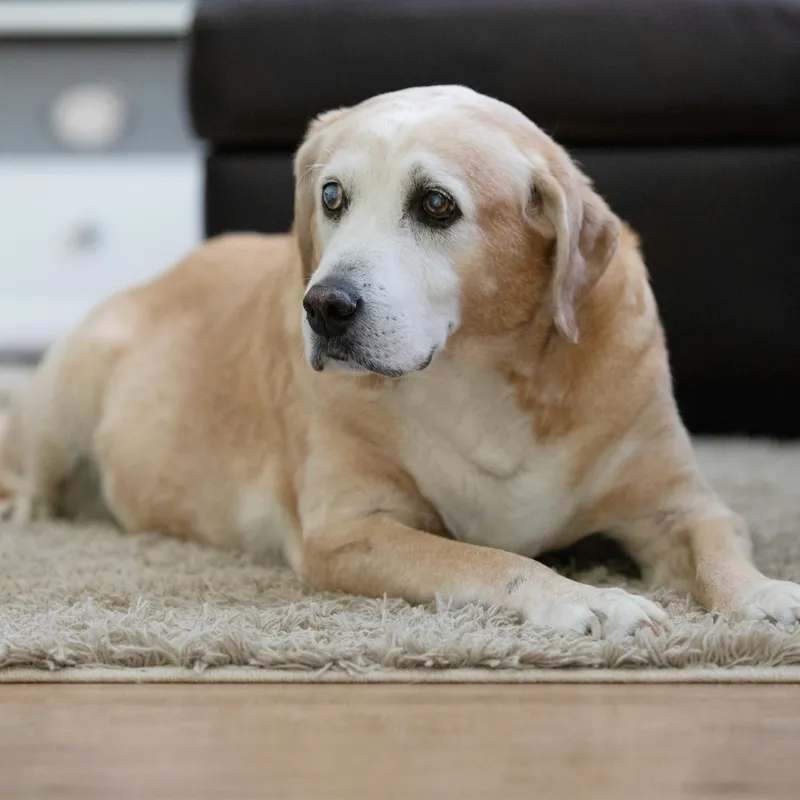
This dog’s stitches are healing nicely.
Bgwalker, getty images
Five Signs That Stitches Are Healing Well
Now that we've covered suture types, let's focus on the practical side: how owners can tell if stitches are healing correctly.
After surgery (depending on the procedure), the dog goes home, and the owner must provide proper recovery care. Wound management is a crucial part of this phase (more details later).
Here's a quick guide to what a healthy healing wound looks like:
- The wound and surrounding skin appear clean and neat.
- The wound edges are lightly touching without overlapping.
- Mild redness or bruising around the stitches is normal, especially in dogs with light skin.
- A small amount of blood seeping from the wound in the first 24 hours is acceptable.
- A little serum (usually clear fluid) is also normal, as long as it's not foul-smelling, mixed with other discharge, or excessive.
Seven Warning Signs of Leaking Stitches
Once you know what normal healing looks like, spotting problems becomes easier.
Here are signs that oozing stitches might indicate an infected incision:
- Severe redness and swelling around the stitches
- Foul-smelling discharge (with pus or blood)
- Pain and tenderness at the surgical site
- Noticeable warmth on and around the incision
- Swollen lymph nodes near the incision
- Elevated body temperature (fever) and lethargy
- Loss of appetite and lack of interest in usual activities
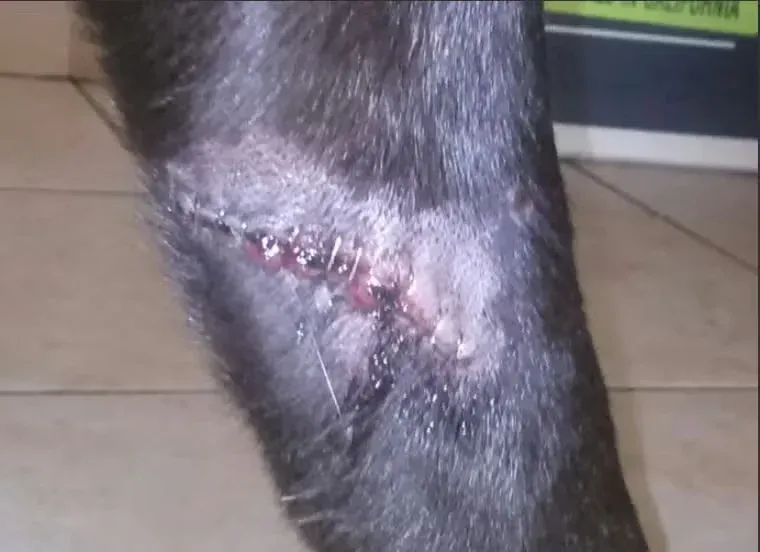
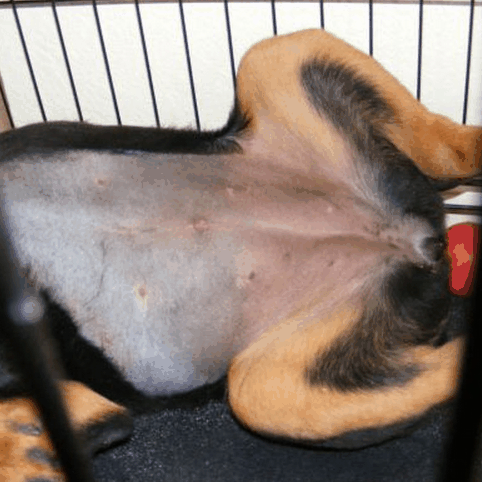
Despite the discharge appearing pinkish when wiped off, this dog’s stitches turned out to be okay, according to the vet who received this picture. The discharge stopped at the end of the second day, and the incision healed nicely in 10 days.
alexadry, all rights reserved
Four Types of Discharge From Dog Stitches
As noted, a small amount of serum drainage can be normal, but other types of discharge are red flags. Let's review the four main types.
1. Serous
Serous discharge, or serum, is normal and forms during the inflammatory phase of healing.
If the vet removed a larger piece of tissue, the body may produce serum to fill the gap (this appears as a bulge under the incision). This is called a seroma and rarely needs veterinary attention—the body will reabsorb the fluid over time.
2. Serosanguineous
This is a common type of discharge from incisions. It is watery, thin, and pink.
Whether it's normal depends on timing: it's expected during early healing but abnormal later on.
3. Sanguineous
Sanguineous discharge is bloody. Blood may seep intermittently from the wound during the first 24 hours.
Any continuous bleeding requires immediate veterinary attention to be safe, and intermittent bleeding that persists beyond 24 hours also warrants a check.
4. Purulent
Purulent discharge is milky, thick, and has a pungent, foul odor. It can be yellow, grey, or green.
Purulent discharge is always concerning because it indicates infection.
When to Call the Vet
Oozing or leaking stitches can be serious, so you should check with your vet whenever something seems off.
Since dogs need rest after surgery, it's practical to take a photo of the incision and send it to the vet.
If all looks well, you avoid an unnecessary trip. If the vet spots an issue, you'll get instructions or be asked to come in if needed.
In short, if you suspect a problem with the surgical incision, don't wait and see. Be proactive and contact your vet as soon as possible.
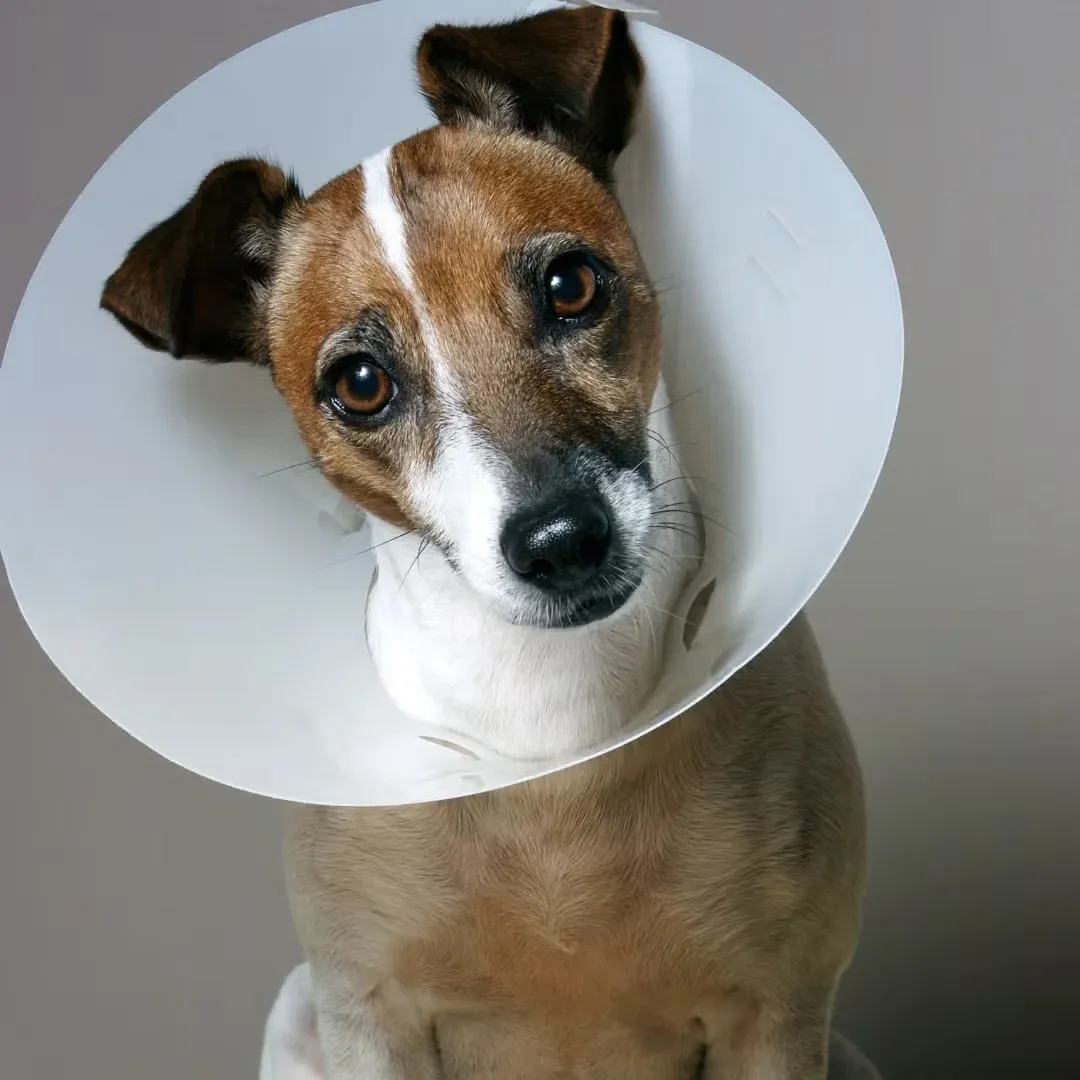
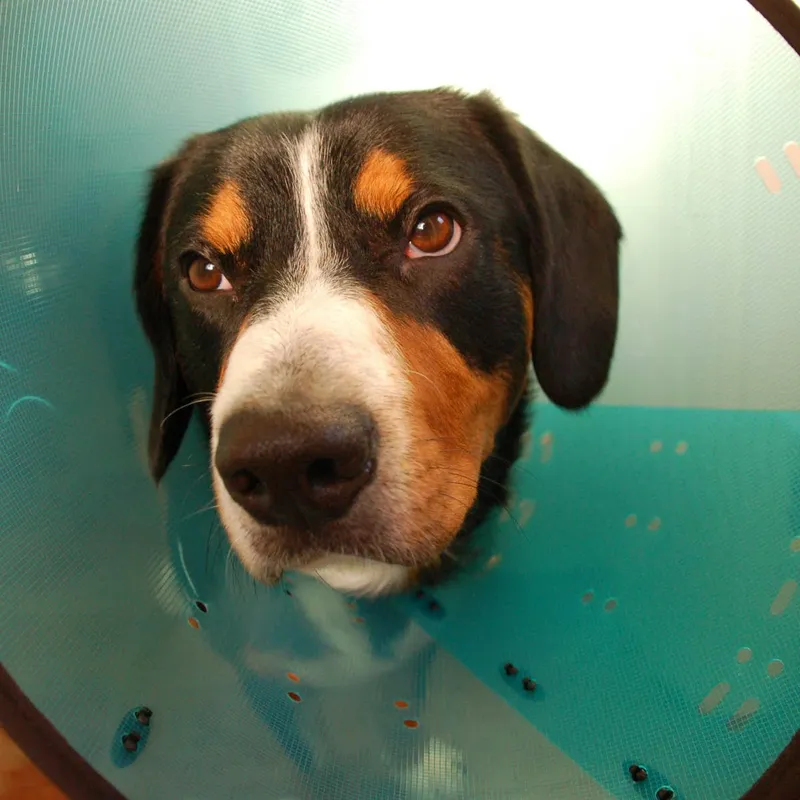
The Elizabethan collar, aka “cone of shame,” can help prevent trouble with your dog’s stitches.
Gollykim, getty images
How to Care for a Dog's Surgical Incision
As mentioned, knowing how to care for the wound is key to preventing problematic oozing. Here are some helpful do's and don'ts.
Check the Incision Twice Daily
Examine the incision carefully after surgery, noting factors like wound length, number of stitches, and overall appearance. This baseline will help when you check it later.
Keep the Incision Dry
Keep the incision as dry as possible: no bathing for the first few weeks after surgery, and if it's raining, cover the incision during potty breaks.
Restrict Your Dog's Movement
Crate rest is essential for proper wound healing. Keep your dog resting and only go outside for scheduled potty breaks.
Use the Elizabethan Collar as Directed
The Elizabethan collar is a must: licking the wound will inevitably cause damage and delay healing. So, ensure your dog wears its E-collar, no matter how much it dislikes it.
Avoid Applying Ointments
Do not apply ointments to the incision. Unless your vet specifically instructs otherwise, do not self-treat your dog at home or apply any creams, antibiotic ointments, or disinfectants to the incision.
Avoid These Products
Never use hydrogen peroxide or alcohol: both damage healing cells and may degrade suture materials, leading to irritation, pain, and delayed healing.
Resources and Further Reading
- How to Check Your Pet's Stitches After Surgery | PetMD Use this vet-written guide to check your pet's stitches for proper healing and keep the incision site from getting infected.
- Care of Surgical Incisions in Dogs | VCA Animal Hospitals Learn all you need to know about care of surgical incisions in dogs with VCA. Get expert advice from VCA Animal Hospitals to keep your pet healthy and happy.
This article is accurate and true to the best of the author's knowledge. It is not meant to substitute for diagnosis, prognosis, treatment, prescription, or formal and individualized advice from a veterinary medical professional. Animals exhibiting signs and symptoms of distress should be seen by a veterinarian immediately.
© 2022 Adrienne Farricelli CPDT-KA, Dip.CBST