Black Diarrhea in Dogs: 13 Possible Reasons and What to Do
Kai Lee
My Dog's Stool Is Black and Tarry—What Now?
Let's be honest: picking up after your dog isn't the most pleasant task. Still, recognizing what normal stool looks like matters for any responsible owner. Healthy dog poop is typically brown, well-formed, and log-shaped. If your dog suddenly begins passing black, tarry stools, that's a warning sign and a valid reason to contact your veterinarian.
In this article, veterinarian Dr. Ivana Crnec explores the reasons behind black diarrhea in dogs—ranging from simple discoloration after eating certain foods to conditions such as rodenticide poisoning, obstructions, perforations, and gastric ulcers. She also covers how the problem is diagnosed and what treatment options exist.
Related: 15 Causes of Mucus in a Dog's Stool
Melena: What Blood in a Dog's Stool Means
The medical term for black-tinged stool is melena. Beyond its dark color, melena frequently has a distinctive tarry consistency resembling coffee grounds. Its presence signals that digested blood is mixed into the dog's feces.
The black color itself tells us something important: the blood has lingered in the small intestine long enough for its iron to become oxygenated.
Melena points to a problem somewhere in the upper digestive tract—the stomach or upper intestines. That said, not every cause of melena originates within the digestive system itself.
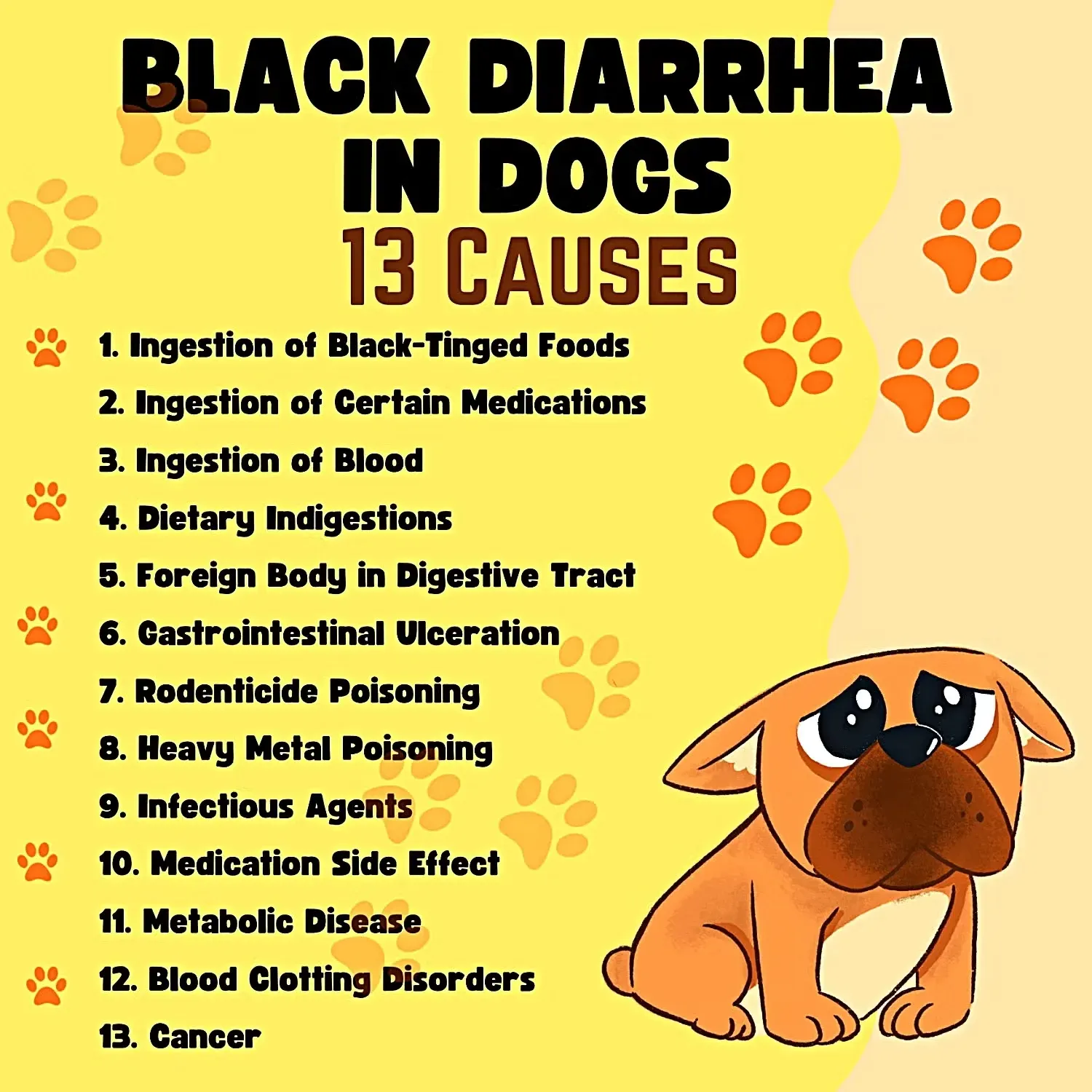
There are many potential reasons why your dog might have black diarrhea—and some are serious.
Canva.com/Photoscape
13 Reasons a Dog May Have Black Diarrhea
Black diarrhea in dogs can stem from a wide range of underlying medical conditions. Some are mild and resolve on their own, while others are severe and potentially life-threatening. If your dog is passing black diarrhea, err on the side of caution and check with your vet.
To make this easier to navigate, let's examine each cause and how it is typically treated.
1. Eating Foods That Are Black in Color
Certain foods—black licorice, blood sausage, even blueberries—can turn a dog's stool black. Because these foods can also irritate the stomach, the diarrhea component often accompanies the discoloration. The two factors together produce black diarrhea.
Naturally, dogs shouldn't be given human food, and anything potentially harmful should be stored well out of their reach.
2. Reactions to Certain Medications
Some medications can have a similar effect. If your dog was given activated charcoal for a stomach upset or after eating something inappropriate, black-colored diarrhea is a likely outcome.
Pepto Bismol is another medication known to cause black stool in dogs.
3. Swallowing Blood
When a dog ingests blood—particularly in larger amounts—black diarrhea can result. For instance, a foxtail lodged in the nose may cause significant nosebleeds, and some of that blood gets swallowed and later appears in the stool.
In other cases, a dog may vomit blood and then eat the vomit. Or a dog might have an actively bleeding wound that it licks repeatedly. Each of these situations is serious and calls for veterinary care, and each requires a different approach.
For example, the underlying cause of the vomiting must be identified and treated. In the wound scenario, the injury needs proper care—either stitching or cleaning and bandaging.
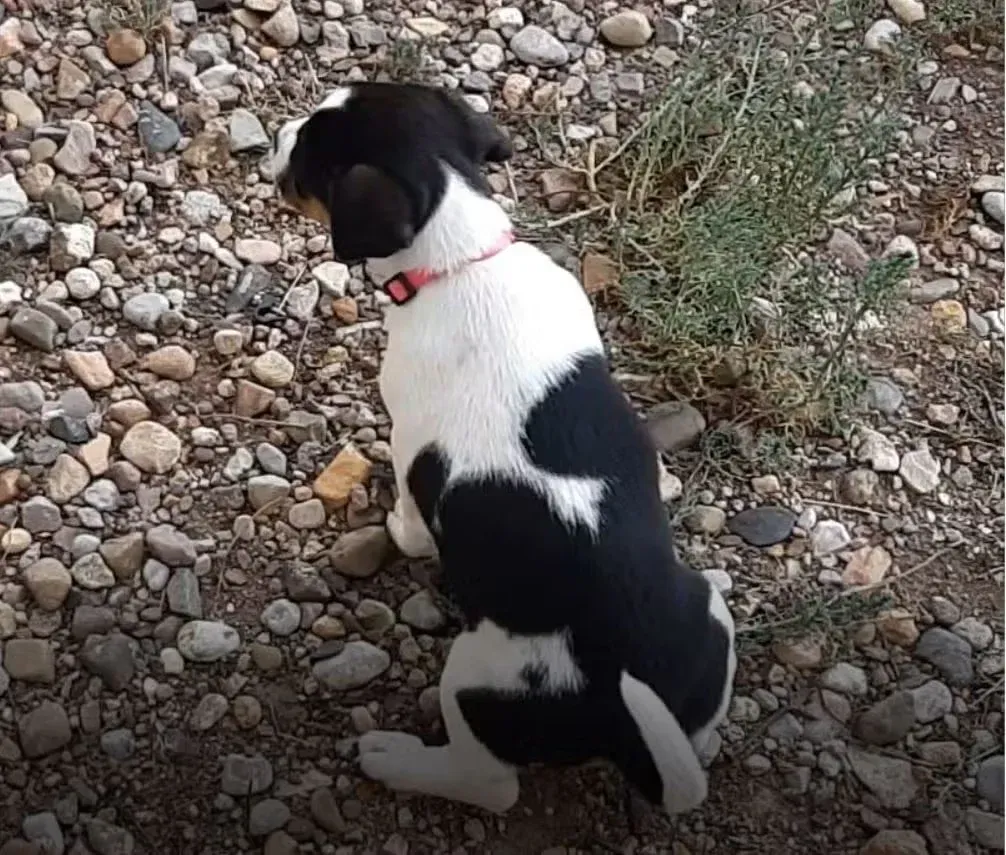
If your dog gets into spicy food—or human food, in general—he or she may have black diarrhea because spices are irritants that can damage the lining of the digestive tract, resulting in bleeding.
alexadry all rights reserved
4. Dietary Indiscretions
Dogs are notorious for dietary indiscretions. A dog stealing spicy Chinese food off the counter is a classic example. The spices are highly irritating and can damage the digestive tract lining, leading to bleeding.
Other dietary indiscretions involve non-food items—branches, toys, rocks. These objects can physically scrape and injure the digestive tract as they move through it, again causing bleeding. While some cases respond to symptomatic therapy and supportive care, others need surgical intervention.
5. Foreign Objects in the Digestive Tract
Some dietary indiscretions escalate into gastrointestinal blockages. If the swallowed item is inedible, the dog cannot digest it—and cannot pass it either. In other words, the object likely blocks the intestines, creating an obstruction.
A foreign body in the gastrointestinal tract is an emergency. Some objects show up on x-rays, while others don't, which makes diagnosis more difficult. More often than not, gastrointestinal obstructions require surgical removal of the foreign object.
6. Ulcers in the Gastrointestinal Tract
Just as in people, gastrointestinal ulcers in dogs develop when gastric acid and digestive juices begin eroding the stomach and intestinal lining. Normally, a mucus layer shields this lining. However, numerous factors can weaken that layer—prolonged or improper medication use, stress, liver disease, and even tumors.
A dog with gastrointestinal ulcers shows additional signs such as abdominal pain, cramping, loss of appetite, lethargy, and behavioral changes related to pain. Immediate veterinary attention is required.
Related: Why Is My Dog Vomiting Brown Liquid and Not Eating?
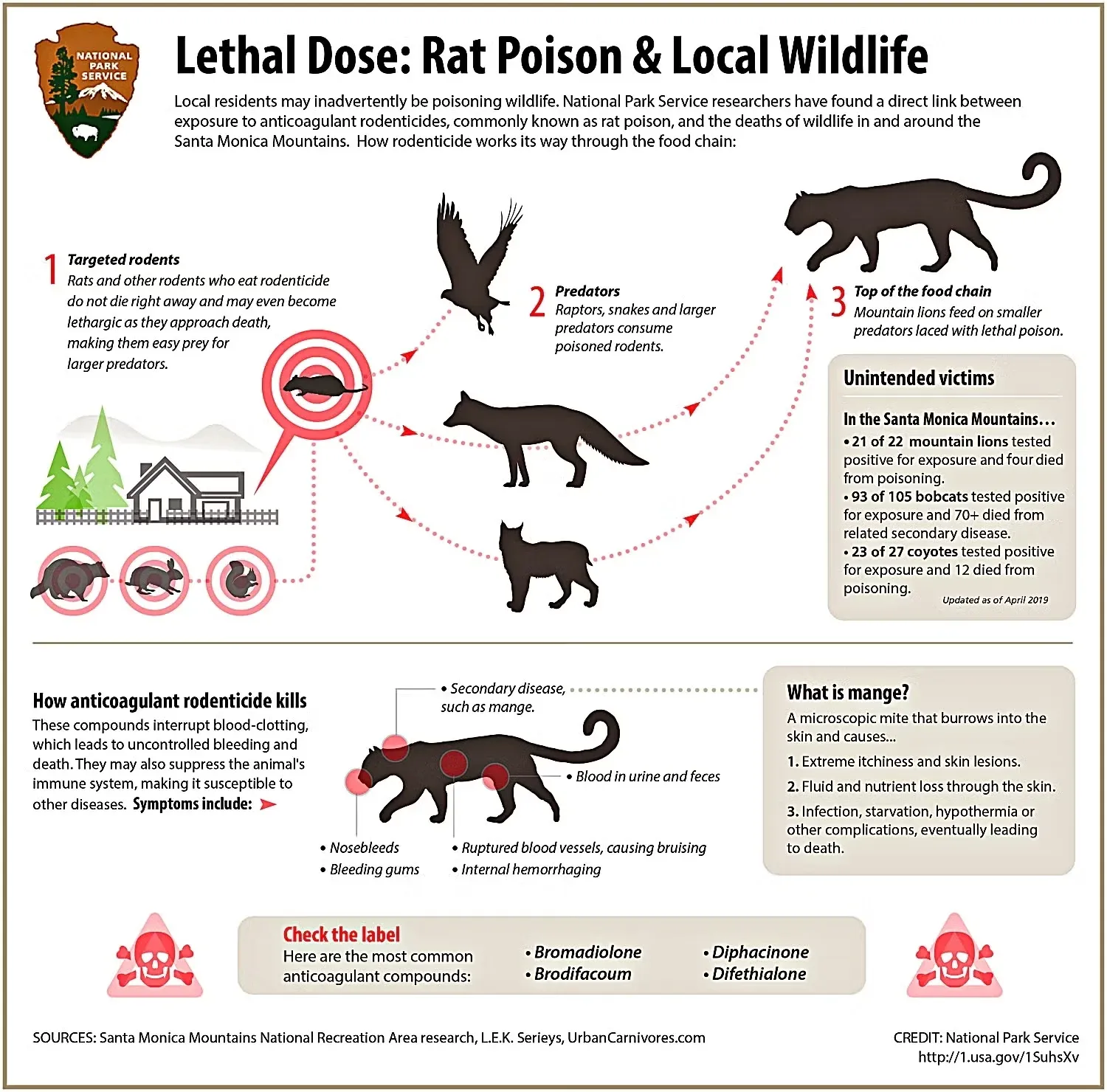
Remember: Just because you’re targeting rats doesn’t mean other animals can’t eat the poison. Be very, very careful with how you set traps.
National Park Service
7. Rodenticide Poisoning
Anticoagulant rodenticide poisoning happens more often than many owners realize, typically when a dog accidentally eats rat bait. These poisons work by blocking vitamin K1 activity, which is needed to synthesize blood-clotting factors. Without enough of these factors, bleeding begins.
Signs of toxicity usually appear one to two days after the poison is ingested. Symptoms include bleeding from all natural openings, along with bloody diarrhea and vomit. This poisoning is a medical emergency and requires long-term treatment with vitamin K supplements.
8. Heavy Metal Poisoning
Heavy metals such as lead and arsenic remain common in everyday items despite their dangers. A dog exposed to heavy metals will develop neurological and gastrointestinal problems.
Beyond those symptoms, a dog may show confusion, loss of balance, seizures, blindness, and unusual behavioral changes. If you suspect heavy metal poisoning, get your dog to the vet as soon as possible.
9. Infectious Agents
A variety of infectious agents can cause black diarrhea in dogs. Frequent culprits include bacteria, parasites, viruses, and fungi. Each of these pathogens can trigger serious bleeding in the stomach or intestines. Either way, the result is the same: bloody diarrhea.
Pinpointing the infectious agent responsible can be challenging and often calls for multiple tests—blood work, abdominal imaging (x-rays and ultrasounds), stool analysis, endoscopy, and more. Once the culprit is found, the vet will recommend a treatment plan. Depending on the pathogen, that may mean antibiotics or, for intestinal parasites, parasiticides.
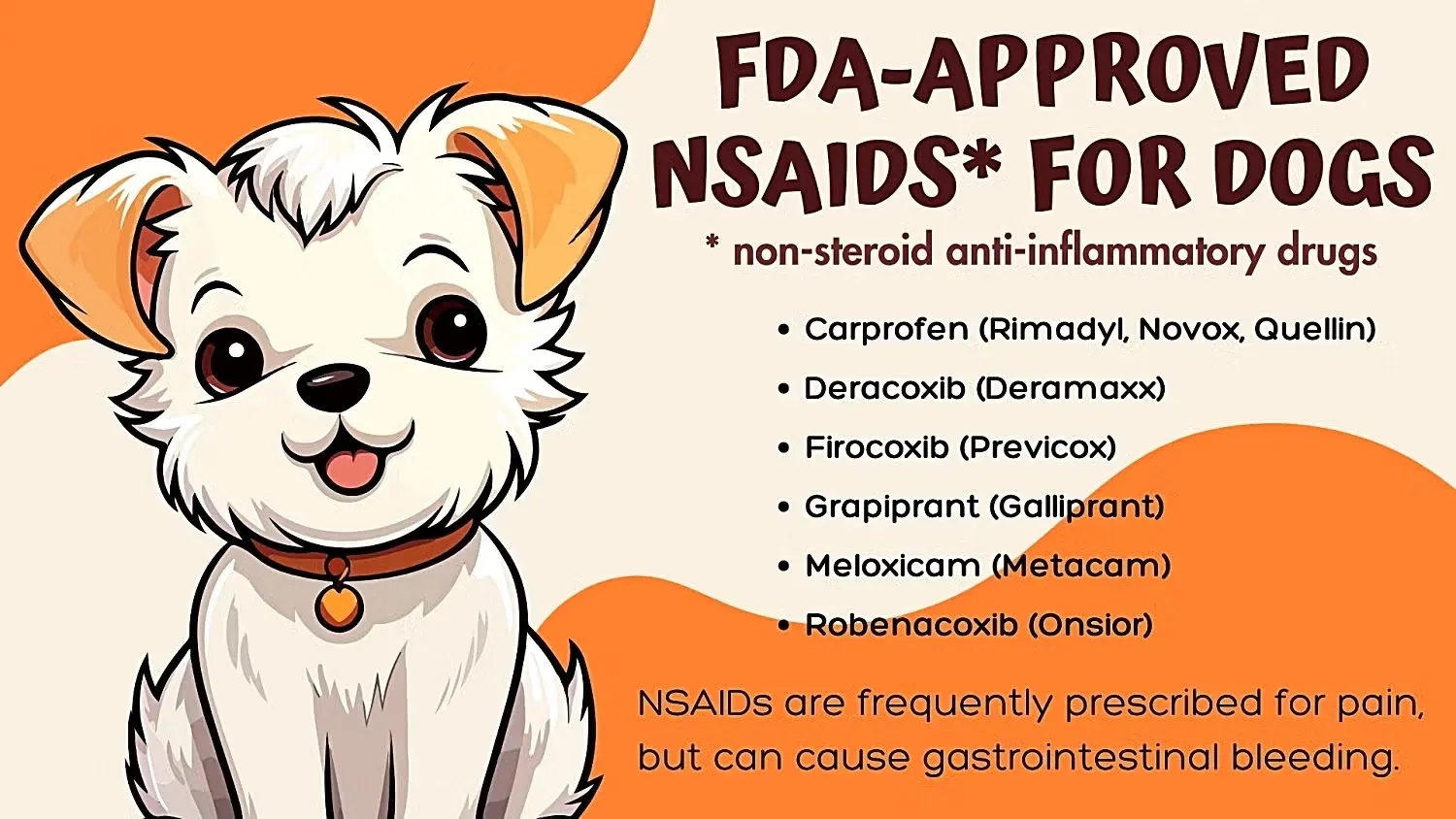
Don’t forget that some medications can cause gastrointestinal bleeding, which could easily result in black diarrhea.
Canva.com/Photoscape
10. Side Effects of Medication
Some medications cause gastrointestinal bleeding as an adverse effect. Non-steroidal anti-inflammatory drugs (NSAIDs) are the most common offenders. In dogs, NSAIDs are the most frequently prescribed pain relievers, particularly for older dogs with arthritis.
NSAIDs work by suppressing prostaglandins—hormone-like substances that help produce the mucus protecting the stomach lining. Once that lining is left unprotected, stomach acid damages it and bleeding follows.
11. Metabolic Disease
Metabolic conditions such as hypothyroidism and hyperadrenocorticism can lead to black diarrhea. Hypothyroidism results from low thyroid levels, slowing metabolism and causing various gastrointestinal issues. Hyperadrenocorticism (Cushing's disease), on the other hand, stems from high cortisone levels due to an overactive adrenal gland.
Fortunately, these conditions are relatively straightforward to diagnose—blood tests are usually all it takes. That said, neither hypothyroidism nor hyperadrenocorticism can be cured; they can only be managed. Their management is often expensive, too.
12. Blood Clotting Disorders
Von Willebrand's disease (vWD) is the most common blood-clotting disorder in dogs. It is inherited and involves a genetic deficiency of a specific protein needed for platelet formation. Platelets are essential for sealing bleeding blood vessels.
The disease can affect any dog, but it appears most often in Doberman Pinschers, Scottish Terriers, Shetland Sheepdogs, and Chesapeake Bay Retrievers. Typical signs include spontaneous bleeding, sudden bruising on the body, and prolonged bleeding after injuries or surgeries.
13. Cancer
Stomach cancer in dogs is not especially common. When it does occur, however, it is devastating. It is more likely to develop in older dogs (over nine years) of certain breeds—Staffordshire Bull Terriers, Belgian Shepherd Dogs, Rough Collies, and Chow Chows.
Black diarrhea is often one of the first clinical signs pointing to a stomach ulcer. To diagnose the condition, the vet will begin with contrast radiography and then perform endoscopy if needed. Depending on the size, location, and type of cancer, treatment options may include surgery, radiation, and chemotherapy.
Related: Can a Low-Carb (Keto) Diet Help My Dog With Cancer?

Suffice it to say, if your dog has black diarrhea, you are totally justified in taking them to the vet immediately. Better safe than sorry!
Nenad Stojkovic, CC 2.0, via Wikimedia Commons/Photoscape
If You're Unsure, Contact Your Veterinarian
Black diarrhea—melena, in medical terms—is alarming for any dog owner. It can be brought on by many underlying conditions, some more serious than others.
As a general rule, seek veterinary help as soon as your dog starts passing black diarrhea. Dogs are sensitive, and a situation can deteriorate quickly. The sooner your dog is examined and a diagnosis is reached, the sooner the condition can be managed.
Up Next:
Resources and Further Reading
- Diener, M., DVM. (2024). "Bloody Diarrhea in Dogs." PetMD.
- Schmid, R., DVM et al. (n.d.). "Anticoagulant Rodenticide Poisoning in Dogs." VCA Animal Hospitals.
- Spielman, Dr. B. (2015). "Melena (Blood in Stool) in Dogs." PetPlace.
- Witter, L., BVSc, BSc, MRCVS. (2021). "My dog's poo is black, what's wrong?" Vet Help Direct.
This article is accurate and true to the best of the author's knowledge. It is not meant to substitute for diagnosis, prognosis, treatment, prescription, or formal and individualized advice from a veterinary medical professional. Animals exhibiting signs and symptoms of distress should be seen by a veterinarian immediately.
© 2022 Adrienne Farricelli CPDT-KA, Dip.CBST