Recognizing and Managing Canine Allergies: A Practical Guide for Dog Owners
Kai Lee

Understanding Allergies in Dogs
Is your dog persistently scratching and nibbling at his paws? That behavior often points to allergies. Dogs, much like people, can be affected by allergic conditions. Your pet obviously won't reach for a tissue, but there are recognizable signals that indicate a canine allergy problem.
Ways to help alleviate allergic symptoms in dogs.
Photo by Celine Sayuri Tagami, via Unsplash
Common Signs of Allergies in Dogs
- Chewing and licking at the paws (among the most frequently seen signs)
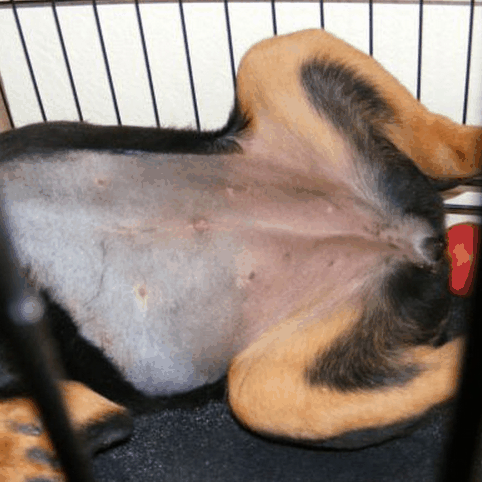
- Reddened skin in the armpit and groin regions
- Rubbing the face and eyes
- Persistent scratching and licking across the body
Where Canine Allergies Come From
The same environmental triggers that make people sneeze and wheeze can also affect dogs. Particles carried in the air — including dust, molds, and pollen from plants — are the leading culprits behind a dog's scratching. While humans tend to respond with watery eyes and sneezing episodes, dogs typically deal with ongoing itchiness and scratching.
Allergies rarely appear in puppies. Most dogs do not begin showing allergies until they reach at least 9–12 months of age. Certain dogs experience problems only during particular months, whereas others deal with allergies throughout the entire year.
Identifying Your Dog's Specific Allergy
When people want to determine what triggers their allergies, they schedule a visit with their physician and undergo what is called a "prick test." A similar test can be done for your dog (apologies, Fido!).
The veterinarian will introduce small quantities of different substances into your dog's skin, then assess whether an allergic reaction occurs. Canine prick tests are quick (completed in under an hour) and do not cause pain.
After the vet identifies your dog's allergen, he may suggest allergy shots. These injections do not eliminate your dog's allergy; they work to ease the symptoms (meaning less scratching and itching!).

Many dogs receive monthly allergy shots to relieve symptoms!
Preventing and Reducing Allergy Problems
Consider a HEPA Air Purifier
After you and the veterinarian have pinpointed your dog's allergen, several options become available. If airborne allergens are the main issue, purchasing a high-efficiency (HEPA) air purifier could be worthwhile. Such devices can substantially cut down the number of allergens circulating in your home. Put the purifier in whichever room your dog sleeps in or spends the majority of his day. Humidifiers may also provide benefit.
Create a Sleeping Area Away From Your Bedroom
Even though your dog may love sharing your bedroom at night, setting up a cozy sleeping spot for him elsewhere in the house could be wise. Unfortunately, bedrooms tend to contain the highest dust mite populations of any room in a home. Sweet dreams! Getting your dog accustomed to sleeping in a different room may take some effort initially; however, if your companion deals with dust or mite allergies, this change actually works in his or her favor.
Buy Allergy-Proof Covers for Sleeping Areas
If the idea of excluding Fido from your room at night is simply too much to accept, look into purchasing a special allergy cover for your mattress, box spring, and pillows. You can find these covers online or at major home goods retailers. One additional method for lowering allergens in the bedroom is to keep it tidy and vacuum regularly (and don't skip washing your sheets, blankets, and pillowcases).
Use Dog Clothing for Smaller Dogs With Skin Allergies
For a small dog dealing with skin allergies, putting a doggie t-shirt or jacket on him before heading outside for the daily walk is worth considering. Many people dislike the idea of "dressing up" their dogs; however, if it provides relief, why not?
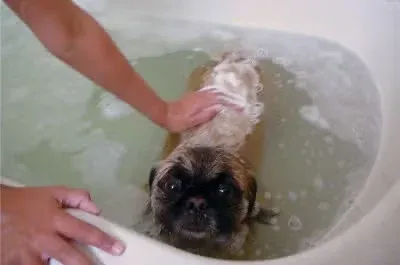
A cool bath can relieve itchy skin!
Easing Allergy Symptoms
Medication
Beyond allergy shots (which must be given by the vet), other options exist for bringing relief to an itchy dog. Antihistamines such as Benadryl may help, but be aware that Benadryl can cause drowsiness — which might actually be helpful … a sleeping dog can't scratch. Ask your veterinarian about proper dosage.
Allergy Relief Skin Sprays
Skin sprays formulated for allergy relief can be found at most pet supply stores. Although they provide only short-term comfort for your pet's itchy skin, keeping a bottle on hand is sensible if your dog has allergies.
Giving a Bath
When your pup is scratching uncontrollably, fill the tub with cool water and let him soak for a while. The cool water soothes and feels pleasant on your dog's skin. Be sure to use cool water — hot water will only make matters worse.
An oatmeal bath is another good option. If you don't have an oatmeal bath product available, put oatmeal inside an old tube sock and place it in the bathwater. Let it soak for at least ten minutes before putting your dog in the tub. This may not be as effective as a store-bought oatmeal bath product, but it will provide some relief.
Baths matter especially for dogs whose allergies affect their paws. Dog paws contain a large number of blood vessels close to the skin's surface. Because of this, whatever they step in is nearly always absorbed into the body. After every walk, clean and wipe your dog's paws thoroughly, and two to three times per week, soak them in an oatmeal bath.
Allergy Shots
On the whole, the most effective way to relieve a dog with severe allergies is through regular allergy shots given by your dog's veterinarian. Many vet pet insurance plans include coverage for allergy-related issues, so if you have a plan, check the coverage before scheduling your first visit!
Although many people grab flea powder as soon as they notice their furry friend scratching, allergies — not fleas — are more often than not the underlying cause! Allergies rank among the most common conditions in dogs and are one of the primary reasons owners bring their dogs to the vet.
While allergy shots are beneficial, stocking your canine first aid kit with Benadryl, itch relief skin spray, and oatmeal dog shampoo is also a good idea. Best of luck, and here's to good health and no paw-licking!
This article is accurate and true to the best of the author's knowledge. It is not meant to substitute for diagnosis, prognosis, treatment, prescription, or formal and individualized advice from a veterinary medical professional. Animals exhibiting signs and symptoms of distress should be seen by a veterinarian immediately.