Recognizing and Treating Strokes in Dogs: A Comprehensive Overview
Dakota Morgan

Could Your Dog Be Having a Stroke?
When we talk about a stroke in dogs, we're usually referring to a cerebrovascular accident (CVA) that disrupts normal brain function. For a long time, veterinarians believed such events were uncommon in dogs, but advancements in veterinary diagnostics have revealed that they occur more often than once thought. The term 'stroke' is sometimes applied incorrectly to other conditions, leading to confusion for owners. Knowing what a stroke is—and what it isn't—can help you make informed decisions about your pet's care.
Ongoing research continues to uncover the causes of CVAs and the best ways to treat them. While much remains to be learned, the good news is that a CVA isn't necessarily a death sentence; many dogs recover well. In fact, mild CVAs may go completely unnoticed because the signs are so subtle, and the dog recovers without any veterinary intervention.
Understanding Cerebrovascular Accidents
A CVA occurs when something interferes with the brain's normal function. This typically happens in one of two ways: either a blood vessel becomes blocked (often by a clot), or a vessel ruptures and bleeds into the brain, causing a hemorrhage. In either case, the delivery of oxygen and nutrients to the brain is interrupted, leading to the death of brain cells. This results in brain damage and the outward symptoms of a stroke.
In humans, about 85% of strokes are ischemic (caused by a clot), while only 15% are hemorrhagic (caused by bleeding). We don't yet have enough data to know if the same proportions apply to dogs, but it's a reasonable possibility.
The severity of a stroke depends on how long blood flow is disrupted. If the interruption is brief, damage is limited and recovery is quick—in both humans and dogs. This is called a transient ischemic attack (TIA) or mini-stroke. Although TIAs haven't been formally studied in dogs, some vets believe they do occur, as the symptoms are mild and often mistaken for something else.
When blood flow is blocked for longer, symptoms are more severe and can include paralysis or circling behavior. Thanks to advances like magnetic resonance imaging (MRI), we can now identify with certainty when a dog has had a stroke, which part of the brain is affected, and how severe it is.

Symptoms of a stroke can be subtle.
Public Domain
Recognizing the Signs
While strokes in people often produce dramatic symptoms, in dogs they can be subtle and easily missed or attributed to something else. Common signs include:
- head tilt
- loss of appetite (due to nausea)
- loss of balance
- disorientation
- vision loss (sometimes only on one side)
- walking in circles
- rapid eye movement from side to side
- behavioral changes (whining, attention-seeking, aggression)
- loss of previously learned commands (including house training)
- difficulty learning new tasks or focusing (most noticeable in dogs in training for dog sports)
- appearing 'spaced out' or dazed
- dragging a hind leg or limping on a front leg
- paralysis
- seizures
The symptoms a dog shows after a CVA depend largely on the severity, the cause, and the area of the brain affected. Many owners only realize something is wrong when their dog has a severe stroke with obvious signs like seizures or paralysis. They may later recall milder symptoms that they didn't recognize as significant at the time, perhaps attributing them to normal aging.
CVA symptoms are often confused with vestibular disease, which causes similar signs such as head tilt, loss of balance, and circling. The vestibular system, responsible for balance, is located in the brain and inner/middle ear. Confusingly, a CVA can trigger vestibular problems if it affects the relevant part of the brain. Vestibular disease is sometimes incorrectly called a 'canine stroke'. It can result from ear infection, head trauma, a tumor, or sometimes no identifiable cause. It usually resolves on its own without treatment and isn't fatal, though it may indicate another underlying issue.
In contrast, CVAs are more serious; without treatment, they can worsen and lead to death. Other conditions that can mimic CVA symptoms include spinal problems (dragging a hind leg), arthritis or muscle strain (front leg limp), epilepsy (seizures, behavioral changes, disorientation), and poisoning.
Only a veterinarian can determine if a dog has truly had a CVA, as this requires specific tests to rule out other conditions and possibly locate the stroke in the brain.

Breeds such as Cavalier King Charles Spaniels and Greyhounds are thought to be more prone to strokes.
Public Domain
How Is a CVA Diagnosed?
Because CVA symptoms can resemble many other conditions, it's crucial to seek veterinary advice immediately if you suspect a stroke. Diagnosis involves ruling out other possible illnesses before confirming a stroke. Blood and urine tests are used to check for underlying conditions.
Sometimes, depending on the type of stroke, evidence may be visible during a physical exam. For example, in a hemorrhagic stroke where bleeding occurs behind the eye, temporary blindness might be seen.
Unfortunately, in most cases, the only reliable way to confirm a CVA is through an MRI scan of the brain. However, MRIs are expensive and typically require a specialist, which may be beyond many owners' budgets.
Dogs that have one stroke may have another, and each tends to be more severe. This is another diagnostic clue, though less helpful if your dog has only had a single stroke.
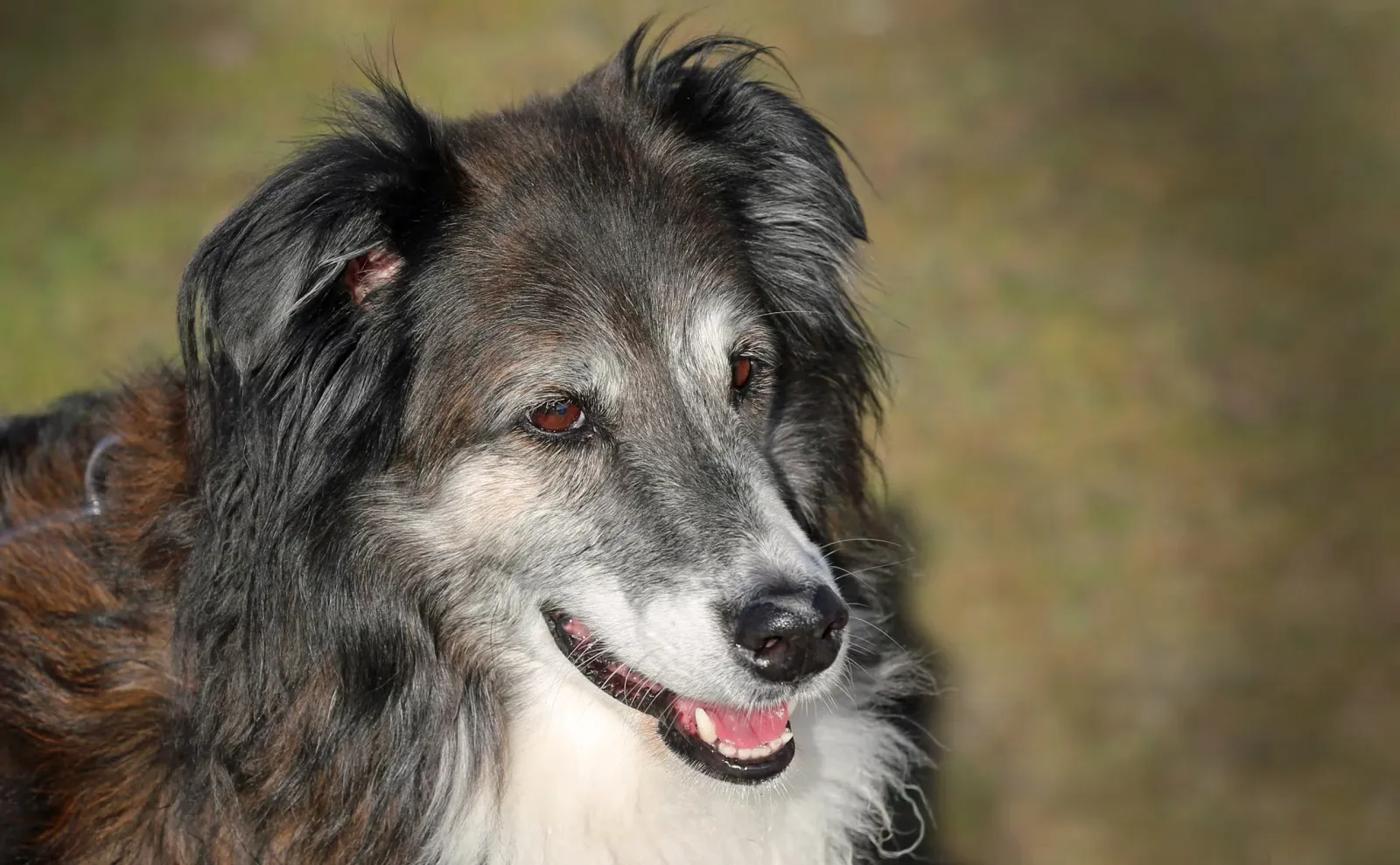
As in humans, canine strokes are more common in older individuals.
Public Domain
Treatment and Recovery
Dogs tend to recover from strokes better and faster than humans. Mild strokes that don't cause paralysis or seizures may resolve within a week, though behavioral changes can take longer and sometimes become permanent.
As with people, the first few hours and days after a stroke are critical. The quicker the improvement, the better the chance of a full recovery, but this depends on the extent of damage, what part of the brain was affected, and whether there's an underlying condition (like a brain tumor) that triggered the stroke.
There is no specific treatment for a stroke itself; care focuses on supporting the pet during recovery and managing side effects like nausea. A dog that has had a CVA should undergo a thorough medical evaluation, including blood tests and a heart scan, to identify any underlying cause that needs treatment.
Risk factors for CVAs include:
- heart disease (especially congestive heart failure)
- hypertension
- blood clotting disorders
- sepsis
- malformations of blood vessels
- chronic kidney disease
- brain tumor
- heartworm
- diabetes
- Cushing's disease
- ingestion of poisonous substances
Hyperthyroidism has also been suggested as a risk factor, but evidence is lacking.
Unfortunately, in about 50% of cases, no underlying trigger can be found.
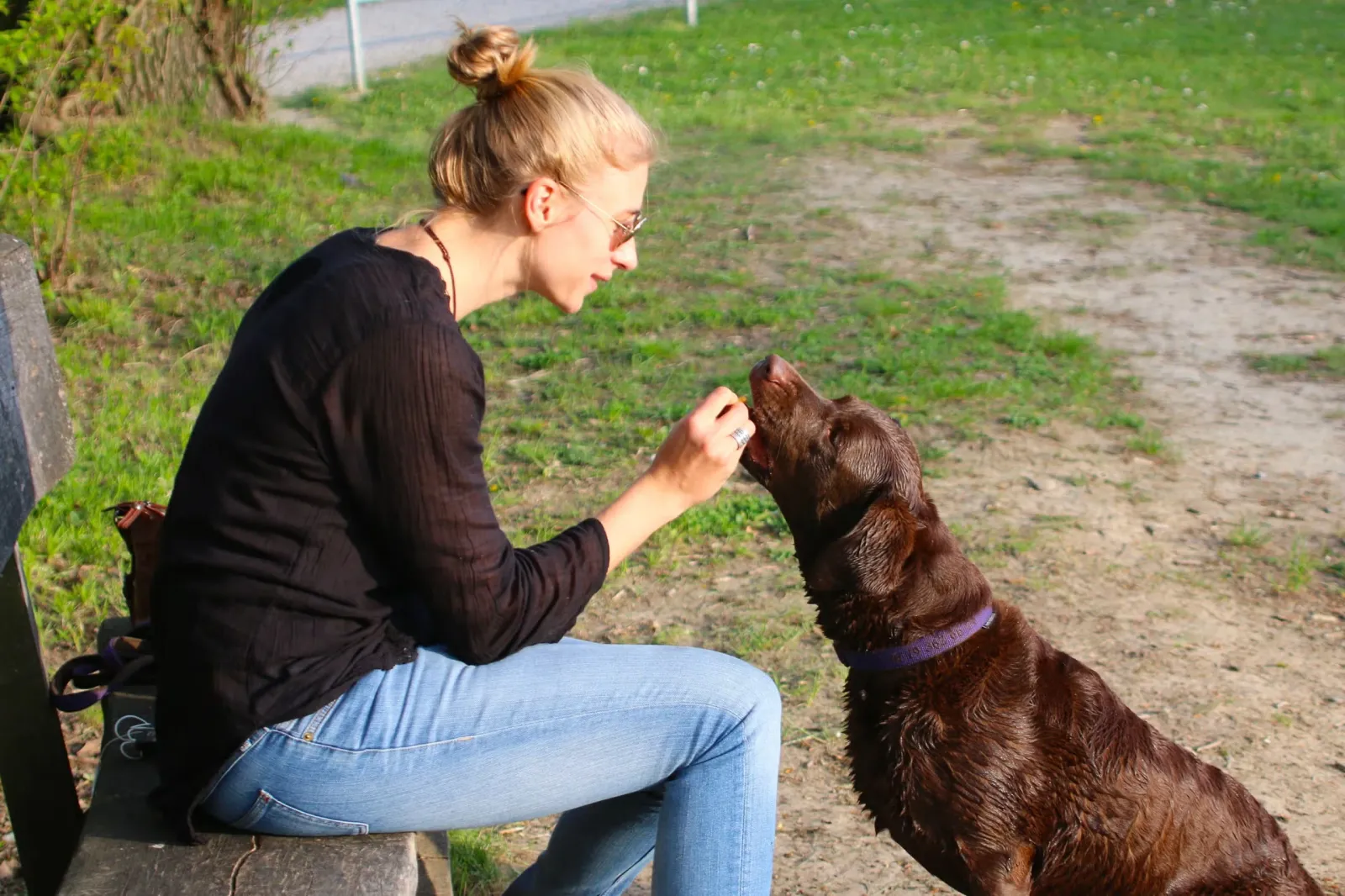
With patient care, many dogs recover well from a stroke and continue to lead full lives.
Public Domain
Life After a Stroke
The long-term outlook for a dog that has had a stroke depends on several factors, including the severity and whether an underlying cause was identified.
Some conditions that can trigger a stroke are themselves life-threatening, such as a brain tumor or kidney disease. In these cases, palliative care may be the only option, and life expectancy may be limited.
Other causes can be managed with medication, improving the dog's prognosis. With proper treatment, the underlying disease can be controlled, and the risk of further strokes minimized.
When no cause can be determined, the outcome is more uncertain. There is a high chance of additional strokes, which may be minor or major, each causing further brain damage and potentially leading to permanent disability.
Owners can do little to prevent further CVAs, but being vigilant and seeking veterinary care at the first sign of a stroke can help.
Only a few studies have examined long-term survival after CVA in dogs, partly because many cases go undiagnosed.
A 2012 study followed 22 dogs diagnosed with ischemic strokes via MRI:
- Five dogs (23%) died within 30 days.
- For those surviving beyond 30 days, the average life expectancy was 505 days (nearly 17 months).
- Four dogs (18%) lived longer and were still alive when the study ended.
- The study found a high probability of another stroke 6–17 months after the first in dogs that survived beyond 30 days.
However, it's not all bleak. Veterinarian Dr. Todd Bishop says, "I'd say as many as 75% [of dogs] improve or normalize with time, but it could take a week or more. I've had dogs live years after a stroke. Happy, healthy lives."
While much remains unknown about strokes in dogs, the overall picture is encouraging, and many dogs survive even severe strokes and return to a normal life.
This article is accurate and true to the best of the author's knowledge. It is not meant to substitute for diagnosis, prognosis, treatment, prescription, or formal and individualized advice from a veterinary medical professional. Animals exhibiting signs and symptoms of distress should be seen by a veterinarian immediately.