Distinguishing Canine Seizures from Fainting Spells
Quinn Murphy
Understanding Seizures vs. Syncope: A Personal Journey
Shadow’s First Incident
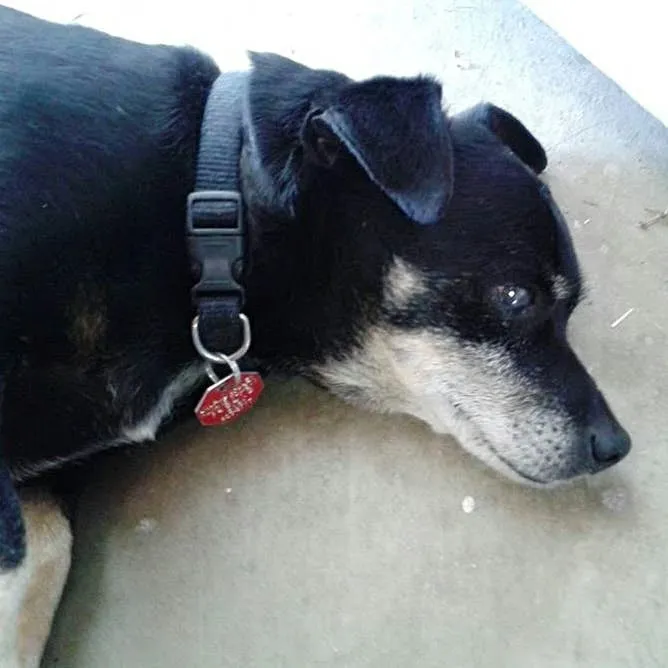
Shadow, an 11-year-old male Chiweenie, belongs to my niece, but my husband Jerry and I have been caring for him over the past two years, and we’ve grown very attached to him.
One morning at 8:00 a.m., as Shadow was about to go for a walk with Jerry, he suddenly splayed his legs on the ground, stiff and seemingly unable to control his body. He then fell onto his side, urinated, and appeared confused and frightened.
Afterward, Shadow seemed dazed or in shock for a while. It took a few hours before he began acting more like himself, though he moved very slowly.
A Trip to the Veterinarian
When we told the vet we suspected a seizure, she used a stethoscope to examine him and detected a heart murmur. She explained that what Shadow experienced was not a seizure but syncope (pronounced sin-co-pay), a symptom caused by the heart murmur.
She noted that another episode was unlikely, but if one occurred, she advised bringing him back so she could prescribe heart medication.
A Second Episode
Two nights later, I went to the garage and left the door slightly open so Shadow could join me if he wanted. After a few minutes, he walked in. I talked to him and petted him, then he started to walk away.
He began coughing as he often does, so I went to him to keep him calm. I spoke softly and petted his neck and back, but it didn’t help. His legs started to give out, and his neck seemed stiff—I panicked.
I realized he was having another syncope episode and was terrified. I tried yelling for Jerry, but he didn’t come. It felt like no one was home; it was so quiet, and I was crying for help.
Shadow’s Helplessness
I watched Shadow twitch side to side on the garage floor, wondering if he would be okay. After what felt like a long time (15 to 20 seconds), the episode ended, and Shadow remained on the floor—he was afraid to move.
Eventually, Jerry and my son Chester came running out. I told them what happened, and Jerry carried Shadow into the house. Then I called my sister Monica to inform her.
Return to the Vet
Monica took Shadow to the vet a couple of days ago, but the doctor also told her that she would prescribe heart medication if he had another syncope episode, which she said was unlikely.
Heart Medications for Shadow
Monica was able to get the prescriptions filled for Shadow without bringing him in again.
The vet prescribed half a pill of Furosemide (a diuretic) and half a pill of Enalapril maleate (a heart medicine), to be given once in the morning and once in the evening.
He is doing well so far, but I also pray for him every night just to be sure.
Identifying Syncope vs. Seizures
Here are the differences between syncope and seizures.
Seizures
The first time your dog has a seizure or syncope, you might think it’s a seizure because the dog’s body appears to seize up. However, seizures result from irregular brainwave patterns that can be managed with epilepsy/seizure medication.
If your dog is having a seizure, they might drool, but they don’t always lose consciousness. Their body will become rigid, and they will convulse uncontrollably on the floor.
Once you notice something is wrong (seizure or syncope), ensure the dog won’t fall or bump into anything harmful. Move large objects away from where your dog lies, but do not put anything in their mouth—the dog cannot control their movements and could bite your finger off!
Seizures can be very violent and last from a minute to several minutes. Afterward, your dog will be tired and in a fog. Seizures have about a four-hour recovery period.
Syncope
If your dog is having syncope, they will suddenly faint and then quickly recover. It’s almost like they nodded off and immediately woke up.
I posted a couple of videos showing what a dog looks like during syncope. Some dogs hardly seem affected. The dog almost falls, then resumes walking as if nothing happened.
Presyncope
In Shadow’s case, he did not faint. Jerry was getting ready to take him for a walk as usual, going to the front yard through the back gate with his leash on. All of a sudden, he sprawled on the ground. Jerry said he then rolled onto his side and urinated. He was confused and seemed dazed. He just stood there. I petted him and reassured him, and after a few hours, he was back to his old self.
I learned that Shadow had a “presyncope” because he did not lose consciousness (faint). I hope we got him on medication early enough that he will never faint—and I hope this syncope never happens again. It is very scary to watch your dog and be unable to help!
General Descriptions
My description of what a seizure or syncope might look like is a generalization of some symptoms your dog might display during an episode. Some seizures can be worse or less dramatic, and the same goes for syncope episodes.
Do not try to diagnose your dog yourself; it’s best to get professional advice from a veterinarian. They will perform a brief physical examination, including listening to the heart and lungs, before making a diagnosis. If your dog needs medication, a prescription will be provided to help their condition.
Call Your Vet ASAP!
If your dog has any type of seizure or syncope episodes, call the vet as soon as possible! In some cases, seizures or syncope can lead to sudden death, so it is vital that you call your vet if your dog exhibits seizure or syncope symptoms.
What to Do During a Seizure or Syncope
If your dog is having a seizure or syncope episode, stay calm so your dog does not get frightened! (I acted totally wrong by freaking out when Shadow had syncope!)
Do not freak out because this does not help your dog. You should remain calm and talk softly to your dog. “You’re going to be okay, Shadow,” is what I should have said instead of screaming for help and getting excited.
Other steps to take during your dog’s episode:
- If there are any tables, chairs, or other objects that your dog might hurt themselves on during the seizure or syncope, move them away so they don’t hit their head.
- Do not put anything in your dog’s mouth! A seizure is unpredictable; if you put your hand in their mouth, your dog cannot control the outcome and may bite your hand.
- Seizures can be violent, so wait until the episode is over before approaching and consoling your dog.
- Syncope episodes are short, but do not approach your dog until it is over, just to be safe.
- If you remember, take photos or video-record your dog during the episode. This is very valuable information for your vet!
- Also, write down exactly what happened, the date and time, what your dog was doing before the episode, and how long it lasted. Bring this paper when you visit your vet.
Graphic Videos Below
Below are two graphic videos of syncope.

Handsome Chiweenie, Shadow
miriamyentraccm
Graphic Video:
Below is another graphic video of what appears to be Syncope.
Charting the Symptoms of Seizures and Syncope
| Seizure | Syncope |
|---|---|
| Has a history of seizures |
|
Triggers: coughing, barking, tugging on collar with leash
| |
Is not initiated by triggers
|
Pre-symptoms: nausea, blurred vision, headache, dizziness
| |
Has pre-symptoms (“aura”)
|
May be anxious, clingy, or want to hide
| |
Muscles become rigid or stiff
|
Suddenly loses muscle control. Legs flacid, collapse.
| |
Convulsions begin after dog faints
|
Convulsions at onset of fainting
| |
Seizure duration 2 minutes +
|
Episode of short duration: Usually less than 15 seconds, but can be as long as 2 minutes maximum
| |
May drool, bite tongue, urinate and defecate
|
May urinate
| |
Recovery about 4 hours
|
Recovery is almost immediate
| |
After seizure: confused, sleepy, headache
|
After syncope: dog lethargic, but not confused
|
Charting the Symptoms of Seizures and Syncope — Source: ia.files.wordpress.com/2014/01/screen-shot-2014-01-28-at-10-18-24-am.png
Recommended Links
- Syncope (Fainting) in Dogs – PetPlace
- Dog Fainting – Fainting Diagnosis in Dogs | petMD Syncope is the clinical term for what is otherwise often described as fainting. This is a medical condition that is characterized as a temporary loss of consciousness and spontaneous recovery. Learn more about Dog Fainting at PetMd.com.
- Seizures (Epilepsy) in Dogs and Cats – PetMeds Seizures in dogs and cats are abnormal brain activity. Pets with epilepsy can have either a grand mal seizure with convulsions or a petit mal seizure with no convulsions. Seizures are triggered by events in your pet’s brain.
This article is accurate and true to the best of the author’s knowledge. It is not meant to substitute for diagnosis, prognosis, treatment, prescription, or formal and individualized advice from a veterinary medical professional. Animals exhibiting signs and symptoms of distress should be seen by a veterinarian immediately.
Questions & Answers
Question: my dog is having seizures related to a heart condition. He screamed badly during the last one. Can you explain to me why this happens?
Answer: I don’t know why your dog screamed, probably because he didn’t know what was going and was scared. My dog, Shadow, died during a seizure, so be sure to have a vet prescribe him something for his heart.
© 2014 Miriam Parker
Sources
- Distinguishing Canine Seizures from Fainting Spells — pethelpful