Understanding Seizures in Dogs: From Causes to Care
Quinn Murphy
Why Seizures Happen Suddenly in Dogs
Seizure disorders occur in dogs just as they do in humans. Brain cells communicate through electrical and chemical signals that either stimulate or inhibit other neurons. A seizure is believed to result when the balance between excitatory and inhibitory signals in the brain is disrupted.
Like people, dogs maintain a normal level of neurological activity that prevents brain cells from becoming overexcited. When an excessive number of brain cells become excited simultaneously, a seizure can begin.
Note:
This type of brain cell excitement is completely unrelated to your dog getting excited when you arrive home, during play, or in any other everyday situation.
Causes of Seizures
Based on your dog's age, the following medical conditions may be responsible for seizures. The list goes from more common to more rare conditions.
- Under 8 months: Developmental disorders, encephalitis or meningitis, trauma, portacaval shunt, hypoglycemia, toxins, intestinal parasites, idiopathic epilepsy (rare)
- 8 months to 5 years: Idiopathic epilepsy (most common), developmental disorders, trauma, encephalitis or meningitis, acquired hydrocephalus, neoplasia (tumor), portacaval shunt, hypoglycemia, electrolyte disturbances, hypothyroidism, toxins
- Over 5 years: Neoplasia (tumor), degenerative disorders, vascular disorders, hypoxia (lack of oxygen in body tissues), hypoglycemia, idiopathic epilepsy, trauma, encephalitis or meningitis, acquired hydrocephalus, serious liver disease, hypocalcemia, electrolyte disturbances, hypothyroidism
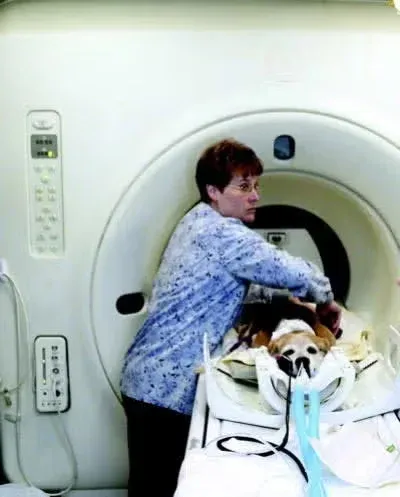
Dog MRI scan
Diagnosing Seizures in Dogs
Before treating a seizure disorder, it is necessary to find out whether an underlying disease is causing the seizures, and whether treating that condition might also resolve the seizures.
Seizures fall into three categories: primary epileptic seizures, secondary epileptic seizures, and reactive epileptic seizures. With your veterinarian's assistance, you can work toward identifying which type your dog experiences. No test can determine the type with 100% certainty, but your veterinarian can help identify it by observing how your dog behaves during a seizure.
Often, the vet will attempt to treat other conditions that could be triggering the seizures before addressing the seizures themselves. For instance, if secondary seizures seem likely, your vet may look for an abnormal brain process, trauma, a tumor, or an infection. If reactive seizures are suspected, your vet may consider metabolic dysfunction, hypothyroidism, low calcium, liver failure, toxins, kidney failure, or an electrolyte imbalance.
Your veterinarian will also take into account your dog's age and breed, since older dogs are more susceptible to seizure disorders than younger ones, and certain breeds are predisposed to them.
Breeds that commonly experience seizure disorders include:
- Beagles
- Belgian Tervurens
- British Alsatians
- Collies
- Dachshunds
- Golden Retrievers
- Keeshounds
- Labrador Retrievers
Note:
Roughly 65% of dogs between 1 and 5 years old have primary epilepsy.
Tests Your Vet May Recommend
Possible tests include:
- MRI or CT brain scan to rule out brain tumors.
- Spinal tap to check for infectious diseases such as distemper.
- Antibody titers to help identify causes of infection.
- Toxin tests to detect any toxins or poisons.
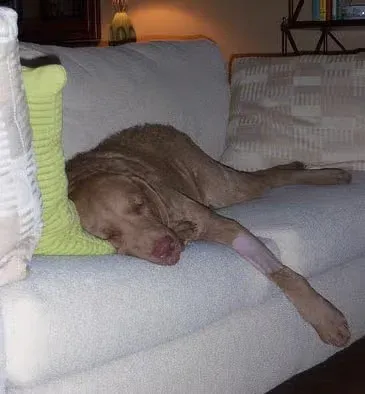
Soon after being put on seizure medication- flickr image by by DK10
Treatment Options for Seizures
Usually, your veterinarian will not prescribe medication unless seizures occur on a regular or semi-regular basis. In some cases, a dog may have only one or two seizures and never experience another.
If seizures are persistent, or especially if they are persistent and severe, your vet can prescribe one of several medications. Together, you and your vet will need to narrow down the options, since every medication carries potential adverse side effects.
Common seizure medications and their side effects include:
- Phenobarbitol: sedation, loss of coordination, lethargy, depression, weight gain, increased thirst and eating, excessive urination, difficulty balancing, weakness in rear legs, and severe liver disease
- Potassium Bromide: vomiting, depression, lethargy, and drowsiness
- Clorazepate: drowsiness and wobbly gait
- Felbamate: liver toxicity and bone marrow suppression
- Levetiracetam (Keppra): stiff and wobbly gait, vomiting, and salivation
- Zonisamide: high salt levels
In addition to medication, you might consider kindling, which involves repeatedly applying a low-intensity electrical stimulus to the dog's brain. I want to note that kindling is more of an experimental treatment. It is something you can ask your vet about.
Natural Remedies
You may also explore a natural approach to treating dog seizures. Two options are more common:
- PetAlive EaseSure is an all-natural blend of herbs and other homeopathic ingredients intended to treat and prevent seizures.
- EaseSure Drops are recommended for use alongside your dog's regular seizure medication. Do not stop your dog's regular medicines when using EaseSure Drops.
Before choosing any treatment, whether it is a specific medication, an alternative, or an experimental option, you want to weigh the pros and cons.
Caring for a Dog During a Seizure
Here is what you should do when your dog has a seizure.
During the Seizure
Stay calm while your dog is seizing. Most vets believe the dog is not in pain, so the best thing you can do is relax and ensure the dog doesn't hurt himself (for example, make sure he won't fall down stairs or hit anything).
Don't try to restrain your dog; just let him seize. Keep your hands away from the dog's mouth because your dog may clench his jaws and hurt you.
Some dogs may even attack during a seizure, so keep any other pets away during the seizure.
Remember to stay calm. Talk gently to your dog, especially if he is unconscious, as this may help him regain consciousness. You may even want to dim the lights.
If your dog has a history of seizures, your vet may have prescribed a medication to help ease the seizure; have this ready.

Flicr image by Cam Switzer
After the Seizure
Some dogs may be normal after a seizure, but others may be somewhat disoriented.
Common signs you will notice after a seizure include:
- Pacing
- Whining
- Extreme hunger
- Blindness
- Disorientation
- Rare aggression
You may also notice difficulty walking, bumping into furniture, getting stuck in corners, attempting to eat anything, and persistent crying or whining.
When your dog regains full consciousness, he may want to pace around, which is normal. Help him find a place and let him walk it off. Your dog may want to pace for a short period or as long as 24 hours.
Also, offer small amounts of food and water, as some dogs may get hungry after having a seizure. The small bits of food may help calm him down.
If your dog's body temperature rises from the seizure, you want to consult your vet so that you can find the best way to lower and balance out your dog's temperature.
This article is accurate and true to the best of the author's knowledge. It is not meant to substitute for diagnosis, prognosis, treatment, prescription, or formal and individualized advice from a veterinary medical professional. Animals exhibiting signs and symptoms of distress should be seen by a veterinarian immediately.
© 2008 Whitney
Sources
- Understanding Seizures in Dogs: From Causes to Care — pethelpful