Can Dogs Suffer from Seasonal Affective Disorder? What Science Says About Winter Depression in Pets
Jordan Gray
Understanding Seasonal Affective Disorder in Dogs
When winter arrives with its shorter days and harsher weather, numerous individuals develop a condition called Seasonal Affective Disorder (SAD). Its signs include fatigue, persistent sadness, irritability, drowsiness, and a desire for carbohydrates. For certain people, SAD severely disrupts everyday functioning and may lead to social withdrawal or clinical depression.
The term SAD was first formally applied to humans in 1984, in a paper from the National Institute of Mental Health in Bethesda, MD. Yet even earlier, it was observed that some people grew depressed or sluggish during winter without any clear cause other than the seasonal shift.
Initially, animals were not thought to experience SAD alongside humans. Only in recent years have researchers started exploring whether our pets—especially dogs and cats—might also endure a comparable form of seasonal depression.
In 2007, the People’s Dispensary for Sick Animals (PDSA), a UK charity providing free and low-cost veterinary care for sick pets, surveyed owners about whether their animals seemed depressed in winter. One in three owners said their pets appeared depressed during winter, with a noticeable decline in mood. Half of those surveyed reported that their pets slept more in winter, and 20% observed reduced activity. Elaine Pendlebury, PDSA’s senior veterinary surgeon, commented: “… the onset of dark nights could certainly have an impact on our pets’ mood.”
Forthglade, a UK pet food company, also investigated the possibility of SAD in pets. In a survey of 2,000 pet owners, nearly half reported a change in their pet’s behaviour during winter. A striking 44% of respondents had considered seeking veterinary or behavioural assistance to address their pet’s seasonal depression.
Forthglade sought the view of canine behaviourist Nick Jones on why dogs might become depressed in winter:
“The long dark days of winter don’t just take a toll on the two-legged population; our four-legged friends also feel the strain. It’s clear that many dogs exhibit symptoms replicating the human condition of SAD: lethargy, an increased appetite, irritability and a reluctance to go outside and exercise – all as a result of natural sunlight being at a minimum.”
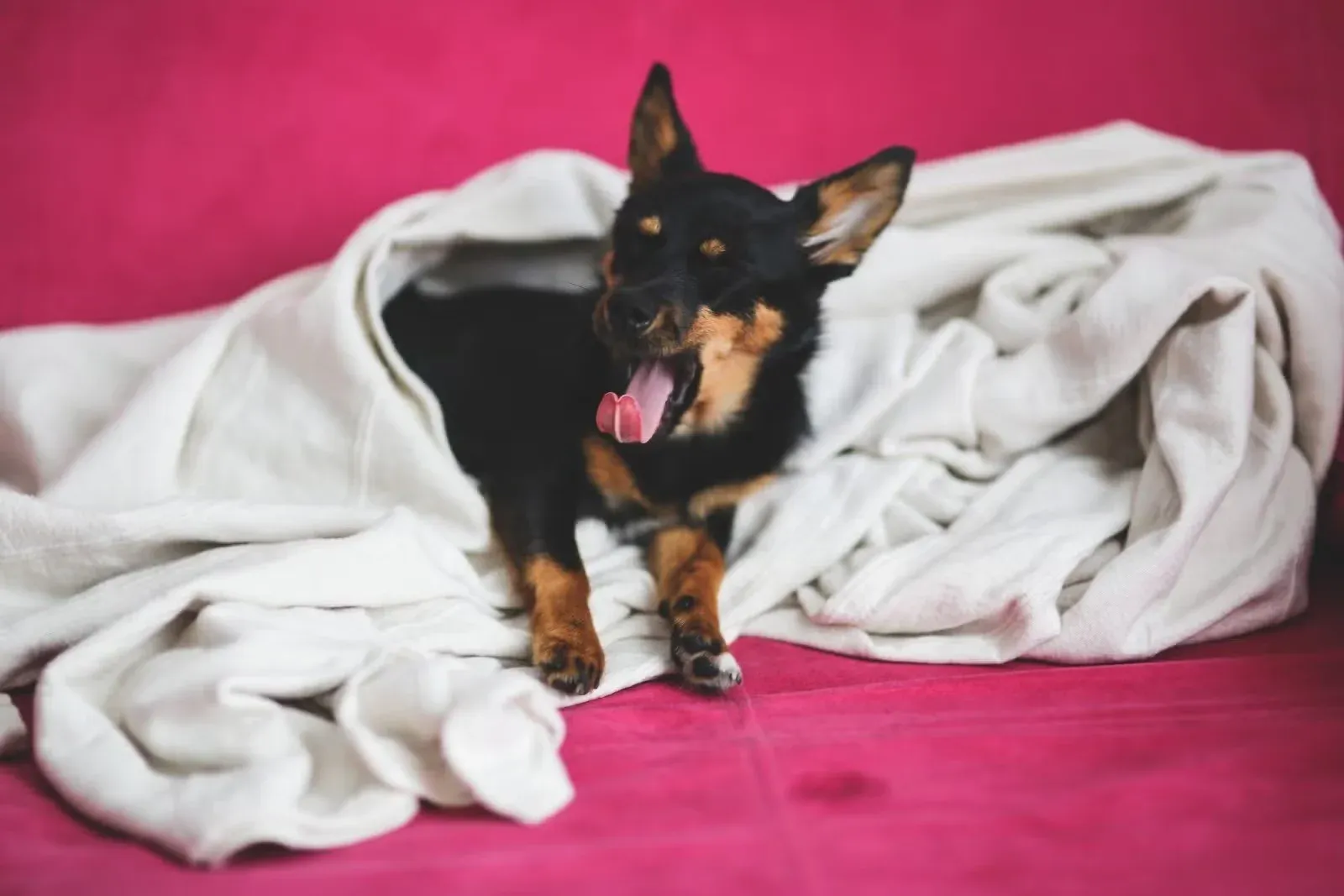
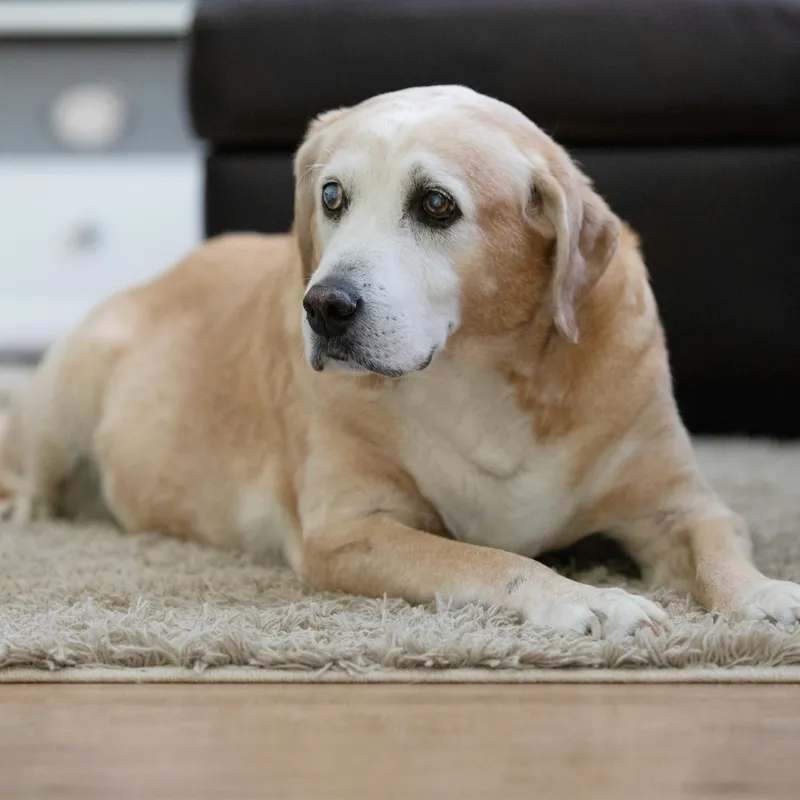
Darker days and nights can make dogs sleep more.
Visualhunt.com
What Exactly Is SAD?
Seasonal Affective Disorder is still not completely understood, but the leading explanation for why some people become depressed in winter centres on reduced light exposure. It is believed that insufficient sunlight during winter may disrupt a brain region called the hypothalamus, causing it to malfunction. The hypothalamus controls the release of hormones into the body, including melatonin and serotonin.
Melatonin is a sleep-related hormone that helps the body wind down at night. Serotonin also influences sleep, as well as mood and appetite. Low serotonin levels are thought to contribute to depression, and antidepressants like Prozac are designed to boost serotonin availability in the brain.
When these two hormones fall out of balance, SAD may develop. People with SAD are thought to produce excess melatonin, making them sleepy, while a lack of sunlight may reduce serotonin production, leading to a low, depressed mood.
The link between SAD and low sunlight appears supported by research comparing winter depression in sunny versus less sunny locations. One study found that SAD was less common in Florida, where winter light is abundant (only 1.4% of the population were diagnosed with SAD), compared to New Hampshire (9.7% diagnosed), where winter light levels are much lower. Dogs also produce melatonin and serotonin, and it has been proposed that they too might experience an imbalance during winter, resulting in canine SAD.
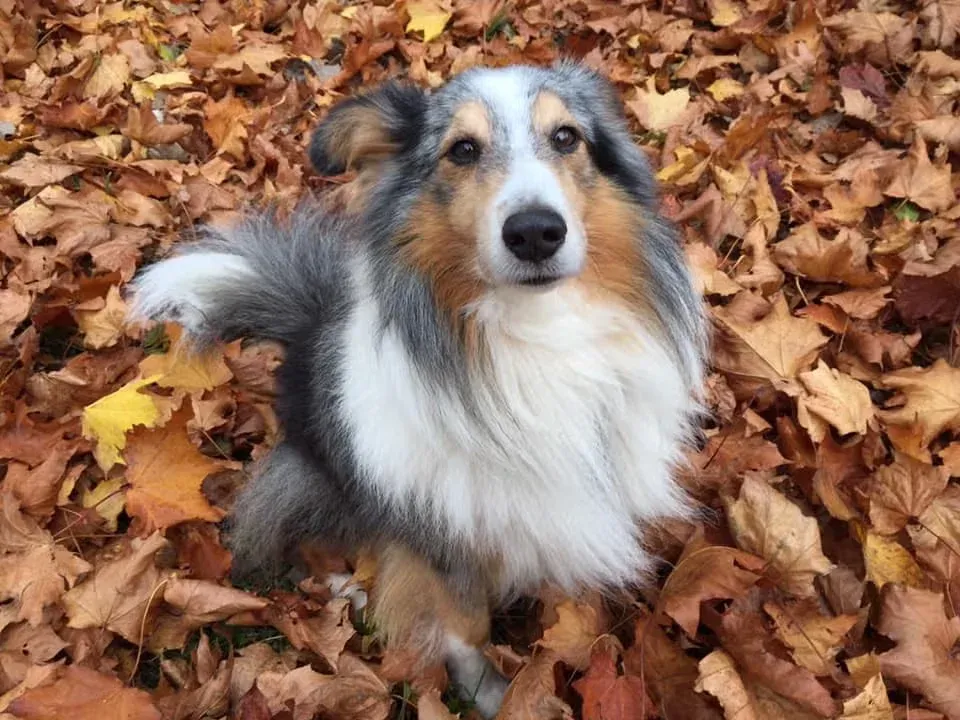
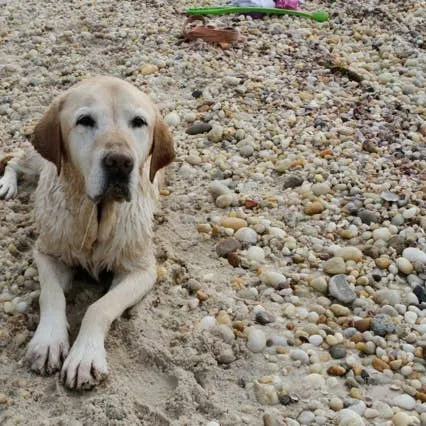
The changing weather through autumn and winter may cause SAD symptoms in dogs.
Author's Photo
Recognising the Symptoms of SAD
In humans, SAD symptoms include a persistent low mood, lack of energy, sleeping more than usual, losing interest in daily activities, and craving carbohydrates.
When owners were asked about their pets’ behaviour over winter, they described similar signs. Dogs appeared lethargic and sleepy, showed less interest in play, and seemed hungrier. Psychology professor Stanley Coren noticed such changes in his own dogs:
“Today my three dogs are lying around like lumps. They show little motivation to do anything, and Dancer, the oldest of the group (and the most predictable) even shows little enthusiasm when it comes to barking at the postman. My usually alert dog arrives at the door well after the mail has already been dropped into the box and the postman has already descended the stairs and is halfway back to the street. Even my grabbing the leashes and preparing for a walk doesn’t seem to bring a lot of joy to my pets. Furthermore, other than sleeping for many more hours than is customary each day, the only thing that my dogs seem willing to do is to bump my leg with their noses and whimper—a sure sign that they are begging for a treat.”
Coren hypothesised that his dogs were experiencing a canine version of SAD, given how closely their symptoms matched. His observations echo those of owners who responded to the PDSA and Forthglade surveys. Elaine Pendlebury of the PDSA felt their findings indicated that many pets suffer from winter depression: “According to our poll, some pets display similar symptoms of the human disorder, SAD, which include fatigue, depressed mood and lack of energy.”

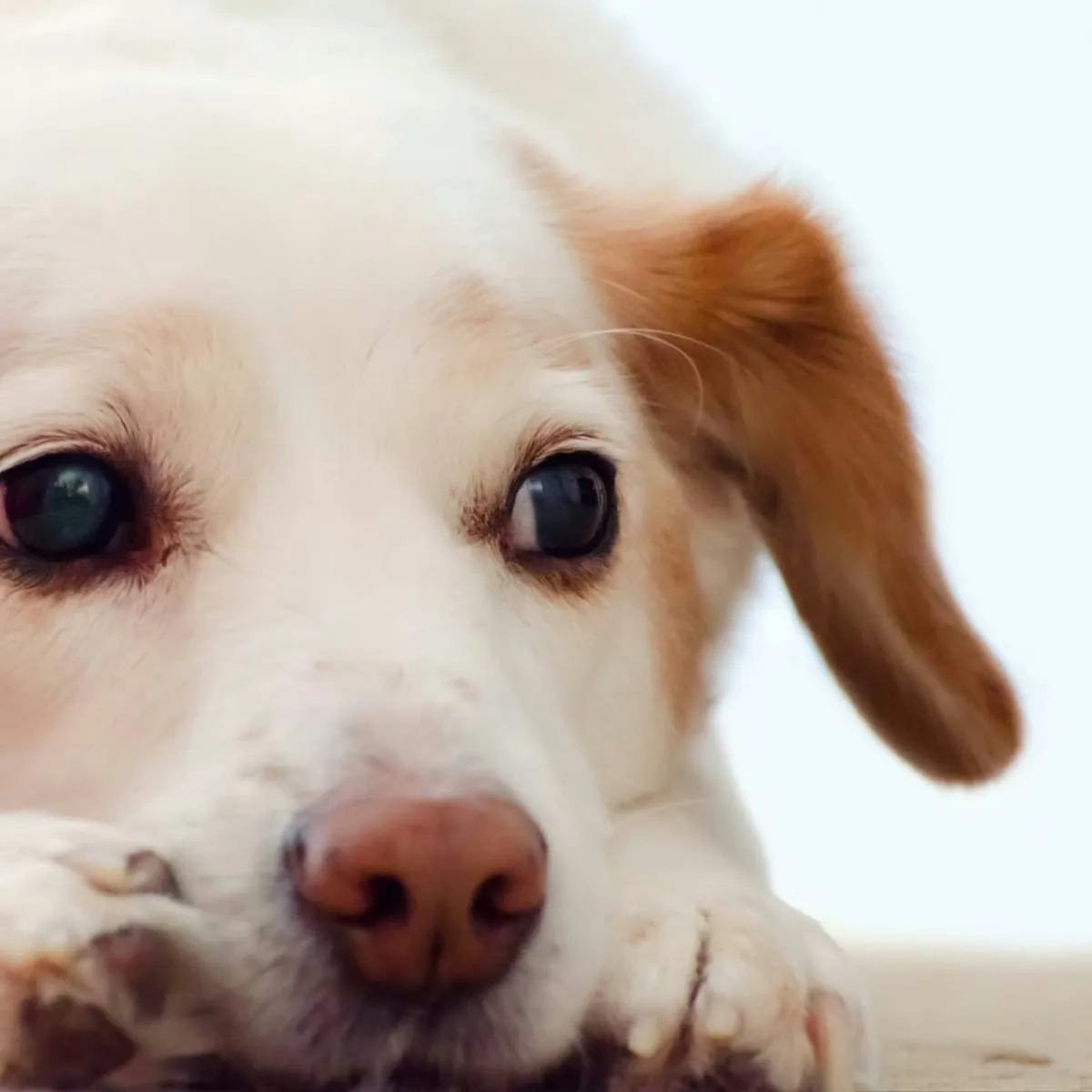
Our perception of winter as a depressing season may affect the way we view our dog’s behaviour.
Author's Photo
Are There Other Explanations for Winter Blues in Dogs?
Although recent research hints that dogs can suffer from SAD, not everyone is persuaded. When certified animal behaviour consultant Steve Dale was asked whether dogs might experience SAD, he replied, “The definitive answer is … maybe. Nobody knows for sure.”
While dogs share the same brain chemistry as humans and thus could theoretically be affected by low sunlight, whether that is actually occurring is uncertain. Dale proposes that what owners interpret as canine depression may in fact be dogs mirroring their owners’ low mood: “Pets’ moods mirror our moods. If we’re moody around the house all day, cats and dogs can pick up on this.”
Veterinarian Dr. Patty Khuly holds a similar view:
“Our anthropomorphic sensibilities clearly make way for our observation of the quiet winter months as a time of depression – we get depressed, animals must get depressed too. But for them, resting more than usual, with less play and activity expended, might in fact be a way of storing energy, by way of augmented fat reserves, for the lean months of winter and the busy months to come… After all, evolution has favoured those animals that can most efficiently store energy through these lean winter months … even if modern convenience has changed food distribution.”
Similarly, dog owners who have SAD might misinterpret their pet’s comparable symptoms, which could actually be the dog reacting to changes in the owner’s behaviour. Research by PitPat, a company that makes dog pedometers and studies activity levels from device data, further suggests that it might be us rather than winter sunlight causing our pets’ seasonal blues.
Data from PitPats worn by 20,000 dogs in the UK showed that their exercise levels drop by as much as 20% in winter. Forthglade’s survey found similar figures: 56% of owners said they gave their dogs over 30 minutes of exercise per walk in summer, but only 28% did so in winter. This reduction in exercise can lead to weight gain, increased inactivity, and behavioural problems such as boredom.
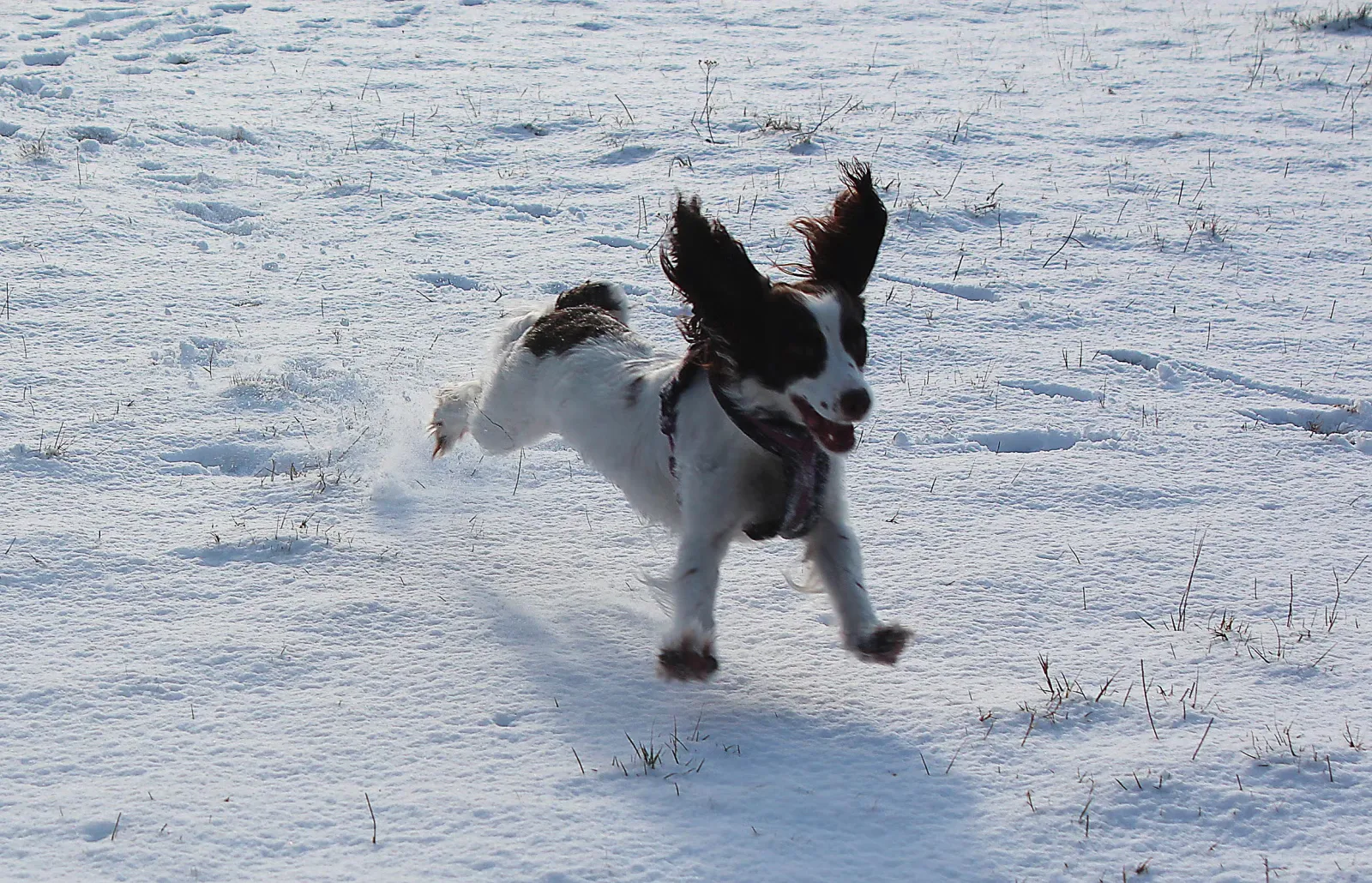
Getting outdoors in winter is a good way of cheering up ourselves and our dogs.
Author's Photo
How to Prevent Winter Blues
Whether dogs truly suffer from SAD or simply react to us when they appear depressed in winter, the strategies to help them are the same—and may also benefit human SAD sufferers who own dogs.
Light Exposure
Seasonal depression is tied to low light levels, so a logical remedy is to increase a dog’s exposure to natural light. This might be as simple as relocating a dog’s bed to a spot where daylight streams in, such as under a skylight. Dr. Karen Becker believes this is a crucial way to help pets:
“One of the best things you can do for your pets on a daily basis is to open the shades when the sun comes up, and allow as much natural sunlight in your home as you can.”
People with SAD are advised to use natural lightboxes that mimic daylight and can raise serotonin while lowering melatonin. Dogs may also benefit from these boxes, particularly in midwinter when daylight is scarce. Also called light therapy boxes, they are available at various prices to fit most budgets and offer a convenient way to help dogs (and people) feel more energetic in winter.
Outdoor Time
Getting outside with your dog benefits both of you. Even in poor weather, aim for at least a half-hour walk and encourage your pet to be active during it. If your dog dislikes cold or wet conditions, buying a coat or even a doggy wetsuit can help them enjoy walks.
Exercise is a well-known natural mood booster. Even a brisk walk can ease depression, so daily walks with your dog will benefit both of you. While not always practical, walking during daylight in winter is preferable to night walks, as your dog can absorb natural sunlight. For some people who must walk their dogs before or after work, this may not be possible, but if you can, it will certainly help your pet.
Fun Activities
Mental stimulation, such as trick training or playing with toys, can lift a pet’s mood. There are many puzzle games for dogs, along with food toys like Kongs. Even chewing on a meaty bone can be a mood booster for dogs, as it releases feel-good endorphins.
However, the best games involve a person and get the dog interacting. It might be teaching a new command or having a great game of tug. One enjoyable game is hiding treats around a room and having your dog search for them. Encouraging your dog and getting excited when they succeed will further enhance their enjoyment.
Interacting with your dog is a great way to keep you both happy and makes the dark winter months pass more quickly. So get outdoors, get moving, and enjoy the winter sunlight; your dog will thank you for it.
This article is accurate and true to the best of the author’s knowledge. It is not meant to substitute for diagnosis, prognosis, treatment, prescription, or formal and individualized advice from a veterinary medical professional. Animals exhibiting signs and symptoms of distress should be seen by a veterinarian immediately.
© 2019 Sophie Jackson