Raw-Fed Dogs and Constipation: Prevention and At-Home Solutions
Jordan Gray
Does a Homemade Raw Diet Cause Constipation in Dogs?
A properly balanced raw diet should keep constipation off your list of worries. Choose bones that still have meat on them—chicken wings, thighs, and necks are examples—and issues are unlikely to arise.
Fresh meat and raw bones are largely digested by dogs, leaving stool that is firm and dry rather than the loose, slimy consistency many dogs have grown accustomed to after a lifetime on commercial food. This shift can mean some dogs strain more than they used to. That straining is actually beneficial. Loose stools are linked to more gastrointestinal trouble, and dogs with loose stools are also more prone to impacted anal glands.
Normal straining is sometimes misread as constipation by owners. True constipation looks different: the stool is overly firm, and after straining for a long time the dog manages to pass only a small amount. A dog who strains but cannot pass anything at all is obstipated, a far more serious medical condition.
Constipation feeds on itself. When stool is too dry for a dog to fully empty the bowels, it remains in the colon longer and grows harder and drier still. Recognizing the problem is the first step toward treating it properly.
This article will provide a simple and easy raw food formula solution to help cure your dog’s constipation, as well as provide additional tips and guidance to help promote healthy bowel movements.
Khaligo, CC, via Pixabay
How to Resolve Constipation in a Dog on a Natural Diet
Prevention is the simplest approach to constipation. The risk rises when dogs eat a rich diet, are mildly dehydrated, get no exercise, and are made to defecate somewhere they do not feel safe.
Steps to stop constipation before it starts:
- Offer your dog a pumpkin-based vegetable mixture at least once a week.
- Keep a bowl of fresh water available at all times.
- Give your dog daily exercise. A quick trip around the block does not count. Every dog deserves at least an hour of running or brisk walking.
- Always walk your dog in a safe, quiet spot to “do his business.”
How a dog eats can also raise the risk. A dog who “wolfs” down food without chewing the bones may end up with larger pieces in the large intestine. Pumpkin helps prevent constipation in these dogs.

Constipation in dogs can be caused by many different things.
DrMark1961
Vegetable Mixture for Dogs to Prevent Constipation
Blend all of the following until finely chopped:
- About 200 grams (less than half a pound) of raw pumpkin. Canned pumpkin is acceptable in place of fresh—but avoid pumpkin pie mixture, since its spices may upset your dog’s bowels or be dangerous.
- About 1 cup of water, or coconut water for extra vitamins. Substituting milk tends to loosen the stool further. (Try a mixture so you can gauge the effect on your dog. You do not want him to have diarrhea.)
- About 100 grams (less than 4 ounces) of raw liver to improve taste. It also supplies many of the extra vitamins your dog needs.
- A fresh raw egg, if you want to improve your dog’s coat and add other vitamins.
- Fresh fish oil, which many dogs love the taste of, is a good chance to add the omega fatty acid supplement.
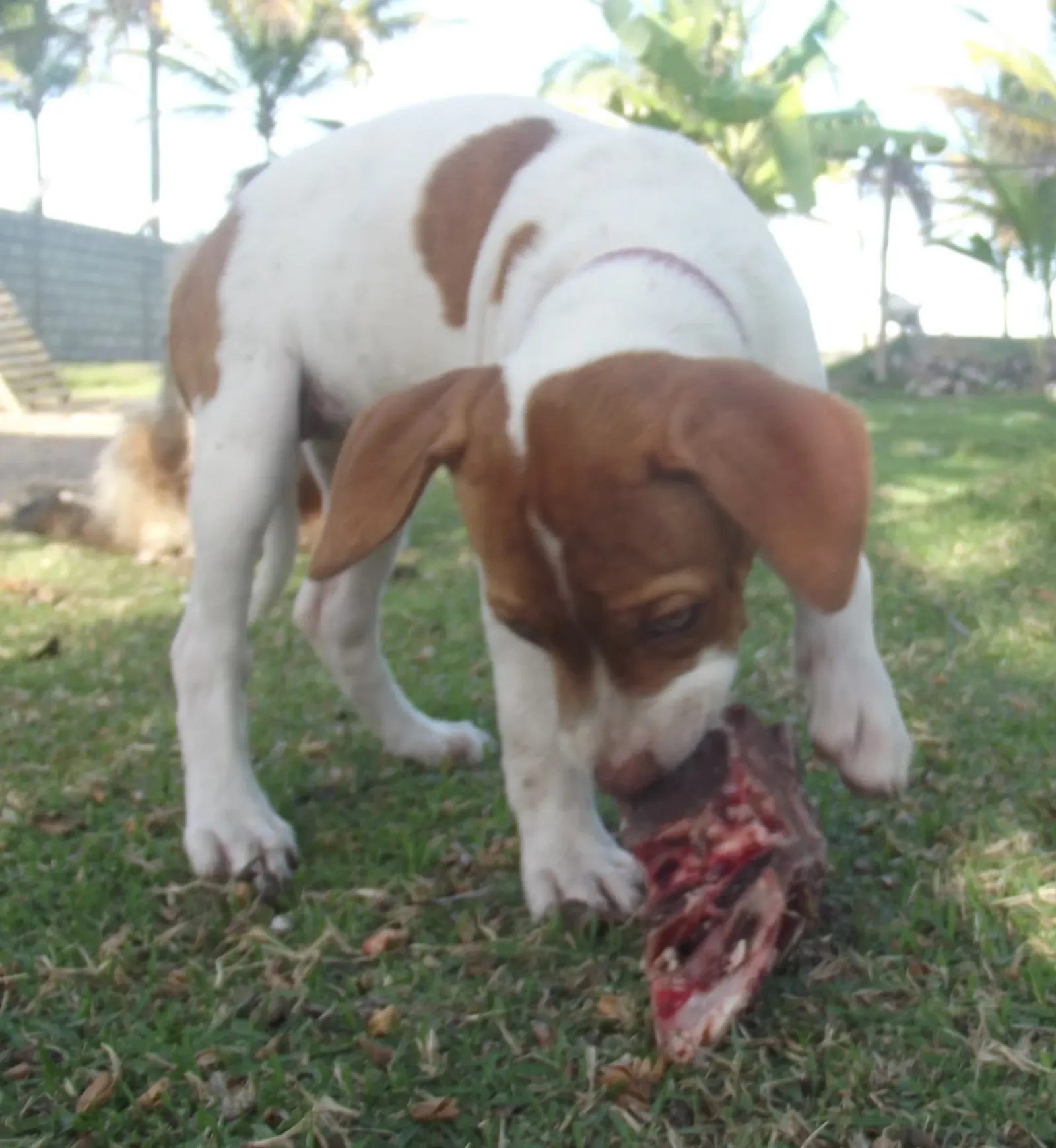
Larger bones stripped of meat are more likely to cause problems.
DrMark1961
What if My Dog Is Still Constipated After Trying Pumpkin?
If the pumpkin/vegetable mixture does not work, you can:
- Give the dog some mineral oil. You can give 1/2 to 2 teaspoons mixed in the vegetable mixture or with some hamburger (minced meat). Dr. Carlson, in The Dog Owners Home Veterinary Handbook, recommends 5ml per 20 pounds of body weight, twice daily for no more than 2-3 days. It should be mixed with some food to prevent aspiration, and should never be given for more than a week; if it does not work you need to try other alternatives. If you continue to give this, the dog eventually will not be able to pass a stool without mineral oil.
- Give some alternative treatments, like ½ to 1 teaspoon of bran in the vegetable mixture if the dog is still straining. Talk to a holistic vet about some of the herbal therapies available for constipation in the area in which you live.
- Provide even more exercise. With some breeds, a walk is not enough; my Siberian Huskies only defecated after a long run—no, they did not stop!
- Take your dog to your vet for an enema. This is obviously the last resort, but it can even be done at home if you do not mind the potential mess. Try using a Fleet veterinary enema (about one ounce per 10 pounds of your dog´s body weight) or, if you live somewhere where they are not available, you can also use soapy water.
If none of this is working, and your dog is eating a proper diet and getting plenty of exercise, you should look into other causes of constipation. An older dog may be suffering from hip dysplasia and may find it painful to squat; another may be suffering from a swollen prostate, a rectal tumor, or an intestinal foreign body blockage.
If this problem continues despite your treatment, or your dog has other clinical symptoms associated with his constipation (like a fever, blood in or on the stool, or vomiting) get him into his veterinarian right away.
Featured Gallery
_Constipation treatment provides your dog with great relief!
DrMark1961_
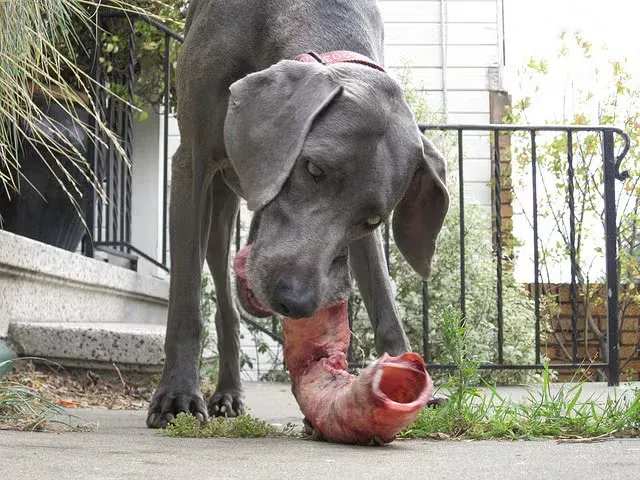
_Your dog may enjoy cartilage but needs to eat bones to consume enough calcium.
cc-by ickr.com superfantastic 4024614653_
More About Dogs
- How to Find Inexpensive Ingredients to Make a Cheap, Homemade, Raw Dog Food Diet You do not need to spend a lot of money on raw dog food—you can feed a good diet for the same price as the cheapest dog food on the market. Find out what you need.
This article is accurate and true to the best of the author’s knowledge. It is not meant to substitute for diagnosis, prognosis, treatment, prescription, or formal and individualized advice from a veterinary medical professional. Animals exhibiting signs and symptoms of distress should be seen by a veterinarian immediately.
© 2014 Mark dos Anjos, DVM