Managing Canine Constipation in Bulldogs: Home Remedies and Nine Preventive Steps
Jordan Gray
What Makes Bulldogs Prone to Constipation?
English Bulldogs, along with Boston Terriers and German Shepherds, are among the breeds most frequently affected by constipation. French Bulldogs, whose popularity has grown, also commonly experience this issue.
Several genetic factors contribute to the higher likelihood in English Bulldogs:
- Pelvic abnormalities: An abnormally shaped pelvis is why bulldogs are almost always delivered by cesarean section. The narrow pelvic canal prevents large or hard stools from passing.
- Trouble squatting: This is another consequence of bulldog conformation. While not every dog is affected, if squatting causes pain, your bulldog will do it less often.
- Obesity: Any breed can become obese, but the problem tends to be more severe in bulldogs. Excess fat deposits around the pelvis further narrow an already abnormal passage.
- Nerve or spinal disease: This remains unproven but is possible. Bulldogs may have impaired nerve supply to the lower bowel, and both English and French Bulldogs can develop the spinal condition IVDD. IVDD typically leads to loose stools or incontinence, though constipation can occur.
Other factors can cause constipation in any dog:
- Ingesting trash or non-food items: Paper, food containers, cooked bones, toys, kitty litter, hair, and nearly anything else can be swallowed. None pass normally, and if defecation becomes painful, your bulldog may become constipated.
- Diet: Table scraps are fine for an active dog, but for a sedentary bulldog, the low fiber in processed bread and noodles can worsen the problem.
- Age: Older dogs are more prone to constipation, possibly due to reduced activity or a less active bowel.
- Activity level: Exercise stimulates bowel function. Bulldogs kept in crates or lying around all day while owners work are more likely to develop issues. This low-energy breed needs walks to stay slim and stimulate the bowels at least a few times daily.
- Dehydration: Dogs usually drink adequately without encouragement, but if a medical problem exists, dehydration will increase the risk of constipation.
- Swollen anal glands: When defecation is painful, the dog will try to go as little as possible.
- Stress: Household changes or travel can make a dog less willing to defecate, leading to constipation.
- Internal organ diseases: Kidney disease is the most common organ-related cause, but hypothyroidism can also be a factor.
- Parasites: Although not a typical cause, roundworms and hookworms can inflame the bowel and reduce its function.
- Medication and surgery: Drugs (opiates, antihistamines, some cancer drugs), cancer of the pelvic canal or GI tract, an enlarged prostate, and certain surgeries can also lead to constipation.
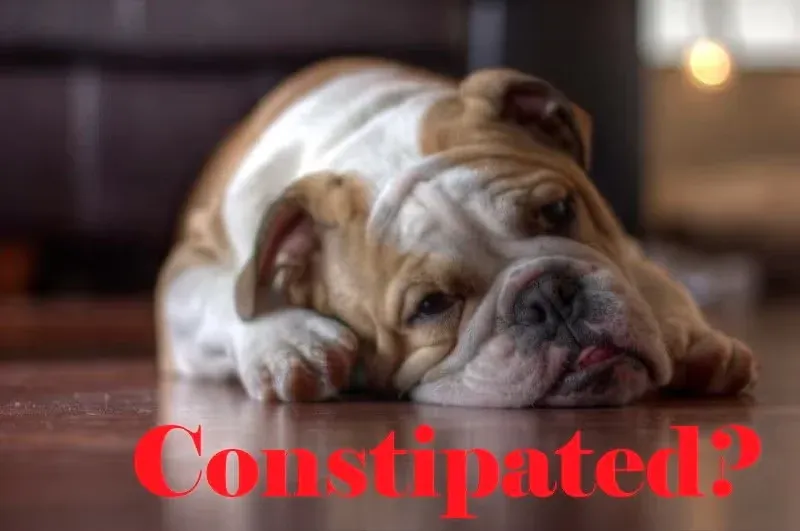
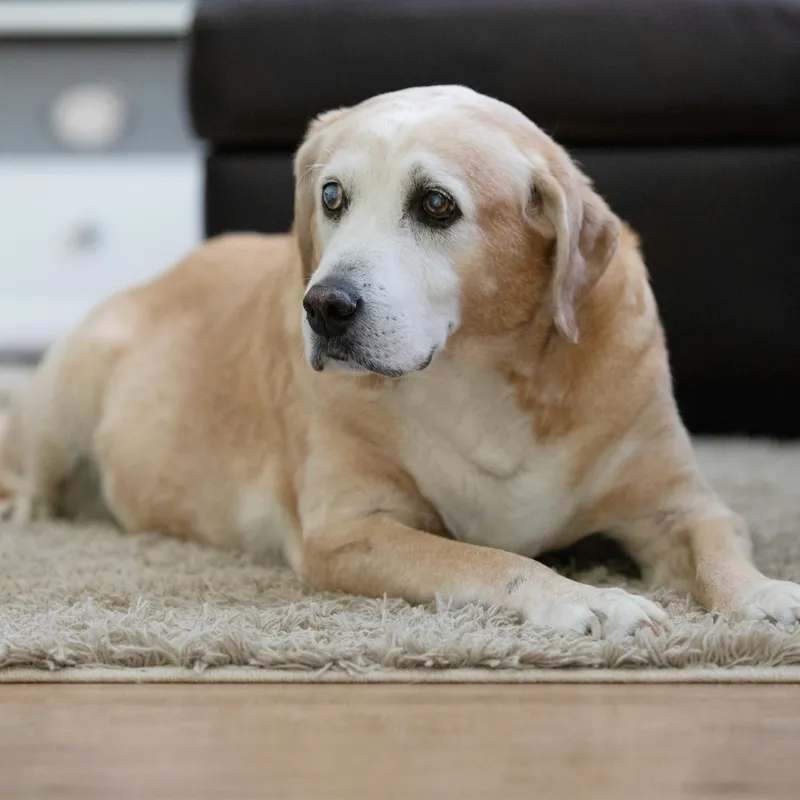
Bulldogs are the breed most likely to become constipated and sometimes can be helped without a visit to the vet.
flickr.com koczkodan8655135265
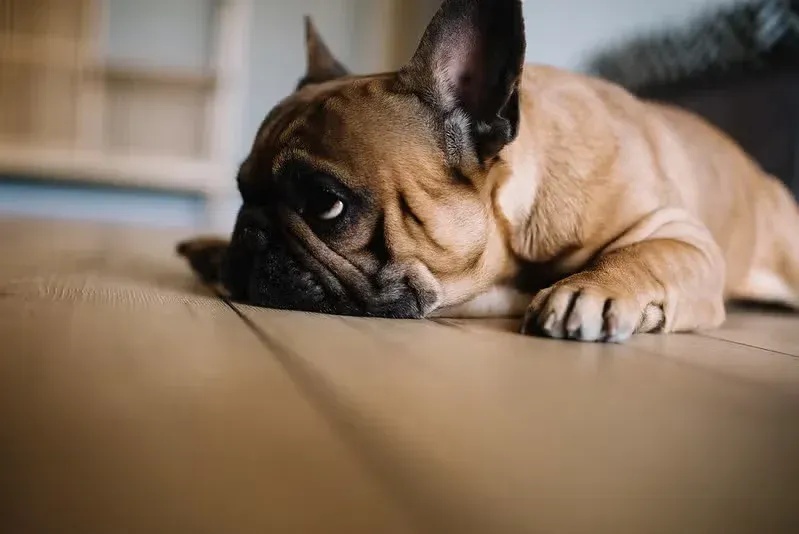
French Bulldogs may suffer as often as English Bulldogs.
flickr.com nenadstojkovic5117669145
Frenchies and English Bulldogs with IVDD are more likely to become incontinent than constipated, but this problem should be considered if your dog has any neurological abnormalities.
Simple Treatment Approaches
Even if your bulldog is obese or has anatomical issues causing constipation, the first step is to address the problem. If you can take your dog to the vet, do so—they can palpate the abdomen and perform x-rays or an ultrasound to determine the best treatment. If you cannot, here are some medications and other remedies to try:
Check the Anal Glands
Examine your dog. If you are unsure where the anal sacs are, find a diagram on a site like VIN or YouTube and check for swelling. The anal glands may need to be expressed because if they are inflamed, defecation is painful for your bulldog. Most people have a vet do this, but many groomers also offer the service if a vet is unavailable.
Give Coconut Oil
Rather than using mineral oil alone, coconut oil is preferable due to its likely anti-inflammatory effects in the colon. The oil lubricates the intestine and stool, aiding passage, and also addresses bowel inflammation, which can be serious if your dog has eaten bones or kitty litter that irritate the colon.
Coconut oil may also help with某些 bowel infections contributing to constipation and can be given at 1 to 3 tablespoons in food, depending on the dog's weight. Unlike mineral oil, which, if given too often, must always be given, this oil can be stopped at any time. The usual side effect is loose stools, which is not a concern for a constipated dog.
Feed Pumpkin
This may help mildly constipated bulldogs because the fiber tends to draw water and can make the stool a bit softer. For a small dog, give one tablespoon mixed with food; a medium dog, 5 tablespoons; and a large dog, about 8 tablespoons. If the dog has not defecated by that evening or the next morning, try other steps. If you do not have fresh pumpkin, purchase canned pumpkin, not pumpkin pie filling, which contains spices and other possibly toxic ingredients. Dried pumpkin can also be sprinkled on food.
Treat for Parasites
Although it is best to take a stool sample to your vet for a worm check, this is not always possible. Many over-the-counter dewormers are now available for dogs. Check the label to ensure it treats roundworms, hookworms, and whipworms.
Use a Stool Softener
Some dogs do fine with just a stool softener like pumpkin, but others need a product like lactulose. This synthetic sugar draws water into the colon to soften the stool and is given several times per day. Various formulas and strengths exist, but a large dog like an English Bulldog needs about 5 milliliters, so a small bottle lasts only about three treatments. Another stool softener available from pharmacies is propylene glycol 3350, sold as Miralax in the US. An English Bulldog would get about half a teaspoon in food twice daily. You can try it, but some vets believe it is more effective at preventing hard stools than softening existing ones.
Add a Laxative
Long-term laxative use is best avoided, but if you need one now, several good options exist. The best, in my opinion, is simply milk. It may not always work, but it is easy to give, and if you limit it to a small bowl, it will not cause diarrhea. Ginger is another way to stimulate bowel movement; the most common recipe is one-quarter teaspoon mixed with half a cup of chicken broth. It tastes good, making it easy to give. A very effective commercial laxative that is even easier to give is just Vaseline and cod liver oil. Most dogs enjoy the taste, so it can be given as often as needed.
Administer an Enema
This can help some dogs still struggling despite other attempts; the main challenge is dogs with attitude. If your bulldog is easy to handle, you can purchase a Pet-ema or give plain saline and lactulose, but never use a Fleet enema or any other human brand. It will kill a Frenchie, and an English Bulldog will become very sick and may die.
If nothing works and your dog remains in this uncomfortable state, he absolutely needs further medical care.
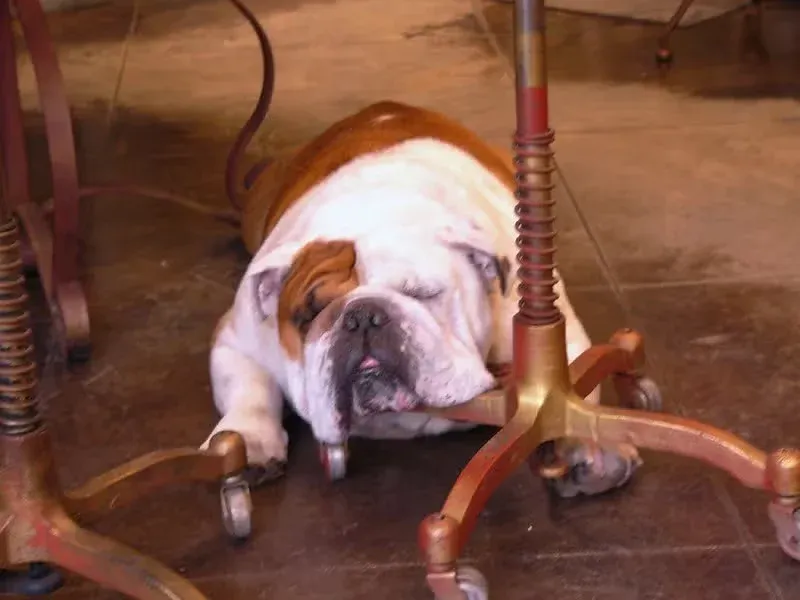
There are usually several causes of constipation, including obesity and lack of activity.
flickr.com mrtgt10770732
Preventing Constipation
If this is your bulldog's first bout of constipation, try the following nine suggestions.
1. Provide More Water
Most dogs drink enough to avoid constipation, but have you ever wondered why your dog is drawn to bathroom water? It is cool and moving, which you can mimic with a ceramic water fountain. Even for dogs with skin allergies, a ceramic fountain will not irritate the skin, and almost all dogs are attracted to moving water. Dogs that drink more are less likely to become constipated.
2. Increase Exercise and Opportunities to Defecate
This means walking your dog at least twice a day for at least half an hour to stimulate the bowels. No time in the mornings? Get up a little earlier. If long work hours prevent this, hire a dog walking service. It may seem expensive, but compared to treatment costs and your dog's suffering, it is much less costly.
3. Do Not Give Bread, Noodles, or Chips
Many table scraps people give their dogs can cause problems, so one tip I give bulldog families is to buy a pack of non-flavored natural yogurt when grocery shopping. If you sit on the couch eating chips, your bulldog will probably beg. Give a spoonful of yogurt instead of a chip. The bacteria are good for the bowel, and the milk product acts as a natural laxative.
4. Control Your Bulldog's Weight
Obesity contributes to constipation in all dogs, and I think it is more severe in bulldogs because of their narrow pelvis relative to their size. More fiber in the diet makes your dog feel full, and walking at least twice daily helps, as does not giving table scraps when he or she begs. Read this article on 7 exercise tips for more ideas.
5. Keep Your Dog Out of the Trash and Away From Food Wrappers
This should be obvious, but too many bulldog households are lax about leaving takeout containers and other wrappers within the dog's reach. Trash cans need dog-proof lids, and if you are discarding bones, be extra careful.
6. Change Their Diet
Fiber makes your dog's stool larger and softer; thus, even for a bulldog with a narrow pelvic canal, it will be easier to pass. Opinions vary on the correct amount of fiber to add to regular dog food, as it contains about 2 to 4 percent, and foods labeled 'high fiber' must contain more than 5%. Some vets use pumpkin, while others feel that only by changing the diet can fiber intake be increased enough to make a difference. Fiber sources like oatmeal and finely ground bran might help, but many do not act as stool softeners; they just increase stool bulk.
7. Give Treats That Do Not Bind up Your Dog
Instead of giving a dry commercial treat when your dog performs a trick or comes when called, use a natural moist treat like whole figs. You can also give pumpkin chunks this way since most dogs like the taste. Be sure to account for the calories in treats so your dog does not become obese.
8. Use Pumpkin
This older remedy is a great way to provide extra fiber to a dog not getting enough in his or her diet. It is not a treatment so much as a preventive measure, so if your dog has been constipated in the past but is doing okay now, you can give one to three chunks or tablespoons per day.
9. Give Daily Supplements
Most supplements aim to increase your dog's fiber intake when he is on normal food (products similar to psyllium, sold in the US as Metamucil).
If your dog has this problem all the time, it is best to have him evaluated by your vet, but if you cannot, he can be put on polyethylene glycol 3350 (Miralax) or even docusate sodium (Colace), a less effective stool softener with more side effects.
Many natural supplements are also available now since companies can sell them without FDA approval. They may or may not help, so the best approach is to use the suggestions listed above.
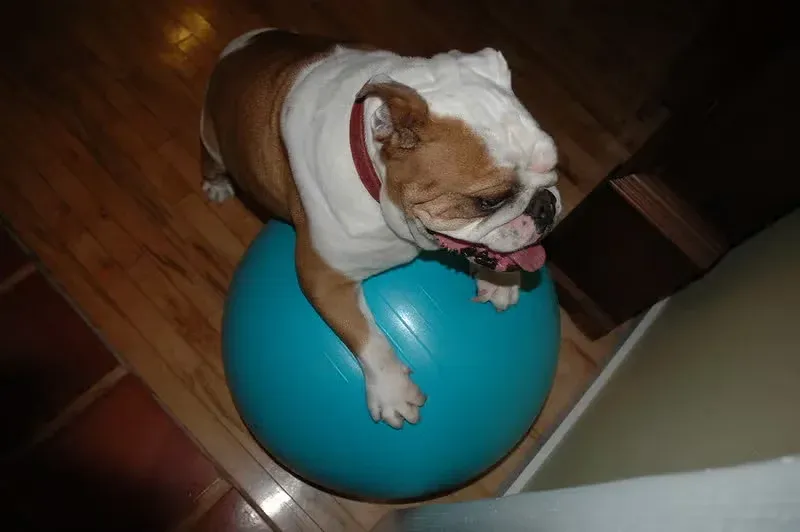
Exercise and weight loss are the best things you can do to assure that your Bulldog does not become constipated again.
flickr.com boilermakerjim3118766711
Long-Term Prognosis if the Problem Continues
Drugs called prokinetics can make your bulldog's bowel work more effectively. The most likely to help is cisapride, but it is no longer available for humans and must be compounded by a pharmacy with a prescription from your vet. If you are not in the US, you might still get it over the counter or find tegaserod, another prokinetic.
If a high-fiber diet change is not effective, you may want to put your dog on a low-residue diet. This type of food contains little fiber, is available from most veterinarians, and is similar to a raw diet that is mostly meat and egg protein. Low-residue diets are one of the last things to try if your dog has chronic constipation.
When this problem is not addressed, your bulldog can develop a megacolon due to damaged nerves in the colon, an inflamed colon wall, and permanent loss of elasticity from being distended too long. If that happens and stool cannot be voided and just builds up again, surgery is the only option. It is not a good choice because it can be risky, and the dog will need special care for the rest of their life.
This is a very general dog training video, but if your bulldog needs more encouragement to go when out for walks, be sure to take a moment and institute these tips.
References
Dimski DS. Constipation: pathophysiology, diagnostic approach, and treatment. Semin Vet Med Surg Small Anim. 1989 Aug;4(3):247-54. i.nlm.nih.gov/2697927/
Nicolas Granger, Natasha J. Olby, Yvette S. Nout-Lomas, Bladder and Bowel Management in Dogs With Spinal Cord Injury, Front. Vet. Sci., 11 November 2020. iersin.org/articles/10.3389/fvets.2020.583342/full
Hall JA, Washabau RJ. Diagnosis and treatment of gastric motility disorders. Vet Clin North Am Small Anim Pract. 1999;29(2):377.
Yeap SK, Beh BK, Ali NM, Yusof HM, Ho WY, Koh SP, Alitheen NB, Long K. Antistress and antioxidant effects of virgin coconut oil, Exp Ther Med. 2015 Jan;9(1):39-42. i.nlm.nih.gov/25452773/
Oh HG, Lee HY, Seo MY, Kang YR, Kim JH, Park JW, Kim OJ, Back HI, Kim SY, Oh MR, Park SH, Kim MG, Jeon JY, Hwang MH, Shin SJ, Chae SW. Effects of Ficus carica paste on constipation induced by a high-protein feed and movement restriction in beagles. Lab Anim Res. 2011 Dec;27(4):275-81. i.nlm.nih.gov/22232635/
This article is accurate and true to the best of the author's knowledge. It is not meant to substitute for diagnosis, prognosis, treatment, prescription, or formal and individualized advice from a veterinary medical professional. Animals exhibiting signs and symptoms of distress should be seen by a veterinarian immediately.