Apple Cider Vinegar for Dogs: An Overview of Its Uses and Safety
Sage Bennett

Introduction to Apple Cider Vinegar for Dogs
Vinegar has a long history in human health practices, predating modern medicine. Hippocrates, the father of medicine, recommended it, and Roman soldiers mixed it with water. However, its use for canine health issues is not widely known. Even Bruce Fogle, a natural dog practitioner, does not mention vinegar in his book Natural Dog Care, despite covering traditional Chinese medicine, acupuncture, aromatherapy, homeopathy, and Bach remedies.
Because drug companies cannot patent apple cider vinegar (ACV) and profit from it, research funding has been lacking, and veterinary colleges do not offer courses on its use for dogs. So, should you give it to your dog? Is ACV beneficial? The author believes so and provides reasons to try it.
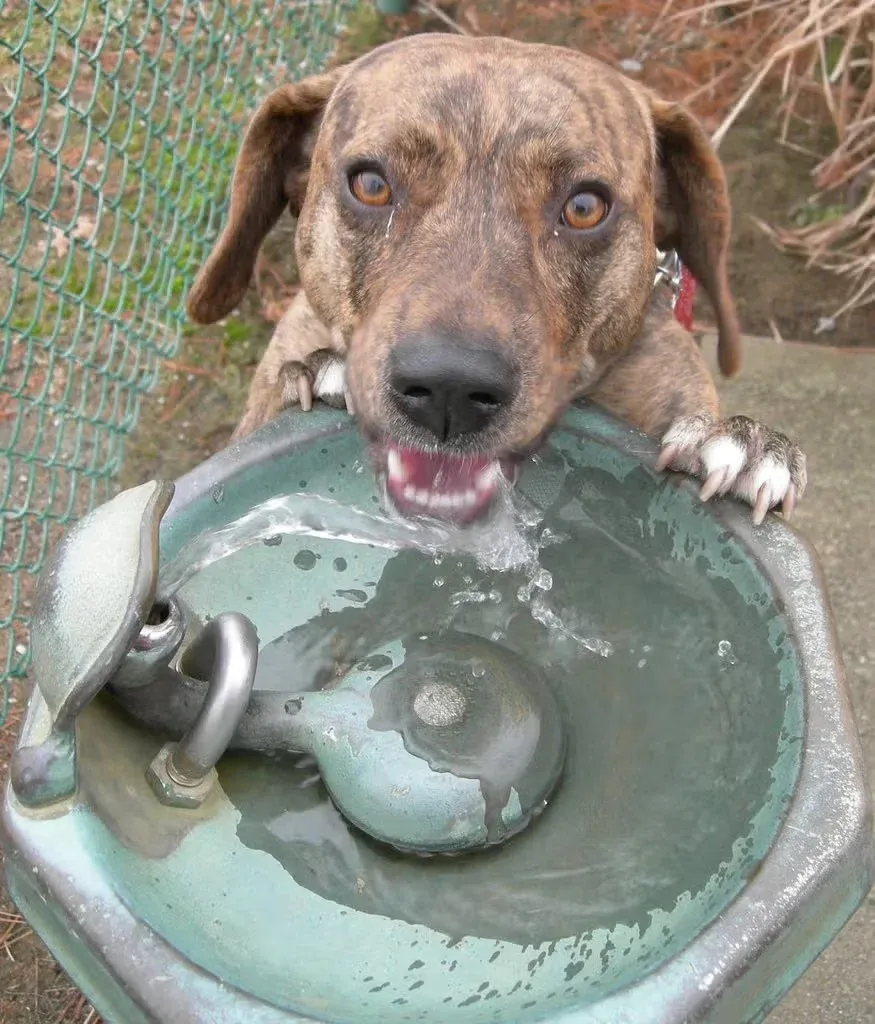
Let’s explore some of the potential benefits of apple cider vinegar for dogs.
Potential Benefits of Apple Cider Vinegar for Dogs
While scientific data is lacking, ACV users claim several benefits:
- It may strengthen the immune system, potentially helping fight off unnoticed infections.
- It may help prevent fleas when sprayed on the coat, similar to regular vinegar. Use a spray bottle after bathing, avoiding the eyes.
- It may control and eliminate intestinal parasites when added to drinking water.
- It can keep the coat in good condition, especially for dogs with dry, itchy coats, by spraying directly onto the coat.
- It may prevent bladder and kidney stones.
- It may relieve arthritis symptoms when a washrag soaked in ACV is applied to the affected joint.
- It is useful for cleaning ears; unlike regular vinegar, it need not be diluted, and unlike white vinegar, it may also help control ear mites.
Many other claims exist that the author could not verify.

Mutt puppies
DrMark1961
Precautions When Using ACV on Dogs
ACV is slightly less acidic than regular vinegar, with a pH between 4.25 and 5. The most popular type for dogs is made from organic apples aged in wooden barrels, containing a dark substance called the “mother” at the bottom, which holds some beneficial minerals.
However, organic does not automatically mean safe.
Wendy Volhard, author and dog trainer (author of “Holistic Guide for a Healthy Dog”), recommends daily use but suggests checking urine pH to avoid excessive acidity. If urine pH is 7.5 or higher, the diet is too alkaline, and ACV may help. If it drops below 6.2, reduce frequency, as very acidic urine can harm your dog.
Holistic practitioners believe fleas, ticks, skin bacteria, and skin parasites do not thrive on acidic skin. Other health benefits may stem from pH changes.

Would this mutt puppy benefit from ACV?
DrMark1961
How to Use ACV on Your Dog
Often, ACV is simply added to the water bowl—about a tablespoon. It can also be mixed into food, which may be better if your dog dislikes the taste in water.
Dosage: How much ACV can I feed my dog?
A tablespoon per day is generally sufficient, but introduce it slowly and monitor your pet. Note: For small dogs, use only a teaspoon. Some anecdotal reports mention vomiting after adding ACV, so start with a small amount and ensure your dog adapts without issues.
Feeding vs. Topical Application
For fleas or itchy skin, apply ACV directly to the coat. For arthritis, apply it over the painful joints.

OMG! Flea control!
Final Thoughts
If even one benefit holds true, ACV is worth the cost. If you try it, buy unpasteurized vinegar with visible sediment at the bottom, labeled “mother of vinegar.”
Other vinegars from stores can clean ears and control fleas but do not improve health like ACV.
With many potential benefits and few reasons not to try, start with a small bottle. If pleased, consider reading about benefits for humans and buying a larger quantity.
If you use it and find it beneficial (or a waste), please leave a comment.

Much better!
DrMark1961
This article is accurate and true to the best of the author’s knowledge. It is not meant to substitute for diagnosis, prognosis, treatment, prescription, or formal and individualized advice from a veterinary medical professional. Animals exhibiting signs and symptoms of distress should be seen by a veterinarian immediately.
Questions & Answers
Question: Can I give my dog capsules of apple cider vinegar?
Answer: Add a teaspoon of ACV to your dog’s water each day. It will be dilute and even if you have forced it on your dog in the past he will not likely taste it.
The capsules are not the same product.
Question: How much apple cider vinegar should I give my 70 lb dog?
Answer: The best way to supplement with ACV is to put it in the drinking water. For a large dog, you should add about a tablespoon each day. If you notice that your dog does not like the taste, and is not drinking, you need to add it to the food so that they continue to drink.
If you are adding it to the food, give one tablespoon per day.
Question: Can ACV be given by syringe into the mouth? If so what is the dosage?
Answer: You could, but I do not think it would be a good idea. ACV is acidic, and your dog might let you shove it down her throat for awhile but I think she would eventually object. Maybe she would even bite.
If giving it in the water, the recommended dose is about one teaspoonfull to the water. If you are going to give it by a syringe, this would equal 5cc. Please do not give your dog that much directly into her mouth. 1cc would be the most I would recommend, and even then your dog might not like it.
Question: Can I apply apple cider vinegar on my dog’s belly if she has ringworm?
Answer: You can use it for ringworm just like you do when treating a yeast infection. Give her a bath first to remove most of the fungus then apply a spray of ACV to kill what is left.
It is also a good idea to treat the area with coconut oil. Here are further directions on natural treatment for yeast:
s.com/dogs/dog-yeast-infection-symp…
© 2012 Mark dos Anjos, DVM