Holiday Hazards: Protecting Your Dog During Christmas
Emerson Wood
Celebrating Without Compromise
Christmas brings joy, gatherings, and excitement. Homes transform with trees and gifts, and routines shift. For dogs, this period can be stressful due to changes and disruptions. Additionally, hazards like toxic leftovers and dangerous decorations enter the home. With care, you can prevent a holiday emergency vet visit.
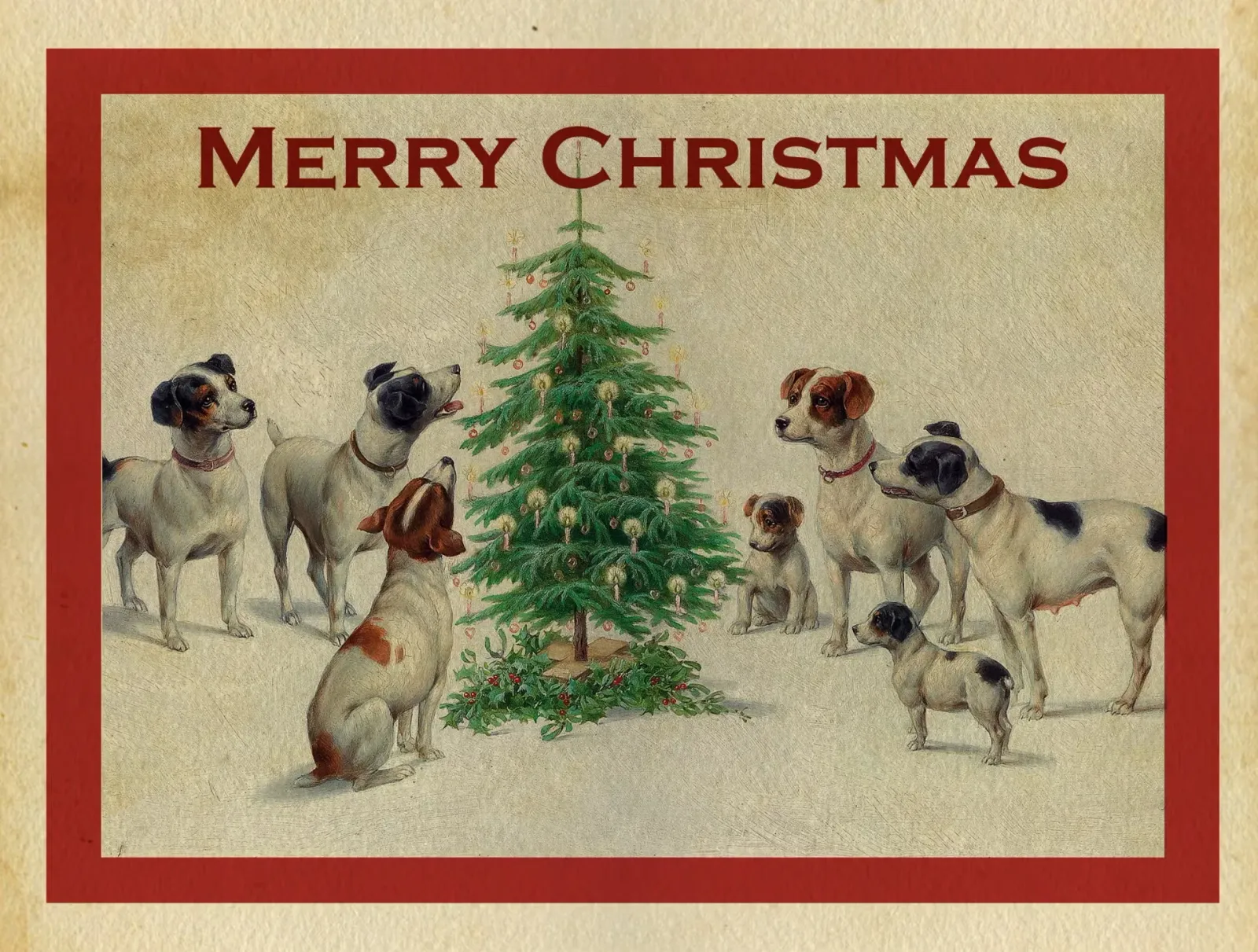
Christmas trees can be a source of great curiosity to dogs.
Public Domain
Five Risks Posed by the Christmas Tree
Whether real or fake, the Christmas tree becomes a centerpiece. For dogs, its sudden appearance can spark curiosity or anxiety, depending on their temperament and the tree's location.
- Dogs uneasy with change may be upset by the tree, though most adjust over time. If your dog is easily spooked, keep them away during setup (the movement can seem threatening) and let them get used to it once it's up.
- Other dogs see the tree as a giant toy, and their curiosity can lead to trouble. Pine needles have low toxicity but contain oils that can irritate the mouth and cause stomach upset if chewed. Some dogs drink the water from the stand (if real) and may swallow needles, leading to vomiting.
- Dogs that tug on branches might topple the tree. They could be injured if it falls on them, or suffer puncture wounds from metal branches of artificial trees. If possible, block access to the tree room, or use a puppy pen around the base when you're not there.
- Packaging is another concern. Real trees often come in nets, artificial ones in plastic bags. These pose choking and suffocation risks if dogs get tangled. Dispose of netting in a dog-proof bin and store plastic bags in cupboards or boxes.
- Chocolate ornaments or homemade treats on the tree can tempt dogs, leading to illness. Chocolate is toxic, and some sweeteners like Xylitol are fatal.

Glass or delicate baubles can be a hazard to dogs.
Public Domain
Five Decorations That Can Harm Dogs
Decorating is a holiday staple, but many bright items can endanger pets.
- Glass ornaments are a clear risk. They can cut paws if smashed, and if chewed, cut the mouth, throat, and stomach. Glass baubles are especially dangerous for ball-loving dogs that grab things; they may bite one and get a mouthful of shards.
- Plastic ornaments can also shatter, and though less sharp than glass, they can still cause injury. Small plastic figures can be swallowed, causing choking or intestinal blockage.
- Vintage decorations, particularly those made in China, often have lead-based paint. Flaking paint or chewing can lead to lead poisoning, causing digestive issues, abdominal pain, seizures, blindness, or difficulty walking.
- Tinsel is a choking hazard if chewed or wrapped around the neck. It can also be swallowed and block intestines.
- Illuminated decorations mean more wires around the home. Puppies or chew-prone dogs might bite a wire and electrocute themselves.
To keep pets safe, ensure they cannot reach decorations and that ornaments are secure so they don't fall.
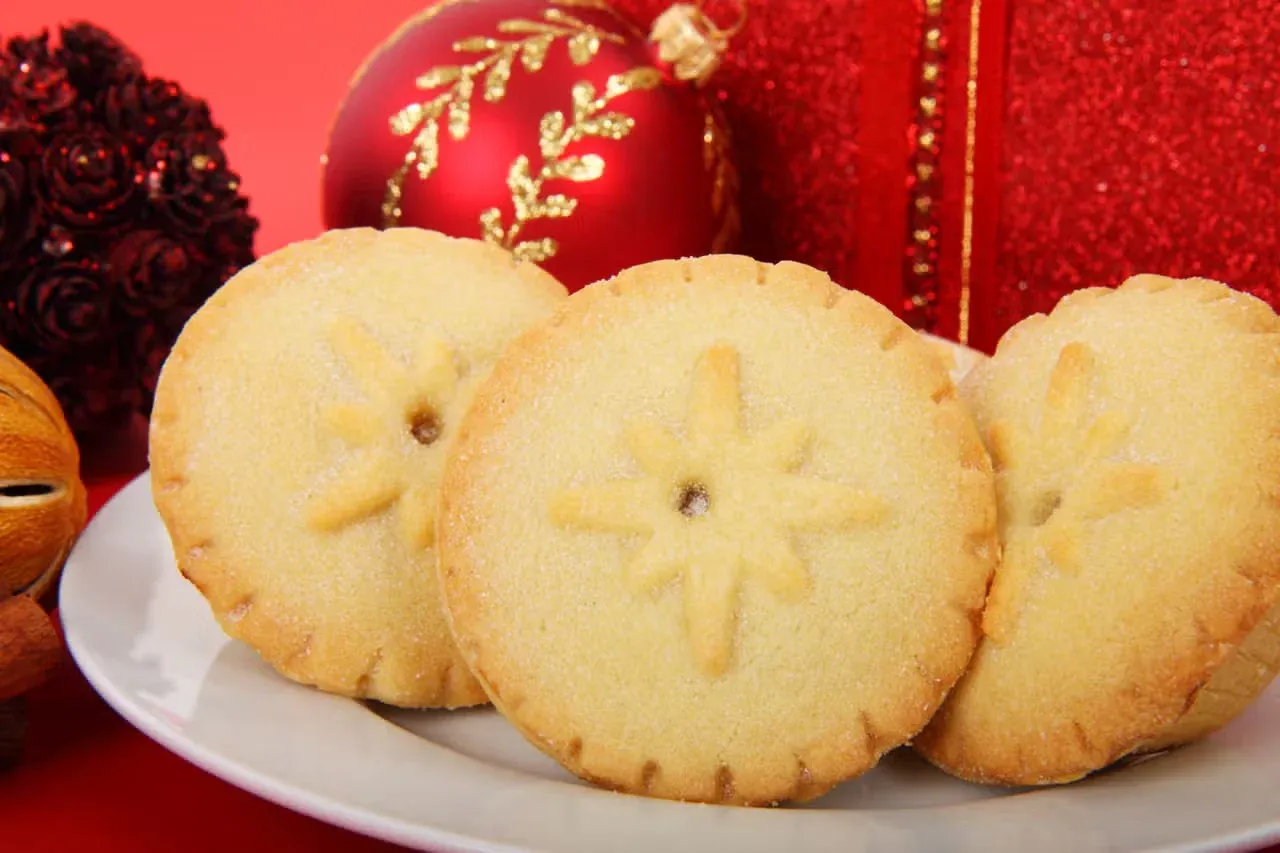
Festive food can be toxic to dogs.
Public Domain
Three Christmas Foods That Are Deadly to Dogs
Christmas is a food-filled time, but some festive treats are dangerous for dogs.
- Traditional Christmas cake contains dried fruit and alcohol, including raisins, sultanas, and currants (dried grapes). Grapes, sultanas, and raisins are toxic to dogs and can cause kidney failure. Currants are often a small grape variety, also poisonous.
- Christmas pudding has similar ingredients and risks.
- Mince pies are made from mincemeat, a mix of dried fruits and suet, again with sultanas, raisins, and currants. Even meat-based versions may contain raisins or currants.
The exact reason for toxicity is unknown, but these dried fruits can cause a medical emergency. Some dogs are more susceptible, but even one grape can trigger a reaction. If ingested, seek veterinary advice immediately. Untreated poisoning can lead to kidney and liver failure.
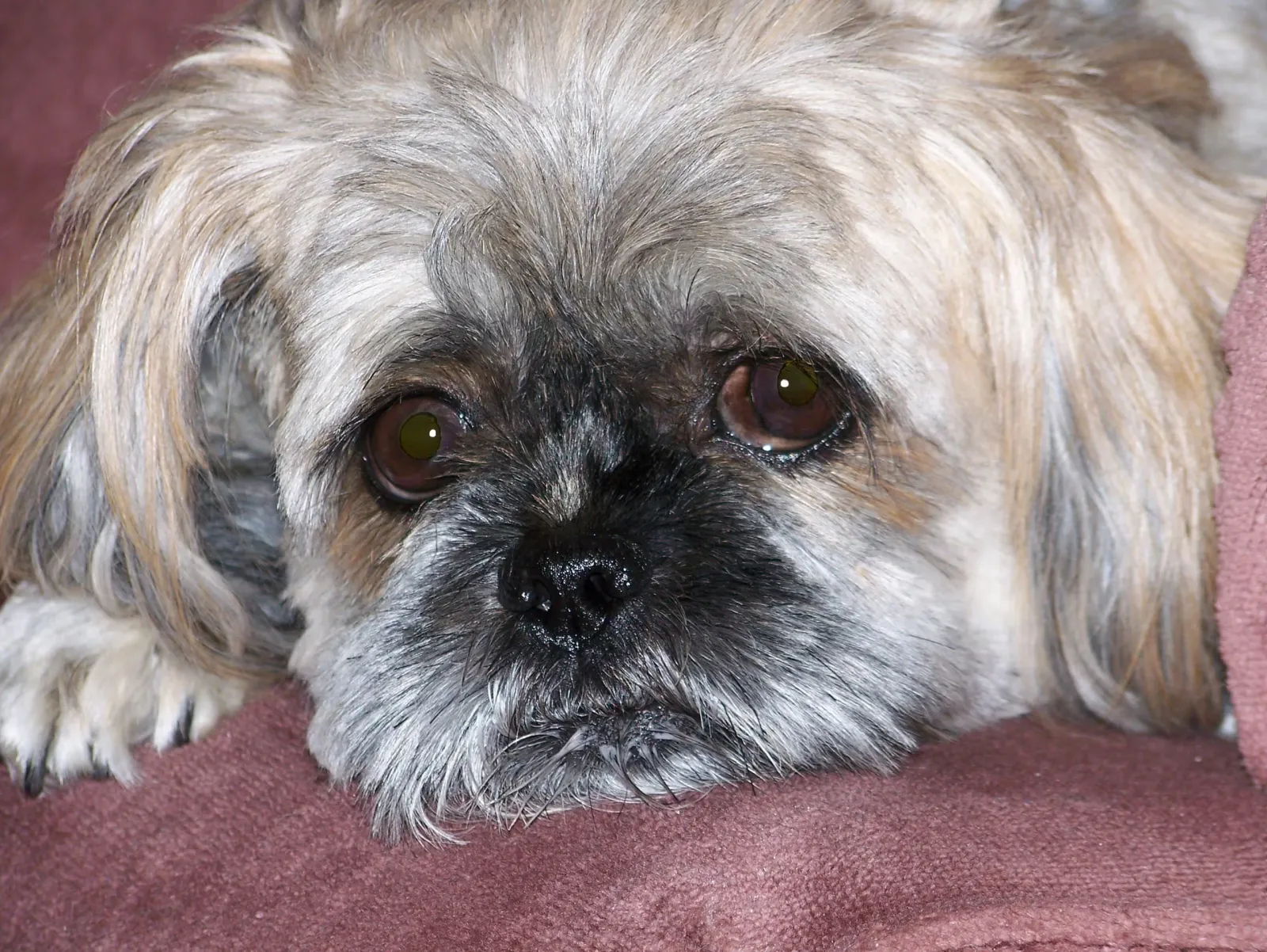
Dogs can feel anxious at Christmas when there are lots of visitors
Public Domain
Three Reasons Christmas Stresses Dogs
During Christmas, unexpected guests and constant visitors can unsettle dogs.
- Dogs nervous around strangers or unused to many visitors find Christmas stressful. Vets warn holidays are prime time for dog bites due to stress, routine disruption, and new people and objects.
- Dogs taken to others' homes may feel extra anxiety, especially with a resident dog. In unfamiliar territory with an unknown dog, a stressed canine may fight, growl, or snap.
- Children visiting can cause issues, especially if the dog isn't used to them. Even tolerant dogs can be pushed to snap or bite if a child falls on them or pulls ears or tail. Sadly, the dog is often blamed and euthanized.
If your dog finds visitors stressful, try calming supplements days before. All dogs benefit from a safe place where they're left in peace, like a basket in a quiet room or a crate. Don't force them in, as that increases anxiety.
Baby gates can limit access, but for some dogs, being separated from the owner increases stress. Better to offer safe spots near the owner (e.g., in the kitchen, by the dinner table, by the sofa). Encourage use long before by tossing treats in. Many nervous dogs find crates reassuring.
If the dog shows anxiety when guests arrive, have guests toss treats on the floor instead of handing them. Reward calm behavior. Be a barrier between dog and people, and ask guests to ignore the dog unless it seeks attention.
Preparing an anxious dog can take weeks or months, but many leave it to the last minute, resulting in an unhappy dog that disrupts Christmas. Don't punish or yell, as that increases anxiety. Instead, help them calm down and feel safe. It may be better to go out to eat rather than host, reducing stress.

Christmas candles can be full of chemicals toxic to people and dogs
Public Domain
Five Hazardous Christmas Scents
Seasonal smells are enjoyable, but some sources can harm dogs.
Air Fresheners
Plug-in or spray air fresheners often contain Volatile Organic Compounds (VOCs) that disperse fragrance. These can cause allergic reactions in people and pets. In dogs, exposure can damage the central nervous system, kidneys, and liver, irritate eyes, nose, and throat, and cause loss of coordination.
Diffusers
Essential oil diffusers can also cause problems, as many oils are toxic to pets. Oils of cinnamon, citrus, peppermint, pine, and tea tree are considered poisonous to dogs. Contact, even inhalation, can lead to respiratory issues, central nervous system problems, and behavior changes.
Candles
Candles, scented or not, create a cosy atmosphere. While the naked flame is an obvious danger, hidden risks exist. Scented candles may contain toxic ingredients, but even unscented ones can have additives, including carcinogens when burned.
Many candles are paraffin wax, which releases cancer-causing substances and can cause nausea and headaches. Burning in a small room for long periods produces soot that can be inhaled, causing respiratory problems. Dogs are more vulnerable as they need less to become ill.
Potpourri
Potpourri is a popular scenting method but hazardous due to essential oils. Dogs need not eat it; some oils are toxic if absorbed through skin. Large items like bark or pine cones can choke. Keep potpourri out of reach.
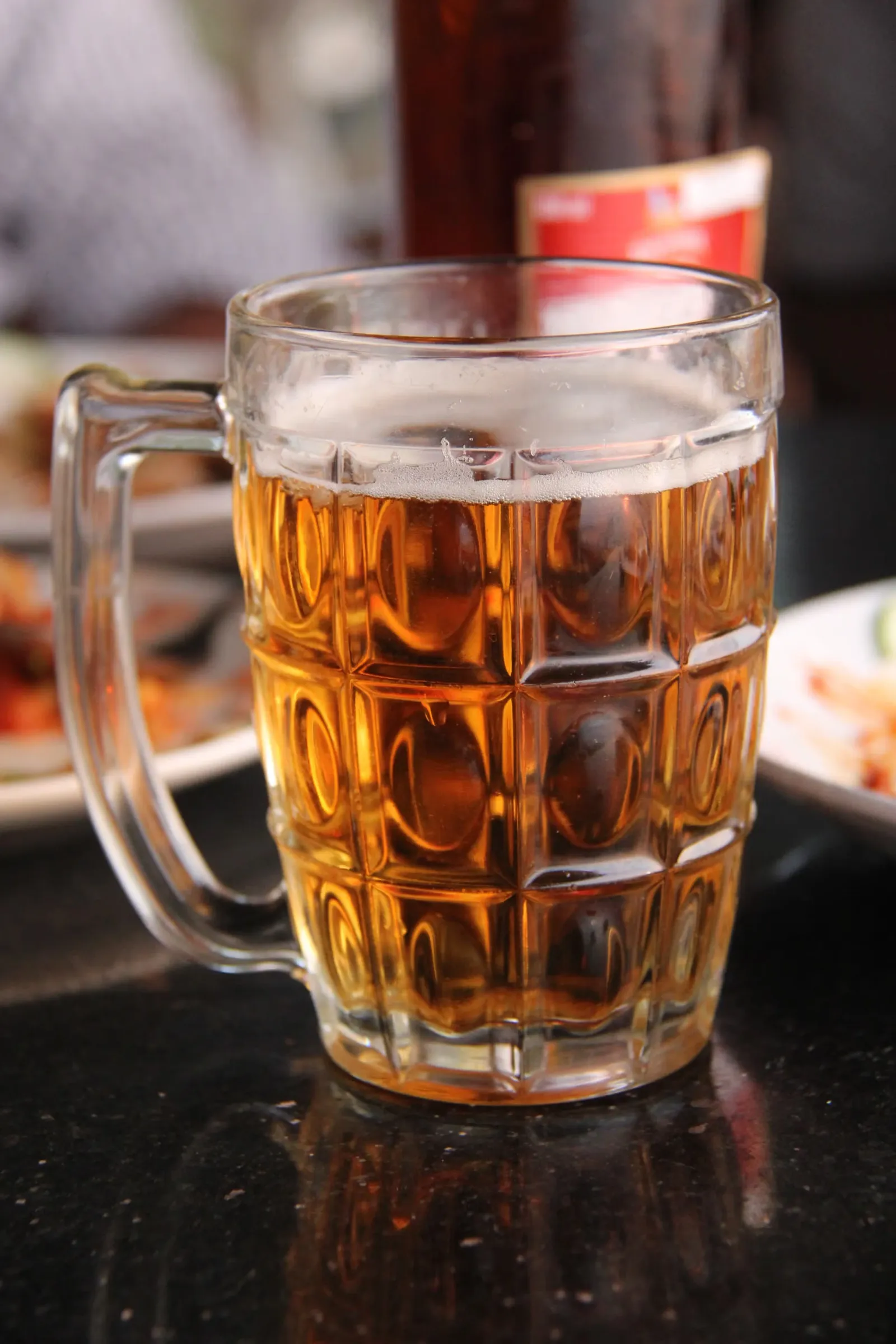
Alcohol poisoning in dogs can be fatal
Public Domain
Six: Alcohol Poisoning
During festivities, many enjoy a drink, but emergency vets often see dogs who have ingested alcohol, potentially fatally.
While most know dogs shouldn't have alcohol, accidents happen with visitors and parties. Dogs may drink from left glasses or lap up spills. Creamy liqueurs like Baileys Irish Cream are particularly dangerous, as they're sweet and milky, tempting dogs that would avoid plain alcohol.
Alcohol consumption risks poisoning: blood sugar and pressure drop, body temperature decreases, and in severe cases, seizures and respiratory failure occur.
Dogs can die from alcohol, depending on size and amount, but some suffer fatal results from a small sip. So at parties, keep your dog away from booze.
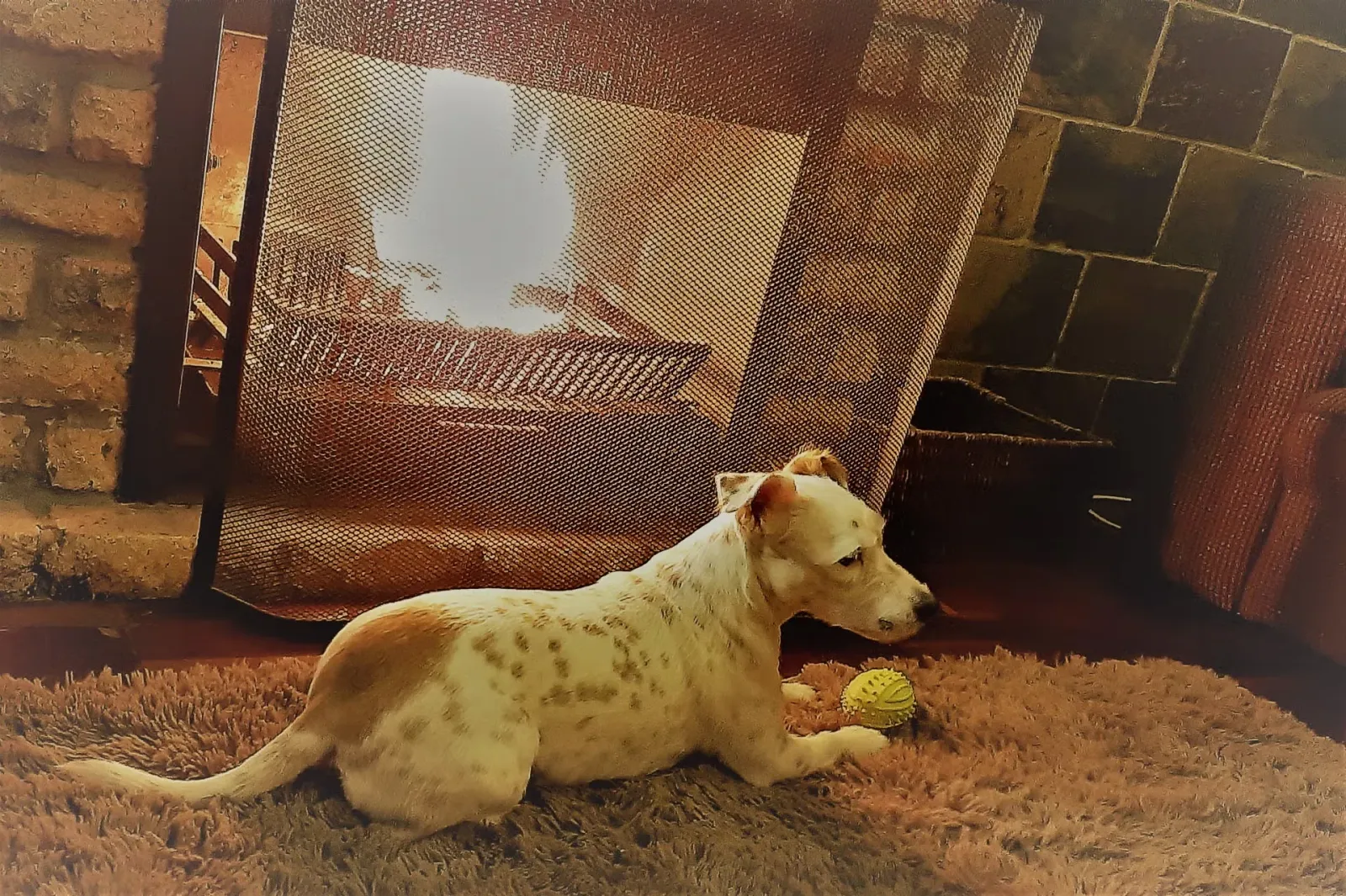
Dogs love the warmth of a fireplace, but to keep them safe use a fireguard
Public Domain
Seven: Fireplace Dangers
Relaxing by a fire is a Christmas pleasure, and dogs enjoy the warmth, often curling up by the hearth.
Burn risk. Obvious hazards include flames and sparks. Puppies or energetic dogs are most at risk, especially if the fireplace is rarely used. Accidental tumbles due to play or curiosity can cause burns.
Overheating. Older dogs may sleep too close, risking singed fur or harm from stray sparks. Always use a fireguard when the hearth is in use.
Carbon monoxide poisoning. A hidden risk from fireplaces and wood-burners. According to the NHS, around 25 people die yearly from carbon monoxide poisoning, and many more become ill.
Carbon monoxide is produced when fuel burns without enough oxygen, e.g., blocked chimney or closed room. It's also released from ash, so leaving ash can build up gas.
Odourless and tasteless, it's called the silent killer. Symptoms include nausea, vomiting, headaches, dizziness, fatigue, weakness, shortness of breath, and unconsciousness. Without treatment, it can be fatal.
Dogs are more at risk, so ventilate rooms with fires, keep chimneys clean, dispose of ashes, and install a carbon monoxide detector.

Gifts containing batteries or chocolate can present a danger to dogs
Public Domain
Eight: Dangers Under the Tree
Gifts under the tree or by the fireplace are magical but can cause problems for pets.
Chocolate. A popular gift, and vets see dogs sick from eating it each Christmas. Severe cases can cause heart attacks due to theobromine. Dark chocolate and cooking/drinking chocolate have the most theobromine; milk and white have least. Sugar-free sweets with Xylitol are deadly.
Batteries. Many toys need batteries, and dogs may chew them. The chemicals are corrosive, burning the mouth and harming stomach and intestines if swallowed. If eaten, do not induce vomiting; seek immediate vet care.
Metallic paper. After opening presents, wrapping paper and string litter the floor. Dogs enjoy ripping paper, usually harmless, but foil or metallic paper can cause blockage if swallowed. String, especially shiny plastic ribbon, can also block or suffocate if tangled around the neck.
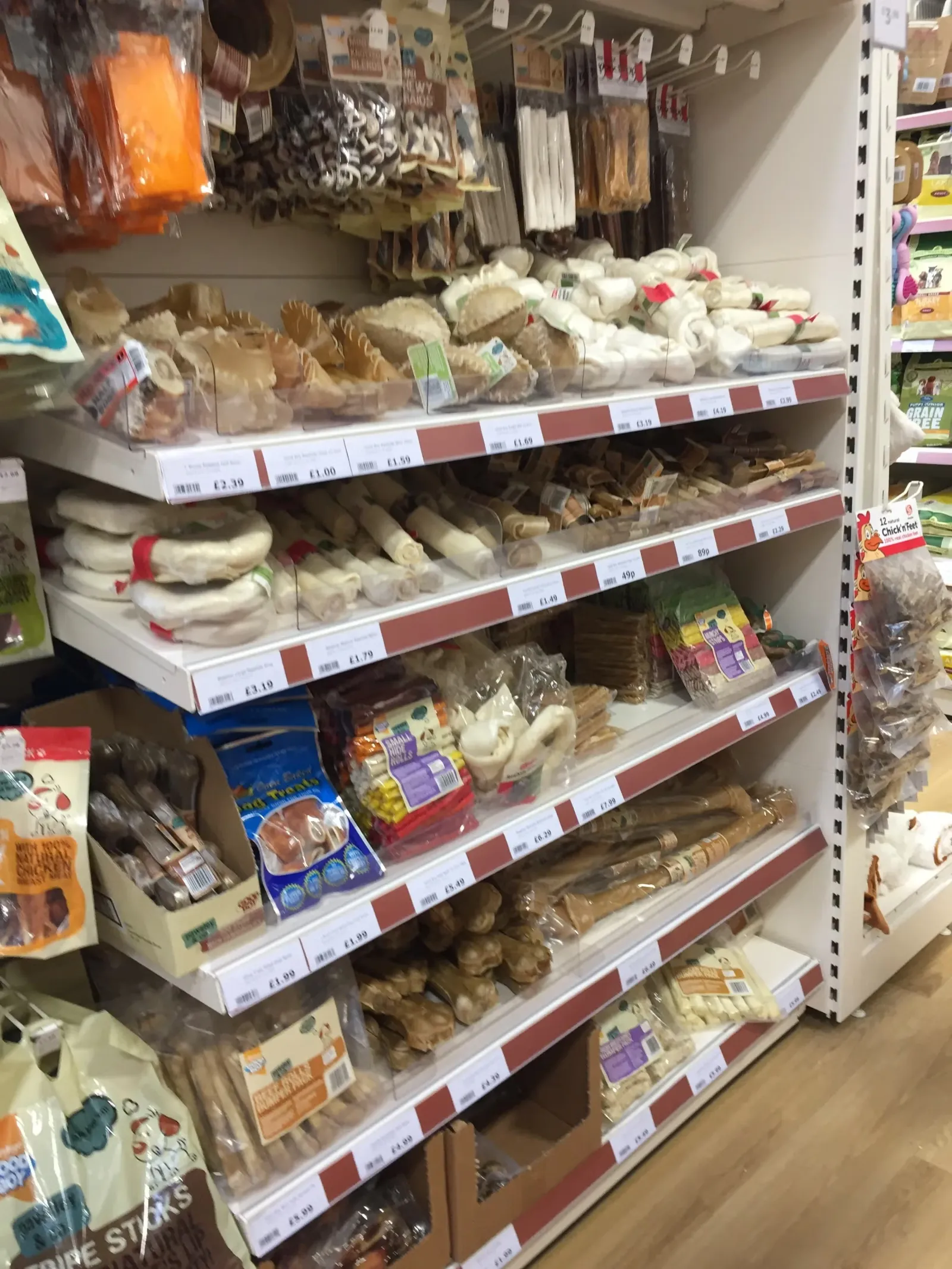
Some treats bought for dogs at Christmas can cause health issues
Author's Photo
Nine: Christmas Treats for Dogs
With gifts for ourselves, we often treat pets too. Many dog gifts are available, but some have risks.
Rawhide is popular but a common cause of intestinal blockages as it doesn't digest well. It may contain colours and preservatives that cause behavioural changes, and speculation suggests some might cause cancer.
Bones are loved, but shop-bought ones can splinter and cut mouth or stomach. Large pieces can block. Dried bones are hard and can damage teeth. Hollow bones can get stuck around the jaw.
Light-up dog toys are plastic balls that illuminate. If chewed, dogs may reach the battery, which is hazardous as mentioned.
For more on bad treats, see my article Dangerous Dog Treats.
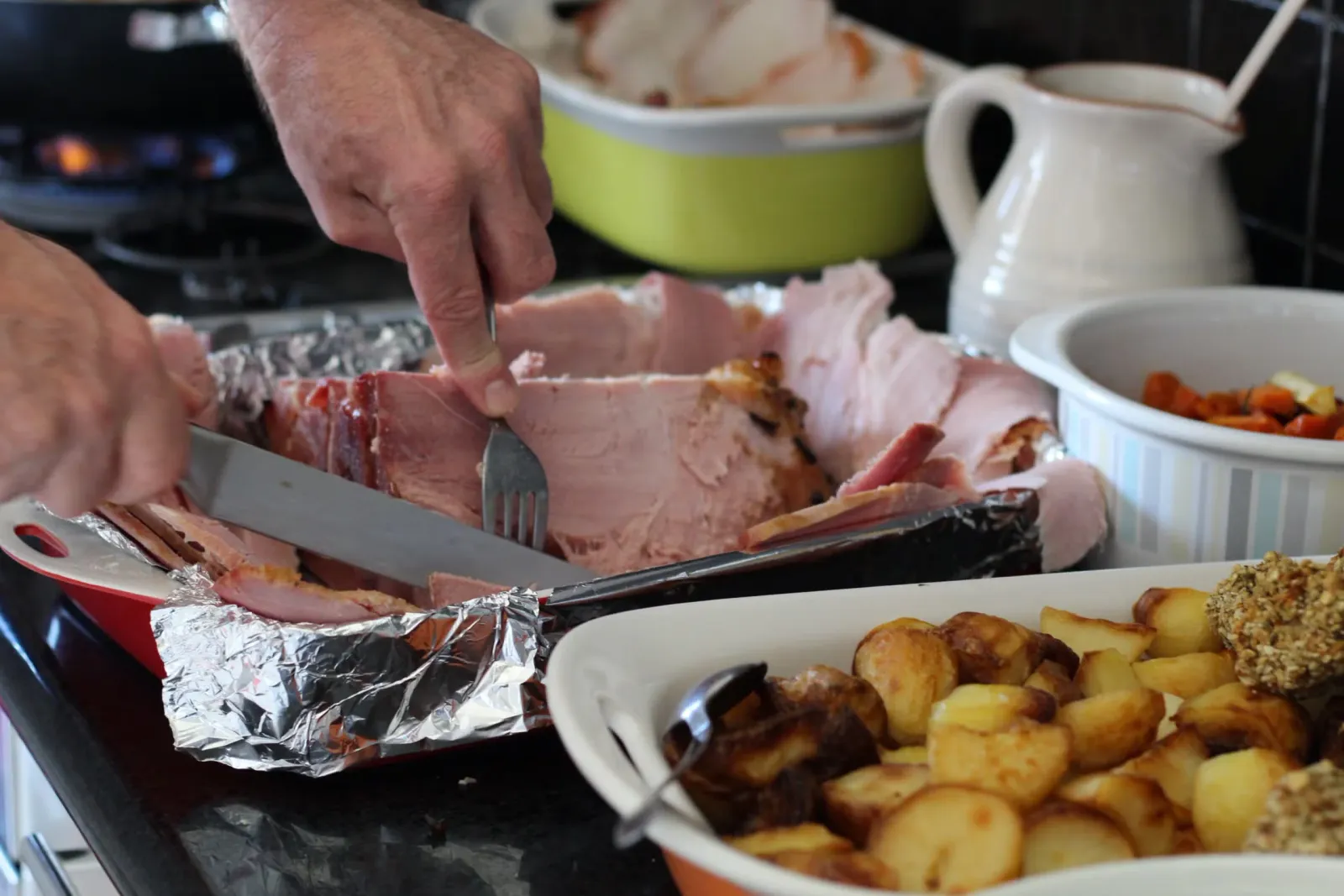
Bones and empty packets are dangerous leftovers to dogs
Public Domain
Ten: The Leftovers
After the feast, leftovers abound, and it's tempting to share. Generally safe, but note a few things. Turkey is fine, but too much can upset stomach, so moderate.
Cooked bones of any sort are bad, whether turkey, duck, goose, or ham. They splinter, cut mouths, harm digestion, and cause blockages.
Nuts are popular, but watch for large shells (walnut) that dogs may choke on. Same with bowls of whole nuts. Keep Macadamia nuts away, as they're poisonous.
Cheese is a favourite, and dogs like it. Most cheese is safe, though it can have a laxative effect. Blue cheese like Stilton contains roquefortine C, which in large amounts can cause seizures, stomach upset, fever, and tremors.
Snack bags, such as crisp or nut bags, are overlooked hazards. Dogs suffocate after snuffling inside empty bags, tempted by crumbs, and tragically many die yearly from this preventable accident.
This article is accurate and true to the best of the author’s knowledge. It is not meant to substitute for diagnosis, prognosis, treatment, prescription, or formal and individualized advice from a veterinary medical professional. Animals exhibiting signs and symptoms of distress should be seen by a veterinarian immediately.
© 2019 Sophie Jackson