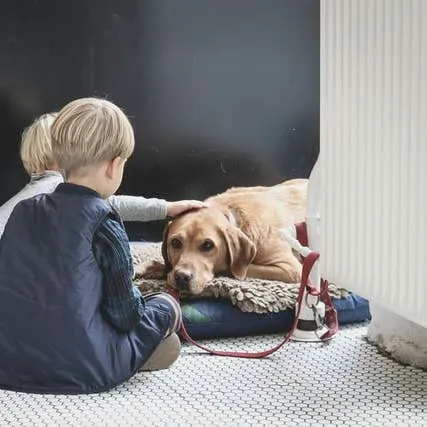
Supporting Kids Through the Loss of an Animal Companion
Harper Kelly
Breaking the News About a Pet's Death
Parents often face a tough challenge when a family pet dies: explaining the loss to their children. There's no one-size-fits-all approach to helping a child through such a loss. Every child reacts differently and will find their own way to deal with the passing of their animal companion.
In his book Going Home, Finding Peace When Pets Die, Jon Katz, a New York Times bestselling author, provides advice on discussing a pet's death with kids. Katz emphasizes that parents should acknowledge and respect each child's individual grieving process.
1. Introduce the Concept of Life Cycles Early
Katz advises that parents talk to children about the natural life cycle of animals well before a pet becomes ill or elderly, without being overly gloomy. Help kids grasp that animals have shorter lifespans than humans. Understanding the typical lives of cats, dogs, and other small animals can make the loss easier to bear if it occurs during childhood. Ideally, children will be grown before a pet dies, but it's fine for them to know they might outlive several beloved pets.
2. Communicate with Gentleness and Honesty
If a pet gets hurt or sick, inform your children promptly. Explain any medications, dietary changes, or exercise adjustments the animal needs. If the vet permits, bring the children to the animal hospital for visits. Compassionate veterinary staff and hospitals are skilled at helping families navigate pet loss. Meeting the veterinarian and care team can sometimes bring comfort to children.
The goal is to show children that the family is actively caring for their beloved pet. Everyone is doing their utmost to ensure the pet's quality of life. When the pet dies, children can take comfort in knowing that everyone tried their best and that the pet was loved and cared for until the end. This can help alleviate any guilt or anger they might feel after the pet's passing.
3. Discuss End-of-Life Decisions Together
At some point, parents may need to talk with their children about euthanizing a pet. Katz says, "Including older children in end-of-life decisions for animals can help them deal with the impending loss in a healthy manner. Kids love their pets and are entitled to be involved in the process." While they may not be able to change the outcome, they can at least understand that choosing a peaceful death was the most loving way to end the animal's suffering.

This article on pet loss and bereavement is in memory of my furry feline friend.
4. Be Truthful When a Pet Dies
If a pet dies while the child is away, don't delay discussing it. Children often understand more than adults realize. If a pet dies and the adults avoid the topic, the child might feel their emotions are being ignored. Although euphemisms like "going to sleep" may seem kind, they can confuse children and lead them to believe the pet is still alive somewhere and will come back. Children of all ages should have the opportunity to say goodbye in their own way. They need to fully experience their grief and find closure after the pet's death. Avoiding the topic won't lessen a child's pain and sorrow.
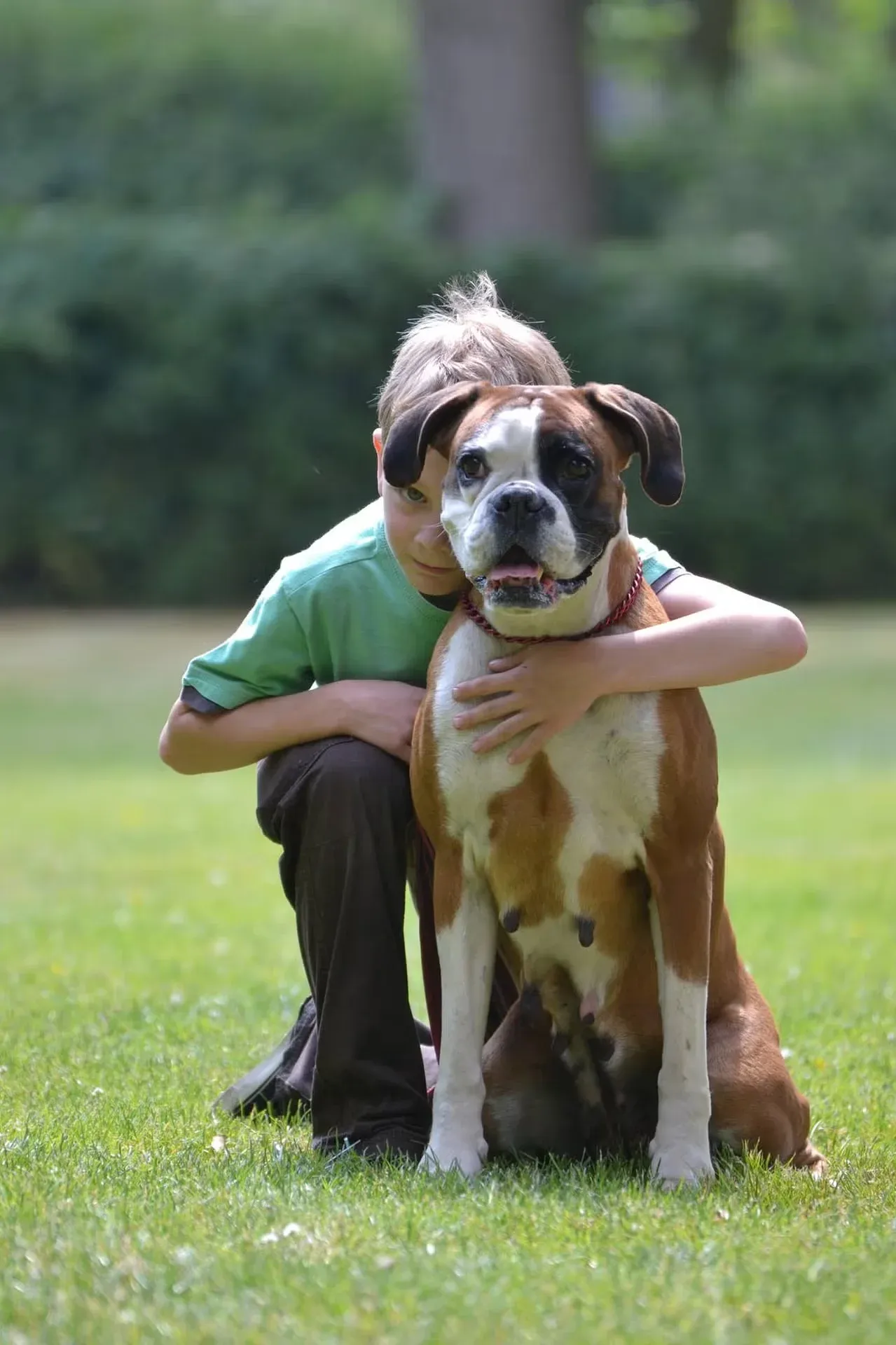
The passing of a family pet can be one of the single most upsetting things a child experiences. If a pet is in poor health and will soon pass away, be honest with older children so they can feel involved in end-of-life planning.
ixabay.com/en/boxer-german-boxer-dog-look-pet-2752269/
5. Allow Children to Memorialize Their Pet
Katz suggests that parents actively involve their children in honoring the life of the deceased pet. Set aside a quiet time and place to gather and share happy memories of the pet. Encourage family members of all ages to write poems or tributes. Don't hide your own grief and sadness about the loss. Children look to their parents to see if their feelings are normal and acceptable. Let them know that when they talk about losing their animal friend, both tears and laughter are fine. Remind them that there's no right or wrong way to grieve and that family members may express sadness differently. Ways to honor the pet include drawing pictures, sharing photos, planning a memorial service, planting a tree, or building a small garden monument.
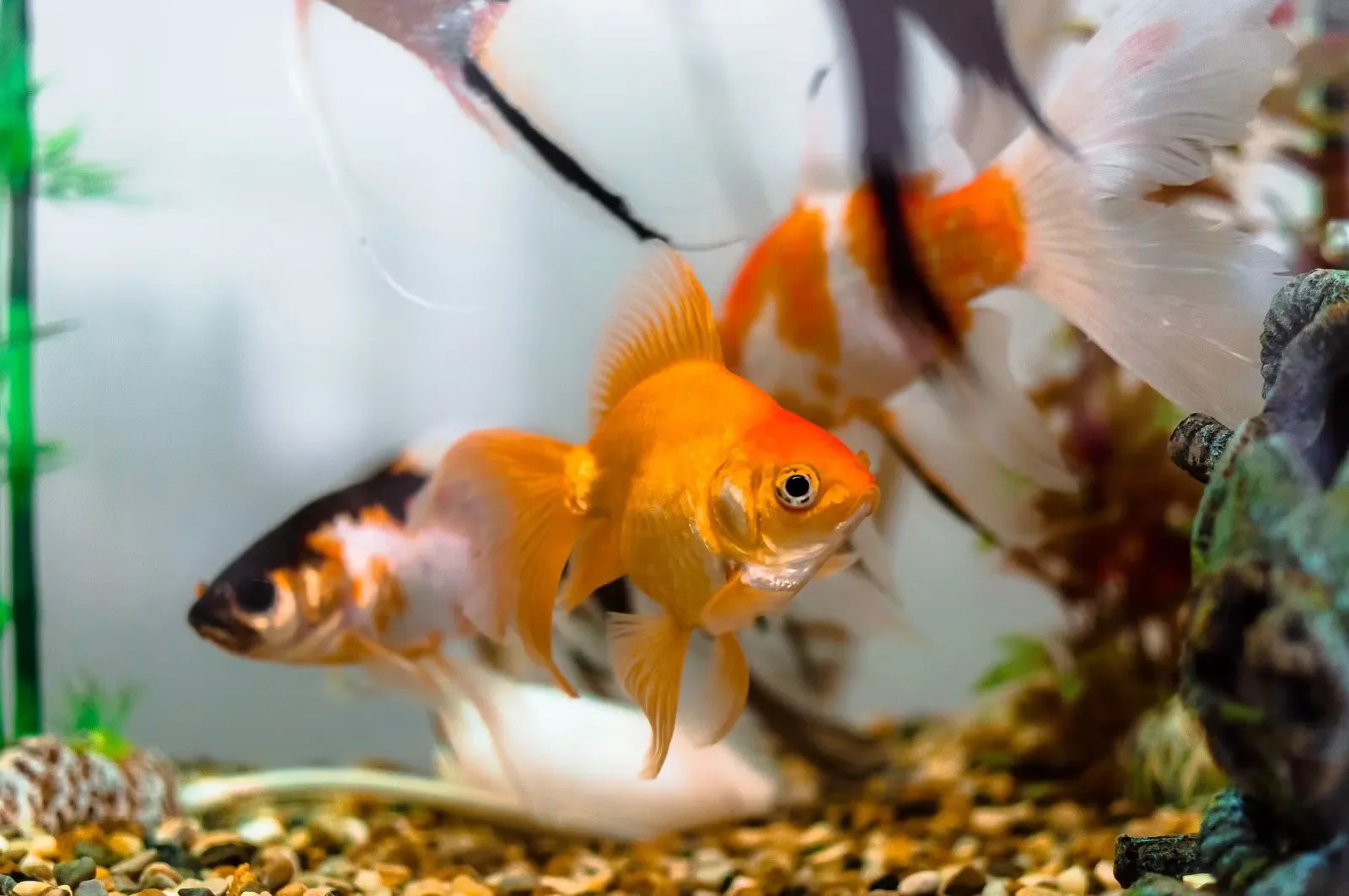
For kids, the loss of a pet, no matter the shape or size, can be heartbreaking. Kids who fed and cared for a small pet may worry they caused the death of the animal. Offer reassurance that some pets die no matter how well they are taken care of.
When a family pet—whether a dog, cat, or lizard—dies, parents can find tools and resources to help their children cope with grief. Pet bereavement is no longer a taboo subject, and there are many books, support groups, and online forums that adults can use to help themselves and their children. However, remember that the primary source of emotional support and guidance for your children should be you, their parents.
Although it hurts to see your children sad, they can't be protected from life's losses forever. Most children will experience other deaths in their lives (e.g., losing family, friends, or relatives to illness, old age, accidents, or other tragedies). Katz says, "The loss of pets can be a window for children into the profound, and inevitable, experiences life has in store for all of us."
Please share your own experiences in helping your children cope with the loss of a family pet.
© 2013 Sadie Holloway