How Companion Animals Benefit Early Childhood Development: Eight Key Advantages
Rowan Carter
The Value of a Pet in a Child's Early Years
Children frequently ask for a pet, and parents often end up bearing the burden of care. Although that worry is understandable, having an animal in the home can be genuinely advantageous for young kids. Kids focus on the fun of a furry playmate, while adults consider the work involved in caring for another living creature. Parents therefore need to guide their children so they gain as much as possible from the experience. Patience and effort are required, but the return in unconditional affection makes it worthwhile. For those who remain unsure, here are eight reasons why pets suit young children well.
1. Building Responsibility
Keeping a pet, like raising a child, demands dedication. Assigning children chores connected to pet care is a strong method for instilling responsibility. A chart listing tasks such as feeding, brushing, walking, and playing helps children remain answerable to their parents, the animal, and themselves. Through this, children develop resilience, reliability, and nurturing abilities—qualities that will serve them well as adults.
2. More Physical Activity
Owning a pet brings a broad set of health advantages, and greater physical activity is the most evident. For dog owners, walks tend to be longer. One study indicates that people with dogs walk nearly 1,000 miles each year alongside their pets. Regardless of the kind of animal, children become more active while engaging with it.
3. A Healthier Way of Living
Looking further at the health benefits, having a pet can enhance your lifestyle in multiple respects. Research has repeatedly found that pet ownership lowers the likelihood of allergies later on and decreases the risk of high blood pressure, depression, and heart disease. In addition, playing with an animal can lower stress hormone levels and raise feel-good hormones. No matter which pet you choose, the advantages are evident—it can support a healthier lifestyle.
4. Learning Empathy
Child behavioural expert Denise Daniels notes that regular interaction with animals can help children develop empathy. Because their brains are still developing, children often act selfishly and focus on themselves. Empathy takes time to learn, and pets can help speed up that process. Animals express their needs clearly, prompting children to consider someone else's needs before their own. Furthermore, adults who had pets during childhood tend to participate more in their communities.
5. Providing Comfort and Company
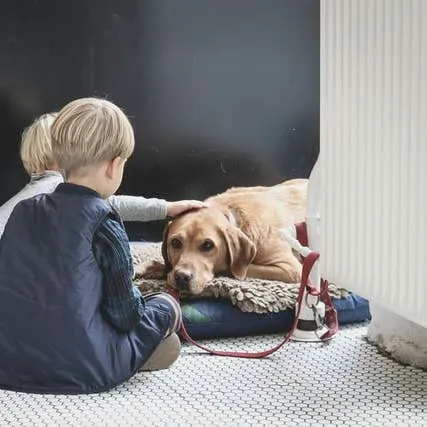
Few sources of immediate unconditional love match the comfort and companionship an animal offers. Regardless of a person's mood, pets give support and a sense of security. This can help lessen childhood worry and anxiety. It may also make children less inclined to withdraw when facing anxious feelings.
6. Developing Relationships
Pets serve as a valuable means for children to develop social skills. Besides boosting their overall confidence, an animal gives children a topic to discuss with peers. Pets are a shared interest among many people and an easy subject to bring up with anyone. When children feel assured starting conversations, forming friendships becomes simpler.
7. Simply Enjoyable
Looking after a pet encourages families to spend more time together. They go on group walks, play, take the animal on trips, and slow down to enjoy one another's company. Having a pet is indeed a useful way to teach responsibility, but it also strengthens family bonds. Naturally, pets are entertaining in themselves. With a furry companion beside your child, loneliness and boredom are less likely. There is always something for them to discover together.
8. Understanding the Circle of Life
The most difficult part of having a pet is the inevitable farewell. It is painful, yet it offers a meaningful way to teach children about the cycle of life. They do not only learn about death; it is also a chance to learn about illness, reproduction, and birth. For many children, this is their first encounter with life's more serious dimensions. It is not simple, but it is an effective tool for teaching children about emotions and how to handle them.
When the time comes to say goodbye, consider peaceful euthanasia. It can even be arranged at home, giving everyone the privacy to part in their own manner.
In Summary: Pets Bring Real Benefits
In the end, having a pet involves considerable effort. Still, the happiness they bring to a family outweighs the early difficulties. Beyond the advantages listed above, numerous studies have found that pets help combat stress, lower anxiety, and reduce the risk of depression. Your pet may not seem to understand you, but children feel heard when they share their worries and problems with the animal, which brings them comfort. They gain a faithful companion and a duty to help care for it.