Understanding Aggression in Neutered Dogs Toward Intact Males
Taylor Mitchell
Can Neutered and Unneutered Male Dogs Coexist?
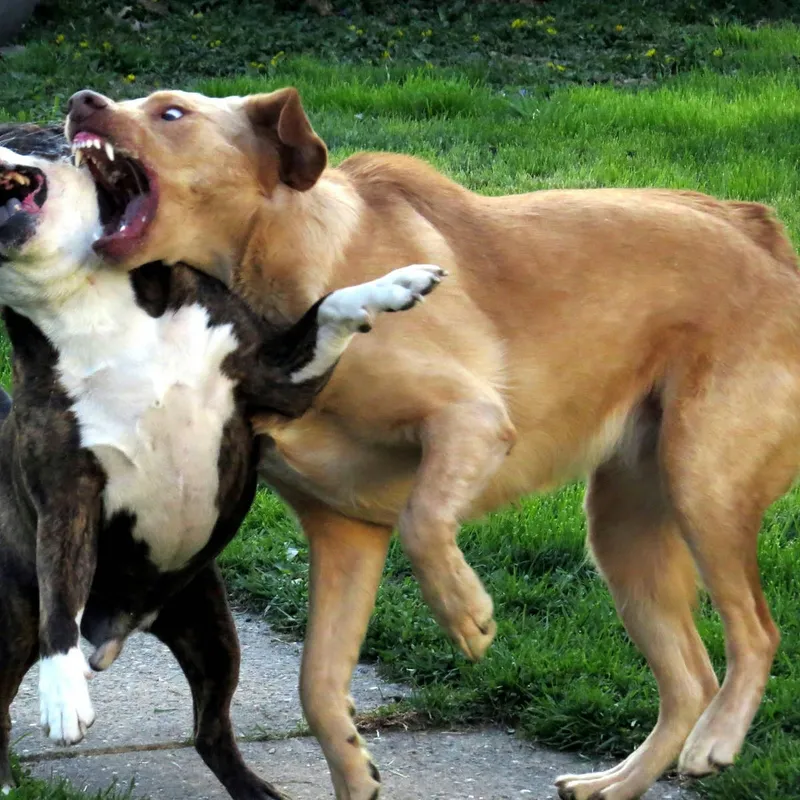
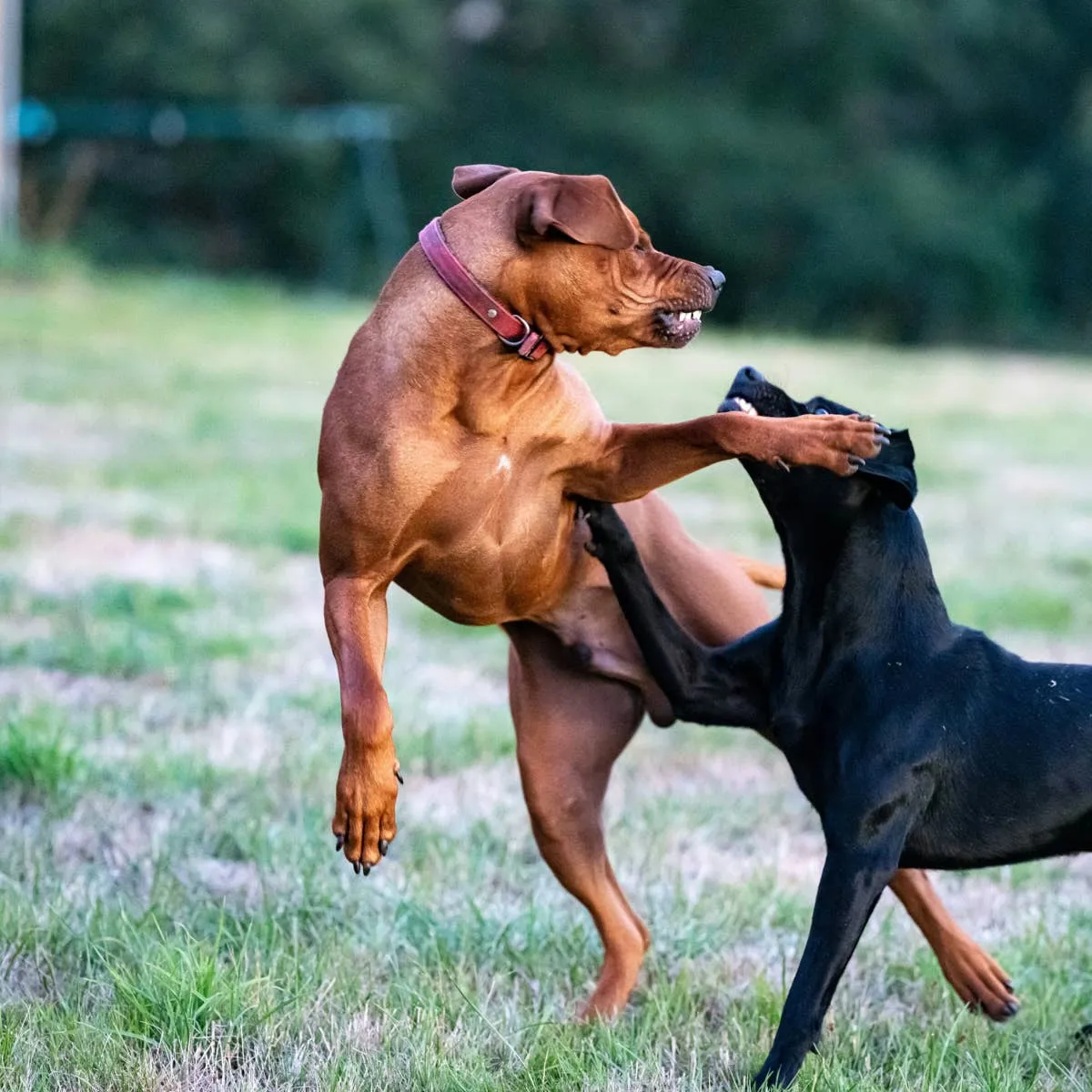
Many dog owners are surprised when their neutered male dog displays aggression only toward intact males. These dogs typically get along with other dogs but react strongly to those that have not been neutered. How do they know? While humans might need to ask the owner or check physically, dogs rely on their sense of smell and other cues. If your dog shows this behavior, you're not alone; it's a common issue with multiple possible causes.
In This Article
- Why Does My Dog Act Aggressively Toward Male Dogs?
- Does Neutering Actually Reduce Aggression?
- How Can I Help My Neutered Dog?
Related: How to Keep Male Dogs Away From Females in Heat
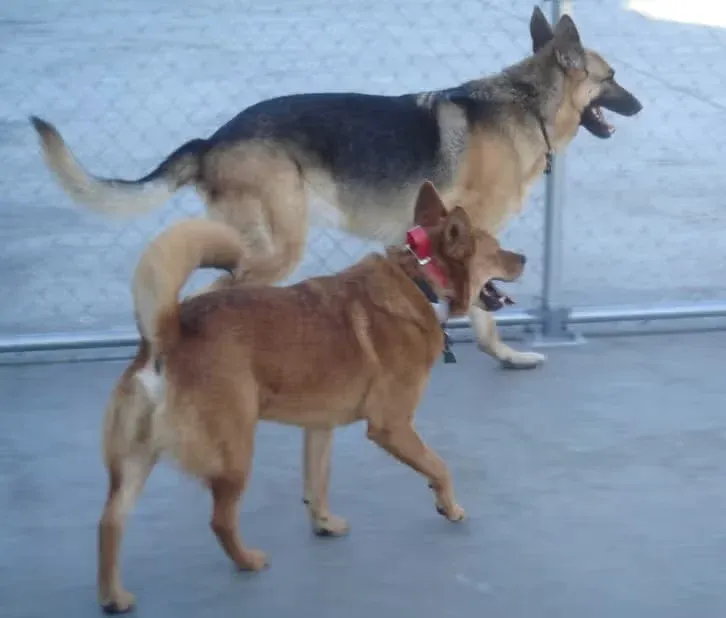
Why is my dog aggressive towards unneutered males?
rommey
What Is an Intact Dog?
An intact dog has not been spayed or neutered. For males, this means they still have their testicles.
Why Does My Dog Act Aggressively Toward Male Dogs?
There are several reasons why dogs may act aggressively toward intact males. However, sometimes the exact cause remains unknown. Fortunately, behavior modification techniques are often effective regardless of the root cause.
1. Negative Experiences
Your dog may have had a bad encounter with an intact male and now generalizes that fear to all intact males. It's important to note that the experience doesn't have to involve a bite or growl; even a stare or body posture can be perceived as threatening. Most aggressive displays are actually fear-based.
2. Lack of Socialization
Puppies need positive socialization during their critical window, which closes at 12 to 16 weeks of age. Exposure to various dogs of different sexes, colors, shapes, and sizes is crucial, as is exposure to people and different environments. If a dog never encountered an intact male's scent before, it might react fearfully. Some dogs are neophobic, meaning they fear new things.
3. A Different Scent
Dogs don't need to ask or check; their nose knows. Intact males have a distinct odor. As trainer and behavior consultant Karen Fazio explains, “intact males retain the ability to mate and give off the scent of male, which can be considered a threat to neutered males.” Testosterone gives this “male” scent, which peaks at around 10 months when levels can be five to seven times higher than in adult males. This scent can trigger negative reactions in neutered dogs, leading to tension and aggression. When an intact male enters a dog park, the atmosphere can become tense. It's also believed that neutered males may smell similar to females, though this lacks scientific proof.
Does Neutering Actually Reduce Aggression?
Research on neutered dogs presents a different picture. Two studies (see references) found that spaying and neutering may actually increase canine aggression, contrary to common belief. Thus, neutered dogs might simply be more reactive to unfamiliar dogs in general.
Related: Help, My Dog Is Aggressive After Being Neutered!
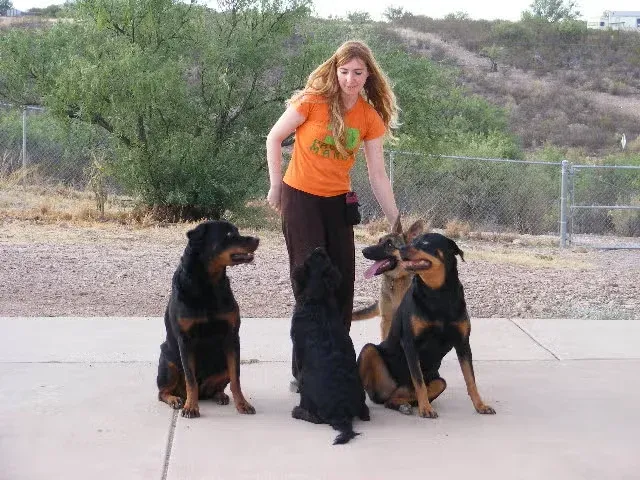
Force-free methods can help change your dog’s emotions.
rover's ranch home all rights reserved
Did You Know?
Tail wagging communicates friendliness but also spreads pheromones from under the tail.
How Can I Help My Neutered Dog?
With many shelters and vets promoting spaying and neutering, encounters with intact males are limited. Intact dogs are often banned from dog parks, which might increase reactivity due to their rarity. In countries where neutering is less common, intact dogs are more frequently encountered, and owners may need strategies to help their reactive dogs.
Here are some steps:
1. Seek Professional Advice
Consult a certified applied animal behaviorist or a board-certified veterinary behaviorist. Some trainers also specialize in behavior issues. Look for force-free trainers through the Pet Professional Guild.
2. Manage Your Dog
Allowing your dog to practice aggressive behavior toward intact dogs only reinforces it. Managing your dog keeps everyone safe and prevents rehearsal of unwanted behavior.
3. Use Force-Free Methods
A professional can guide you in techniques like desensitization and counterconditioning. Methods such as open bar/closed bar, “Look at That,” and COR training use classical and operant conditioning. Teaching incompatible behaviors can also help. Always work below your dog's threshold to ensure they can learn.
Related: Surrendering an Aggressive Dog: Alternatives & Last Resorts
References
- Deborah L. Duffy and James A. Serpell (2006, November). Non-reproductive effects of spaying and neutering on behavior in dogs. Proceedings of the Third International Symposium on Non-Surgical Contraceptive Methods for Pet Population Control. Alexandria, Virginia.
- McGreevy PD, Wilson B, Starling MJ, Serpell JA (2018) Behavioural risks in male dogs with minimal lifetime exposure to gonadal hormones may complicate population-control benefits of desexing. PLoS ONE 13(5): e0196284.
This article is accurate and true to the best of the author’s knowledge. It is not meant to substitute for diagnosis, prognosis, treatment, prescription, or formal and individualized advice from a veterinary medical professional. Animals exhibiting signs and symptoms of distress should be seen by a veterinarian immediately.
© 2013 Adrienne Farricelli CPDT-KA, Dip.CBST