Managing Canine Aggression: A Guide for Pet Owners
Hayden Carter

Addressing Aggression in Dogs: Practical Steps for Owners
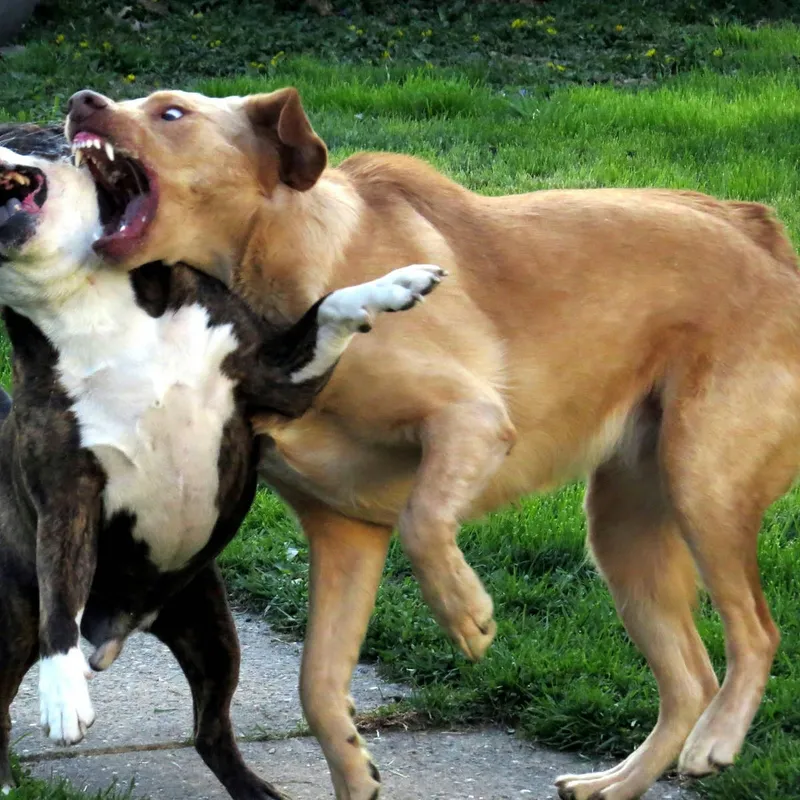
For those who share their homes with dogs, a range of behavioral challenges can arise. Dogs might destroy cherished belongings, steal food from countertops, or have accidents indoors. These issues are certainly frustrating, yet aggression stands out as the most severe and challenging problem a dog owner can encounter.
When a dog exhibits aggression, it creates risks for household members, visitors, and even bystanders if the animal escapes from the house or yard. Such dogs can terrify young children with loud barking and may bite or attack people regardless of age. The consequences include serious injury to victims and potentially expensive legal action against the owner. In severe instances, the dog might need to be euthanized due to its aggressive conduct.
So how can you prevent aggression from developing, and what steps can you take to address existing aggressive behaviors? The following recommendations offer guidance on handling dog aggression:
Begin Training Early
Preventing aggression often starts with early intervention. If you bring home a puppy, you can establish proper training from the outset, creating a structured environment where you are clearly in charge. This approach helps stop aggressive behaviors before they begin. Additionally, socializing the dog with other canines and with people from a young age can reduce the likelihood of aggressive tendencies emerging.
Identify Potential Triggers
If your pet has only recently started acting aggressively, the cause might be a change in its environment or routine. For instance, jealousy can lead a dog to display aggressive behavior.
Combine Gentleness with Firmness
Once you commit to addressing your dog's aggression, you must also adjust your own actions. First, ensure you are not mistreating the animal. Physically harming your dog can provoke an aggressive response. Conversely, overindulging the dog can also contribute to behavioral problems. Strive for a balance between affectionate care and consistent, firm management of its behavior.
Reflect on Whether You've Encouraged Aggression
Even if you haven't hurt your dog, you might inadvertently signal that aggressive behavior is acceptable. For example, during walks, if you encounter someone who makes you uneasy, do you step behind your dog for protection? Or do you urge your dog to guard your home or children? By asking the dog to act as a family protector, you are laying the groundwork for aggressive reactions toward strangers.
Correct Aggressive Behavior Firmly
If the dog growls at people while eating, barks at passersby, or shows other aggressive signs, you need to address that behavior. This means pausing whatever you are doing to discipline the dog. Essentially, the dog must understand that you are in charge and be shown what it is doing wrong.
Instruct Others to Be Firm as Well
If you don't want your dog jumping on visitors, instruct your guests on how to tell the dog to get off them and encourage them to do so consistently.
Reinforce Good Behavior with Rewards
Part of retraining an aggressive dog involves recognizing when it behaves well and rewarding it with treats. Basic dog training books can provide further guidance on how to do this effectively with your pet.
Keep a Close Watch on Your Dog
Sometimes aggression stems from mistreatment by others. If you leave the dog in the yard all day while you're at work, neighbors might tease it. Similarly, if you let your children play with the dog without supervision, they might treat it poorly. While working to reverse aggressive behaviors, you should monitor the animal closely to understand what it experiences.
Seek Professional Training Help
If your dog's aggression is already too severe for you to manage, consider enlisting a professional dog trainer to help reverse the problem.
Most aggressive dogs can be retrained to behave appropriately at home, but this requires a willingness to invest time. Weigh the risks of keeping an aggressive animal in your home—especially if young children are present—and decide whether you can dedicate the necessary time and effort to retrain your pet.
Finally, think carefully before adding another dog to your household in the future. Some breeds are naturally more aggressive than others, so choose a breed that is likely to be non-aggressive in your home. Then focus on socializing and training that dog early to prevent problems.
Sources
- Questions and Answers on Aggressive Dogs Dog aggression is controllable if owners take the time to educate themselves and do the work to solve the problem. These Q&As explain how to approach dog aggression in the family pet.
- Dog Food Aggression: Canine Possession Aggression in Dogs Is a Behavior Problem Dog food aggression is a very real problem. Discover how to put an end to canine possession now. Resource guarding can be fixed with the secrets of a professional dog trainer.
- Dog Owner’s Guide: Canine Aggression
This article is accurate and true to the best of the author’s knowledge. It is not meant to substitute for diagnosis, prognosis, treatment, prescription, or formal and individualized advice from a veterinary medical professional. Animals exhibiting signs and symptoms of distress should be seen by a veterinarian immediately.
Sources
- Managing Canine Aggression: A Guide for Pet Owners — pethelpful