Building Confidence in Anxious Canines: A Comprehensive Approach
Quinn Murphy

Understanding Fearful Dogs
Owning and training a dog that is easily frightened can be quite demanding. In comfortable environments, such as home, the dog might be a loving and delightful companion. However, when faced with unfamiliar places, it can become extremely nervous. If your dog exhibits such behavior, it's crucial to assist it in becoming less fearful and more self-assured.
Dogs frequently exhibit fear toward these common triggers:
- Thunderstorms
- Rain
- Sudden loud sounds
- Crowds of people
- Shiny floors like hardwood or tile
- Other canines
- Unfamiliar locations
- Strangers
If your dog has a severe phobia, it might feel like your entire life is centered around managing its anxiety. For example, you might avoid taking it out or inviting guests over. It's time to address the issue so that both you and your dog can enjoy greater freedom.

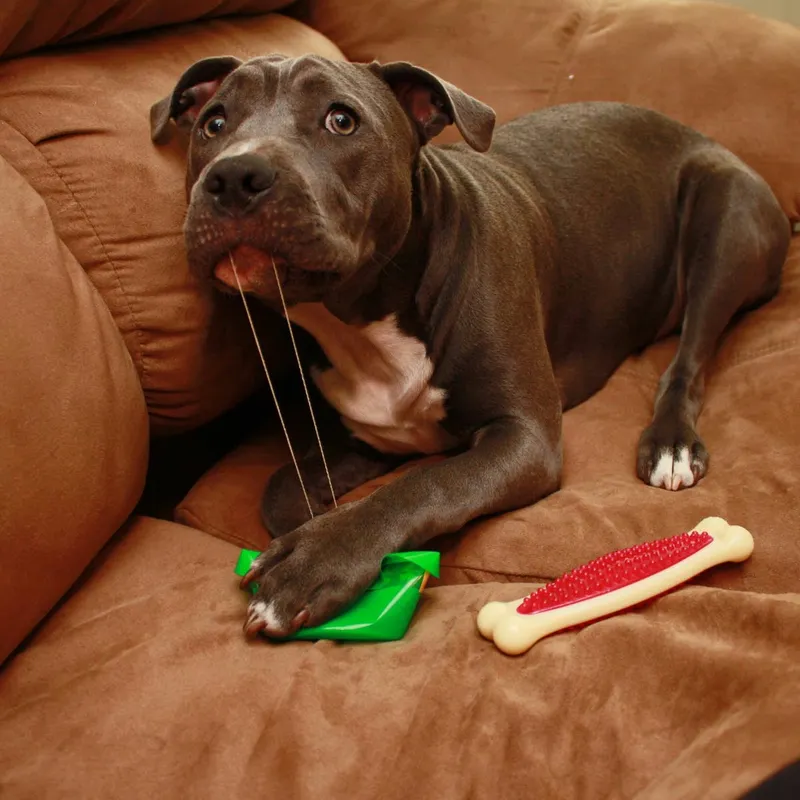
A scared dog will act shy.
Making a Dedicated Effort
Fearful dogs don't transform into confident ones overnight. Helping a fearful dog gain confidence requires a long-term commitment and a resolute mindset.
- Clearly defining the desired reactions and behaviors is a key step toward achieving them, so establish a detailed plan.
- Flexibility is essential when training a fearful dog. Progress can sometimes feel like moving forward one step and then back ten.
- You need to recognize when you're pushing too hard and what adjustments are necessary.
Fearful dogs are driven by emotions. They aren't consciously reasoning about their actions, so scolding or soothing won't be effective. If you decide to work with a fearful dog, remember to be patient and adaptable.
Structured and Consistent Training
Set a regular training routine and divide your objectives into manageable steps. For example, if your dog is afraid of unfamiliar men, you might begin with a male family member that your dog trusts and teach the dog to target that person's hand. Targeting means the dog goes up to a stranger and touches their hand. This should be broken down into stages:
- Have the person sit in a chair and initially ignore the dog.
- Next, the person can scatter small treats around their feet and allow the dog to approach and eat them at its own pace.
- If the dog remains too frightened, simplify further by having the person lie on the couch or sit farther away.
- The dog's willingness to eat is a good indicator of its comfort; if it's too stressed to eat, you need to adjust the approach to see progress. Gradually, the dog should become comfortable enough to approach and target the person's hand.
Using targeting helps the dog focus on a task rather than its fear. Taking the time to teach targeting can be one of the most crucial techniques for helping a dog overcome its fears.
Root Causes: Genetics, Abuse, or Inadequate Exposure
Many people think that fearful dogs have been abused by a previous owner, but more often, the fear stems from a lack of early exposure to different people, sounds, and situations. Genetics can also contribute to fearful behavior. While it's possible to get a dog that has been mistreated by someone it encountered, the most frequent cause is insufficient socialization as a puppy or young dog. The most effective way to help a shy and fearful dog is to create a plan.
Breeding Influences
Certain breeds are naturally timid, and puppy mills and inbreeding can intensify these traits. Before purchasing a puppy from a pet store or breeder, investigate the source. A responsible breeder is dedicated to producing puppies that are healthy, well-adjusted, and prepared for life. If the breeder does their job properly, each puppy receives plenty of love and care.
If you suspect your puppy's shyness is due to genetics, training is still possible. Even well-bred puppies from good breeders can be more fearful than their siblings. If the shyness is identified early, intensive socialization and training should be implemented. The sooner the problem is recognized, the easier it is to address. Some breeds may be more inclined toward fearfulness, but any dog can develop fear of new people and experiences. Before getting a puppy, research the breed and inquire about the parents' temperaments. Meeting the puppy's parents is also advisable.
Socialization's Role
If you believe your puppy's fear is due to a lack of socialization, start now. The earlier you address it, the better. Consider enrolling your dog in training classes or doggie daycare. Take it to dog parks.
If a puppy misses early socialization, it will likely become a fearful dog. The critical period for early socialization is roughly from eight weeks to eighteen weeks, but it doesn't end there. Puppies need an environment that encourages them to learn about life. A lack of early socialization can lead to shyness, fear, and fear-based aggression. Develop a plan to socialize your puppy early.

The more predictable the training sessions and rules, the better the dog will be able to cope.
Training Strategies
When starting to train a fearful dog, ensure it has a structured environment. The more predictable the training sessions and rules, the better the dog can cope. Indulging fearful dogs will worsen the issue because they need a strong and consistent leader. Rules are essential!
- Don't reinforce fearful behavior. Petting and speaking in a soothing tone or picking up the dog reinforces the fear. A more detached approach signals that there's nothing to fear. Yawn, stretch, or simply tell the dog there's nothing to be scared of.
- Never use punishment! Punishment is never appropriate when a dog is fearful. A frightened dog cannot learn, so punishment will only make things worse.
- Prioritize safety. Keep the leash on in public at all times, and make the house escape-proof.
- Exercise and mental stimulation. Physical activity helps your dog build confidence.
Confidence Building
With ample patience and careful training, a fearful dog can gain confidence and lead a happier life. This is a time-intensive process, so don't rush it. Teaching a fearful dog to target is an excellent way to build confidence if you turn it into a game. Start by teaching the dog to target your hand, then progress to other objects. Eventually, the dog should be able to target or touch objects it previously feared.
Classical Conditioning
Classical conditioning prompts the dog to perform a specific behavior, which can help you make progress more quickly. This can be useful for dogs that are too scared to engage at all or for those with noise sensitivities.
Systematic Desensitization
This method involves playing a sound at a low volume or keeping the feared person or object at a distance so the dog notices it but doesn't react with fear. If a dog won't take a treat from you, the volume is too high or the person is too close. Gradually increase the volume or decrease the distance between the dog and the person. Eventually, the dog won't even notice the noise or person and will continue to play and take treats.
This process involves positive interaction with a fearful dog. The dog begins to associate relaxation with the loud noise or person, and eventually, it will be accepted as part of the environment and nothing to fear.
Flooding
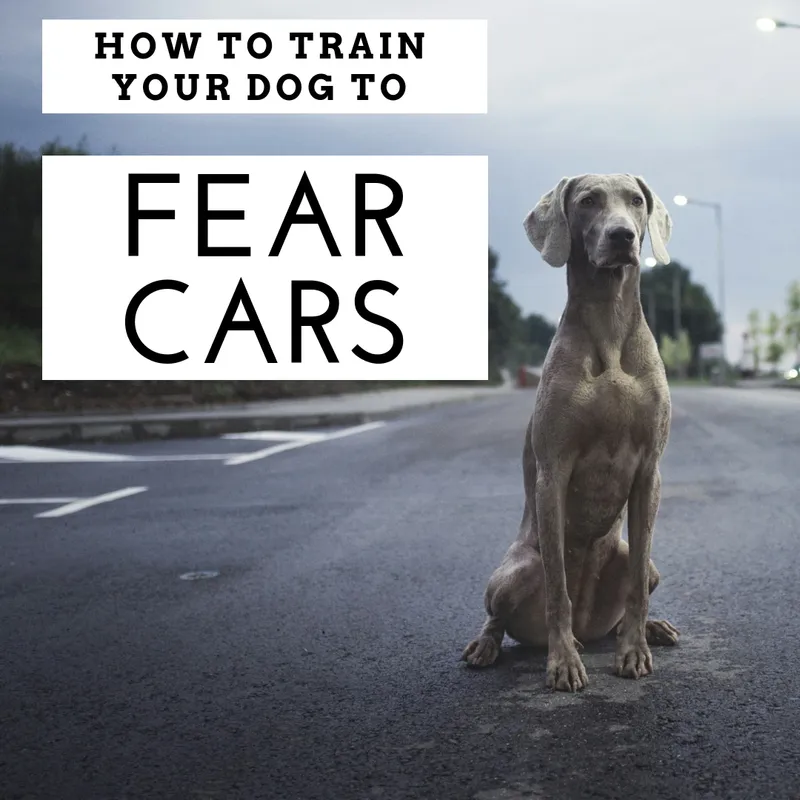
This technique is the opposite of desensitization and involves exposing the dog to its fear all at once. For instance, if the dog is afraid of cars, walk it on a busy road until it realizes there's nothing to fear.
Many trainers disapprove of this method, as it can sometimes be more harmful than helpful. In some cases, flooding can intensify the fear. Flooding should only be attempted by an experienced trainer.
Alternative Solutions
Fear is an emotion that can hinder training. If nothing else has worked, you might consider another treatment method. Fears can result from an injury or medical issue that can be identified through chiropractic or acupuncture. Massage techniques are also available for dogs. These can help dogs become more confident and aware of their bodies. Regardless of what you start with, remember not to harm your dog. The more open-minded you are, the more your dog will benefit.
This article is accurate and true to the best of the author's knowledge. It is not meant to substitute for diagnosis, prognosis, treatment, prescription, or formal and individualized advice from a veterinary medical professional. Animals exhibiting signs and symptoms of distress should be seen by a veterinarian immediately.