Effective Training Strategies for Headstrong Dogs and Puppies
Rowan Williams
Training Tips for Dogs That Are Strong-Willed and Won't Listen
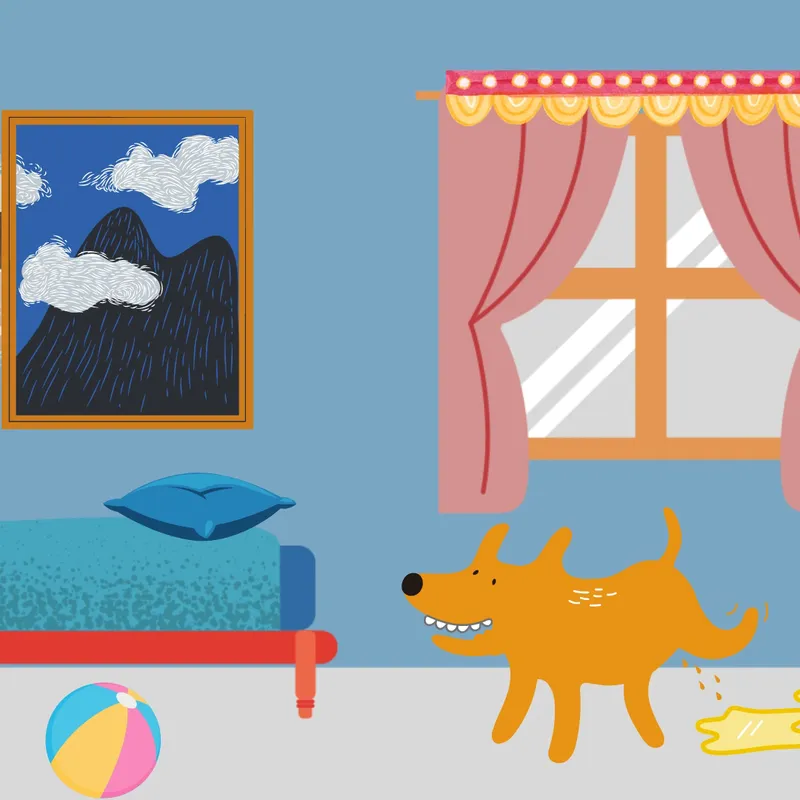
Are you at your breaking point with a willful puppy? Had enough of wet carpets and being jolted awake at 2 AM by nonstop barking? Frustrated by being pulled around at the park and feeling embarrassed at the pet store? Managing your dog might feel like an impossible task, but by dividing it into smaller steps, you can achieve success.
Foundational Obedience Skills
These are some fundamental obedience skills that typically take only a few weeks for your dog to pick up:
- Housebreaking
- Sitting (and staying)
- Leash walking
- Not barking
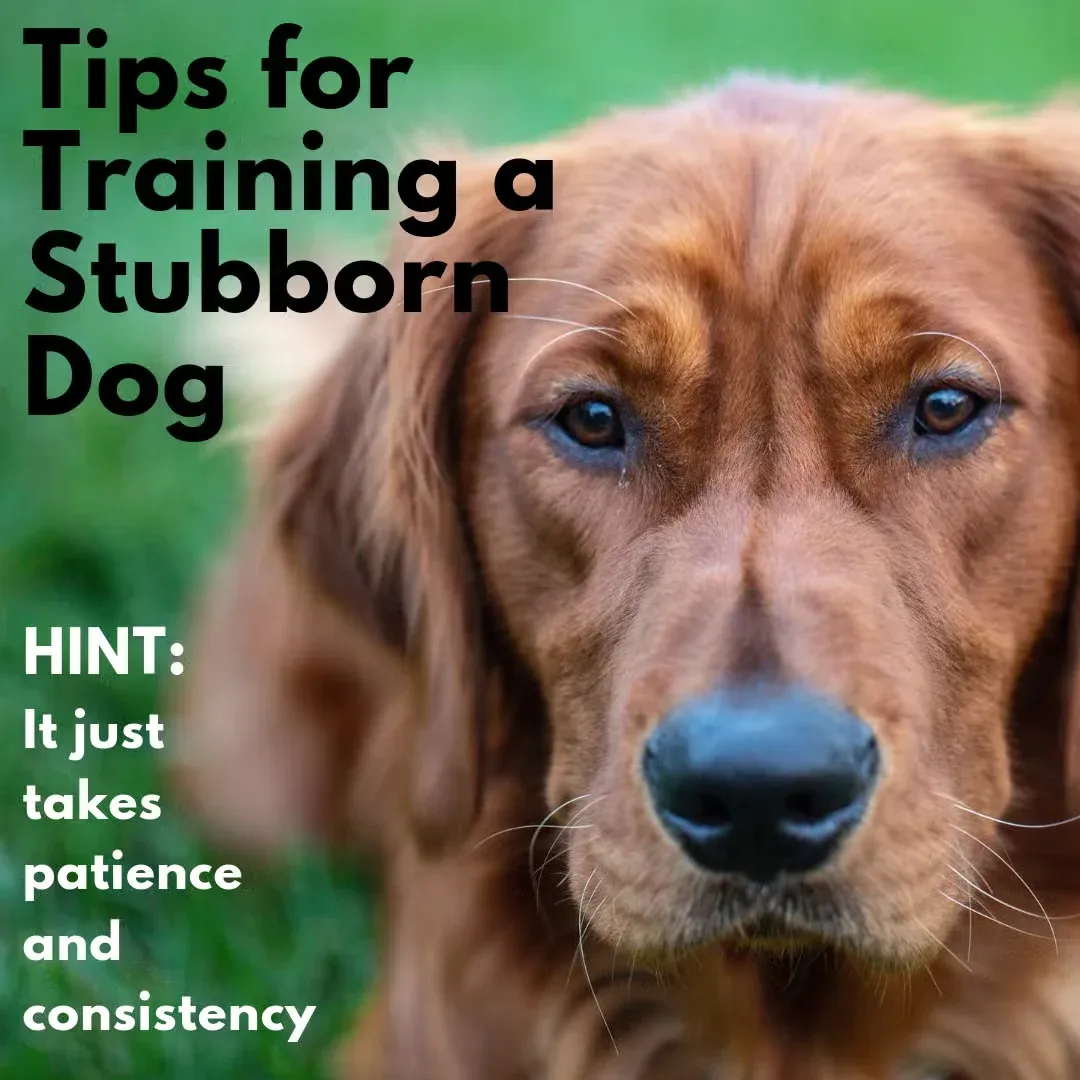
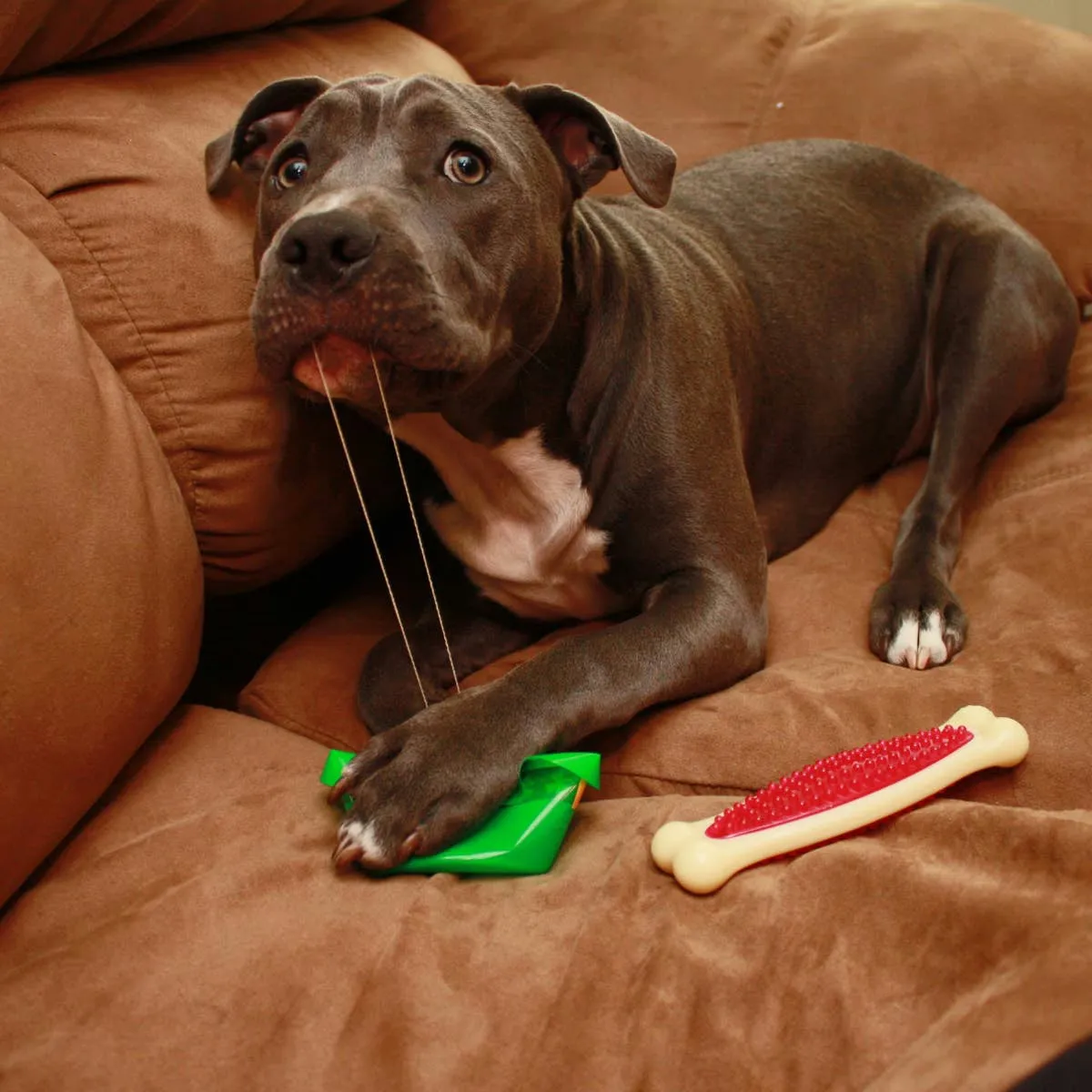
Learn some strategies for training the strong-willed dog.
Photo by Maddy Baker, via Unsplash
1. Housebreaking
When housebreaking your dog, consistency is essential. I learned the following method, called the “jackpot” approach, in a dog obedience class some time ago. It has been effective for every dog I've used it on. Give it a try—commit to it for two full weeks—and you'll be very pleased you did.
How to Implement the Jackpot Method
- Obtain some small treats. While it's enjoyable to give our dogs large treats, for this training we use small, semi-soft treats that can be broken in half.
- Take two to four treats (two for small dogs, four for large dogs) and break them in half (so you now have 4–8 pieces in your hand). This is your “Jackpot.”
- Allow your dog to see and smell this handful of treats.
- Say “Potty potty potty” to your dog and take her outside to go. Use a leash for this training and lead your dog to a specific small area of the yard that you want her to use each time.
- If she goes potty, WHILE she is going, tell her how great she is doing! “Good dog go potty!” Then give her the treats IMMEDIATELY, praise her, and play with her for a few minutes.
- If she doesn't go potty, bring her back inside and try again in 10–15 minutes. Keep trying until she goes, and when she does, act as if it's the greatest thing in the world. Let your dog know she is doing something right.
Set a Feeding and Watering Schedule to Predict Potty Needs
Put your dog on a feeding and watering schedule. Feed her at the same time daily. Place the food bowl down for 10 minutes. After 10 minutes, pick up the food. Your dog might be hungry for the first day if she is used to grazing all day, but she will catch on quickly and start eating within the 10 minutes.
For the first week, record how long it takes her to go potty after eating. For instance, if she eats at 8 AM and you take her out at 8:30 and she doesn't go, but she goes at 8:45, it took 45 minutes. Write down the time each day and average it at the end of the week. That's when you should take your dog out after she eats. Water should be given with both meals, and also if your dog has been playing or outside for any length of time. Don't leave the water and food bowls out all day for her to eat and drink freely, or you'll never get her housebroken.
Keep Using the Jackpot
Each time your dog goes potty outside, give her the “jackpot” of treats. As she becomes accustomed to going, continue praising her but reduce the number of treats you give. Some dogs will do fine without treats, while others will need at least one treat for a while, plus plenty of praise! Stick with this for a week and you'll notice a significant improvement—but remember to watch your dog and take her out often, or it won't work.
Tips
- If your dog urinates in the house while learning this method, simply take her outside and say “Potty outside” and continue training. Don't get frustrated, don't yell. This is temporary and should only happen once or twice before your dog is completely housebroken if you're paying attention and taking her out frequently enough.
- Be patient. This phase is only temporary and will pass.
- Don't use ammonia-based cleaners to clean up your dog's potty accidents. That makes them want to go in the same spot again.
- Keep the potty area small, but not so small that your dog can't move around. The size of two parking spaces is ideal for a large dog, half that for a small dog.
2. Sitting (and Staying)
Sit. Such a simple word. Such a simple task. So why isn't she getting it? Why won't my dog sit?! It's frustrating when your dog just doesn't “get” it. Likely, she's distracted or confused, so first, you need to get her attention.
The “Watch Me” Command
Begin by taking a small treat and holding it up to your face, between your eyes. If she isn't paying attention at this point, hold the treat between your thumb and finger and let her smell it. Then slowly move it up toward your eyes, saying your dog's name, and then “Watch me” in a firm voice. The goal of this exercise is to get her to focus on you (or the treat, for now) for at least five seconds at a time. If you can get your dog's attention this way, it's much easier to get her to sit. Practice this exercise for at least a few days before moving on to “sit”. Be sure to offer lots of praise when your dog does what you tell her to do.
Example: you say “Watch me.” The dog watches you for five seconds. You say “Release” (to let her know it's okay to look away), “Good girl!” and give her the treat and praise.
The “Sit” Command
With “sit,” you need to stand upright in front of your dog. Get her attention and then say your dog's name, followed by “Sit.” Hold a treat by her nose and slowly lift it up and back. This should naturally cause your dog to sit. Sometimes this doesn't work and you'll need to gently guide her into a sit. Don't push or bully your dog into sitting. Be patient and she'll get it because she wants those treats! After she's sitting, make her stay for a few seconds, then say “Release” and give her a treat.
Use a hand motion to go with the word “Sit.” I use two fingers and point them up, almost in a flicking motion. It doesn't really matter which hand motion you use as long as you (and everyone else who works with the dog) are consistent. Be sure to reward her when she sits.
Tips
- I've found that using a firm or lower-pitched voice works best. Always use your dog's name: “Fido, sit.” “Good girl, Fido!”
- If your dog doesn't want to sit, work on a different trick for a while. Try for up to ten minutes at a time. Dogs tend to get frustrated after that, at first.
3. Walking on a Leash
Are you walking your dog, or is she walking you? Time to switch it up, Fido! I'm in charge here.
Here are two different methods I've successfully used when training dogs to walk on a leash. The first method is the “tree” method. The second I call the “circle” method, only because my dog is so stubborn it felt like we were walking in circles when I was training her!
The Tree Method
When your dog pulls on the leash, simply stop. Make like a tree, and stand there. Do. Not. Move. Eventually, your dog will calm down and stop pulling. Give her a treat. Praise her. Start walking again. The tree method only works well if you're more stubborn than your dog. If you give in after five minutes because you have something else you need to be doing, your dog will realize that after standing for five minutes she can start pulling again. You'll be reinforcing bad behavior. Don't do that! Remember, you are a tree and trees don't move!
The Circle Method
Say your dog's name, followed by “Let's walk.” While your dog is walking alongside you like she should, praise her! Give her a treat, even. If she starts pulling, say your negative word/sound (I use “Eh Eh”; do not use “NO”), and turn around and start walking the other way.
So basically you take a few steps, she pulls, you say “Eh Eh”, and turn back around to go the other way, and say “Fido, let's walk”. She pulls. You turn around again. She takes a few steps like she should, and you praise her. She pulls, again. You say “Eh Eh” and turn around to walk the other way. If your dog is as stubborn as mine, you'll feel like you're walking in circles. Be firm with her, let her know that walking is a reward in itself and you are not going to be tugged around.
Tips
Be consistent, don't let your dog out-stubborn you. You can use an Easy Walker leash or harness to reinforce what you're teaching. A regular collar and leash are not going to help you much.
4. Refraining From Barking
It can be cute when a dog barks, but not when it's 2 AM.
When your dog barks, pay attention. Is she hungry? Scared? Does she have to potty? If everything is okay with your dog but she is still barking excessively as if she just likes to hear herself bark, try this tip.
The “Hush” Command
For dogs that listen well or aren't too stubborn, a simple “Hush!” in a deep voice will stop excessive barking. This works well with my pit bull.
More Tips
- Use positive reinforcement instead of focusing on the negative.
- Don't yell at your dog; don't get frustrated when training. It needs to be a positive experience. Don't laugh when your dog misbehaves.
- Don't use a choke collar. Try a leash or harness like the one above.
- Say your dog's name before each command.
- Demand your dog's attention, don't just ask for it—or you won't make it very far. Remember you are the boss. Your dog is not your equal.
- Almost completing a task is not good enough. Your dog needs to sit until you say “release,” or she is not actually following your command.
This article is accurate and true to the best of the author's knowledge. It is not meant to substitute for diagnosis, prognosis, treatment, prescription, or formal and individualized advice from a veterinary medical professional. Animals exhibiting signs and symptoms of distress should be seen by a veterinarian immediately.