Five Approaches for Teaching Your Dog to Stay Safe Around Vehicles
Rowan Williams
Techniques for Training Dogs to Avoid Vehicles
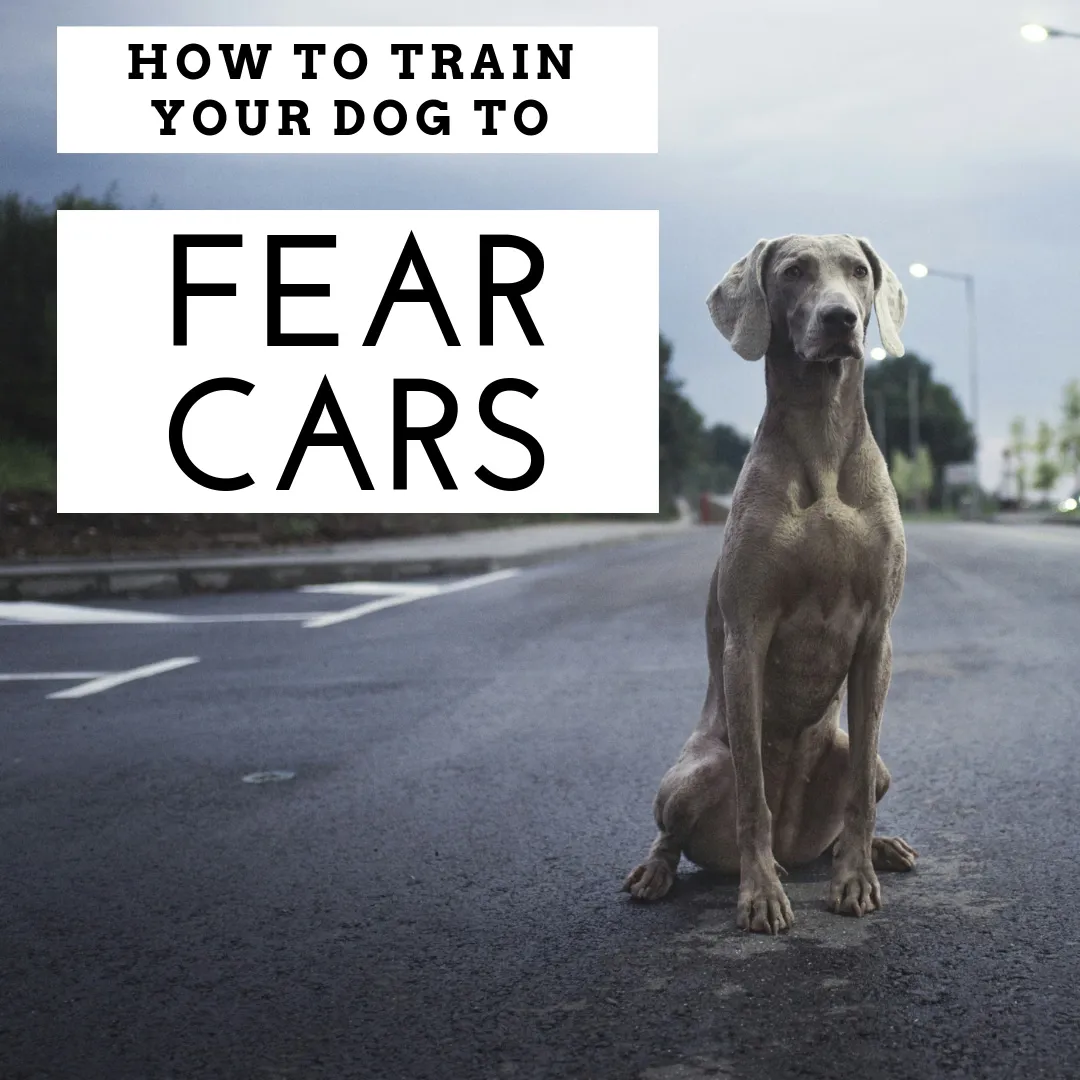
It is possible to condition a dog to stay away from roads, traffic, and cars. While dogs are naturally wary of many things, cars are not typically among them—this fear is not innate and has not become part of their genetic makeup. Instilling a fear of cars in a dog is a challenging task, but certain strategies can help make the concept of "danger" stick.
Rationale for Teaching Dogs to Stay Clear of Cars
Should you focus on teaching road awareness, or simply keep your dog leashed at all times? Personally, I use a leash when other people are present, but I also walk my dogs off-leash each night. Keeping a dog leashed is undoubtedly safer. In fact, many owners would advise that you never let your dog run off-leash in areas with vehicle traffic.
The Value of Road-Sense Training
Nevertheless, it is wise to think about what could go wrong. What if the leash snaps? The collar breaks? What if you trip and let go of the leash? Would your dog bolt into traffic, or would he stay by your side and wait for you to reattach the leash? The immediate benefits of teaching road sense may not be obvious, but it is still worth doing. It could prove useful for your dog one day.
Methods to Teach a Dog to Avoid Cars
The five techniques below are described in more detail later in this article:
- The Sit-and-Wait Method: Whenever you approach a road, with or without traffic, have your dog sit beside you and only allow him to cross after you give the "okay" command.
- "Down" From a Distance Method: Teach your dog basic obedience—this includes responding to the "down" command even when far away.
- The "Touch-and-Treat" Command: Train your dog to respond to the "touch" command.
- The Free-Roam Method: Let your dog wander near traffic and experience firsthand how frightening car-filled streets can be. (Over an unsupervised dog's lifetime, some learn to fear cars, some never do, and some may die—so take a proactive approach to training.)
- Learning by Exposure: Have someone ride a slow-moving bicycle or drive a car toward your dog and gently bump them—enough for the dog to understand that the moving vehicle or bike is a threat. (See my thoughts on this technique below.)
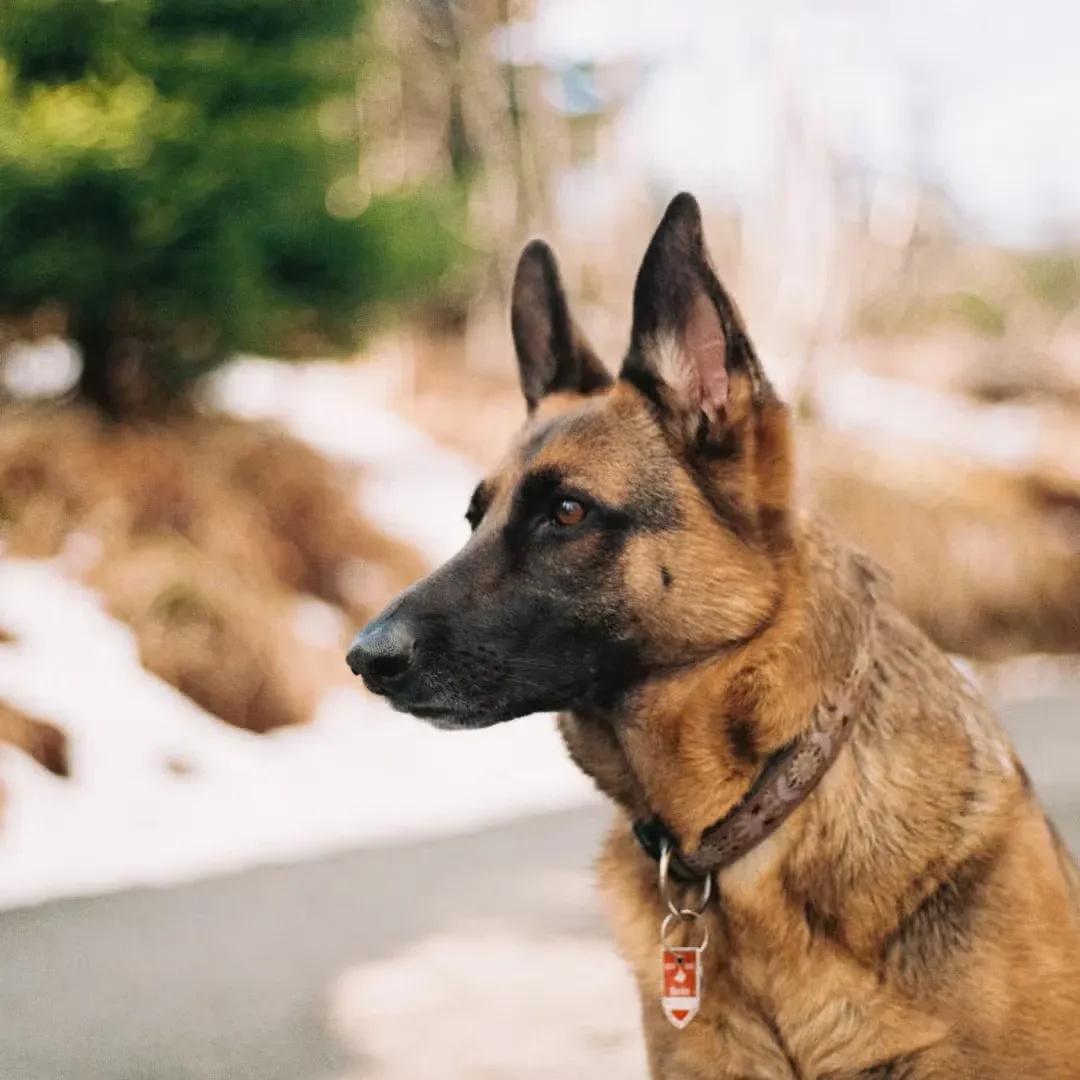
Would Your Dog Be Safe If They Broke Loose?
Christoph Schmid
Which Training Method Is Most Effective?
In my view, some of these methods are superior to others, and I would not personally use the fourth or fifth method.
1. The Sit-and-Wait
The first method—teaching a dog to sit and wait before crossing—is the simplest to teach and generally works well. All dogs should be exposed to and walked around traffic during their sensitive socialization period before 16 weeks of age.
2. "Down" From a Distance
If your dog will ever be off-leash, be sure to teach them to go "down" from a distance. For example, if a vehicle is approaching and I cannot call my dog to my side, I can tell her "down" even if she is chasing a bird in the water or running through a field. By using this command, I can be certain that my dog will not run in front of the vehicle to get back next to me.
3. The "Touch-and-Treat"
It is also important for all dogs that might be off-leash to learn the "touch-and-treat" method. You can expect your dog to come when called more than 90% of the time, but will he always respond in every scenario? If you teach the "touch" command, your dog knows to receive a treat every single time he comes to you (that is, he must touch his nose to your hand). You should not use this command as casually as you do the recall (come when called).
Note: The first three methods seem to be the best, but no method is as safe as walking your dog on a leash.
4. Allow Your Dog to Free-Roam
When I stopped to ask people on the street about what methods they use, some said they believe in letting their dogs simply roam free. When I tried to discuss this problem with them, many simply stated that some dogs learn and some dogs get hit.
5. Learning by Exposure
The consensus among people on the street was that puppies are best trained by being bumped with a slow bicycle while still young. After that, I was told, these dogs learned to stay close to their master and were not even inclined to go out into traffic.
My opinion on this method: Sorry, street people, your dogs are obedient, but this is not the method I want to use to train my puppies. No matter how carefully this method is applied, some dogs are going to be injured, perhaps seriously.
Does Initial Road-Sense Training Work?
The above video demonstrates one effective method of teaching your dog to sit and wait before crossing the road. However, if a dog is around a busy street and becomes distracted, the dog may fail to respond, which is why so many people recommend that a leash be attached at all times.
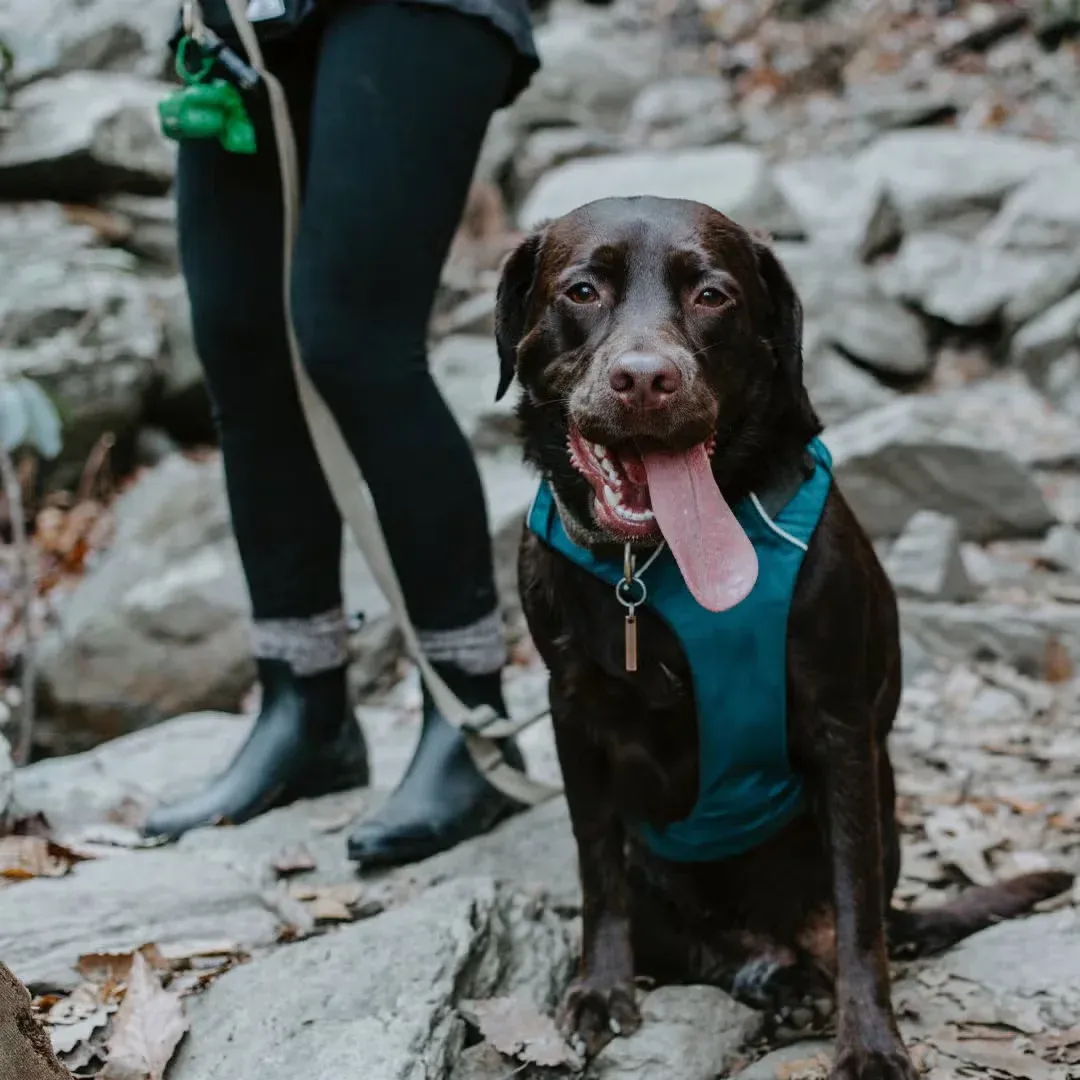
On-Leash Walks Keep Your Dog Safe
Wade Austin Ellis
Why I Advocate for On-Leash Walks
My dog is trained to respond to the safety word "touch," runs over next to me and sits if a vehicle is approaching, and always stops and sits when we reach a street. She does not cross until I give her the "okay" command.
A Message About Safety
The other night, however, we were returning from a short walk, and she wandered into the street. I was walking down on the beach and did not see her, nor did I see the motorcycle moving rapidly along the road. She was hit, despite all of her training. Fortunately, no bones were broken, but she is now nervous when we walk along that area at night and does seem to be more nervous around vehicles at night.
So, despite being well-trained in the first three methods, it is obvious that there is no fool-proof method of training a dog. To be safe, dogs should be on a leash at all times when outside.
More Reading on Dogs and Cars . . .
- My Dog was Hit by a Car : What Happens Next? Stay calm, if you have made it to the clinic the worst is over. This article will tell you what will happen to your friend when she is taken in after being hit by a car, and maybe how you can avoid it.
Questions & Answers
Question: We taught our 5-month-old pug to use the cat door. When we come home, she runs out in front of the car. What can we do to stop that?
Answer: You need to move the cat door around to the back. Having that cat door at the front is a very dangerous situation for your dog since she can get out at any time, and not just when you are there. Move it around to the back of the house so that she will only go out to a fenced in yard.
© 2014 Mark dos Anjos, DVM