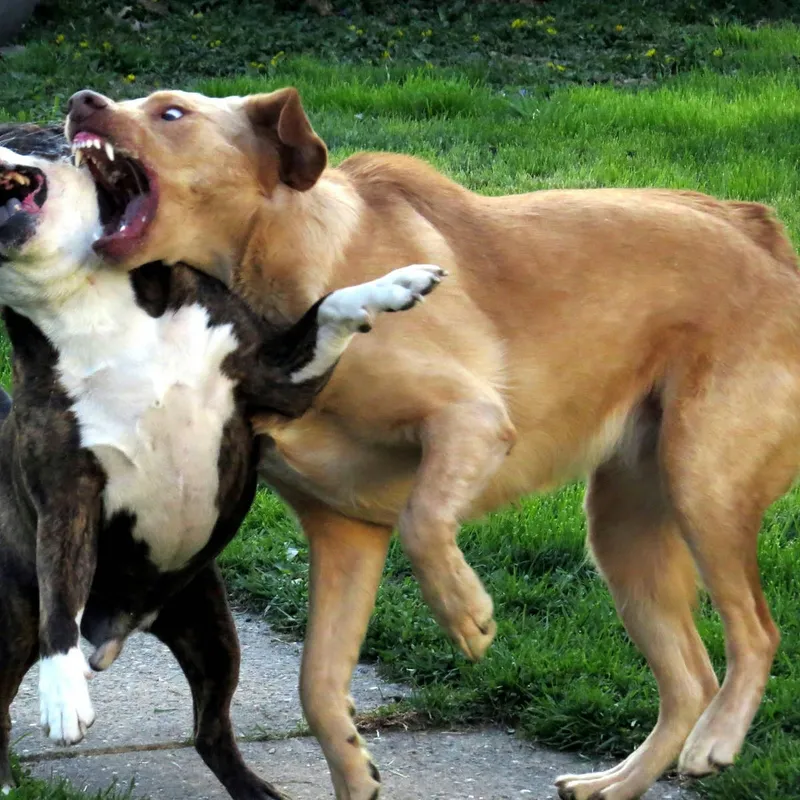
The Case Against Physical Punishment in Dog Training
Taylor Mitchell

What Happens When You Choose to Hit Your Dog
Striking a dog is fundamentally unfair. Dogs stand as devoted partners to people, and unlike us, they harbor no desire for revenge.
When a dog frustrates its owner, the cause is usually not deliberate disobedience or mischief. Instead, dogs are simply behaving according to their natural instincts. Punishment will not stop a behavior when the dog has no grasp of our expectations and rules.
This puts the responsibility on the owner to offer direction and leadership. That guidance can be delivered effectively without confrontation, using positive reinforcement training. The core of this approach involves acknowledging desirable behaviors and paying little attention to undesirable ones.
When owners cannot reach their dogs through sound training techniques and instead strike them, these owners need to understand how such punishment harms the dog and weakens the overall relationship between dog and owner.
Below are several grounds for never hitting a dog.
Five Grounds for Not Hitting Your Dog
- It causes pain
- It leads to fear-based biting
- It alters behavior
- It undermines the bond
- It rests on a misunderstanding

Beating a dog has negative effects—here’s why you should never do it.
Charles Deluvio via Unsplash.com
1. It Causes Pain
A persistent false belief holds that dogs—especially those labeled "bully breeds"—cannot feel pain, and that hitting them is needed to make them "tough" and teach them manners. In reality, dogs possess a nervous system just as humans do, and they experience pain in the same way.
Not every dog will yelp to signal pain; some endure it silently. Beyond the immediate hurt, striking a dog can result in significant injuries and lasting emotional damage.
2. It Leads to Fear-Based Biting
A dog that is hit begins to fear its owner. This can turn against the owner once the dog, driven by fear, bites to protect itself. At that stage, the owner has produced a fearful biter—a serious behavioral problem that can be very hard to resolve. Each year, shelters euthanize hundreds of dogs because they have become fearful biters.
A study in Applied Animal Behavior Science found that practices including hitting or kicking a dog, "alpha rolling," seizing a dog by the jowls, and shaking triggered a defensive, aggressive reaction in at least one-quarter of the dogs subjected to these aversion-based methods.
3. It Alters Behavior
Beyond possibly provoking defensive aggression, hitting a dog can make it insecure. Such dogs may cower, urinate submissively, and show low self-esteem. They may stop carrying themselves confidently, instead moving with their tail tucked and head lowered. They can become highly anxious, nervous, and excessively submissive, spending their lives in fear.
4. It Undermines the Bond
A dog that has been hit will not place trust in its owner. Owners ought to be the primary source of trust and guidance. Instead, a battered dog may cower when petted and flinch at quick movements. It will not reach its full potential, because too much of its energy goes toward living in fear of its owner.
5. It Rests on a Misunderstanding
Owners who believe that hitting a dog confirms their "alpha status" are entirely mistaken. Dogs do not think in those terms. Contemporary training has discredited the alpha myth, since humans are not dogs and dogs are not wolves. David Mech demonstrated this through his research on wolves on Ellesmere Island. If your goal is a genuine bond with your dog, you should cultivate trust rather than fear.
Hitting a dog essentially communicates, "I am dog-training illiterate; I am hitting you because I do not have the necessary skills to teach you in a positive, more acceptable manner." It also sets the dog up to fail; the dog cannot understand what is expected and instead grows up in a fearful, unjust, and frequently misunderstood world.
Related: Dog Discipline: Does Hitting and Beating a Dog Work?

Battered dogs do not bloom; rather, they grow insecure and fearful.
Questions & Answers
Question: How should one go about training dogs to not bite?
Answer: If they are puppies, you just teach them to interact with you in alternate ways and reward them. For instance, you can train them to target your hands versus biting you, you can train them to sit and then you toss them a ball or kibble, you train them to play with toys and praise them for that. If you are talking about adult, older dogs, you see a professional for help. Hitting dogs for biting will only cause more stress and will cause an escalation of the biting and defensive behavior-this is proven by research.
© 2009 Adrienne Farricelli CPDT-KA, Dip.CBST
Sources
- The Case Against Physical Punishment in Dog Training — pethelpful