Understanding Why Your Feline Friend Won't Stop Meowing
Emerson Wood
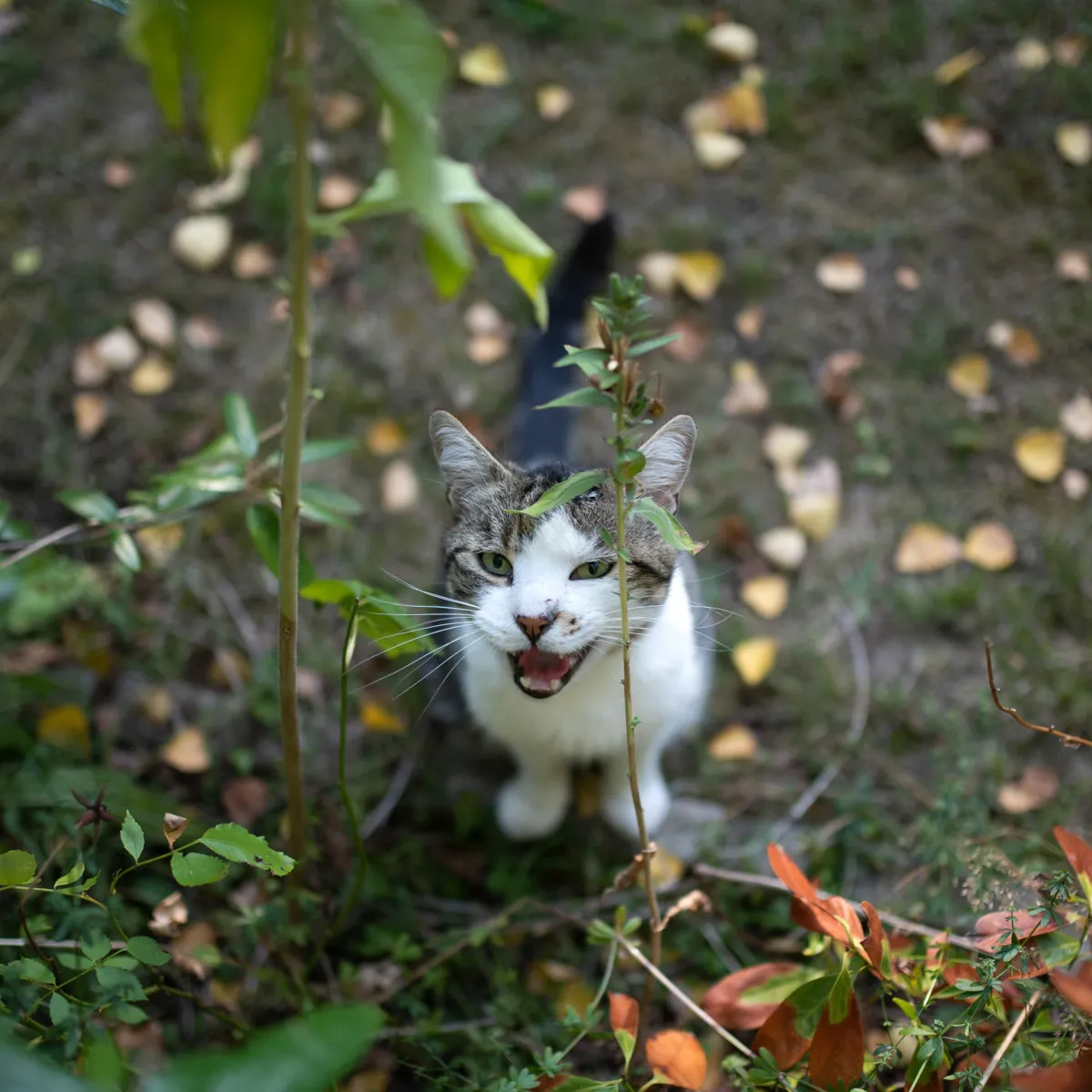
Common Causes of Constant Meowing in Cats
Cats may vocalize for various reasons, ranging from endearing to irritating. The primary triggers for cat vocalizations include:
- Seeking Attention or Feeling Lonely: Cats bonded with their owners often meow when the owner leaves or even when they go to sleep. Make sure to engage your cat in play enough to meet their social needs. Alternatively, consider getting another cat as a companion.
- Hunger or Thirst: Cats typically meow when hungry, when it's feeding time, and some may even meow at human food their owners eat. Keep your cat's water fresh and regularly refilled, and feed them at consistent times to minimize meowing from hunger or thirst.
- Greeting: Many cats meow to welcome their owners and to solicit petting. This should subside after the first few minutes of the owner's return; it's a sign of affection.
- Being in Heat: A cat in heat will vocalize excessively. Spaying or neutering your cat is the most effective way to prevent this.
- Illness or Pain: Hyperthyroidism is one condition that can cause excessive vocalization. Cats often hide pain, but if severely ill or injured, they may meow loudly and frequently. Monitor your cat's health if they suddenly start meowing more often or louder than usual.
- Anxiety: Anxious cats may either hide silently or meow and cry constantly. This is particularly common after introducing a new cat, a vet visit, or moving to a new home.
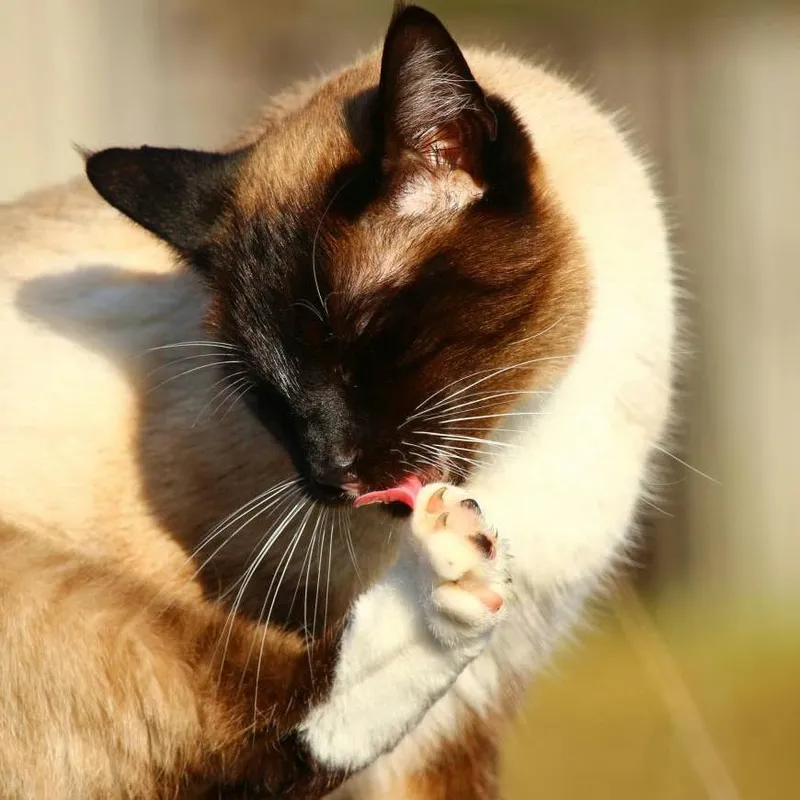
- Breed: Siamese cats are known to meow more than any other breed.
Strategies to Reduce Meowing
Once you've ruled out illness, injury, or other medical conditions, you can address excessive meowing in several ways.
Identify the Message
First, determine if the cat is trying to communicate a problem. For example, a cat with an empty water bowl or no access to the litter box may meow to signal an unmet need.
Likewise, a cat might cry to get you to open a door. If you open the door even occasionally, the cat will learn that meowing leads to the door opening. Instead, provide the desired rewards (petting, open doors, or treats) when the cat is not meowing. This behavior modification takes time but is effective.
Avoid Reinforcing Unwanted Behavior
If the meowing is more persistent, check if it's being reinforced. For instance, many kittens and cats meow until their owner gives them attention or pets them. If they get attention after meowing, they learn that meowing constantly gets them what they want. In this case, reward the cat for being quiet by petting and giving attention after a period of silence.
Consider a Calming Diffuser
Another tool to reduce meowing is the Feliway Diffuser. This product has been shown to calm cats by using pheromones that mimic their own. It works especially well for cats meowing due to anxiety. Indeed, Feliway has worked well as a calming tool for my own cats. It has reduced their anxiety and aggression, assisted during cat introductions, and helped calm my very vocal (and always meowing) kitten.
Rule Out Serious Issues
Always ensure that the meowing isn't due to a medical cause and that your cat has enough food and water. Once these major issues are ruled out, it becomes easier to identify the cause of constant meowing.
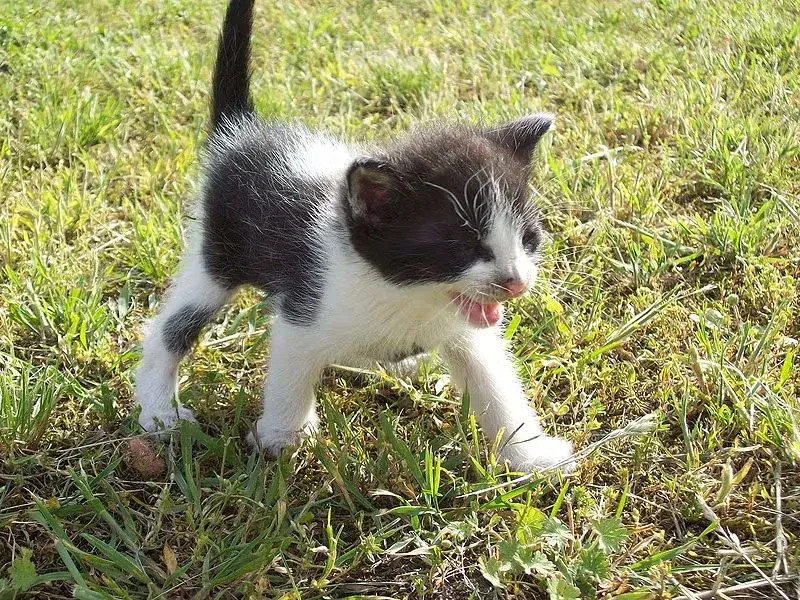
Do you know why your cat has begun meowing more frequently?
This article is accurate and true to the best of the author’s knowledge. It is not meant to substitute for diagnosis, prognosis, treatment, prescription, or formal and individualized advice from a veterinary medical professional. Animals exhibiting signs and symptoms of distress should be seen by a veterinarian immediately.