The Science Behind a Cat's Constant Purring
Emerson Wood
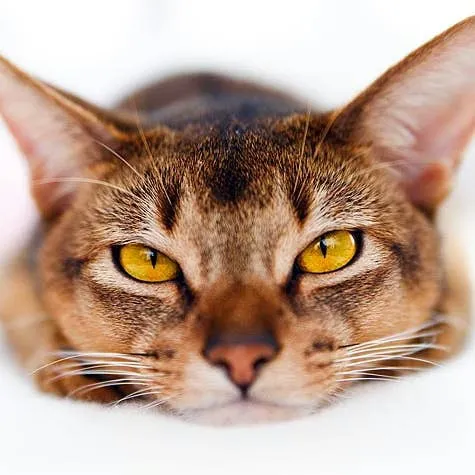
The Science Behind a Cat's Constant Purring
There's something special about the bond between humans and cats, and their purring is part of that magic. As people, we tend to be drawn to animal behaviors that lie beyond our own abilities. After a tiring workday, few things feel better than scooping up a soft cat and hearing that steady, rolling purr greet you.
The company of a pet carries its own kind of therapeutic value. Love takes many forms, and the love shared with an animal is unlike any other. Anyone who has lived with a pet understands this instinctively. Animals offer us unconditional affection and a sense of comfort.
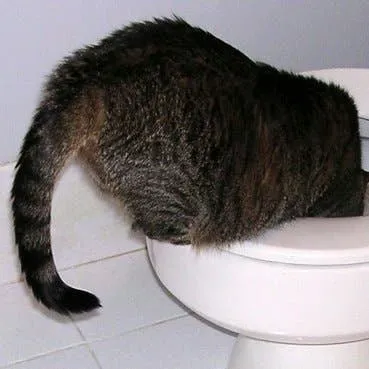
The cat I share my home with purrs constantly, and that brings me a great deal of happiness and calm. He'll start up his motor from three feet away. Mealtimes, cuddles, play sessions, even sitting on the toilet lid while I take a shower — he purrs through all of it. He's simply a very content cat who wants me to know it at every moment.
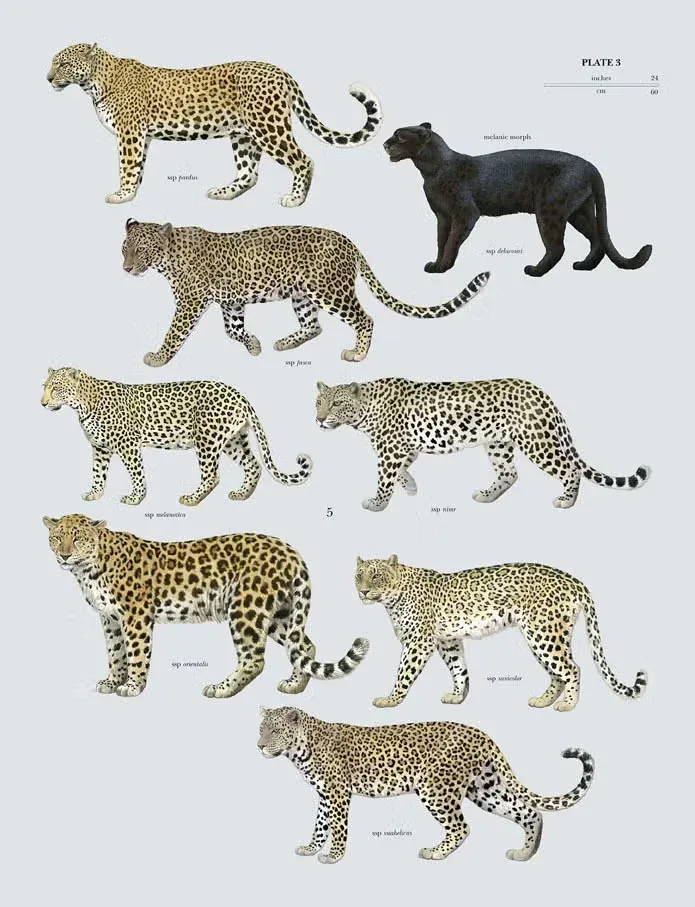
Our house cats are tiny in comparison to their big cat relatives.
s.com
How the Purring Sound Is Produced
What sets the purr apart from other cat sounds is how it is generated. A purr occurs throughout the whole breathing cycle — both on the inhale and the exhale. Vocalizations like the meow, by contrast, happen only when air is being expelled, similar to how humans produce speech.
In a cat's body, a signal travels from the brain to the muscles surrounding the voice box. That message instructs those muscles to begin purring, and they then function as a valve regulating air that flows past the larynx. Because these muscles are active during both inhalation and exhalation, the sound is produced continuously without apparent pause. Air moves through the valve, which opens and shuts at a rapid rate, generating the purr that cat lovers find so appealing.
Domestic cats are not the only felines with this trait. Several other members of the Felidae family purr in the same manner, including bobcats, cheetahs, the Eurasian lynx, pumas, and wild cats.
In the United States, cats have surpassed dogs as the most popular pet. One reason may be that cats are particularly effective at reducing stress and lowering blood pressure compared with many other companion animals, and purring could play a role in that effect.
Purring has also been described as a natural healing mechanism. For a cat, it may be connected to bone strengthening and repair, pain relief, and wound recovery. Beyond that, the sound acts as an auditory cue that people associate with calm and satisfaction. We typically interpret it as something good, and it produces a relaxing effect when we spend time with our cats. Quite impressive for such a simple act as stroking fur.
Reasons Cats Purr
Here's something curious: no one can say with certainty why cats purr. What exists are hypotheses, suppositions, and a few documented explanations.
Kittens begin purring within a few days of birth. According to veterinarians, purring serves to tell the mother "I am healthy," "I'm okay," and "I am here." It also functions as a bonding mechanism between the kitten and its mother.
Once a kitten matures, purring does not stop. Many people believe a cat purrs out of contentment, happiness, and pleasure. Yet a cat will also purr when it is hurt, ill, in pain, or even close to death. It appears that purring provides comfort to a cat during sickness or at the end of life. In the wild, when a cat is nearing death, the purr can signal to predators that "I am not a threat". Another remarkable aspect of purring is that it can be both heard and felt by humans. It's as though the cat has a built-in motor. You can sense the vibrations whenever you hold or snuggle with your feline companion.
Life With a Cat Is a Wonderful Thing
Sharing your home with a cat is both a privilege and a pleasure. The enigmatic purr is only one of the many wonderful qualities our furry companions possess. Keep your cat content and in good health, and you'll be able to enjoy that feline purring for many years to come.
This article is accurate and true to the best of the author's knowledge. It is not meant to substitute for diagnosis, prognosis, treatment, prescription, or formal and individualized advice from a veterinary medical professional. Animals exhibiting signs and symptoms of distress should be seen by a veterinarian immediately.
© 2013 Rebecca
Sources
- The Science Behind a Cat's Constant Purring — pethelpful