Understanding Why Your Cat Licks You: Five Common Explanations
Emerson Wood
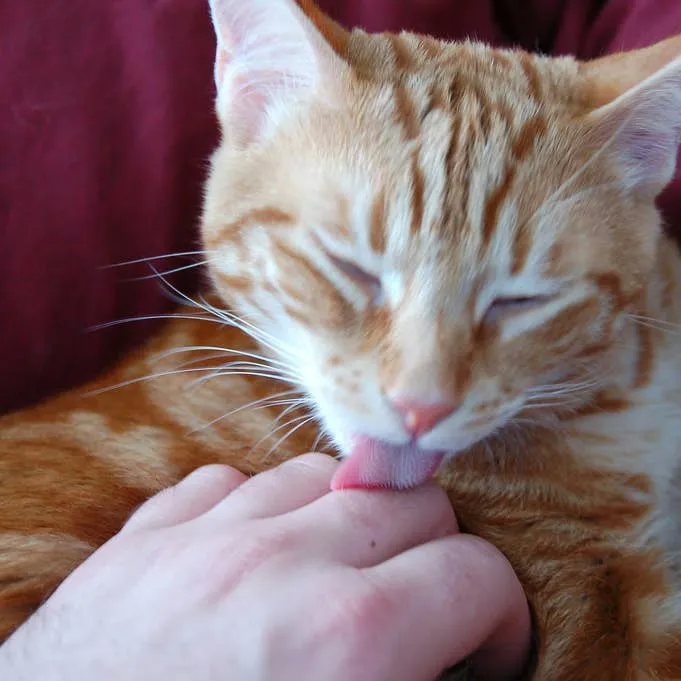
Why Does My Cat Lick Me?
Our feline friends bring us endless joy with their adorable paws and mysterious expressions. However, their actions can sometimes leave us puzzled. For instance, why do they insist on climbing walls only to tumble down, or repeatedly knock your favorite teddy off the shelf? One question that often comes up is: "Why does my cat lick me all the time?"
There isn't a single answer; it depends on your individual cat. Below are several possible reasons, and you can figure out which one applies to your pet.
Have you ever wondered why your cat licks you all the time?
Photo by Gabriel Crişan from Pexels
1. She's Grooming You
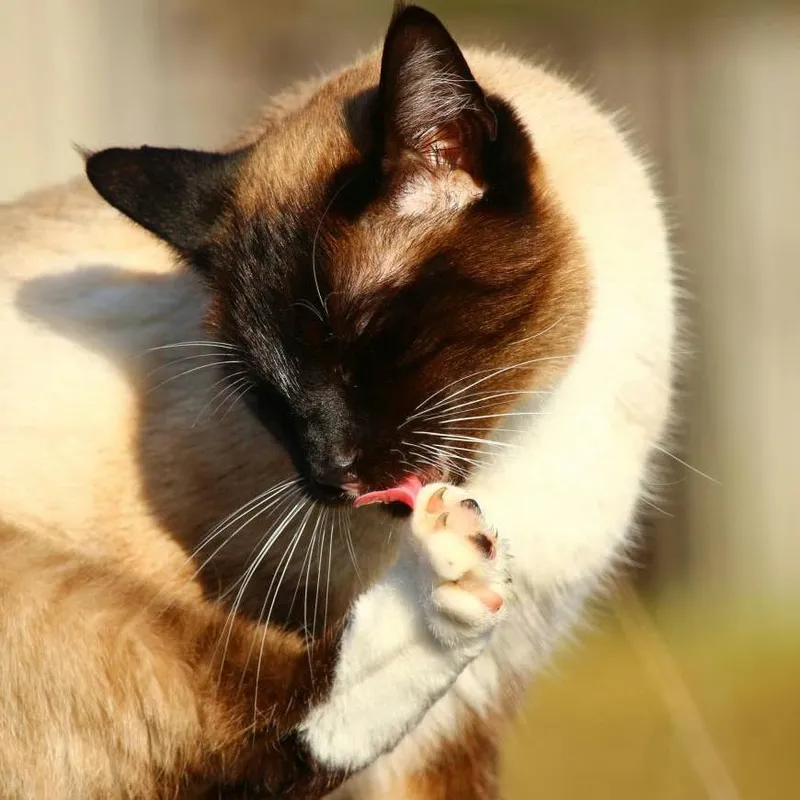
Cats are fastidious self-groomers, often spending hours lounging and cleaning themselves. Their meticulous nature is evident in their neat appearance and well-kept coats—usually not a hair out of place. This grooming behavior extends to their human companions. Kittens and cats are social groomers, meaning they groom their family members. By licking you, they aim to keep you clean and healthy, sometimes even trying to remove foreign objects like rings, socks, or moles. If your cat grooms you, it's a sign they care about your well-being. Alternatively, it might be their way of saying, "Phew! You need a bath!"
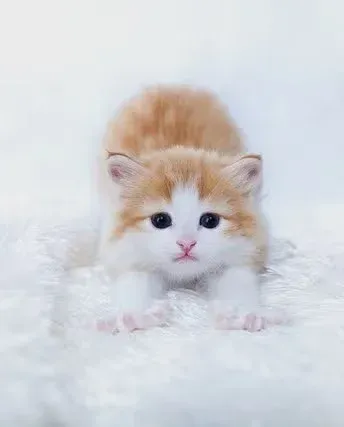
Have you ever wondered just why your kitten licks you so much? Perhaps it’s because they think you are THEIR pet!
By Kenichi via Flickr
2. You Taste Good
This reason is straightforward: if you taste like a delicious steak, your cat will want to lick you—especially if you didn't share. Cats love our food as much as dogs do. When they can't get a bite, they'll settle for tasting you. They may lick your fingers or face to sample what they missed, or your clothing if you spilled food. Don't worry; a quick taste won't harm your cat if you're concerned about them eating human food.
3. It's a Survival Strategy
Cats instinctively groom after eating to remove food evidence and avoid predators. So, your kitty might be trying to protect you by cleaning away any traces of your meal, helping to keep predators at bay.
4. Your Kitten Is Lonely
"Does my kitten lick me because she's lonely?" This is quite possible! Grooming is a key social activity for cats, a favorite way to bond besides racing through the house and knocking over your valuables. When a cat feels lonely, they may seek grooming and play. If you're often away for work or school, your kitty might just need more bonding time. The best response is to "groom" her back by brushing, petting, or scratching her favorite spots (usually behind the ears and at the tail base). Make sure your cat gets enough attention; if not, consider getting a playmate.
How to Keep Your Kitty From Becoming Lonely
| Objects | Socialization |
|---|---|
| Leave the TV on. |
|
Hire a pet sitter.
| |
Use a treat dispenser.
|
Get another kitten to be a playmate.
| |
Leave your favorite music playing while you're out.
|
Invite family or friends to visit.
|
5. Anxiety
Cats may overgroom due to anxiety, which can extend to licking you. If your cat seems off lately, anxiety could be the culprit. Changes like moving, a new roommate, rearranged furniture, or a diet shift can trigger anxiety. Try to identify any stressors in your cat's environment if you suspect this. No one enjoys stress, especially animals.
Why Are Cat Tongues So Rough and Spiky?
Cat tongues have a rough texture with spiky structures called papillae, which are backward-facing taste buds serving as survival tools. These papillae help with deep cleaning of the coat, eating, removing flesh from bones (rare for house cats), and removing food and debris. They also aid in drinking: instead of simply lapping water, cats use their tongues to pull water upward into a column and then quickly close their mouths around it. Fascinating, isn't it?
How Much Licking Is Too Much Licking?
Sometimes, our cats lick excessively, which can be unhealthy. Initially, it might seem cute—a kitten bathing in the sun or licking spills off your clothes. But when licking becomes excessive (e.g., 30 minutes to an hour or more per session), it's a red flag. Your skin may become irritated, and if the cat overgrooms itself, you might notice a thinning coat, bald spots, or even bleeding or infected skin.
Main causes include:
- Anxiety
- Skin irritation or allergies
- Parasites
Anxiety can lead to compulsive cleaning, either due to personality or environmental stress. Skin irritations, allergies, and parasites cause itching or odd sensations, prompting licking and scratching. For most of these issues, a veterinarian can prescribe medications—yes, anxiety and allergy meds exist for pets!
This article is accurate and true to the best of the author's knowledge. It is not meant to substitute for diagnosis, prognosis, treatment, prescription, or formal and individualized advice from a veterinary medical professional. Animals exhibiting signs and symptoms of distress should be seen by a veterinarian immediately.