Why Cats Groom: Purposes, Over-Grooming Signs, and When to Seek Help
Emerson Wood
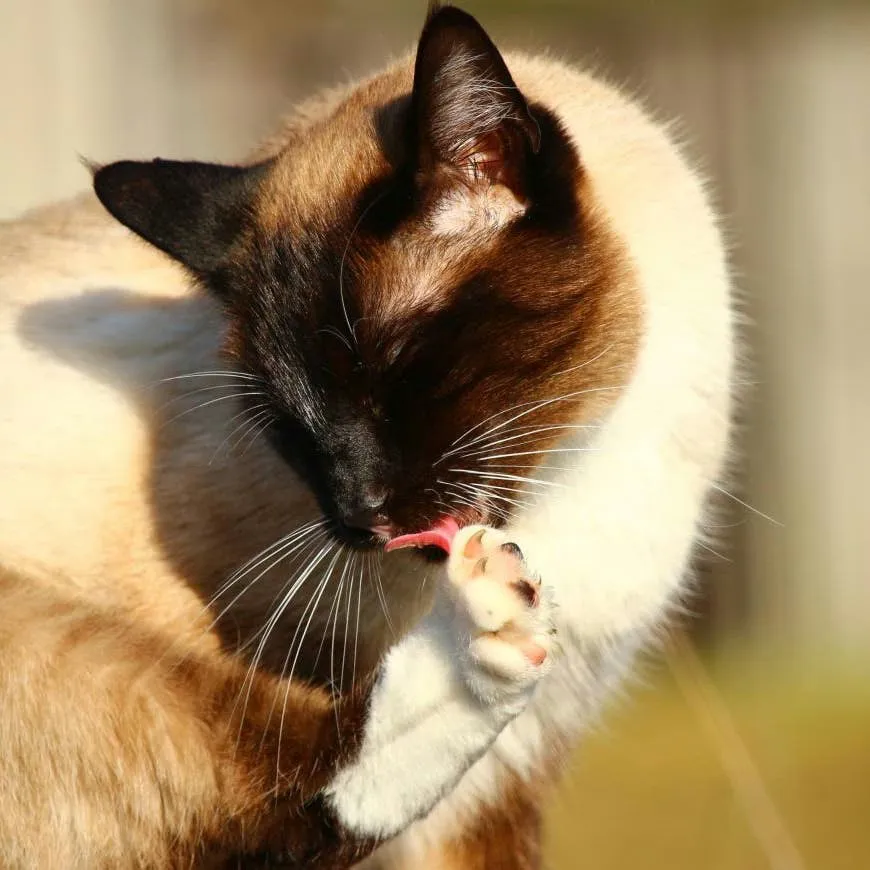
Five Functions of Feline Self-Grooming
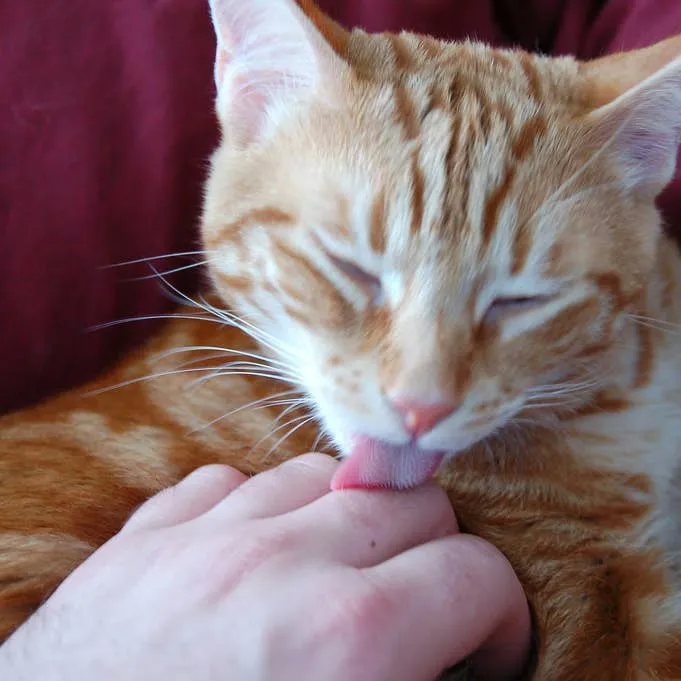
Cats can switch from elegant to unrefined in an instant, and their grooming habits illustrate this duality perfectly. One moment they might be sitting gracefully on a windowsill; the next, they're contorting their neck to lick a hard-to-reach spot, complete with slurping noises.
While many animals groom themselves, cats are especially fastidious. Adult cats spend roughly 30 to 50 percent of their day on personal grooming. What drives this behavior?
1. Maintaining the Coat
When a cat licks its fur, its tongue spreads natural oils that clean and smooth the coat. These oils also help protect the fur from moisture.
2. Controlling Body Temperature
Cats don't perspire like humans, but grooming mimics the cooling effect of sweat. As saliva spread on the fur evaporates, it helps lower the cat's body temperature.
3. Boosting Blood Flow
The cat's tongue is covered with tiny, backward-pointing barbs called papillae. Similar to certain massage techniques that enhance circulation in people, these barbs stimulate blood flow when they brush against the skin.
4. Acting as a Natural Antibiotic
Dogs aren't the only pets that lick their wounds. Cat saliva contains antiseptic substances such as lysozyme, which help fight infection and speed healing.
That said, excessive licking can worsen a wound. Bacteria from the mouth can reopen injuries and intensify infections when grooming goes overboard. If your cat keeps licking the same spot, especially to the point of hair loss, consult a veterinarian.
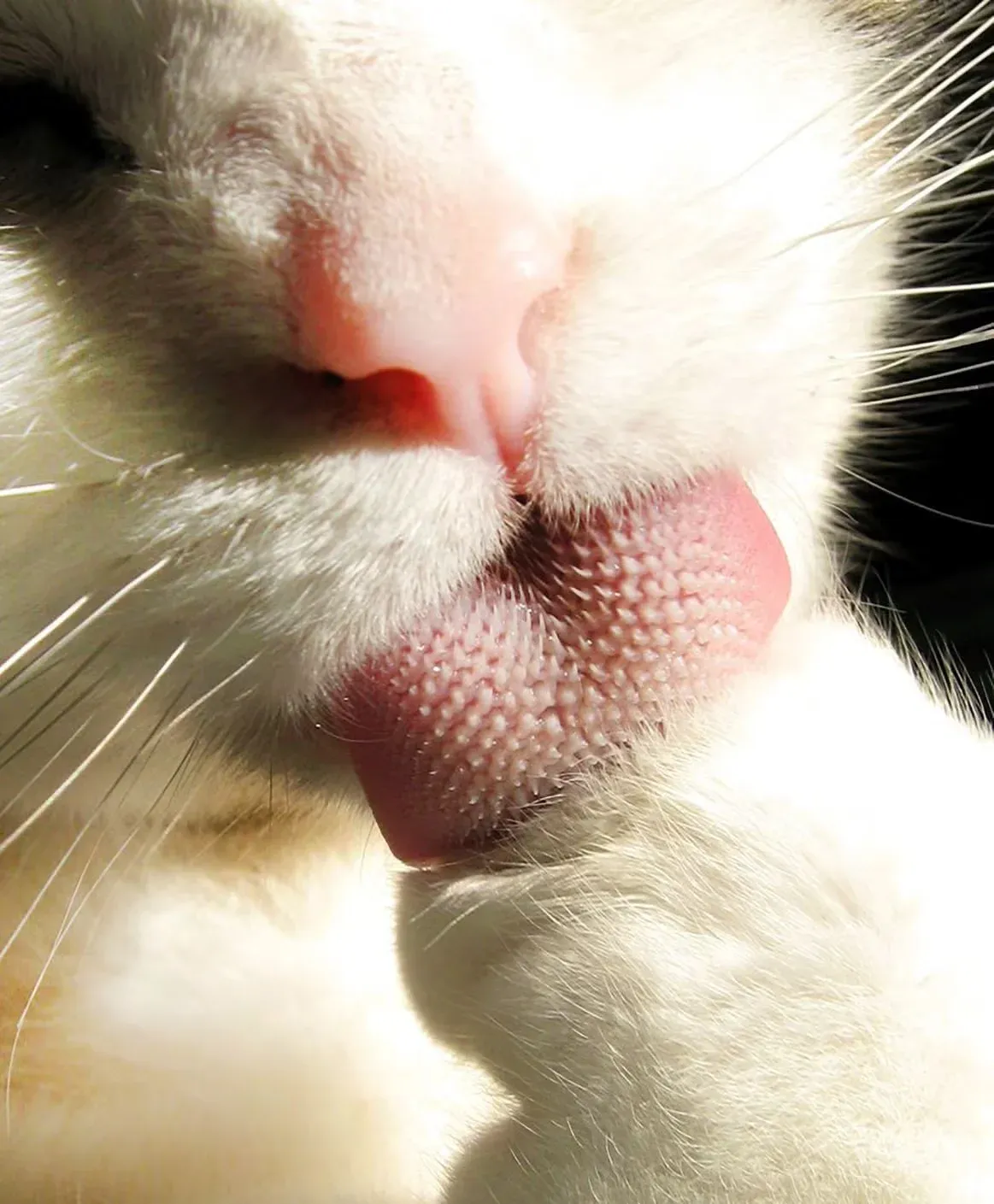
If your cat is licking excessively and you notice irritation or hair loss, take them to the vet as soon as possible.
combed-tongue kitty : santa barbara (2006), CC BY-ND, via Flickr
5. Displacement Activity
Grooming also has psychological advantages. The repetitive action of self-grooming releases endorphins, making it a simple way for cats to relax, ease stress, and soothe themselves. Have you ever noticed how cats will abruptly halt an activity to groom?
Almost any behavior can be paused for a spontaneous licking session—eating, stalking prey, snuggling with a person, play-fighting with another cat, and so on. Are cats simply overwhelmed by the urge to clean at random moments? Sometimes. But often, this sudden grooming is what's known as a displacement activity.
What Is Displacement Behavior?
A displacement activity is a response that seems out of context or unrelated to the situation, typically arising from conflict or uncertainty. These actions are 'displaced' because they don't serve a real biological purpose for the current circumstances. This isn't unique to cats—nervous habits like nail-biting, head-scratching, and leg-jiggling are common human examples of displacement behavior.
Why Cats Groom as a Displacement
Cats often use displacement grooming to cope with stress, conflict, anxiety, or frustration. For instance, a cat might see another animal nearby and feel torn between approaching or fleeing. As a temporary third choice, it grooms itself.
Displacement behavior can also happen when a cat wants to do something but is blocked by its environment, such as being unable to chase a bird outside a window. In some cases, it occurs after a cat fails at a task. A cat that tries a risky jump from the counter to the refrigerator and misses might sheepishly lick itself afterward—either to ease embarrassment or simply because it's unsure what to do next.
Cats clearly have good reasons to groom often. But how much is too much? When does grooming shift from habitual to excessive?
Recognizing Over-Grooming
Grooming is normal for cats, so it's hard to tell if they're overdoing it. The key signs to watch for are frequent hairballs, patches of thinning or bald fur, and skin sores.
Hairballs
Hairballs are the main downside of all that licking. The papillae on a cat's tongue give it the familiar 'sandpaper' feel, acting like a hairbrush. But a cat's tongue can't be rinsed or swapped out like a brush, and cats can't simply pull leftover hair off their tongues as humans can.
Most of the time, swallowed fur passes into the stomach. In moderation, hair in the stomach isn't a problem—but as we know, a cat's grooming goes far beyond 'moderation.' When hair builds up into a ball, it becomes too much for the digestive system to handle and is expelled, leaving a clump on the couch, bed, or new DVR.
Hairballs are unpleasant for both cat and owner, but usually not a concern. They're a normal part of having a cat. However, regularly brushing your cat, ensuring they drink enough water, and feeding a 'hairball formula' food can help reduce how often they occur. If your cat still vomits hairballs more frequently than usual, over-grooming might be the cause.
Balding and Thinning
Bald or thinning patches are another indicator that a cat is grooming too much. These patches can appear anywhere the tongue can reach, but the belly, legs, and abdomen are most common. Over-groomed areas often feel sharper or spikier than the rest of the coat due to damaged hair shafts.
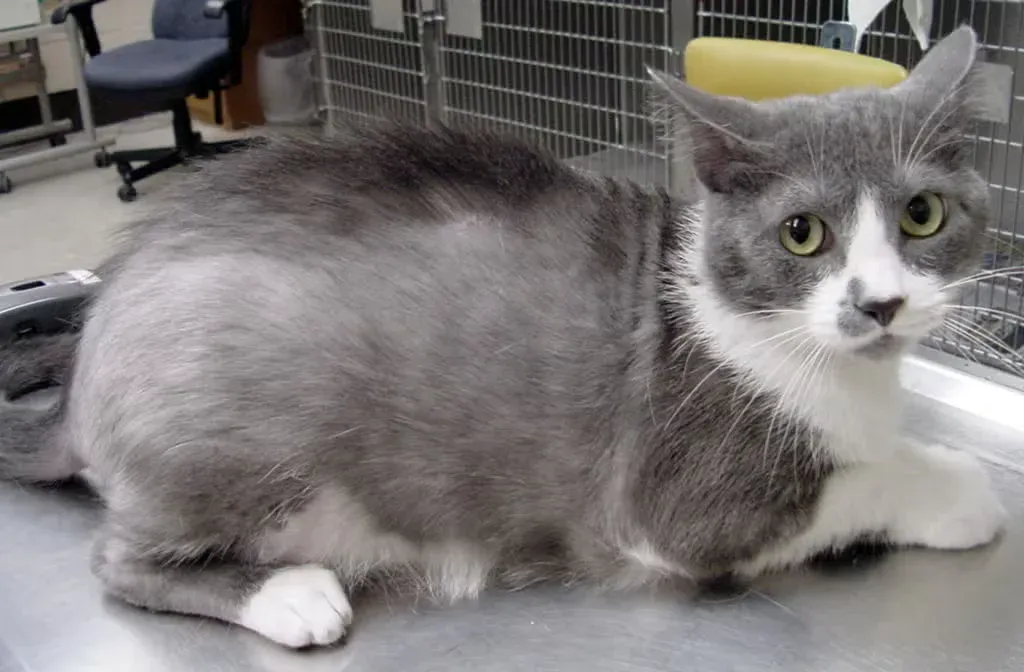
Areas of thinning hair can be seen on this cat’s abdomen and back.
CC-BY-SA-3.0, via Wikimedia Commons
Lesions and Inflammation
Cats that over-groom may also develop skin lesions or inflammation from licking themselves raw. Open sores can get infected, prompting more licking and worsening the infection, creating a cycle of over-grooming and infection. If your cat has groomed to the point of self-injury, seek veterinary care for the wounds as soon as possible.
What Causes Over-Grooming?
Over-grooming can stem from physical or psychological issues. Medical causes include allergies (to fleas, food, etc.), ringworm, cystitis, and hyperthyroidism, among others. Consult a veterinarian to rule out these conditions.
If health problems are ruled out, the grooming may be psychological. Psychogenic alopecia is the term for obsessive grooming in cats with a psychological rather than physical cause. The main behavioral trigger is stress, often from some kind of change. Cats thrive on routine, and disrupting it can strain their emotional well-being. Common stressors include moving, adding or losing a family member or pet, home renovations, and schedule changes.
Keep an Eye on Your Cat's Grooming
Grooming as a relaxation ritual isn't inherently harmful, but if a cat is constantly stressed, self-grooming may become compulsive, so that any conflict leads them to retreat into the behavior. At that point, veterinary help should be sought to identify stress sources and find ways to remove or reduce them.
This article is accurate and true to the best of the author's knowledge. It is not meant to substitute for diagnosis, prognosis, treatment, prescription, or formal and individualized advice from a veterinary medical professional. Animals exhibiting signs and symptoms of distress should be seen by a veterinarian immediately.
© 2017 A Golden