Understanding Why Your Feline Friend Nips: Play Aggression vs. Affectionate Bites
Emerson Wood

What's Behind Your Cat's Biting Behavior?
Before trying to modify a biting habit, it's important to figure out whether the cat is biting out of aggression or delivering what are often called "love bites."
Understanding the root cause is essential if we want to change or manage the behavior effectively.
Two Categories of Cat Bites
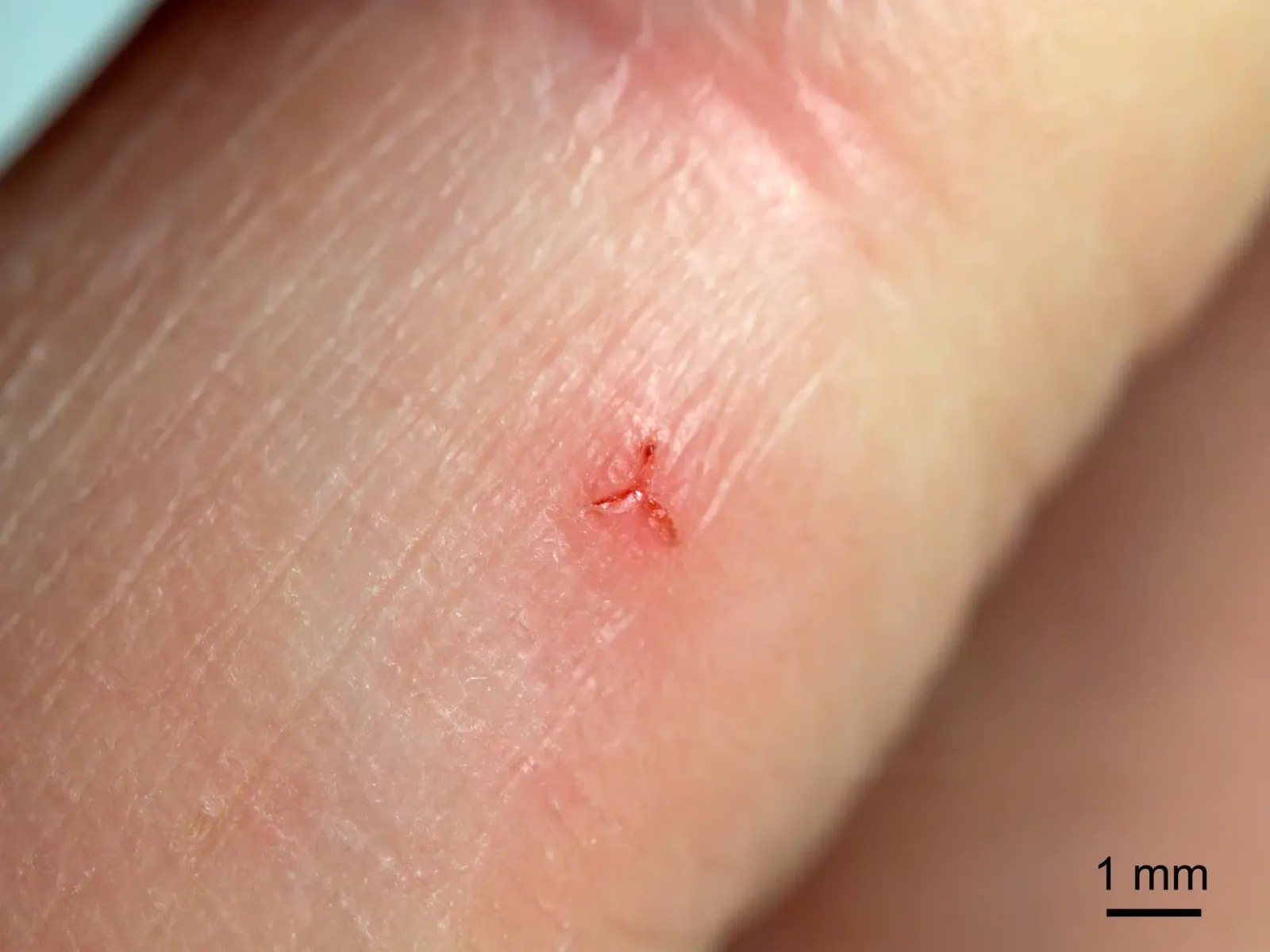
- Aggressive biting: This type of bite hurts, can cause bleeding, may become infected, and could even leave a scar. When a cat bites aggressively, fear is often the trigger, or the cat may be reacting to sensing another cat nearby. Such bites can stem from play aggression (playing too roughly), territorial aggression, or a response tied to early abuse the cat may have experienced. Among all the reasons a cat might bite a person, play aggression is the most frequently observed.
- Love bites: What people call "love bites" are really a way cats communicate. They usually happen when a cat feels overstimulated or when the cat shares a strong bond with you. These bites tend to be softer and typically don't break human skin.
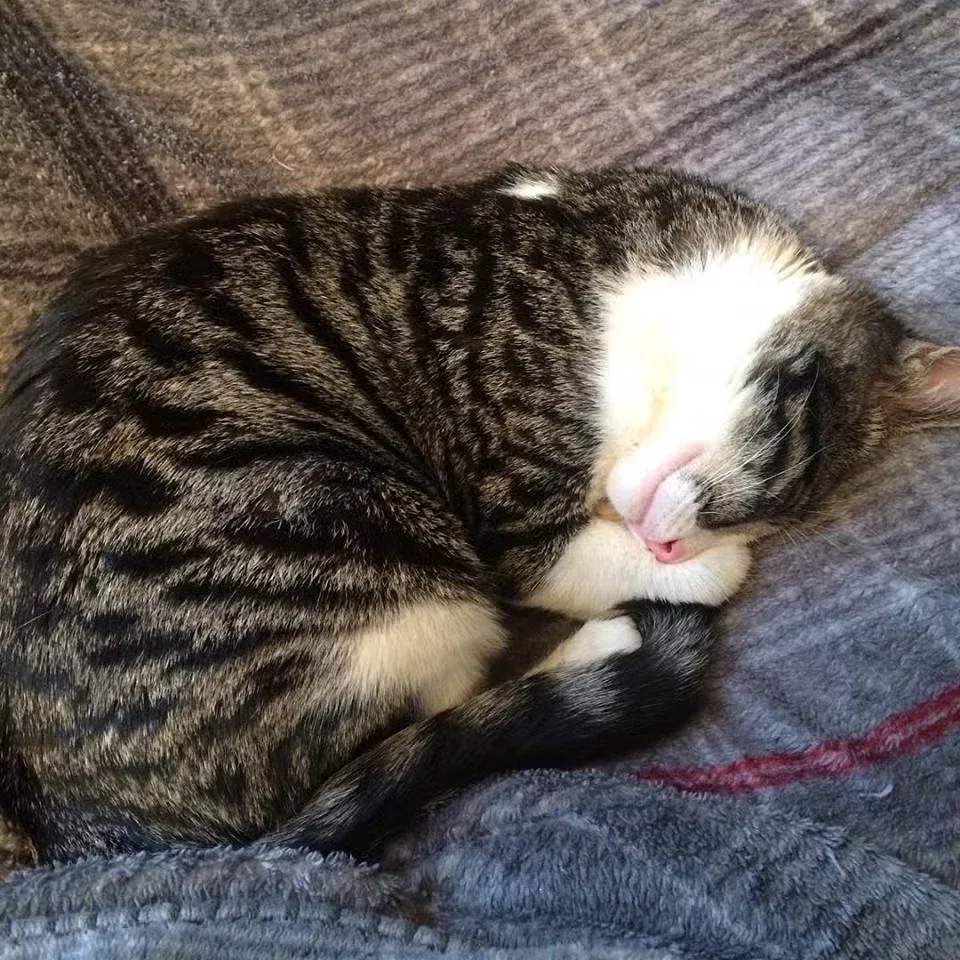
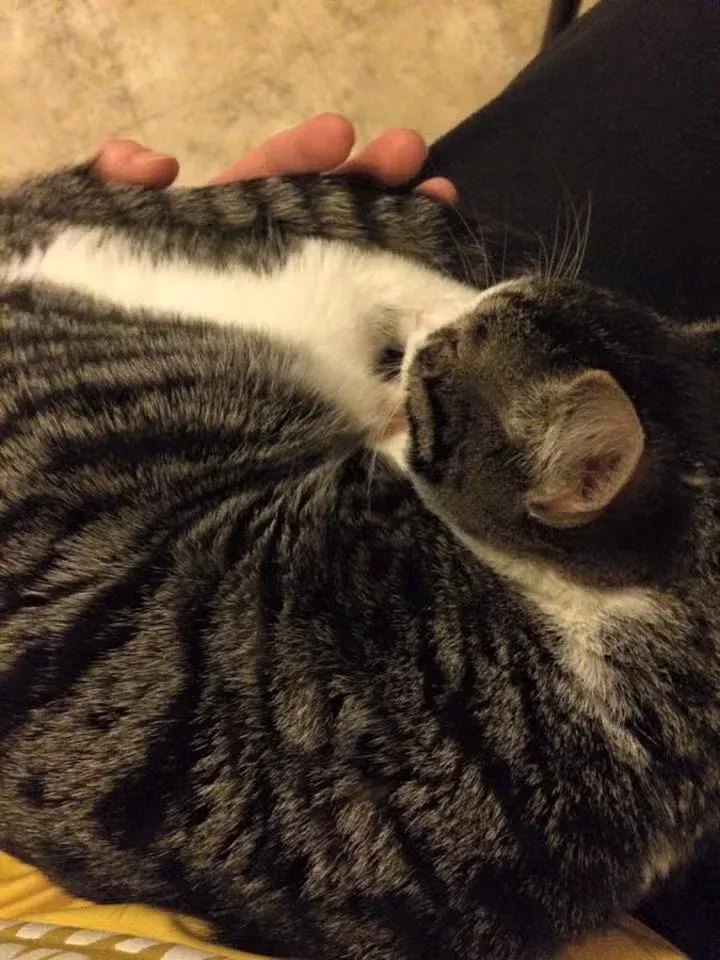
This kitten appears sweet and gentle right now, but watch out at play time!
1. Play Aggression: A Frequent Issue
Play aggression stands out as the most common cause of aggressive biting, especially in young kittens and cats. Our cats are family members, yet they remain animals that need play to release extra energy and to instinctively sharpen their natural hunting abilities. Cats usually play with one another to practice social skills and improve coordination as well. Still, many cats live as the only cat in the home, so it's understandable that they need and want to play with people!
The trouble arises when cats play too roughly for human skin. Cats have a thick fur coat and often bite, scratch, and wrestle with each other. This behavior is natural to them, and our cats don't realize that we have sensitive skin with no fur for protection.
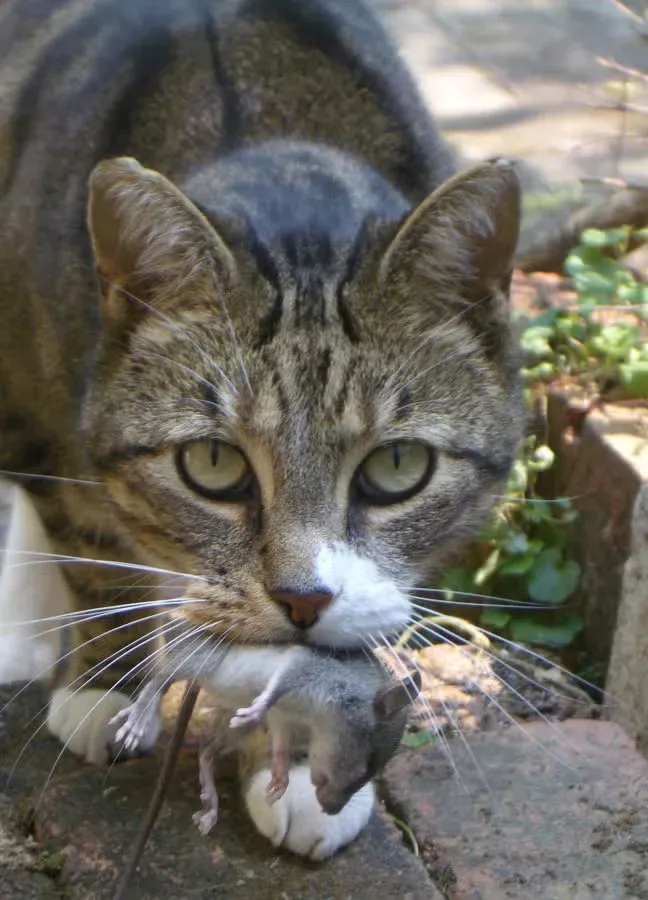
Cats are natural predators.
Five Strategies to Curb Play Aggression
Having identified the reasons behind play aggression, we can now consider ways to handle our cat's rough play while still letting them have fun and get exercise.
1. Schedule Consistent Play Sessions With Your Cat
If a cat or kitten feels bored and is trying to get you to play, they may bite or scratch at you roughly to grab your attention and provoke a reaction, similar to how they would act with another cat. If the cat learns to expect play at set times each day, they may be less inclined to go after our hands or feet whenever we pass by.
This play time also helps burn off a good amount of the cat's excess energy and gives them a chance to hunt some "prey" and practice their skills. A common recommendation is 10 minutes of play twice daily.
2. Use Toys When Playing With the Cat
It may seem cute and fun to move our hands under a blanket or across the floor and let a tiny kitten attack, but once a cat grows older they may link our hands and feet with playtime and attack whenever possible, causing pain and open wounds!
Cats do best when we use toys that are separate from our hands and feet, such as fishing pole type toys, which they can chase, attack, and bite. This way, our cat will connect the toys with play time rather than our bodies.
3. Keep a Toy Handy and Use It as a Distraction
Try this trick if the cat attacks feet and legs when we walk by. While the cat is still learning that toys are for playing and human bodies are not, we may need to distract them before they pounce and bite. This means it's a good idea to have a toy within reach (or in a pocket) whenever possible so it can be tossed to the floor to divert attention from our ankles and toes if we sense an impending cat attack!
4. If the Cat Attacks, Walk Away, Look Away, and Don't Engage
Cats attempt to attack and play because they want us to play back. They do not respond well to punishment, yelling, or any type of negative stimulus. Cats do understand when we ignore them and stop providing attention for bad behavior, though.
If our cat suddenly bites us or becomes aggressive toward us during play time, the best response is to walk away into another room and ignore the cat if it follows. Do not make eye contact, do not touch the cat, and do not offer treats or pick the cat up.
5. Keep the Environment Stimulating
Try giving the cat new toys every so often, or set up perches and hiding spots for the cat so it can spend time playing alone as well. If provided with a variety of toys and an engaging environment, our cats can entertain themselves (and use up a good amount of their energy) for quite a while!
2. Love Bites
"Love bites" are another type of cat or kitten bite. These usually occur when the cat is overstimulated or when the cat feels strongly bonded to us. Love bites are not typically painful (although they can be at times, depending on the cat). These types of bites often happen when a cat no longer wants to be pet, when he or she would like to be put back down on the ground, or when the cat is just starting to feel playful.
How to Prevent Love Bites
The best way to watch for a love bite is to pay attention to a cat's tail! If your cat's tail is swishing and held low toward the ground, it's usually time to give him or her some space!
Also, watch for the cat's ears moving back toward the back of their head, which may signal that the cat is about to become aggressive or is ready to bite. Cats do give us signals when they are unhappy with us or have had enough, and it is up to us to notice them. Some cats, for instance, have little tolerance for petting, and we must respect that.
How to Clean Cat Bites and Wounds
Treating and sterilizing a cat bite is very important!
- It's best to first clean the area with soap and water.
- Run the wound under running water if possible for a few minutes and then wash with soap.
- Dry and apply an antibiotic ointment to the area.
- Cover with a sterile bandage.
- If you are unable to stop bleeding, or if you notice any signs or symptoms of infection, see a doctor immediately!
Sources
- stories/6328/cat-love-bites-a-unique-form-of-communicatio/
- https://iheartcats.com/9-tips-to-stop-a-biting-cat/
This article is accurate and true to the best of the author's knowledge. It is not meant to substitute for diagnosis, prognosis, treatment, prescription, or formal and individualized advice from a veterinary medical professional. Animals exhibiting signs and symptoms of distress should be seen by a veterinarian immediately.