Understanding Why Cats Hunt and Conceal Themselves
Taylor Gray
What Drives Indoor Cats to Pursue Prey?
Many cat guardians wonder why their well-nourished pets still stalk and capture small animals. The answer lies in their evolutionary history.
The Evolutionary Basis of Feline Hunting
Cats, whether living in homes or in the wild, are built to hunt. Their bodies and minds are adapted for catching prey, a trait inherited from their wild predecessors. Historically, cats were valued not as companions but as pest controllers. Only the most effective hunters survived and reproduced, shaping today's domestic cats into skilled predators.
Unlike dogs, cats have not been bred as extensively for specific traits, so their hunting drive remains potent. As obligate carnivores, they require nutrients from meat to thrive. They typically target small prey they can handle alone, such as birds and small mammals. On rare occasions, a capable cat might take down larger animals like a rabbit.
Frequency of Hunting Activities
Given the small size of their typical prey, cats need to hunt multiple times a day to meet their energy needs. A cat without access to other food sources can make up to 20 kills in a single day.
This pattern aligns with their natural preference for small, frequent meals. Even though they are efficient hunters, domestic cats readily accept food from humans or scavenge when possible.
Methods of Hunting
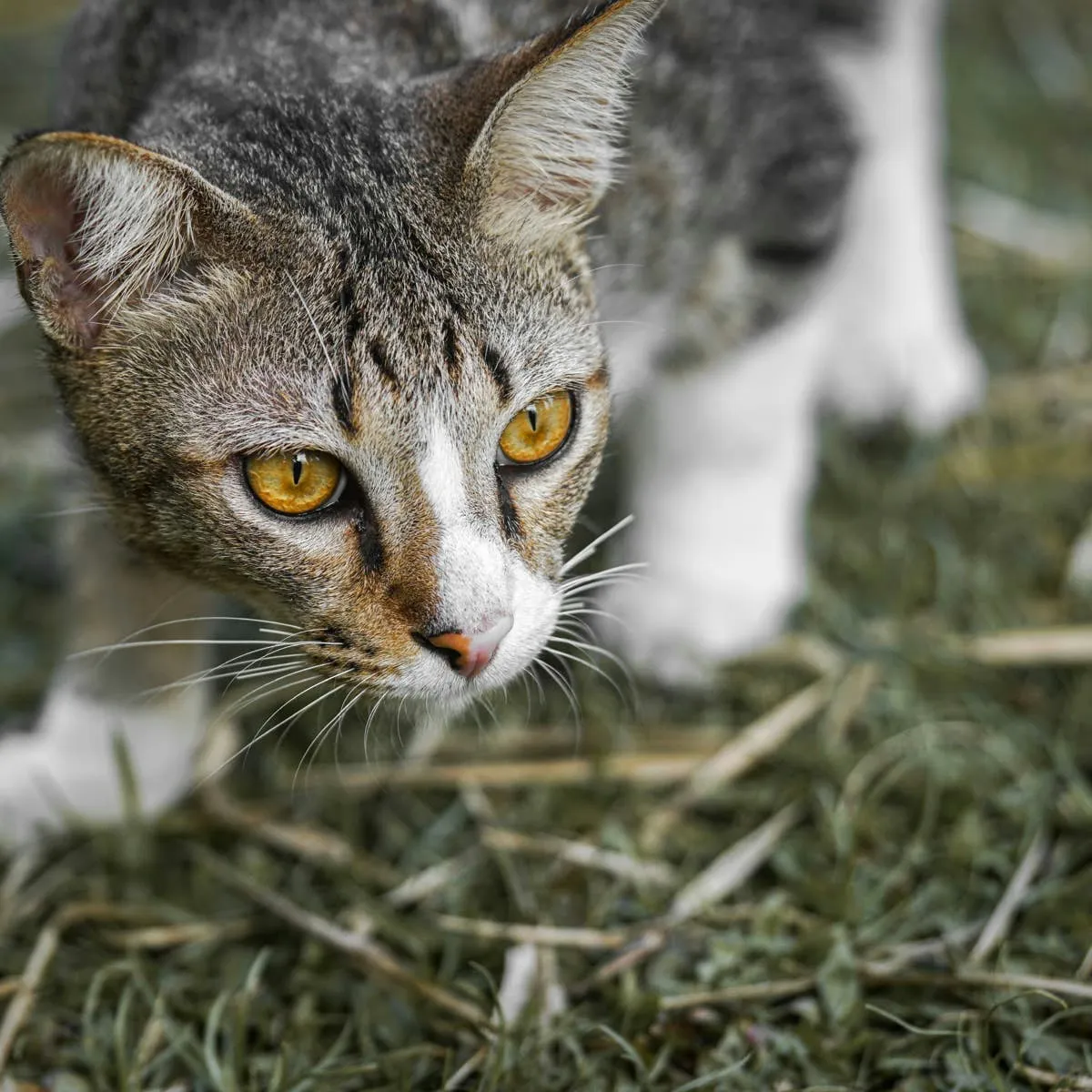
Cats often use a stalking approach: they crouch low, move slowly with their head extended, and then pause before pouncing. A typical sequence involves a tense posture, a brief sprint, and a final leap to strike with their front paws.
Is Hunger the Only Reason for Hunting?
Hunger is only part of the motivation. Because cats hunt alone, their survival depends on hunting proactively, before they are starving. They have evolved to be opportunistic, adjusting their hunting based on available food.
Domestic cats may also hunt to add variety to their diet. They are naturally neophilic, meaning they enjoy new and different foods.
Reasons for Playing with Prey and Bringing It Home Alive
Although hunting is instinctive, a well-fed cat may not need to eat the prey it catches. A hungry cat will typically kill and eat immediately.
Playing with prey is thought to stem from a conflict between the urge to kill and the fear of injury from the prey. Research indicates that the more fearful a cat is, the more it engages in this playful behavior.
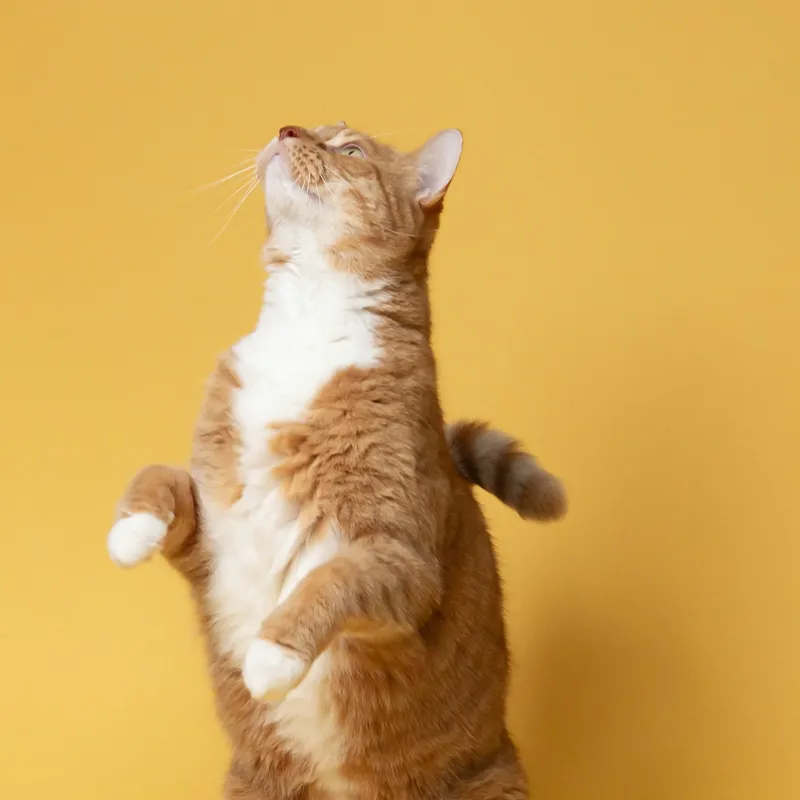
Studies also show that adult cats display more predatory behavior when interacting with toys that resemble real prey, such as birds or rodents.
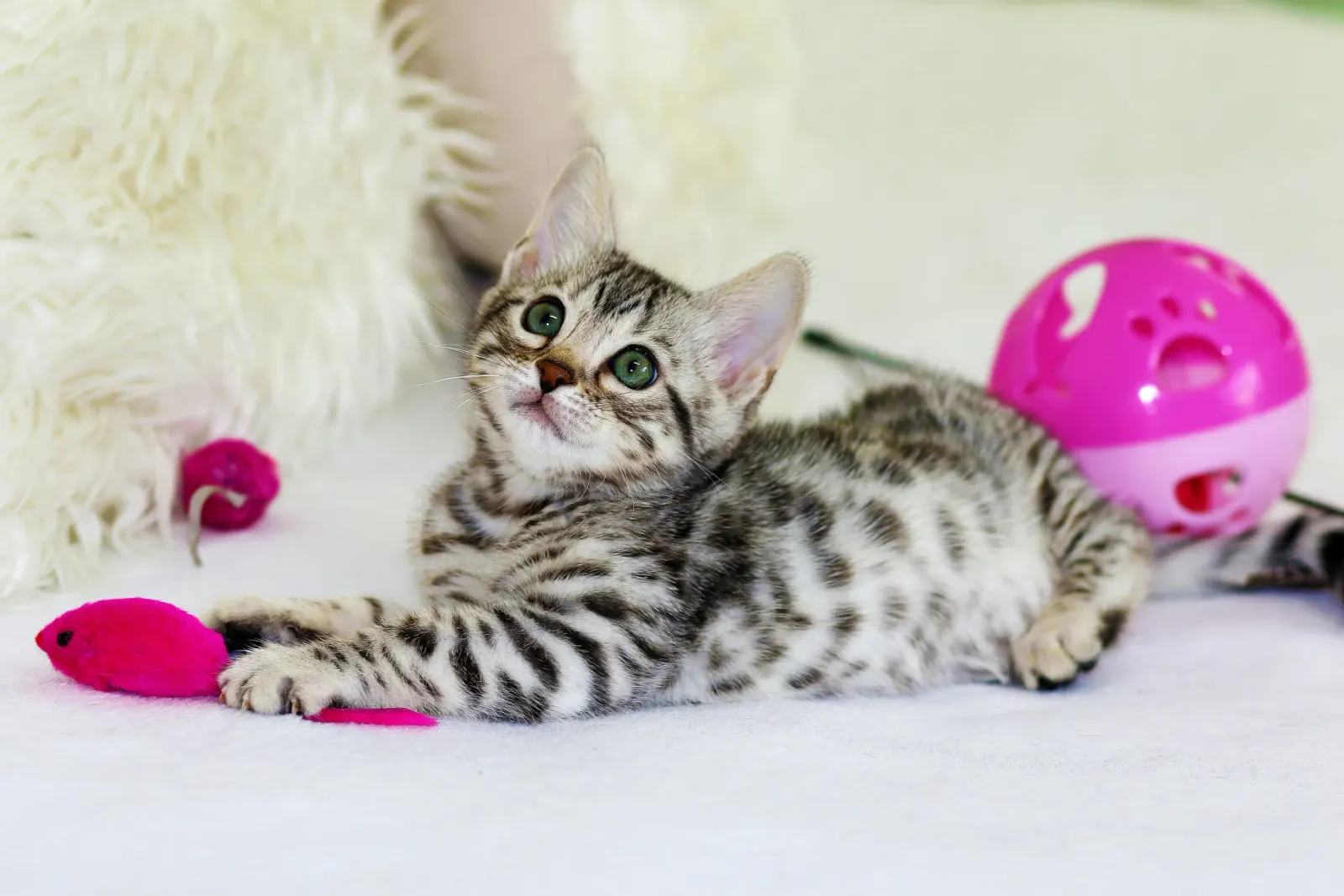
Adult cats exhibit much more predatory behavior when playing with a domestic pet toy that resembles an actual item of prey.
Kim Davies
The Appeal of Hiding
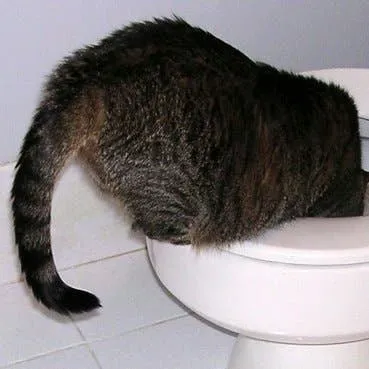
Cats' affinity for hiding is rooted in their wild ancestry. Just as they hunt despite being fed, they hide to feel secure, even though they are no longer at risk in the wild.
In the wild, a cat is vulnerable when resting, so it seeks small, warm spaces where it can sleep without fear of attack, especially from behind. This is why cozy cat caves are beneficial—they allow a cat to watch from the front while staying warm and protected.
Cats can also experience stress and anxiety based on their environment, such as noisy households. Having a safe retreat is crucial for their well-being. Without a designated bed, a cat will find alternative hiding spots like under a bed or in a cupboard.
My Own Experience
As a lifelong cat owner, I recall being unsettled as a child by finding a half-dead mouse on the doorstep. While I understand these behaviors are natural, I have tried to reduce my cat's hunting. I attempted to keep my current cat indoors, but his personality made that impossible. Once allowed outside, he began hunting and bringing home prey frequently.
Since I provide a varied, nutritious diet, I increased predatory play with him. After about a week of daily play with fake rodents and birds, the number of prey he brought home dropped significantly. Now, after two months, we've had only three or four 'gifts.'
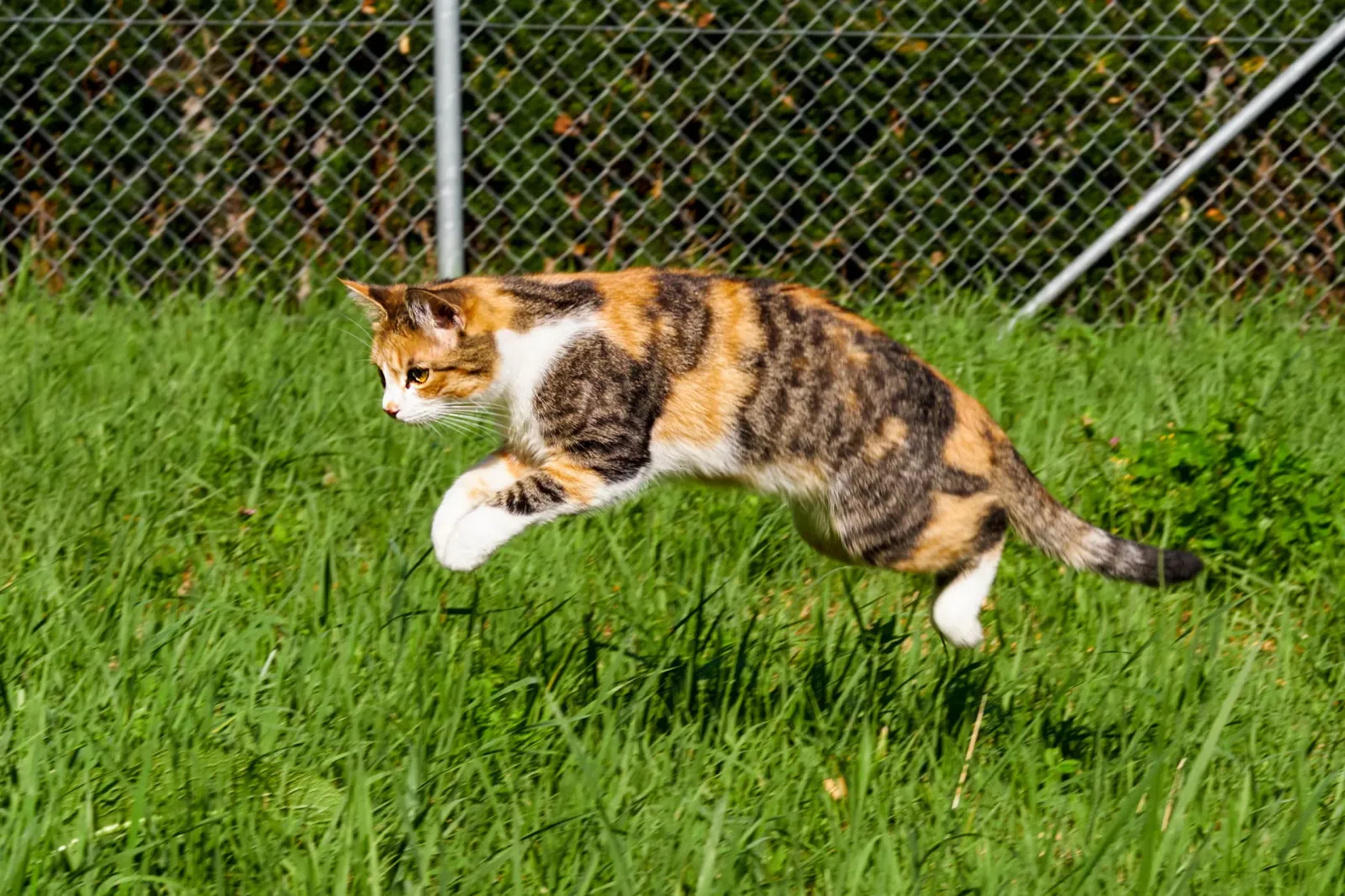
I have tried to minimize my cat’s hunting as best as I can as a responsible pet owner.
Dorothea OLDANI
Concluding Thoughts
Hunting is a natural feline instinct. To minimize it, offer small, frequent, nutritious meals and engage in play that mimics hunting. Ultimately, being a good cat owner means respecting and supporting their natural needs and instincts.
This article is accurate and true to the best of the author's knowledge. It is not meant to substitute for diagnosis, prognosis, treatment, prescription, or formal and individualized advice from a veterinary medical professional. Animals exhibiting signs and symptoms of distress should be seen by a veterinarian immediately.
Sources
- Understanding Why Cats Hunt and Conceal Themselves — pethelpful