Understanding the Flehmen Response: Why Cats Curl Their Lips
Taylor Gray
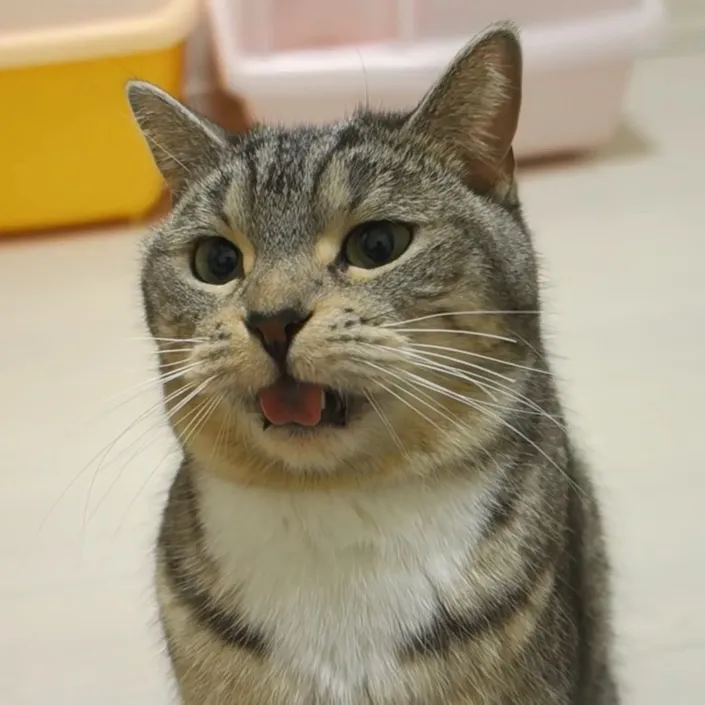
Why Cats Make That Funny Face
Have you ever caught your cat making a weird grimace? It's quite noticeable: the nose crinkles, the upper lip lifts, and the mouth stays slightly open for a moment.
Even though it looks like disgust, this expression is actually a biological reaction called the flehmen response.
The word comes from German, meaning "to curl the lip," and it's how cats gather extra sensory details.
This behavior isn't just in house cats. All kinds of felines do it, along with many other animals like horses, giraffes, goats, buffalo, sheep, and deer, just to name a few.
When a cat does the flehmen response, they aren't backing away from a smell; they're actually checking it out more closely. So how does this work, and what's it for?
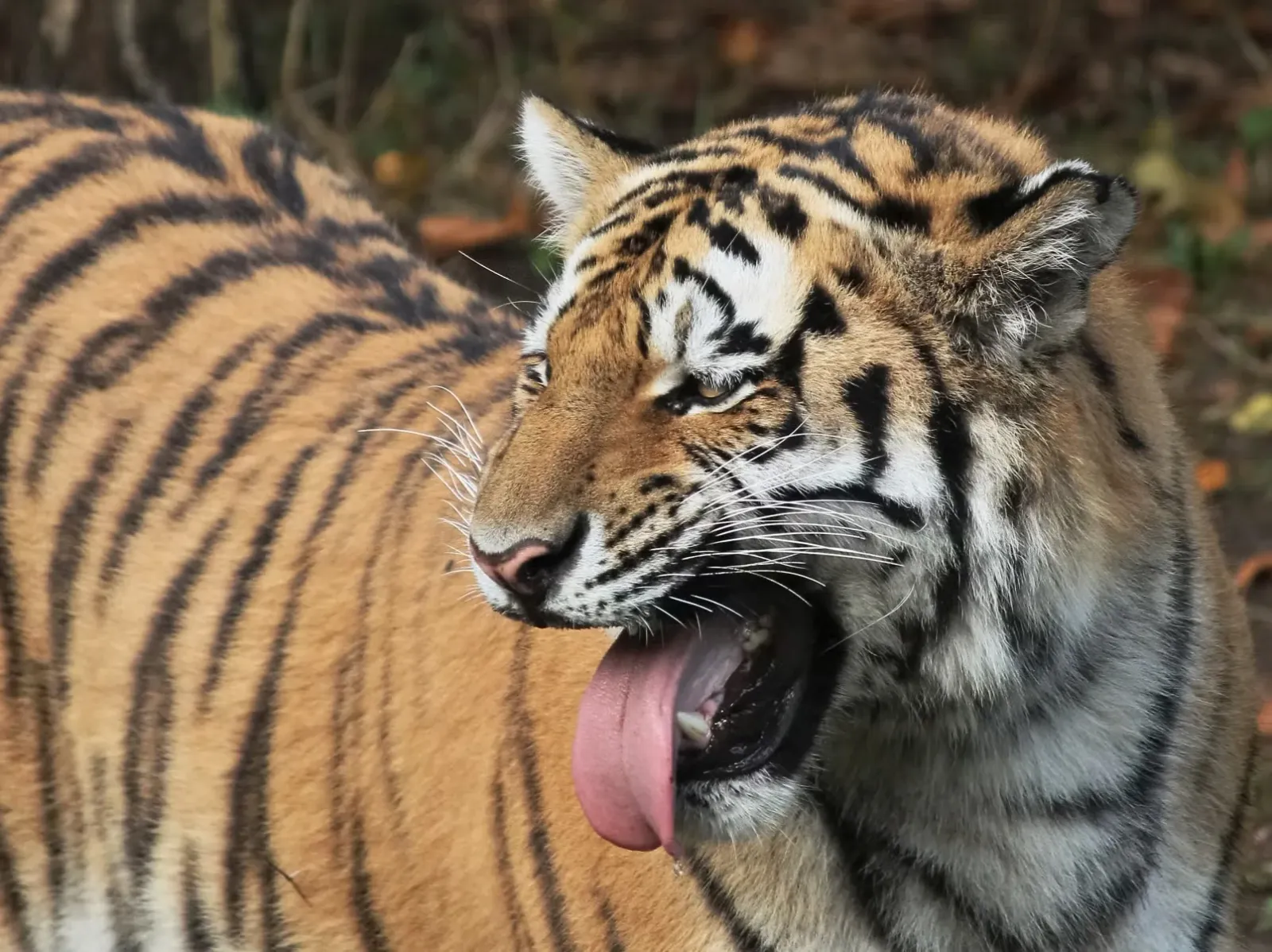
A Siberian tiger demonstrating the flehmen response
Appaloosa, CC BY-SA 3.0, via Wikimedia Commons
The Anatomy Behind the Response
The flehmen response relies on a special sensory organ called the vomeronasal organ, also known as Jacobson's organ.
This organ is made of two fluid-filled sacs in the roof of the mouth. Tiny ducts behind the front teeth, called the nasopalatine canal, link these sacs to the nasal cavity, creating a path for scents.
The goofy open-mouth look cats get during the response lets them pull odors into the mouth instead of the nose. Then the vomeronasal organ examines the scent and sends signals to the cat's brain.
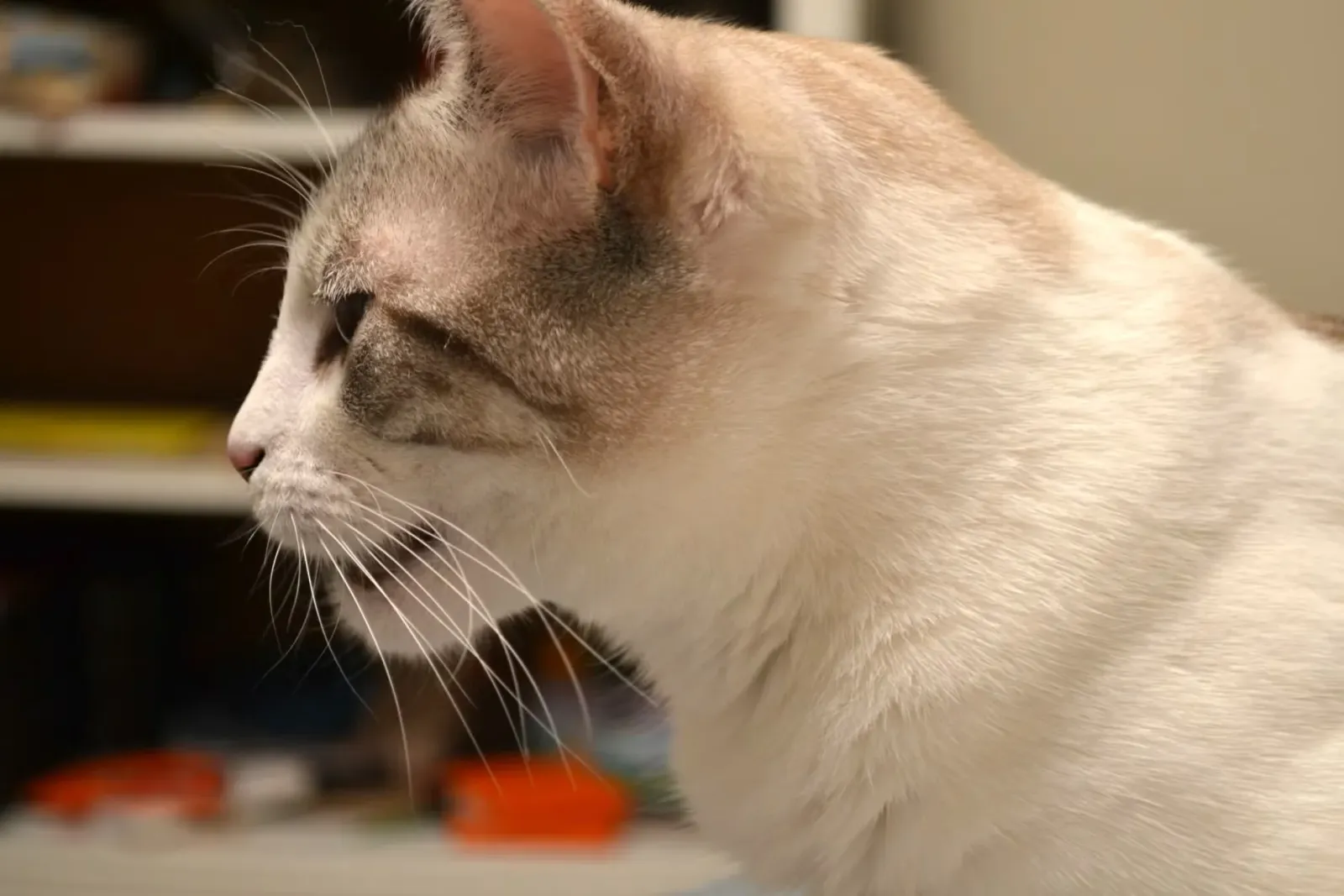
Cat making the “stink face”
Erin Murphy, CC BY-SA 2.0, via Flickr
As humans, it's tough to describe the flehmen response because we don't have the right structures to feel it. But it's thought to be like a mix of smelling and tasting.
But enough about how it works—why do cats actually do it?
What's the Point of the Flehmen Response?
For cats, the flehmen response is mostly about detecting and checking pheromones—chemicals that animals use to communicate with their own kind. Cats usually spread pheromones through urine marking or rubbing their faces.
Male cats tend to use this response more often than females, especially for mating. Pheromones are key for breeding, giving info on a cat's sex, age, location, and if they're ready to mate. By doing the response, a tomcat can tell if a female is in heat and ready. Female cats sometimes use it to get familiar with their newborn kittens' scent.
But it's not just about pheromones. Any smell that a cat finds interesting, new, or unusual can set it off. This changes from cat to cat and can be anything from plants (like catnip) to food to stuff around the house.
In the video below, an electric toothbrush gets this reaction from a curious Abyssinian cat.
The strong reaction many cats have to catnip comes from nepetalactone, the active ingredient in the plant. One study suggests nepetalactone mimics pheromones, which might explain why so many cats do the response around it.
Here's where it gets unclear. The link between the flehmen response and pheromones is pretty direct, but we don't know why cats do it around so many random things—like the electric toothbrush above. Research is still going on.
For now, we can at least enjoy this cool biological quirk and the silly faces it makes.
This article is accurate and true to the best of the author's knowledge. It is not meant to substitute for diagnosis, prognosis, treatment, prescription, or formal and individualized advice from a veterinary medical professional. Animals exhibiting signs and symptoms of distress should be seen by a veterinarian immediately.
© 2018 A Golden